
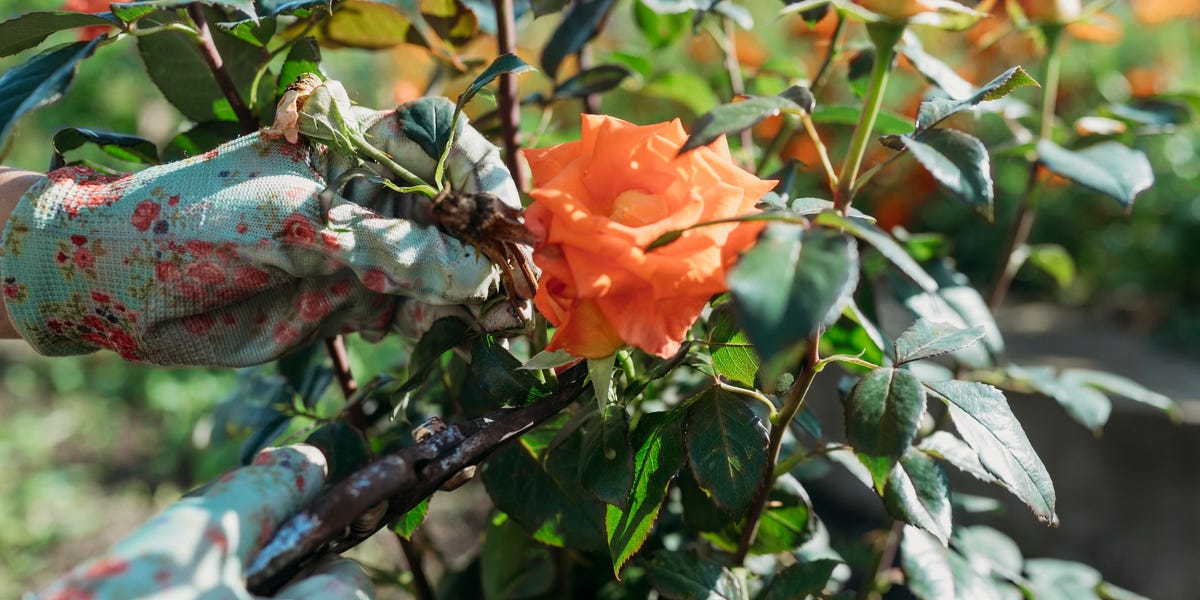
Late winter is a key moment in the rose-growing calendar. Pruning now encourages stronger stems, better airflow and, crucially, bigger, more abundant blooms in summer. Whether you’re growing shrub roses, climbers or hybrid teas, here’s how to prune them properly for the best results.
‘Pruning roses in late winter to early spring helps to promote healthy growth and flowering, as well as maintaining the desired shape and size of the plant,’ says Paul Parker, gardening expert at plants and perennials specialists J. Parker’s.
Julian Palphramand, head of plants at British Garden Centres, describes pruning roses in February or early March as ‘that sweet spot between the worst frosts and the rush of spring growth’. He explains: ‘As buds start to form, you can clearly see each plant’s framework, making it far easier to take out dead or congested wood and shape a healthy rose bush for summer.’
But pruning techniques vary depending on the type of rose you’re growing. Here’s what the experts recommend.

Seifutdinova Olga//Getty Images
Bush roses
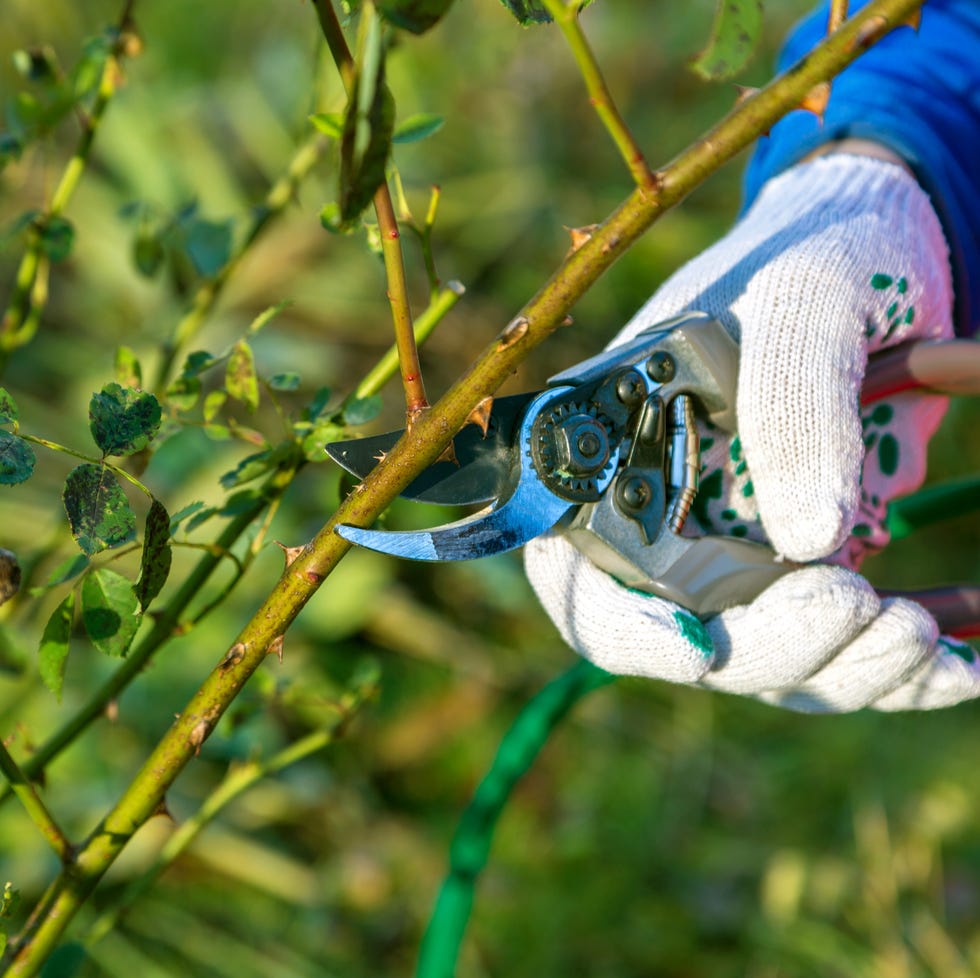
For bush roses such as hybrid teas and floribundas, ‘start by removing dead, diseased or inward growing stems at the base, then choose strong, well‑spaced stems to keep and cut these back to outward‑facing buds,’ explains Julian. ‘Hybrid teas generally respond well to a harder prune, often down to around 30cm, while floribundas are reduced a little less to preserve their naturally bushier habit.’
Julian warns that ‘modern shrub and English roses need a gentler hand’. He suggests thinning out a few of the oldest stems and shortening the rest by about a third.
‘Patio roses need very little hard pruning, if any at all,’ adds Paul. However, a light prune – i.e. removing dead or damaged wood – will keep the plant looking healthy.
Julia_Sudnitskaya//Getty Images
Climbing roses
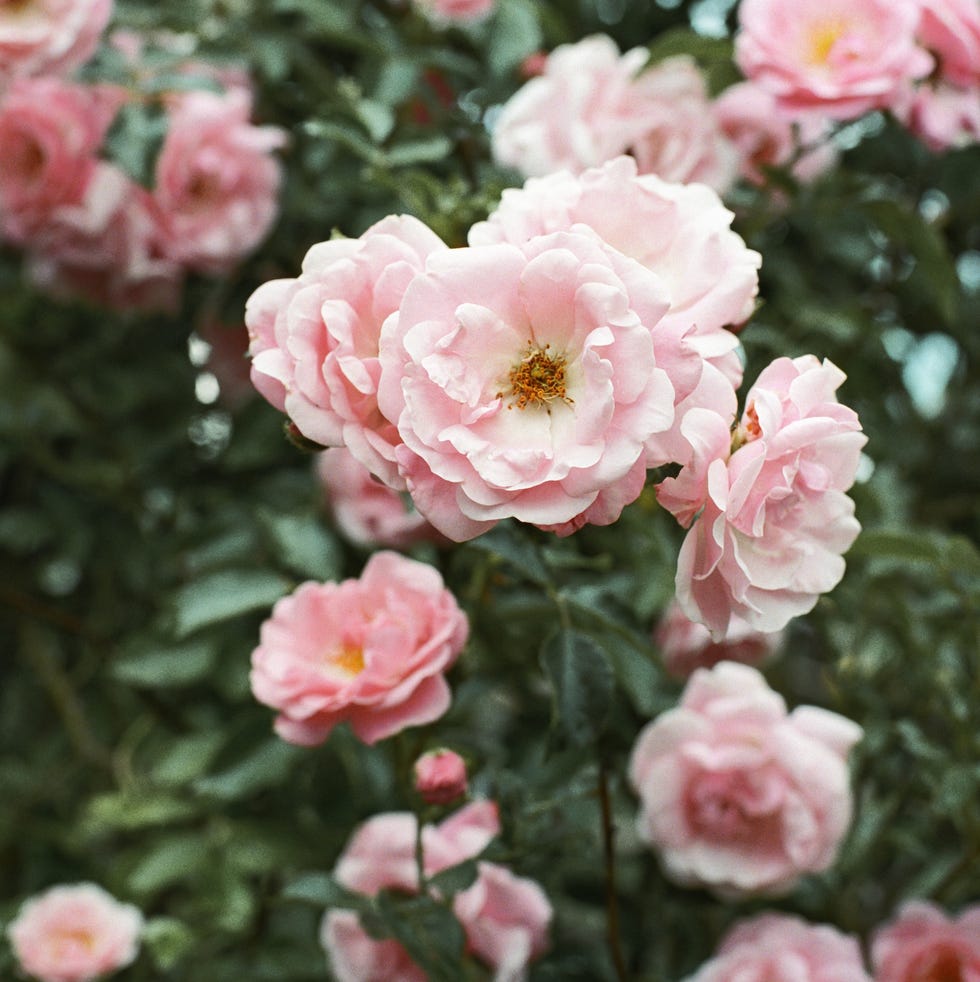
Climbing roses that repeat flower can also be pruned now, says Julian. ‘Keep the main stems trained as horizontally as you can along their support, remove weak or awkward growth, and shorten side shoots by around two thirds so the flowers stay close to that plant’s frame,’ he advises.
On common mistake to avoid? Young climbers should be ‘guided into place with light shaping’ while their framework develops, rather than cut back hard.
‘It is important not to hard prune climbing roses for two years after planting to give them the best chance of establishing,’ warns Paul. ‘If needed, you can remove any dead growth or tie in main stems, but avoid heavy structural pruning or reshaping. Begin by shortening side shoots, cutting them back to 2-3 inches from the main stem. Then remove any dead or diseased wood stems. Finally, support your climbing rose by tying the main stems to a trellis or structure.’
Dmytro Ostashuk//Getty Images
Roses to avoid pruning
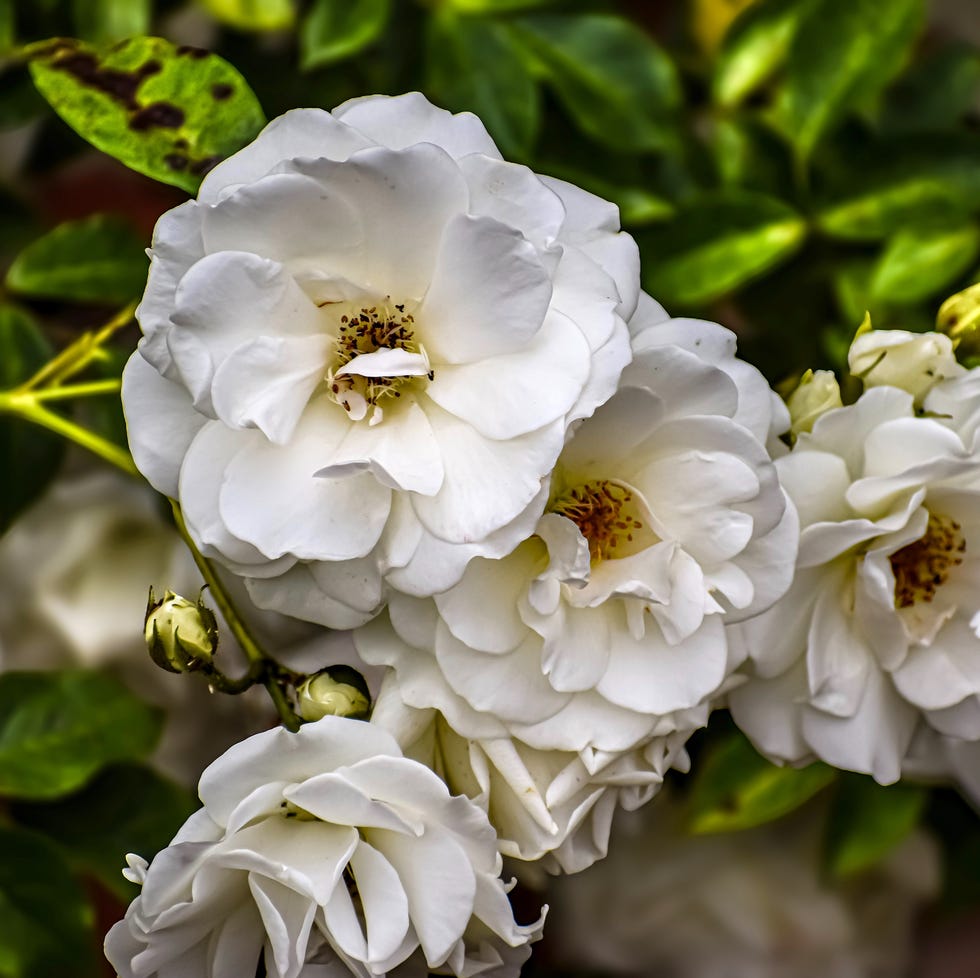
Not all roses should be pruned now. ‘Ramblers and some ground cover types are better left until after they’ve bloomed, as they flower on last year’s wood and would lose much of their show if cut hard in February,’ says Julian. ‘Newly planted roses of any kind also appreciate only minimal tidying while they settle in.’
Jana Milin//Getty Images
Rose pruning care tips
• ‘When pruning, use sharp secateurs with a clean, sloping cut away from the bud to prevent water from gathering,’ says Paul.
• Remove stems that are rubbing or competing for space.
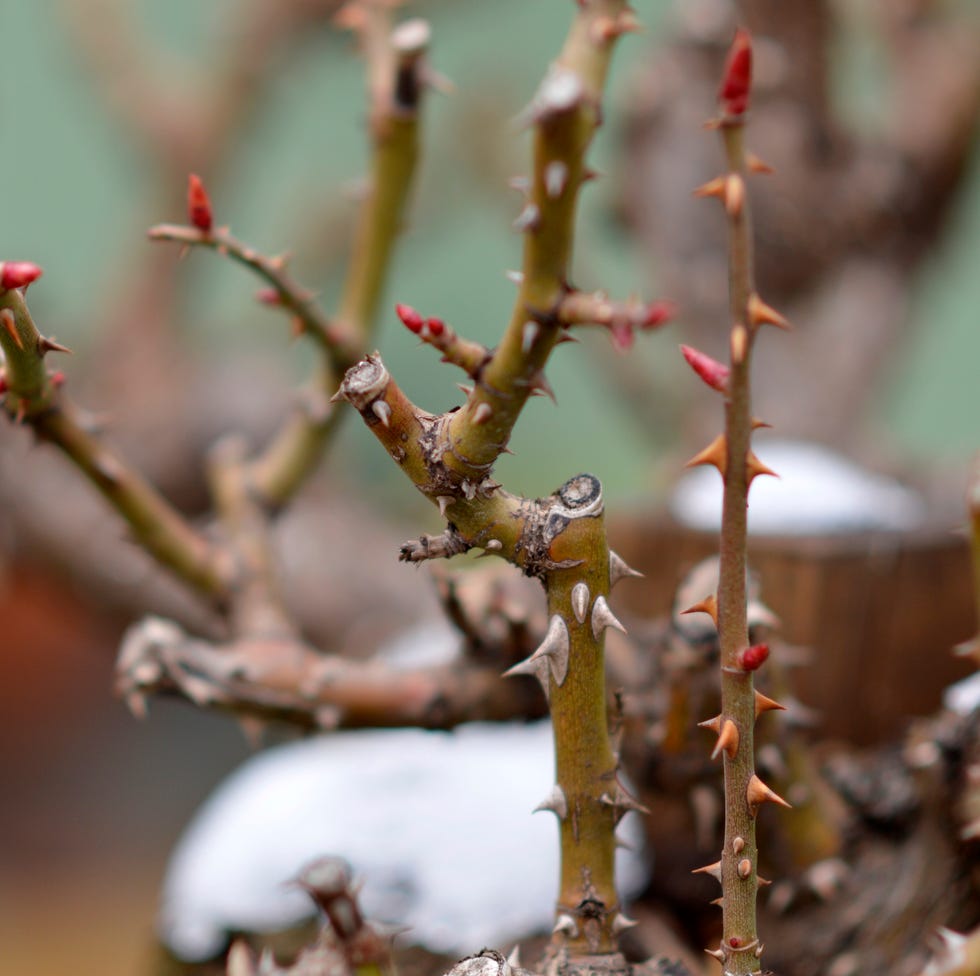
• ‘Make sure to remove any “snags”, the short, dead lengths of a stem with no growth. These aren’t likely to produce any flowers and can harbour disease, so best to remove any so that they don’t interfere with new growth,’ warns Paul.
• Clear away prunings and fallen leaves to help keep diseases in check.
• Weed and lightly loosen the soil around each plant.
• ‘As the weather starts to warm, feed with a balanced rose fertiliser before adding a mulch of well-rotted organic matter or compost,’ says Julian.
• ‘For climbers, take a moment to check and replace ties so stems are secure but not pinched,’ advises Julian.
Follow House Beautiful on Instagram, TikTok and Pinterest
Comments are closed.