
By Kelle Rankin-Sunter
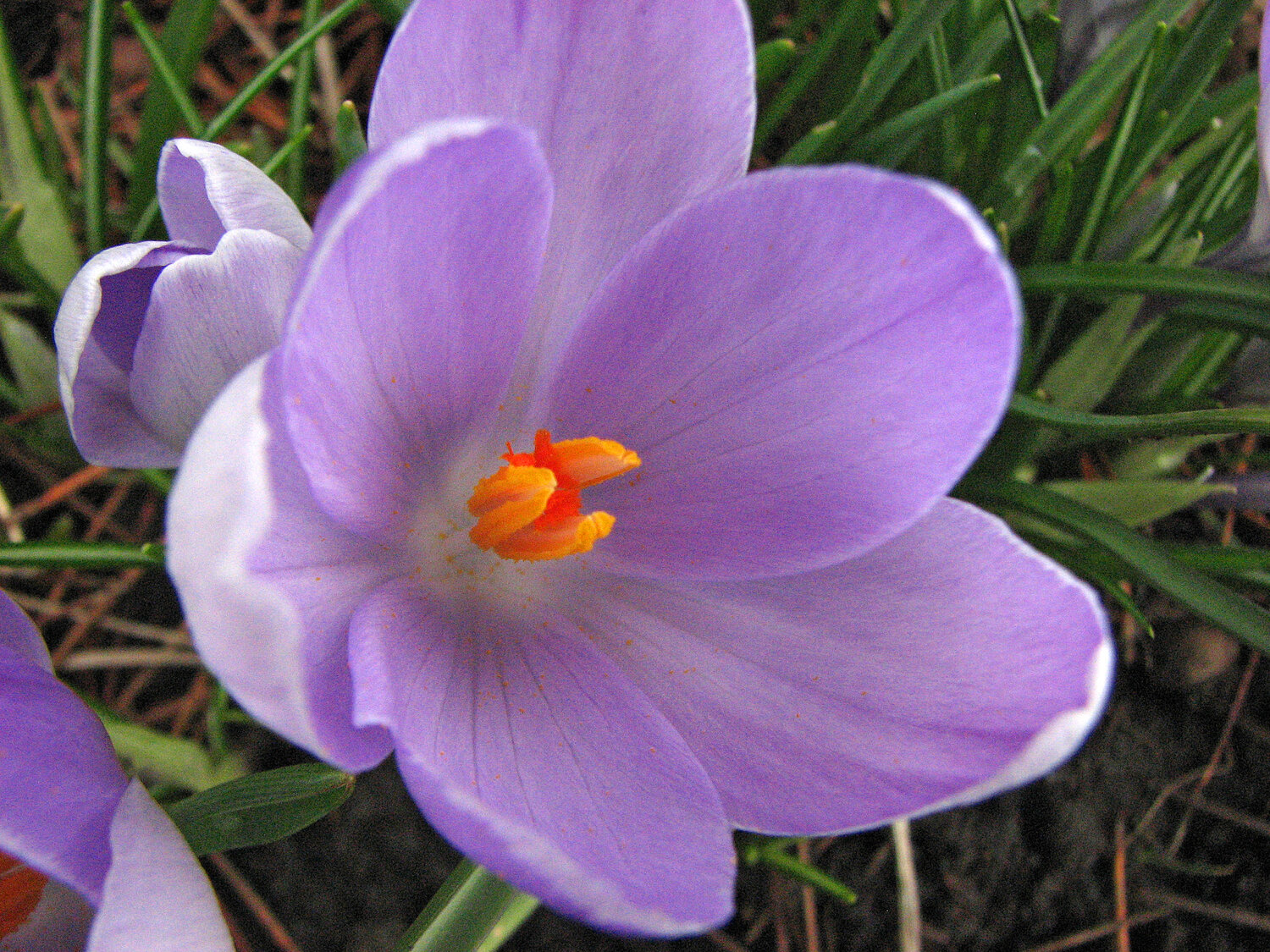
Daylight saving time starts on March 8. The spring equinox — the 50/50 day — will be March 20. These dates are a gardener’s final affirmation that the snowdrops, crocuses and daffodils in the yard aren’t premature but right on schedule. The itch to start planting those carefully curated seeds in January becomes almost unbearable.
There are a few guidelines that a gardener needs to keep in mind as they watch the temperature slowly climb, the weather seesawing between below freezing temperatures and warmer, rainy days. All the while, the occasional bloom pops out to remind us that spring really is just around the corner.
Seeds have specific temperatures at which they will germinate. This is a non-negotiable reality. Pumpkin and bean seeds will not germinate in cold damp soil. They will rot.
Seed packets will usually include instructions on what time of the year the seeds can be planted. While they don’t get technical about exactly what temperature the soil should be, the timing recommended takes into account your area and the time of year for last frost, which estimates the soil and average air temperatures when the new seedling will emerge. A general rule of thumb is that hot weather plants — like beans, melons, summer squash, eggplant, corn and tomatoes — all require warmer soil to both germinate and thrive.
So what can we plant now? Well, luckily there are quite a few choices that will not only germinate in our cool weather temperatures but will thrive and grow, producing harvests as early as April.
When it comes to preparing the seed bed, the best results can be derived from a moderately well-prepared soil in which the roots can anchor themselves deep into the soil to support their future size. A good starter option is a bed that has the top 2 inches as a highly friable soil with moisture-holding capacity. Once the seedling stretches its roots into the soil, it will be strong enough to manage a less friable soil. But for the best results, try for a bed with friable soil about 12 inches deep, which supports most vegetables as their roots rarely extend much deeper.
To eliminate the need to dig the bed yourself, encourage worms to move into your garden bed. This can be done by regularly adding well-chopped organic material to the surface of the soil, or digging it into trenches so that it is about 4 to 6 inches below the soil. The worms will find the feast, digging throughout your bed as they excrete valuable fertilizer right where you want it — at the root zone of your plants. Twelve-inch raised beds placed on several layers of cardboard can be created in one afternoon and will have an added advantage of warming quickly and draining well.
If you’re looking for seeds to plant now, this is a great time to plant snow peas. I always plant plenty but most of them never make it to the kitchen. They become my snacks while I am working in the spring garden. Other plants that are reliable in our cool, wet soil include leafy greens like spinach, lettuce, kale, Swiss chard and Asian vegetables like bok choy. These also work well in our climate as year-round crops, if you provide some shade on warm summer days. Supply yourself with year-round greens which are inexpensive and nutritious. Root vegetables can also be planted now, as well as radishes, beets, carrots, turnips, rutabagas and more.
For protection, I recommend the use of floating row covers made from spun-bonded polypropylene “fabric” to trap heat and moisture. Row covers also dissipate heavy rainfall into a mist underneath, and protect seedlings from disease and damages inflicted by insects, birds and rabbits.
Other gardening tasks for March include trimming bushes and ornamental grasses, pulling back mulch from tree trunks and checking for rodent or rabbit damage on the base of shrubs or trees. Weed now before those perennial weeds get any bigger.
Kelle Rankin-Sunter is founder of Blaine CORE, which holds free home and gardening classes in Blaine. Rankin-Sunter can be reached at fruit@Blaine-CORE.com.
Comments are closed.