
Key Points
Wood ash can be used as a fertilizer for spring bulbs if your soil is not too alkaline.Integrate wood ash by raking it into soil in winter, giving plenty of time for the salt in it to break down.You can also use wood ash to repel slugs and in compost mulch for vegetables.
We’re big fans of a DIY fertilizer, but making sure you use the right supplements for your soil is crucial.
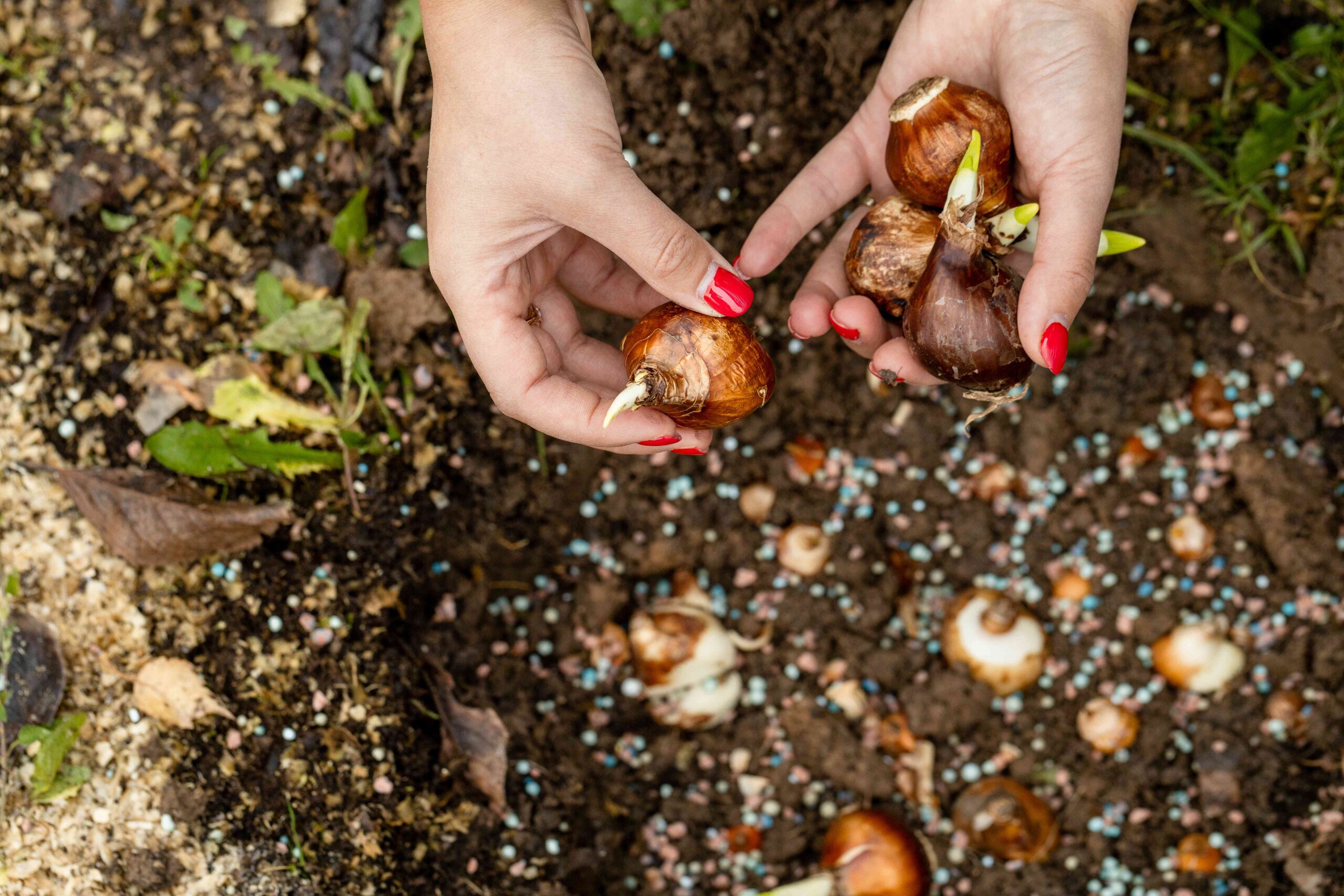
Whether it’s a byproduct of a wood-burning fireplace or a stove, ash can be helpful around the garden—but should you be using wood ash as a spring bulb fertilizer this season?
The short answer is: It depends. Here’s your definitive guide to when you should (and shouldn’t) use it.
Meet the Expert
Angelika Zaber is a lawn care specialist and gardening expert at Online Turf.
Lindsey Chastain is a gardening and sustainable living expert, and the founder of homesteading website The Waddle and Cluck.
Does Wood Ash Help as Bulb Fertilizer?
Fertilizer can help supplement your bulbs with nutrients lacking in your soil, and some gardeners like to use wood ash as an alternative to store-bought varieties to increase their soil’s pH.
But before you incorporate wood ash into your garden, homesteading and gardening expert Lindsey Chastain says testing your soil is essential.
“Wood ash has no nitrogen in it, which most plants need, but it does have potassium and calcium,” she explains. “However, if your soil test comes back alkaline, don’t use wood ash.”
Wood ash also contains magnesium and phosphorus, giving it a composition that supports flower development, root growth, and photosynthesis— and when used in moderation, it can work well for alkaline-loving bulbs such as tulips, crocuses, and daffodils.
How To Integrate Wood Ash Into Your Soil
If you’re planning to use wood ash to support your spring bulbs, it’s important to start early. According to gardening pro Angelika Zaber, now is the perfect time to jump on soil prep, and you only need one tool to help.
“If you want to integrate wood ash directly into your bulbs’ soil, do it in the winter, and then rake the area,” she says “This will allow any compounds in the ash that could be harmful to your plants—for example, salt that will scorch their leaves—to react with the moist soil, preventing damage.”
Warning
Make sure the wood ash you use is from burning unpainted and untreated wood to prevent chemicals from impacting your plants.
Other Uses for Wood Ash Around the Garden
Aside from as a fertilizer, wood ash has plenty of other uses around the garden—and our experts each have a go-to way to utilize the material in their own outdoor spaces.
“One of my favorite ways to use wood ash in the garden is to add it to my compost pile,” Zaber explains. “Then, the alkaline compost produced can be used as mulch around most of my plants and vegetables.”
Chastain, on the other hand, prefers to use wood ash as a pest prevention tactic.
“The main thing I use wood ash for is a slug deterrent,” she shares. “I keep it at borders and away from the bases of plants—but it does have to be reapplied often.”
If you plan on using wood ash as a DIY slug repellent like Chastain does, make sure to sprinkle a new ring around your plants any time it rains or after watering, and don’t apply it too close to your more acid-loving varieties.
Comments are closed.