
Key Takeaways
Raking leaves before spring and pulling every weed are old gardening practices that don’t help soil health.Opting for native plants over exotic ornamentals is more practical and beneficial.Gardeners also believe it’s time to stop installing irrigation systems and the plants that require them.
Just because something has always been done a certain way does not mean it’s the best way. Going against the status quo often has its benefits, especially in the world of gardening. As new research emerges in this field, it’s important to adapt our gardening practices accordingly.
Here, three professional gardeners weigh in on which antiquated gardening rules it’s time to give up ahead of the 2026 growing season.
Meet the Expert
Jason Skipton is the executive director of Growing Gardens in Portland, OR.
Mary Phillips is the head of native plant habitat strategy and certifications at the National Wildlife Federation.
Chris Cerveny is the co-founder and head of product and innovation at Just Good Soil.
Raking and Disposing of Leaves in the Fall
Any home gardener who likes indulging in procrastination will love to hear this one. Chris Cerveny, co-founder of Just Good Soil, recommends holding off on raking your leaves immediately.
“Resist the temptation to clean up leaves until pollinators have completed their lifecycles,” he says. “We risk killing them if we clean up too early in the season.”
And on a similar note, he says raking your leaves out of your garden beds and disposing of them is actually pretty wasteful since they are valuable organic matter that can contribute to soil health. Instead, he suggests raking them all into a garden or compost pile, or saving them in paper bags for future use.
Planting High Maintenance Container Gardens
Credit:
doble-d / Getty Images
According to Mary Phillips, who works in native plant habitat strategy at the National Wildlife Federation, it’s time to put high-maintenance container gardens to rest and prioritize plants that naturally thrive in your region with minimal intervention.
“The trend of elaborate container gardens featuring a mix of annuals, tropical plants (in non-tropical zones), and plants requiring frequent watering, fertilizing, and deadheading is becoming less popular,” she says. “These containers can demand significant time and resources, especially water.”
Adding Fertilizer Directly to Prepped Hole
Jason Skipton, executive director of Growing Gardens, says to skip adding fertilizer directly into a whole you’ve just prepped for a tree or shrub.
To promote healthy root development when planting, he recommends adding fertilizer (or compost) to the top of the soil so your plant can receive a consistent stream of nutrients.
“People tend to think that putting more fertilizer near a plant’s roots will make it easier for that plant to get the nourishment it needs,” he says. “However, when the food source or fertilizer is too close to the roots, it can prevent the roots from extending outward to seek food and water. This ultimately stunts the plant’s growth and can lead to root-bound plants that are susceptible to poor growth and wilting.”
Killing All Weeds
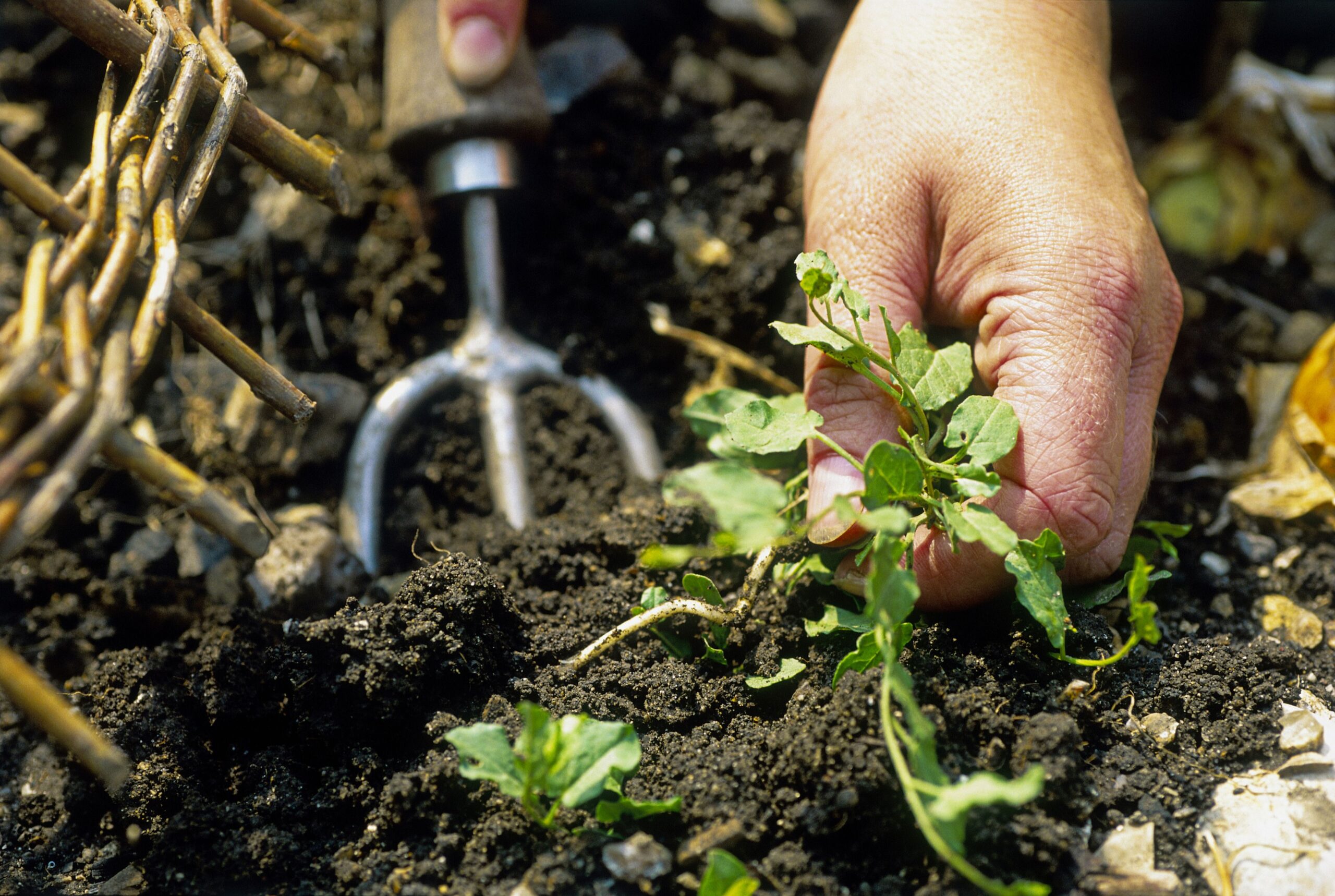
Here’s a hot take. Cerveny says we all need to stop viewing weeds as a garden’s number one enemy.
“I’ll confess that I used to spray my weeds because I convinced myself that it was easier than hand pulling,” he says. “I only do this now on my most aggressive, invasive weeds as a selective tool. Now that I follow regenerative gardening practices, I see my weeds differently; they are valuable contributors to soil health.”
Installing Irrigation Systems
Credit:
The Spruce / Kevin Norris
Before investing in an irrigation system, you might want to invest in new plants instead. Phillips says if your garden needs an irrigation system, it’s probably a sign that your landscaping contains plants that require too much water for your native region.
“With growing awareness of water conservation and scarcity, landscapes are shifting away from plants with high water requirements and wasteful irrigation systems,” she says. Drought-resistant native plants and rainwater harvesting are becoming more popular.”
Relying Too Much on Chemical Fertilizers and Herbicides
Synthetic chemical fertilizers and herbicides are convenient ways to tackle problem areas in your garden, which Skipton believes has led to an over-reliance on them.
“The practice of using an overabundance of chemicals in your yard has negative impacts that can last years,” he says. “The idea that these quick-fix chemicals are good for our gardens is outdated and harmful to the environment, to the garden, and to the people enjoying its harvest. My advice is to ditch the chemicals, pick up the weeding fork, and start making your own compost.”
Comments are closed.