
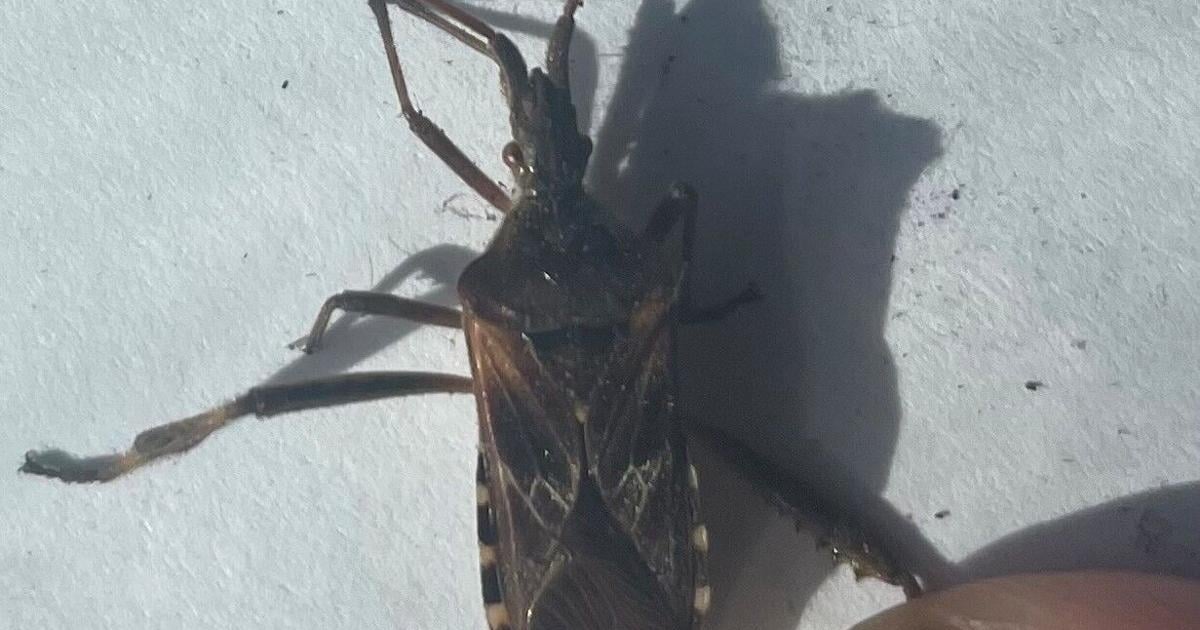
I have been seeing more squash bug-looking critters in our home this winter, and I have heard there are stink bugs that look similar and would likely be found overwintering in cabins. I have friends who also live in a log cabin structure and claim they have these cabin stink bugs hanging around. I looked up their photos on the internet. The ones we keep finding are apparently the bugs that lay eggs on our squash plants in the summer, now coming inside to stay warm, commonly known as squash bugs. No surprise, I guess.
So, what are the distinguishing features? Squash bugs are narrower, flat-backed and dark-grey or brown. As we know, they feed and lay eggs on squash or pumpkin leaves in the summer months. Stink bugs, on the other hand, have a wider, shield-like shaped body and feed on a variety of fruits, including tomatoes and legumes. Stink bugs can be brown, green or mottled grey. Squash bug eggs are bronze and laid in clusters on the underside of a leaf.
Brown marmorated stink bugs are considered invasive and were introduced in the USA from China. They were first reported in Pennsylvania in 2001 and currently are known to have spread to around 41 states. They lay 20-30 eggs on the underside of a leaf. The nymphs emerge in four to five days and are orange or red in color, some say they are tick-like in appearance. In the fall, adult stink bugs find homes or shelters to overwinter. They will release a pheromone at the entry point to attract the rest of the gang.
But the bug we really don’t want to see in our homes is the triatomines. There is a varied group of these ‘deadly kissing bugs’ spread across 29 states, excluding Idaho, but including three adjacent states. True kissing bugs have a flattened, elongated body, a narrow cone nose and distinct red-orange markings along the edge of their abdomens. If you think you see one, do not squish it or let it bite you. It can cause itching, swelling or a possible allergic reaction. The bugs’ feces can cause Chagas disease, and these bugs don’t hide in your zucchini, but in your bed mattress. Yikes! They are easier to identify as many of them have a bit of orange or stripes.
Other bugs that may be mistaken for these above mentioned bugs are the wheel bug, boxelder bug, western conifer seed bug or the masked hunter. The wheel bug is bigger than most, an inch or more and has a cogwheel-shaped crest on its back; they are beneficial predators, but don’t pick one up, as it can have a painful bite. The western seed bug has distinctive, widened leaf-like structures on its hind legs. Boxelder bugs have bright red, long stripes on their wings and thorax. The masked hunter is black and is a beneficial predator that eats pests like bed bugs.
Some of this list does not bite, but it is good to learn to identify them and not to pick them up until you do. Next time you find yourself about to complain about your squash bugs, well, count your blessings; it could be worse.
Linda Morrison, a University of Washington graduate, lives in Kamiah with her husband, Jim. They enjoy gardening, canning, camping, berry picking and spending time with their grandchildren.
Comments are closed.