
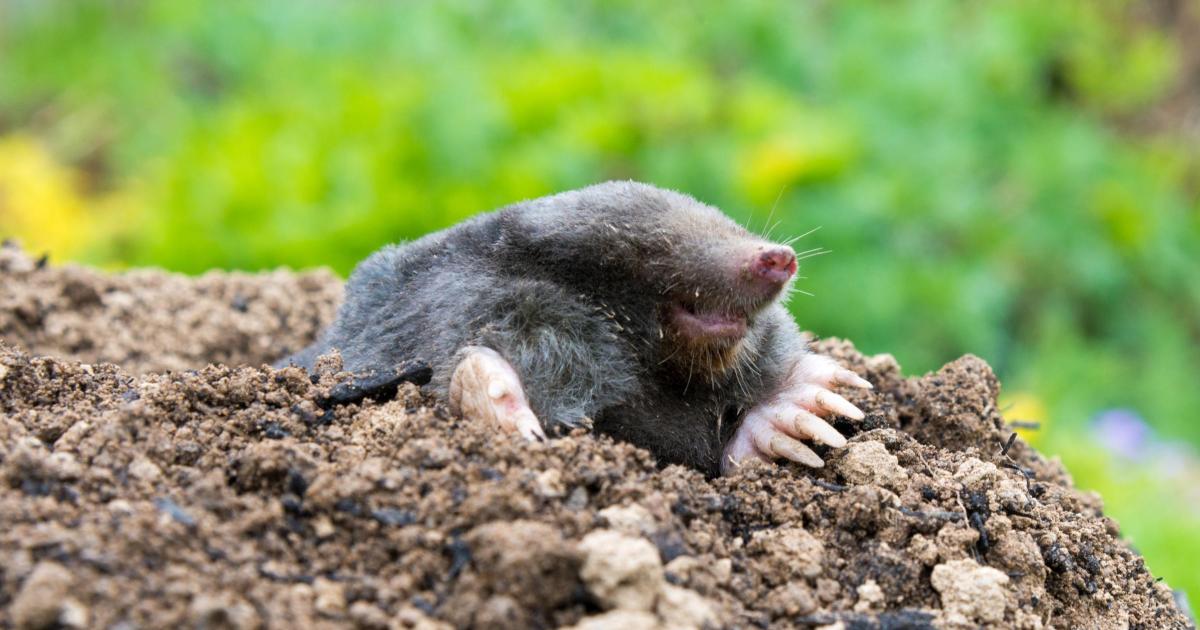
The damp environment, while beneficial for these creatures, often leads to lawn damage, including the formation of molehills, worm casts, and patches of thinning grass.
The damage is a result of garden dwellers being more active during and after periods of persistent rain.
Johnsons Lawn Seed experts have shared some advice for spotting signs of garden pest activity.
Gardeners might observe raised ridges and soil heaps appearing overnight – a clear sign of mole activity.
Moles tunnel through lawns in search of insects and worms, and while they do not eat grass, they can disturb roots and create uneven ground.
The experts recommend removing molehills and flattening tunnels before reseeding affected areas.
Moles can be encouraged to move on using humane deterrents like sonic devices or natural repellents.
In the case of worms, wet weather is known to be a primary trigger for increased activity.
If gardeners notice small cast-offs – tiny piles of fine soil – on the lawn surface, especially in damp weather, it’s likely due to worm activity.
The nutrient-rich, bare soil in a smeared worm cast provides a perfect seedbed for weeds and moss to germinate and take hold.
The experts advise allowing the worm casts to dry before brushing or lightly raking them back into the grass.
Slugs are also significantly more active during wet conditions due to the high humidity and moisture, which they need to survive.
Heavy infestations can result in ragged edges and holes in grass blades, while thin spots and areas where new growth seems to vanish overnight can also be attributed to slug activity.
Johnsons Lawn Thickener is the ideal solution for reviving tired, thinning lawns and creating a denser, healthier sward in record time.
Comments are closed.