
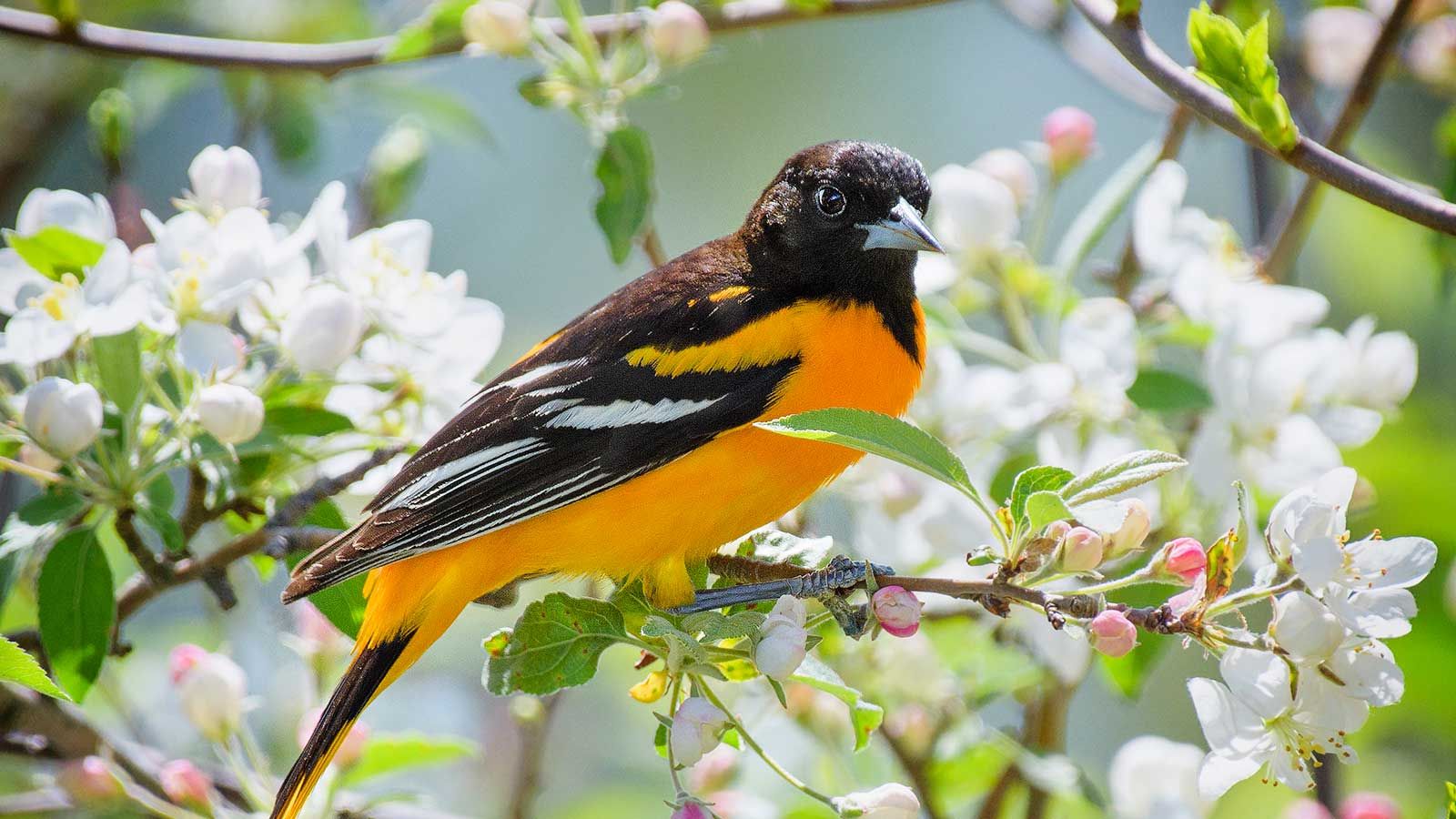
With avian flu still circulating in wild and backyard birds across the US in 2026, gardeners are being advised to rethink traditional bird feeding. Bird feeders and baths can attract large numbers of birds, increasing the risk of virus spread if hygiene slips or infected birds visit.
To slow transmission, some wildlife agencies, including the Texas Parks and Wildlife Department, have recommended temporarily removing feeders and bird baths. While this may feel counterintuitive, reducing close interactions between birds can help protect your local wildlife.
You may like
(Image credit: stanley45 / iStock / Getty Images Plus / Getty Images)
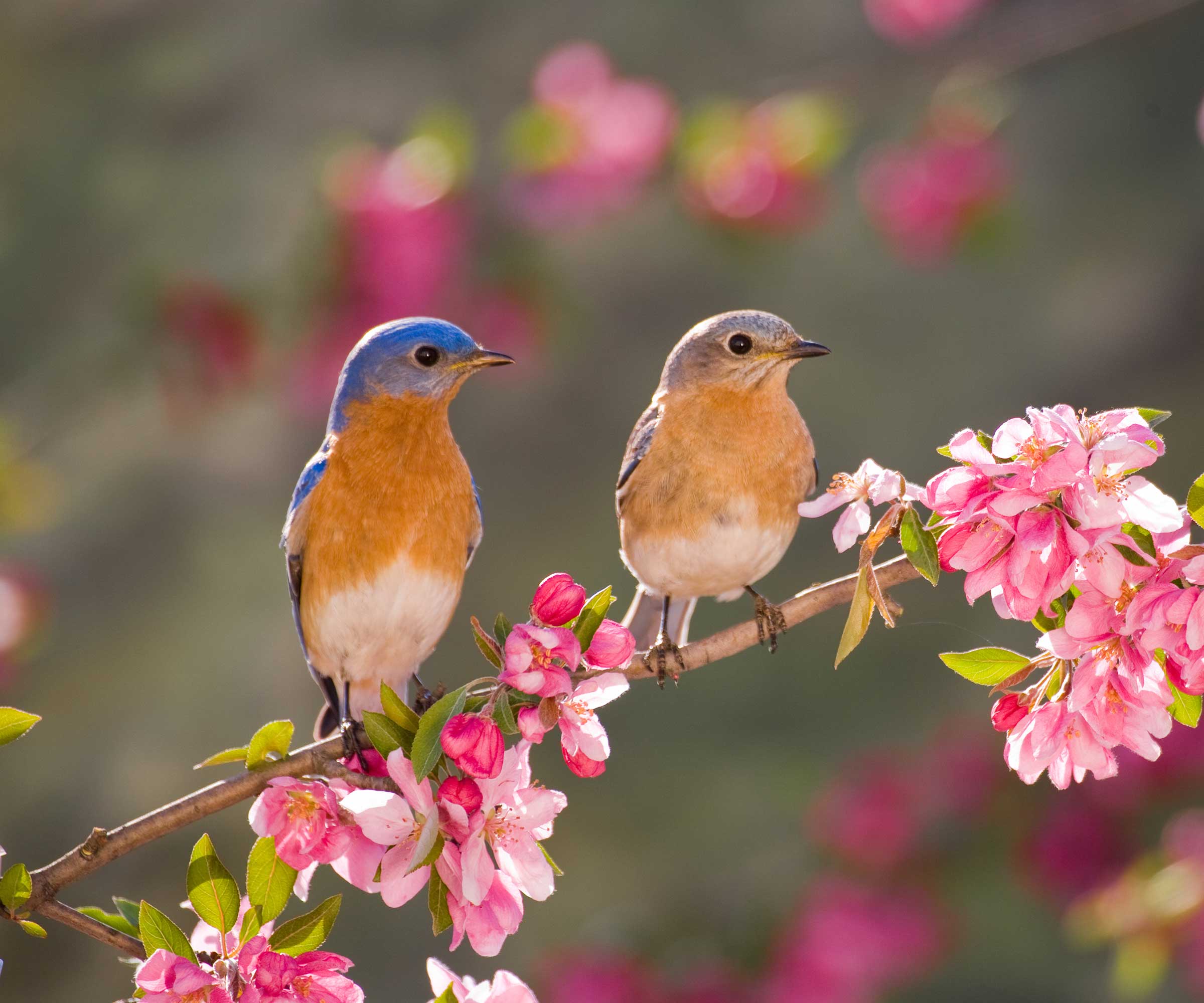
Alternatives to a Traditional Birdfeeder
In light of the ongoing avian flu situation, many gardeners are asking: should I take my bird feeder down?
‘The answer to this depends on where you live,’ says Reese Robbins, garden expert and creator of Just Pure Gardening. ‘Bird feeders can become a hotbed for infection and bacteria, but you should always follow the advice of your local government office. However, traditional bird tables or flat tray feeders can invite birds to gather, and at a time when bird flu is on the rise, this is not the best approach.’
Whilst bird flu is still circulating in wild and backyard birds across the US, reducing crowding at feeding sites is especially important. So, if you’re concerned about infected bird feeders, there are safe alternatives. Here are three expert-recommended ways to keep birds nourished and healthy in your garden this year.
1. Fill Your Borders With Nectar and Berries
(Image credit: Roberto Colino / Alamy Stock Photo)
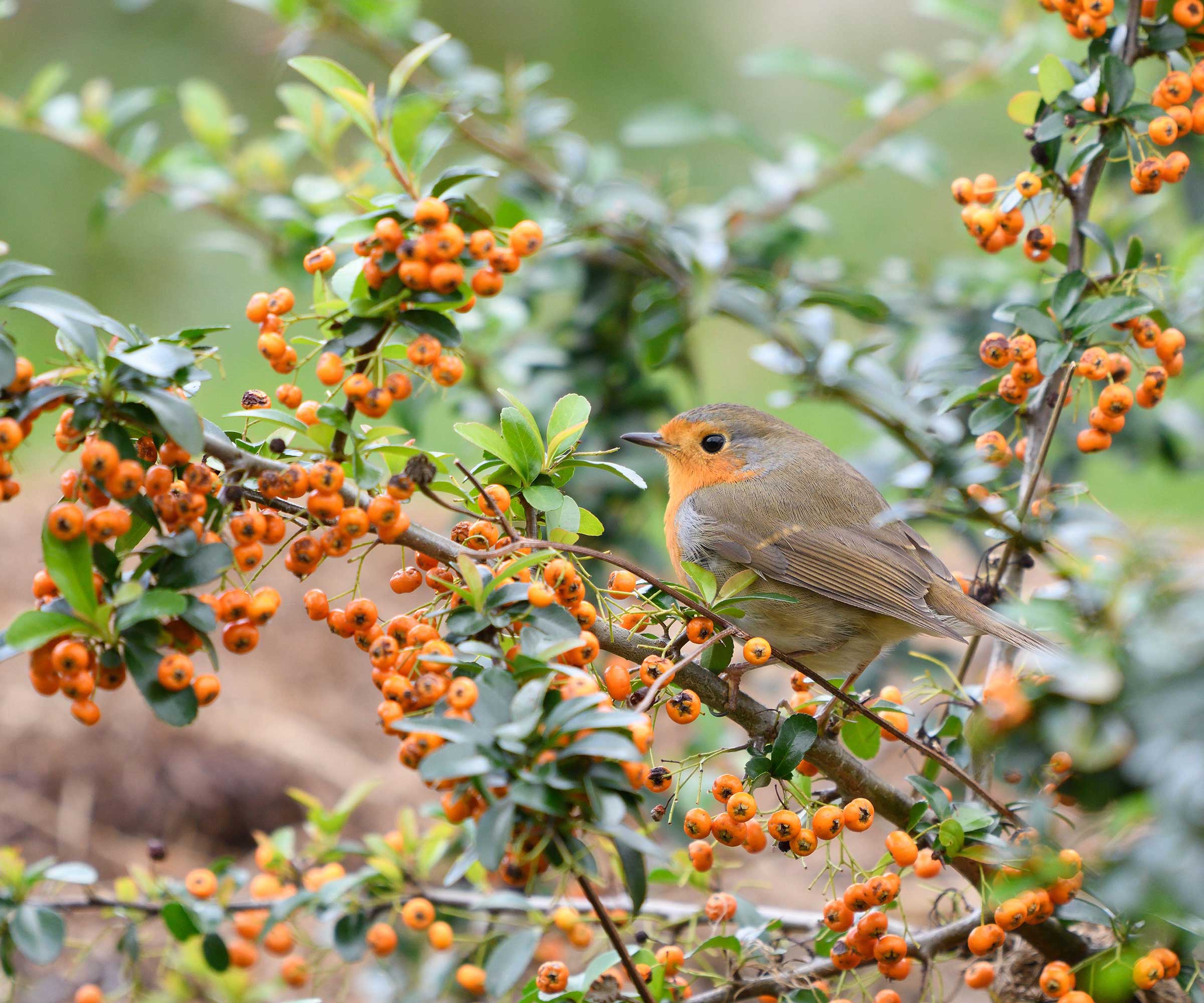
‘The simplest and easiest bird feeder alternative for any gardener is to grow plenty of native plants,’ says Maren Gimpel, bird expert and Associate Director Foreman’s Branch Bird Observatory at Washington College, Maryland.
‘Native plants provide a natural food source for birds. Whether it’s the berries of viburnum for thrushes or seeds of coneflowers for finches, what you choose to plant can improve the lives of birds,’ Maren adds.
‘Consult your local master gardener or look online for the plant species best suited to your region and US hardiness zone, but selecting three or four native species will undoubtedly prove popular with local birds.
The bird flu outbreak is an evolving situation, and the severity varies regionally, so be sure to check with local sources for guidance in your area.’ For updates, consult the US Department of Agriculture website.
What to read next
As Maren says, native plants that produce berries and seeds are a surefire way to keep birds content. Having plenty of different species growing in various locations around your yard allows birds to feed in isolation, rather than concentrating at a single source; a simple way to reduce disease risk.
For fruiting plants, consider North American blueberry bushes, which are widely available as starter plants. For native perennials, blue vervain (Verbena hastata) is a versatile, long-flowering option that attracts birds, bees, and butterflies and thrives down to USDA zone 5.
Other great native options include Elderberry (Sambucus canadensis) for birds that enjoy berries, and black-eyed Susan (Rudbeckia hirta) for seeds and pollinator support. You can find black-eyed Susan seeds at True Leaf Market.
Native blue vervain seeds are available from Amazon, and elderberry or black-eyed Susan starter plants are available from many local nurseries and online retailers. By planting a mix of these species, you can create a natural, low-risk feeding environment that supports wildlife year-round.
 Maren Gimpel
Social Links Navigation
Associate Director Foreman’s Branch Bird Observatory at Washington College
Maren is Associate Director at Washington College’s Foreman’s Branch Bird Observatory where she bands birds for both migratory and breeding studies. A bander since 2002 and a birder for over 25 years, Maren is a North American Banding Council certified bird bander and trainer, and secretary of the Eastern Bird Banding Association. Before coming to Washington College, she worked on avian research projects from migration banding Nova Scotia to breeding biology of hummingbirds on the island of Tobago.
 Reese L. Robbins
Social Links Navigation
Creator of Just Pure Gardening
Reese L. Robbins is the founder of Just Pure Gardening, a site full of fruit and vegetable growing guides, garden ideas, and garden product reviews.
2. Encourage Insects and Bugs
(Image credit: Alamy)
‘While caution is understandable with regards to bird flu, halting wild bird feeding entirely can harm our feathered friends, especially when they’ve come to rely on us during lean times,’ says Siobhan Shaw, sustainable gardening expert and founder of Growing to Give.
‘One way you can help is to grow their buffet by boosting biodiversity in your yard,’ Siobhan adds. ‘Birds love insects and bugs, so learning how to make a bug hotel or leaving wild areas full of rotting material, logs and leaves is always a good idea. Here, beetles and worms will thrive, providing plenty of feeding opportunities for birds.
‘You can even buy mealworms from local stores, scattering them around wood piles or under shrubs.’ Mealworms are also great for dealing with common garden pests, such as aphids, mites and caterpillars. You can order live mealworms and beetles online from Amazon.
‘Birds are resourceful, but with a little effort, we can help them thrive all year round,’ Siobhan says. ‘By creating a wildlife-friendly garden, you’re not just feeding birds, you are building a healthier, more biodiverse ecosystem.’
This bamboo bug and bee hotel from Target would look beautiful hung on a balcony.
 Siobhan Shaw
Social Links Navigation
Sustainable Gardening Expert
Siobhan is the co-founder of Growing to Give, a dynamic global nonprofit dedicated to transforming community-focused food security and agriculture through sustainable farming and gardening practices. Siobhan is a passionate advocate for women’s empowerment in agriculture, mentoring women who aspire to careers in the field. Siobhan also continues her decades of podcasting as the host and co-producer of the health and well-being podcast titled Real Talk.
3. Use Smaller DIY Feeders to Prevent Congregation
(Image credit: Shutterstock/Kuttelvaserova Stuchelova)
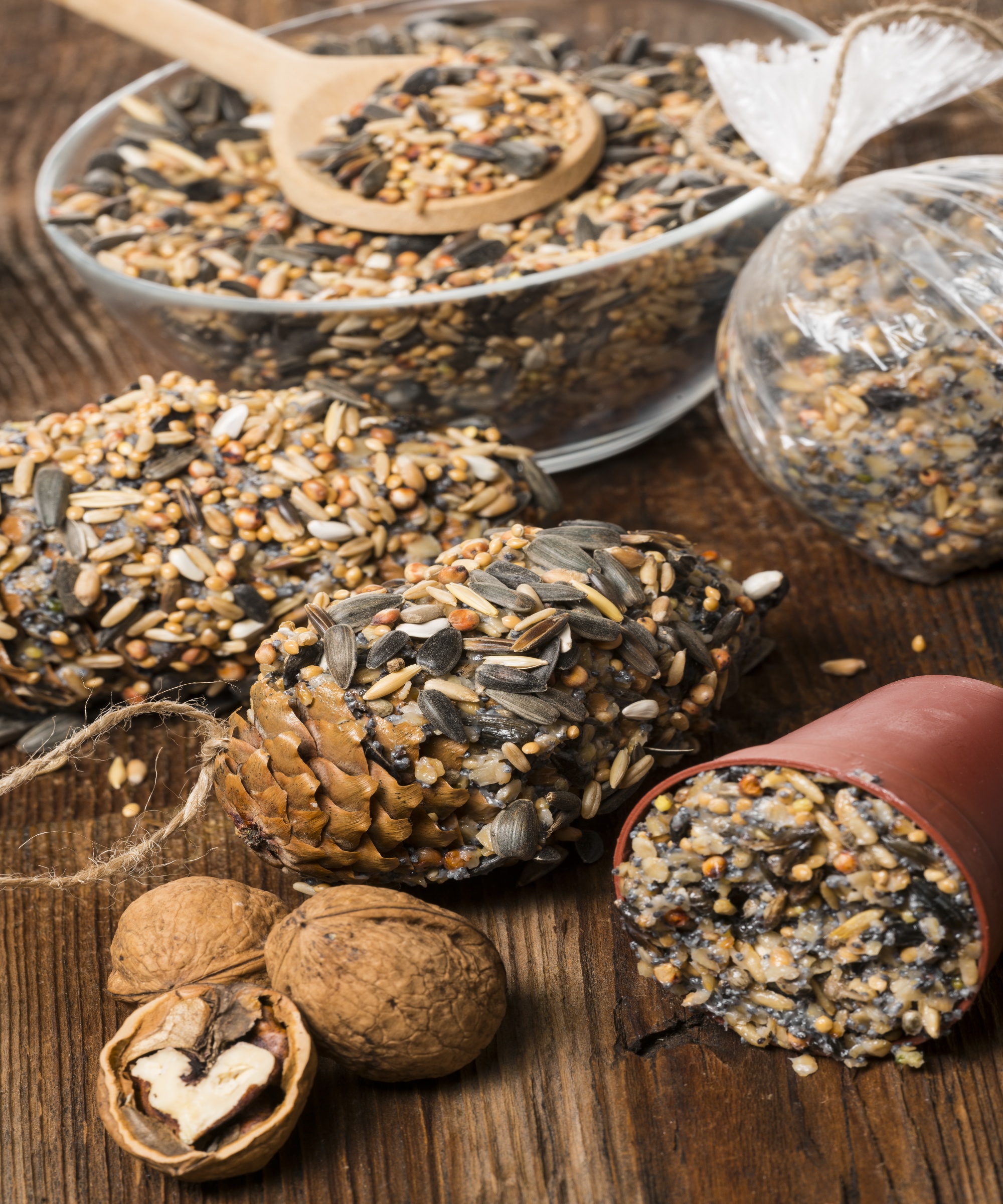
‘Rather than use traditional flat or open feeding stations, it would be better for gardeners to hang fat balls or small suet feeders in trees,’ says Kamil Smith, bird and wildlife expert and owner of OnTheFeeder.com.
‘Doing so will prevent interaction between birds, as these smaller feeders or individual fat balls are small enough to only allow one bird to use them at a time.’ You can find suet balls at Amazon.
If you want to try creating natural bird feeders yourself, consider mini seed cylinders made from cardboard tubes. Simply fill a clean toilet-paper or paper-towel tube with a mix of lard, peanut butter, and seeds, then cover it in birdseed (which you can find at Target). Hang the tubes individually from branches using string, spacing them widely around your yard.
This method works much like the coconut shell feeder, but the tubes are lightweight, biodegradable, and easy to replace. Placing several around the garden encourages birds to feed in isolation, helping minimize interaction and reduce the risk of disease spread.
 Kamil Smith
Social Links Navigation
Birding Expert
Kamil is a birding expert and owner of OnTheFeeder.com. His passion for backyard bird watching began in childhood, spending time with his grandmother. Today, Kamil shares the knowledge and responsible tips he has gathered over the years to help others connect with nature and enjoy the beauty of birds in their own yards.
Keeping a wild patch towards the back of your garden is always a good idea to boost wildlife and biodiversity in your area.
Even a small area with overgrown weeds, a pond and log piles will prove to be a haven for insects and birds. For more information, you might find our guide to wild gardening useful.
Comments are closed.