
Bonsai is not styling.
It is ecological compression.
In this episode, we examine 5 Native American bonsai species through their natural habitat, structural adaptation, and environmental pressure — not through trend, rarity, or aesthetic imitation.
Featuring:
Taxodium distichum — shaped by saturation and floodplain instability
Juniperus scopulorum — formed by wind exposure and high-altitude stress
Sequoia sempervirens — built by fog, vertical competition, and coastal climate
Carpinus caroliniana — refined under forest canopy and filtered light
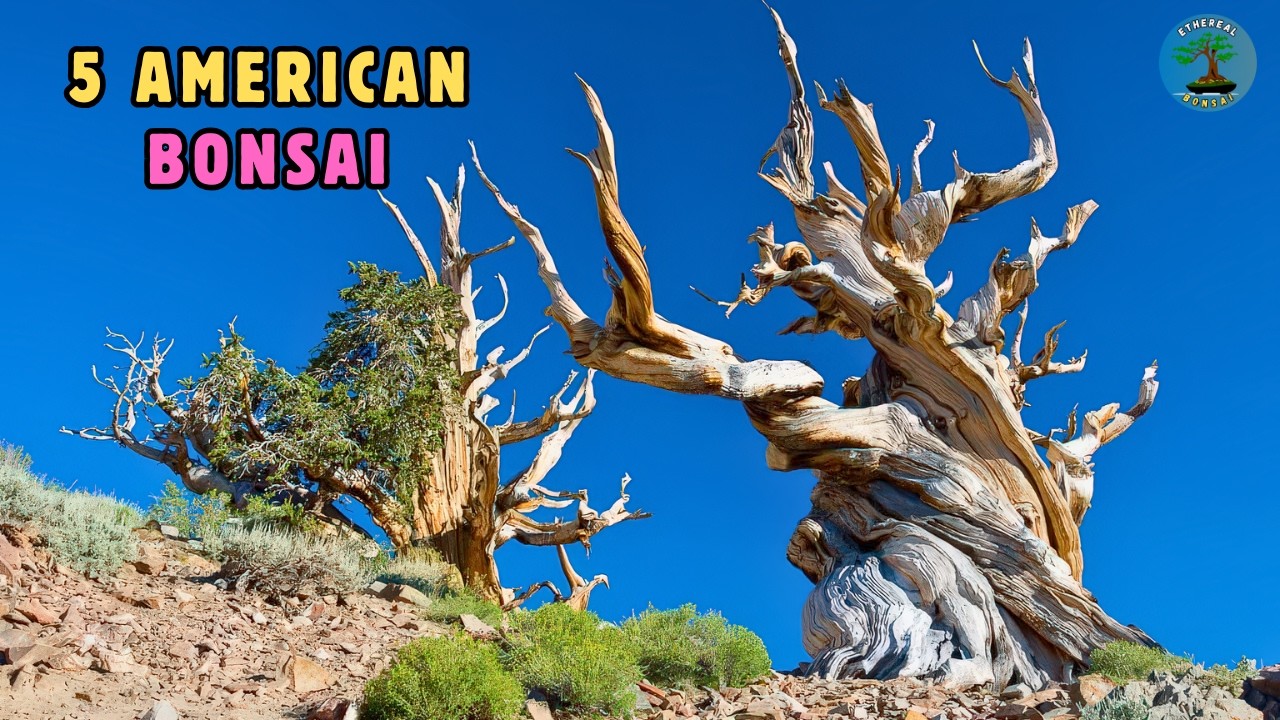
Pinus longaeva — defined by extreme elevation and geological time
This is not a list of “rare” trees.
It is an ecological study of why certain native species make structural sense as bonsai — and how habitat determines form long before human design begins.
Part of the “The Tree Before the Bonsai” framework, this episode continues Ethereal Bonsai’s long-form educational essay approach:
Ecology before style.
Structure before trend.
Origin before design.
If you value bonsai as biological logic — not aesthetic fashion — you’re in the right place.
Subscribe for deeper species analysis, museum-level case studies, and ecological breakdowns that change how you see trees in containers.
Design follows origin.
#rarebonsai
#bonsai
#bonsaitree
#bonsailovers
#bonsaiart
#bonsaiculture
#gardening
1 Comment
A stunning natural drama, presented in miniature form