
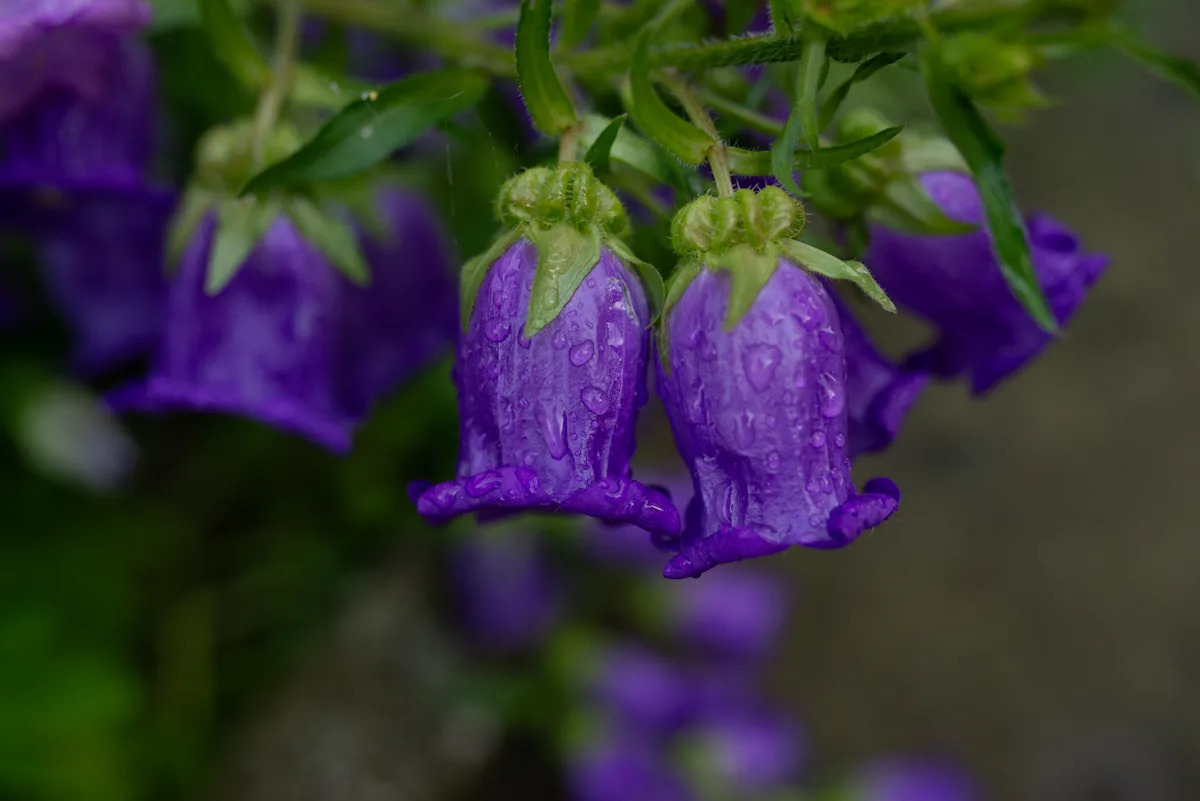
Biennials are plants that complete their life cycle over two years. In the first year, they focus on developing roots and foliage; in the second, they bloom, set seed, and then eventually fade away. They don’t always get the spotlight they deserve, especially when annuals grow beautiful blooms almost immediately, and perennials promise years of consistent yield.
But if you’re patient and just a little bit curious, biennials might become some of your favorite plants to grow. Despite their seemingly short lifespan, many biennials are generous self-seeding plants, meaning you plant once and enjoy them in your garden for years to come.
Best of all, many biennials are surprisingly low-maintenance. They grow happily in a variety of soil types, don’t need pampering, and add unique charm that bridges the seasonal gap between spring bulbs and high-summer bloomers. Here are 15 easy-care biennials worth adding to your garden.
1. Foxgloves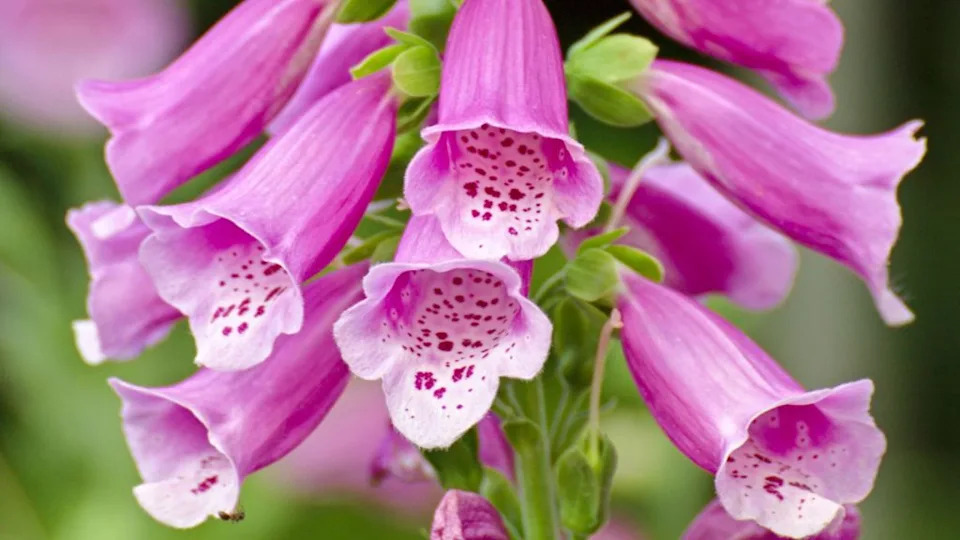
Image Credit: Deposit Photos
Foxgloves produce tall spires of tubular flowers in shades of purple, pink, white, and yellow. They’re tall, stately, and unmistakably romantic.
They’re shade-tolerant and thrive in moist, well-drained soil in USDA zones 4 to 9. After flowering, leave some plants to set seed to ensure fresh blooms every other year without fuss.
2. Sweet William (Dianthus barbatus)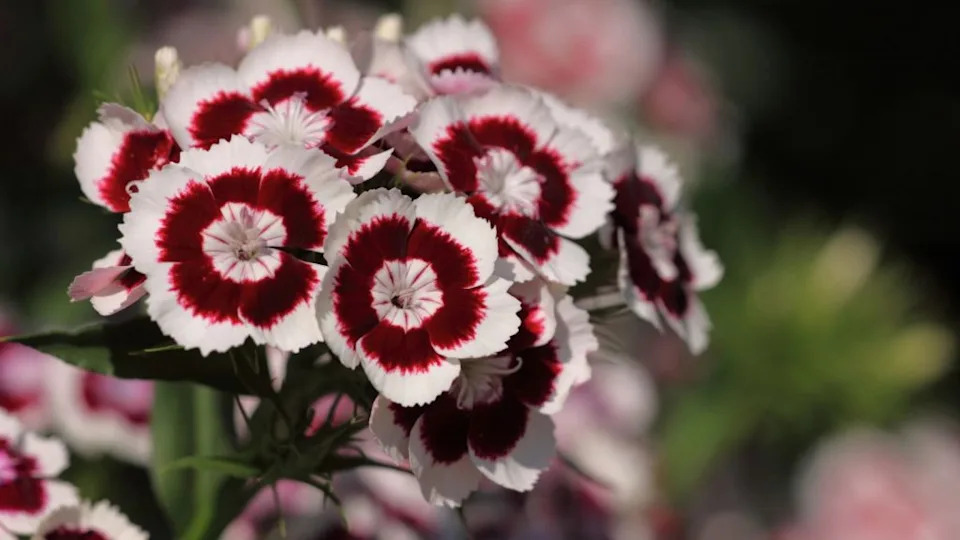
Image Credit: Deposit Photos
Sweet William offers clusters of fringed, clove-scented flowers in reds, pinks, whites, and purples. These cheerful blooms appear in late spring and early summer, thriving in sunny spots with well-drained soil.
They’re hardy in USDA zones 3 to 9 and perfect for borders or cutting gardens. Deadhead spent blooms to encourage more flowers and allow some to seed for future growth.
3. Hollyhock (Alcea rosea)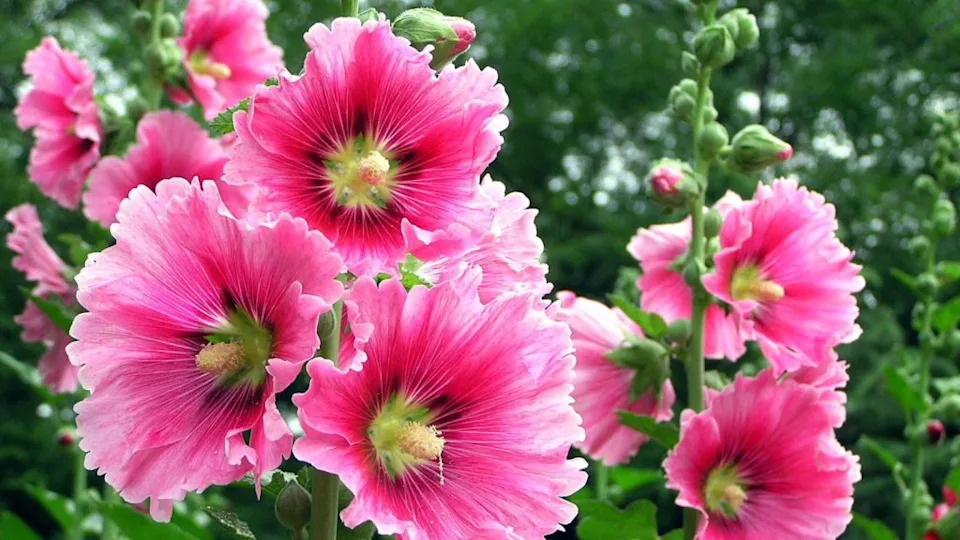
Image Credit: Deposit Photos
Hollyhocks are a cottage garden favorite that produces towering stalks with blooms in nearly every color imaginable. Though technically short-lived perennials in warm climates, they’re usually grown as biennials. They grow best in full sun and moist, rich, well-drained soil.
Hollyhocks are also suitable for USDA Zones 3–8. If you sow seeds in summer, it’ll be enough time for them to flower the following year. Provide support for tall varieties and watch for rust, a common fungal disease that affects hollyhock.
4. Canterbury Bells (Campanula medium)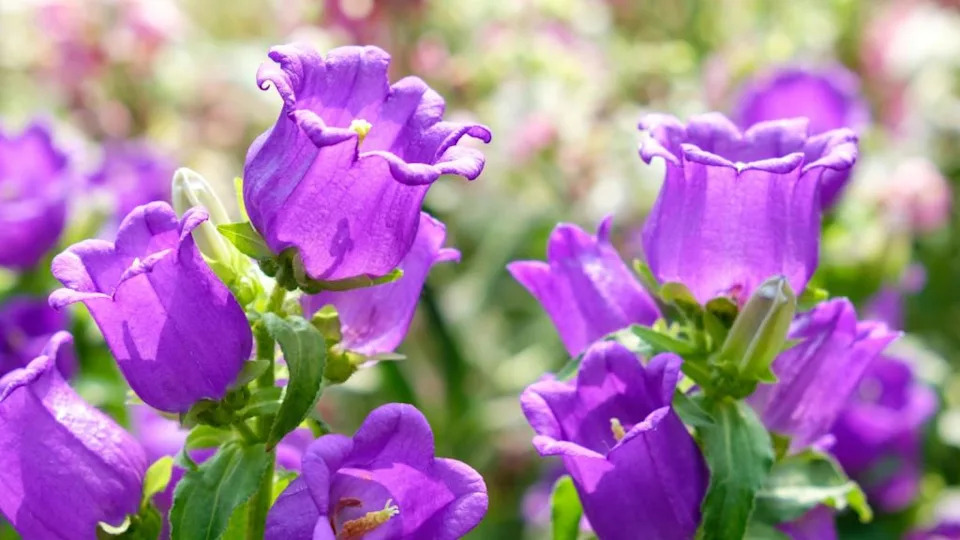
Image Credit: Deposit Photos
Canterbury bells are perfect biennials to have for borders or cutting gardens. They have elegant bell-shaped flowers in shades of blue, pink, and white.
These plants grow well in full sun to partial shade and well-drained soil.
They bloom in late spring or early summer when grown in USDA zones 5-8. Remember to stake taller plants to prevent them from flopping, and deadhead to prolong their blooming.
5. Honesty (Lunaria annua)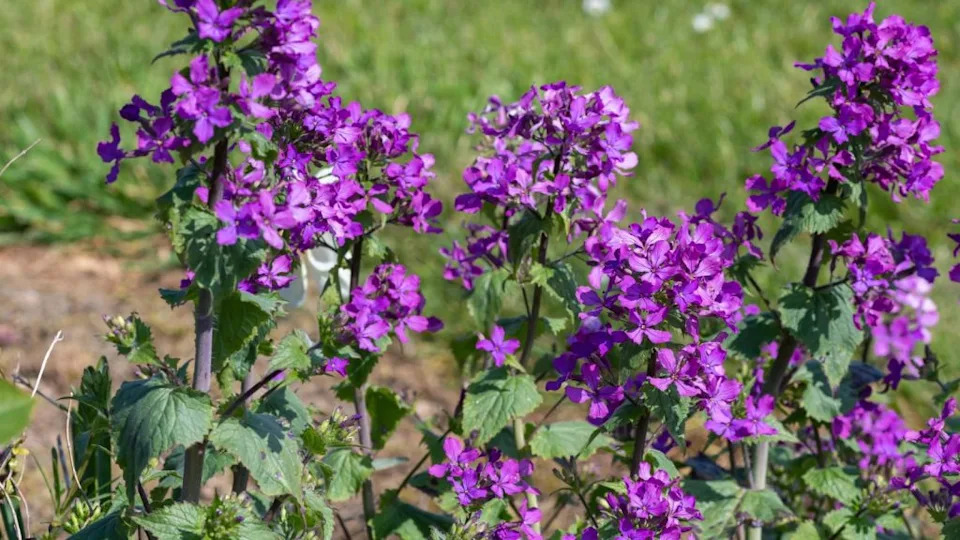
Image Credit: Deposit Photos
Honesty, also called money plant, is valued for its silvery, coin-like seedpods and clusters of fragrant purple or white spring flowers. It thrives in full sun to partial shade and tolerates most soils in USDA zones 4-8.
To get the most from the honesty plant, allow the seed pods to mature for ornamental use and self-seeding. It reseeds prolifically, creating a naturalistic effect that fits perfectly in informal gardens.
6. Black Eyed Susan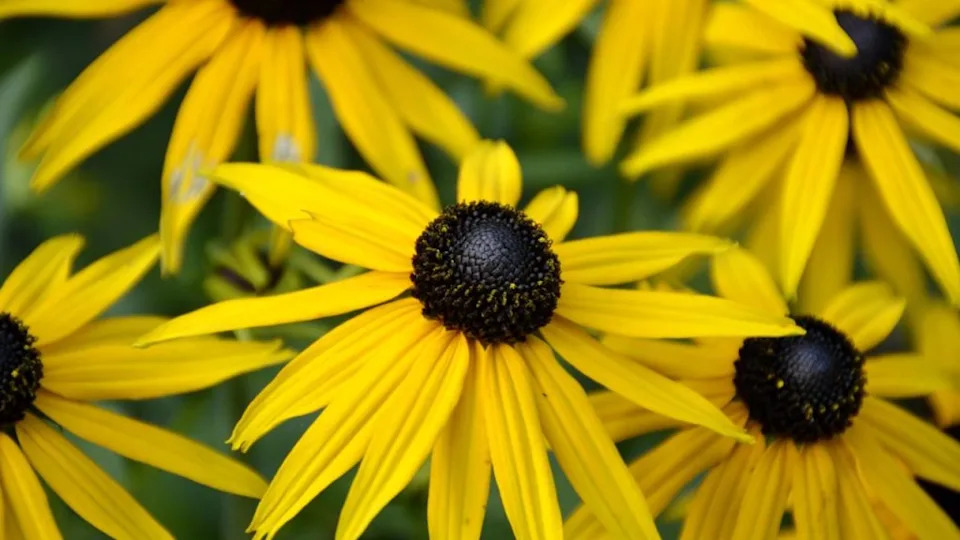
Image Credit: Deposit Photos
Black Eyed Susan is often treated as a short-lived perennial or annual, but in many climates also functions as a biennial. Its bright yellow daisy-like flowers also attract pollinators and reseed easily.
Black-Eyed Susan thrives in full sun and well-drained soil in USDA zones 3 to 9. Sow the seeds in spring or fall and deadhead to encourage continuous blooming.
7. Verbascum (Verbascum thapsus or hybrids)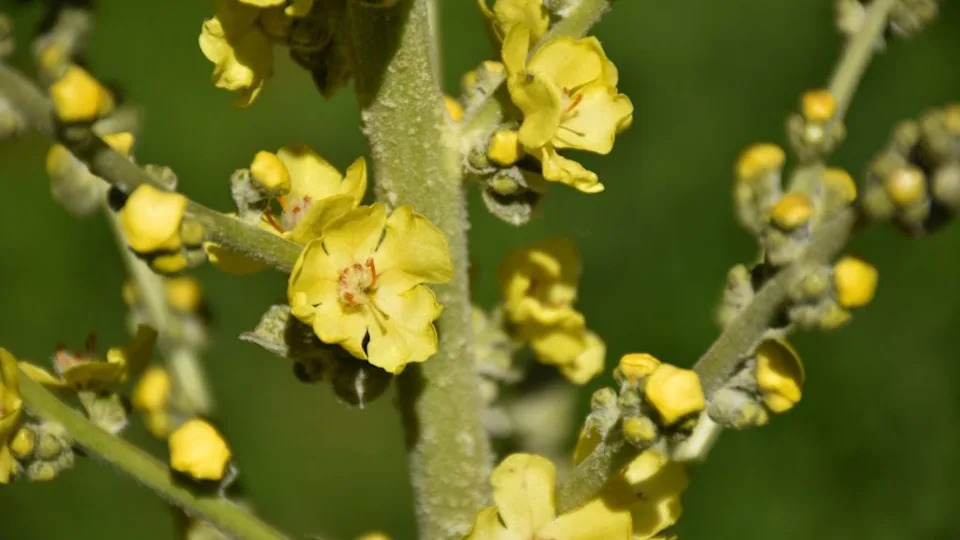
Image Credit: Deposit Photos
Verbascum is also known as mullein. It grows as a low rosette in its first year and sprouts tall colorful flower spikes with fuzzy gray-green leaves in the second. The flowers range from soft yellows to purples, depending on the variety.
It prefers full sun and well-drained soil in USDA zones 4 to 9. Avoid overwatering, as Verbascum is drought-tolerant and dislikes soggy conditions. It’s also deer-resistant.
8. Evening Primrose (Oenothera biennis)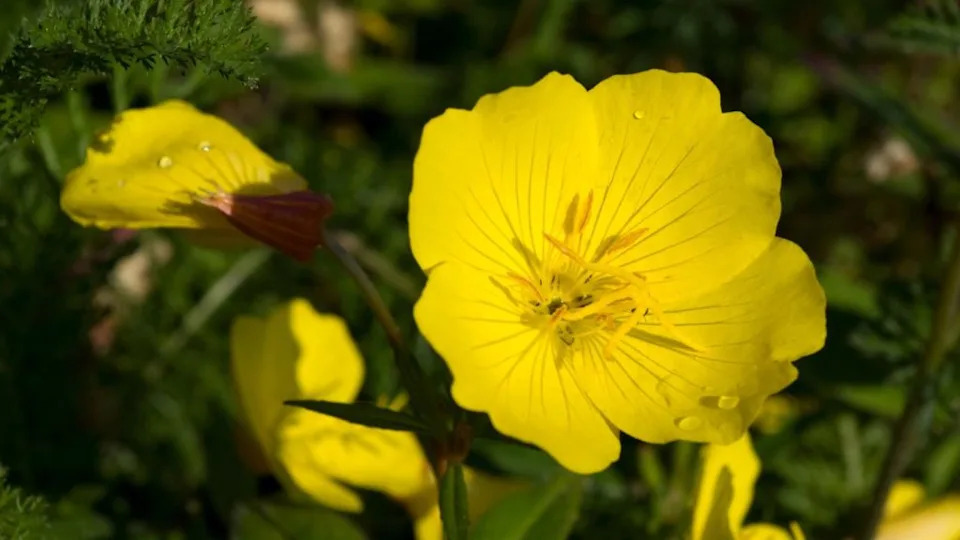
Image Credit: Deposit Photos
Evening primrose is a tall, wildflower-like biennial. It produces bright yellow petals that open in the evening, attracting nocturnal pollinators like moths. Evening primrose is incredibly low-maintenance, tolerates dry soil, and grows best in USDA zones 4 to 9 in full sun.
9. Forget-Me-Not (Myosotis sylvatica)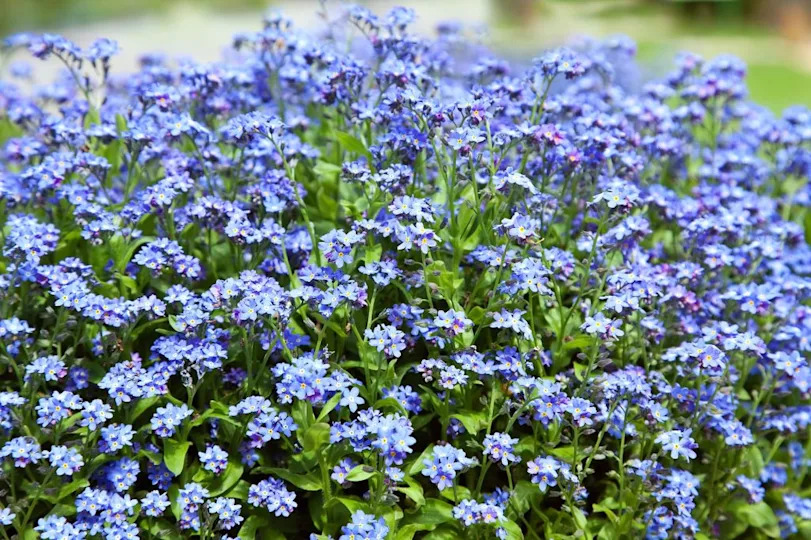
Image Credit: Deposit Photos
Forget-me-nots produce small but colorful blue flowers with yellow centers. Although technically a short-lived perennial, they often behave like a biennial, blooming in their second year and reseeding gently year after year.
They’re best grown in USDA zones 3 to 8 in partial shade with moist, humus-rich, well-drained soil. Forget-me-nots are especially great plants for shady borders, as they self-seed readily and create charming carpets of blue petals in spring.
10. Angelica (Angelica archangelica)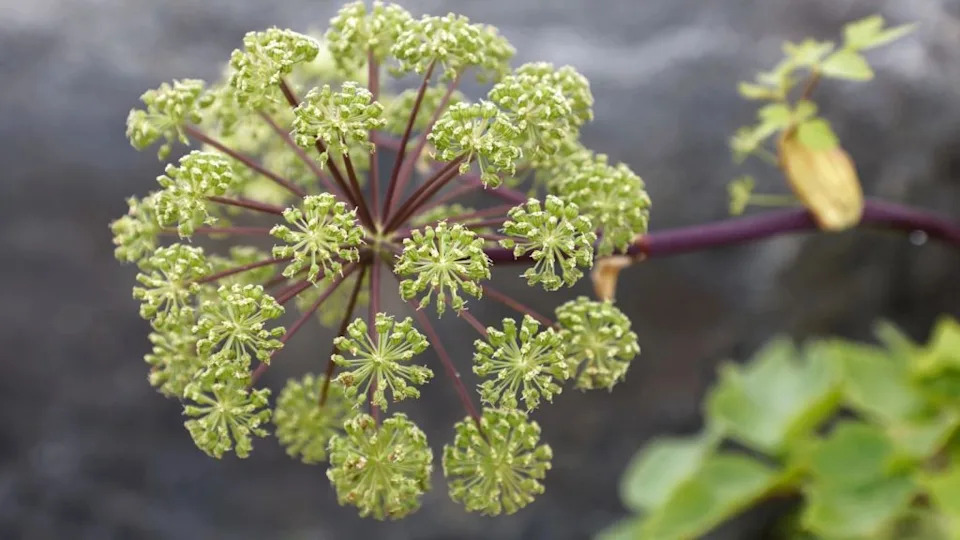
Image Credit: Deposit Photos
Angelica is a tall herb with umbrella-like clusters of greenish-white flowers. Like a classic biennial, it blooms in its second year, then sets seed and dies. It prefers partial shade and moist, fertile soil and is suitable for USDA Zones 4–9. This plant attracts pollinators and can be a striking addition to the back of borders.
11. Queen Anne’s Lace (Daucus carota)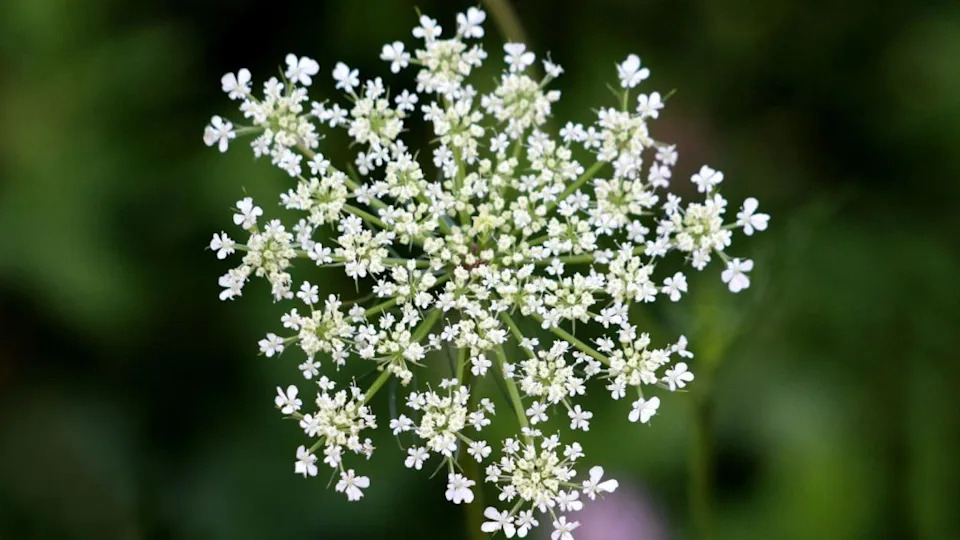
Image Credit: Deposit Photos
Queen Anne’s Lace features delicate white flower clusters and fern-like leaves. It’s an easygoing wildflower that grows well in full sun and poor, well-drained soil.
It reseeds freely and thrives in USDA zones 3 to 9, adding a graceful, lacy texture to natural-style gardens. Queen Anne’s Lace can self-seed aggressively, so be sure to deadhead to control its spread.
12. Wallflower (Erysimum cheiri)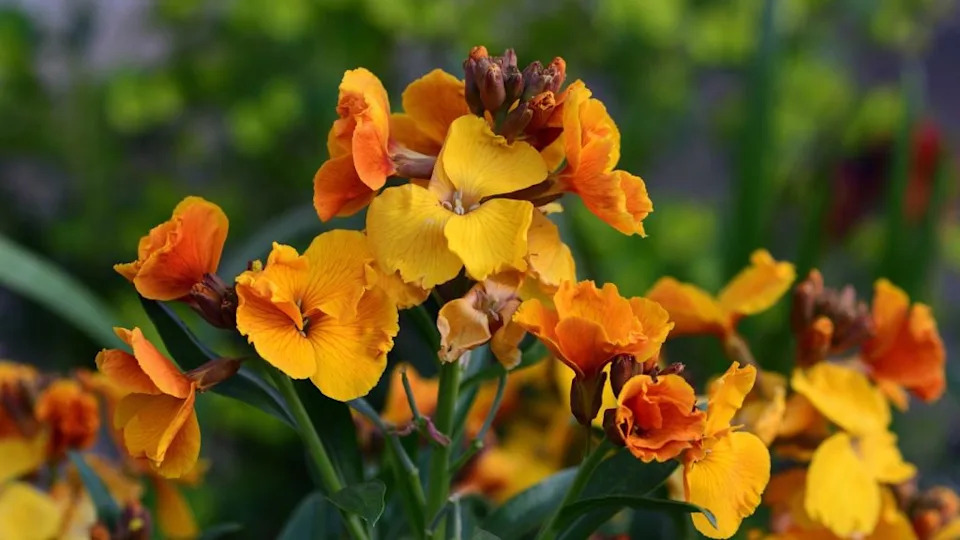
Image Credit: Deposit Photos
Wallflowers thrive best as biennials in cooler climates, producing fragrant flowers in various shades of orange, red, and yellow. They prefer full sun and well-drained soil in USDA zones 6 to 9.
Plant them in the fall so they bloom in early spring the following year. Deadheading spent flowers encourages more blooms and protects them from excessive winter moisture.
13. Dusty Miller (Senecio cineraria)
Image Credit: Deposit Photos
Dusty Miller is grown for its silvery foliage that adds a nice contrast to garden beds. While often treated as an annual, it can behave as a biennial in milder winter climates. It’s hardy in USDA Zones 7 to 10 and thrives in full sun and well-drained soil.
Start seeds indoors approximately 10 to 15 weeks before the last expected frost date and then transplant them outside when hard frost has passed. If left to overwinter, it may flower in its second year and self-seed lightly.
14. Cow Parsley (Anthriscus sylvestris)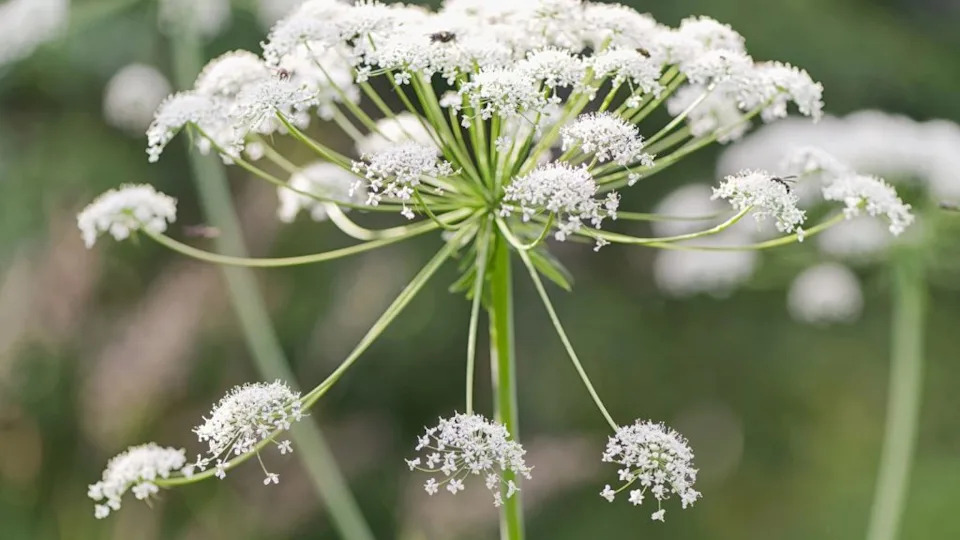
Image Credit: Deposit Photos
Cow Parsley is a close relative of Queen Anne’s Lace that also produces airy white flower clusters and delicate foliage. It grows best in partial shade and moist, well-drained soil.
It’s ideal for naturalized spaces and grows happily in USDA zones 4 to 8. This plant can self-seed sporadically, so remove unwanted seedlings to stop them from being invasive.
15. Viper’s Bugloss (Echium vulgare)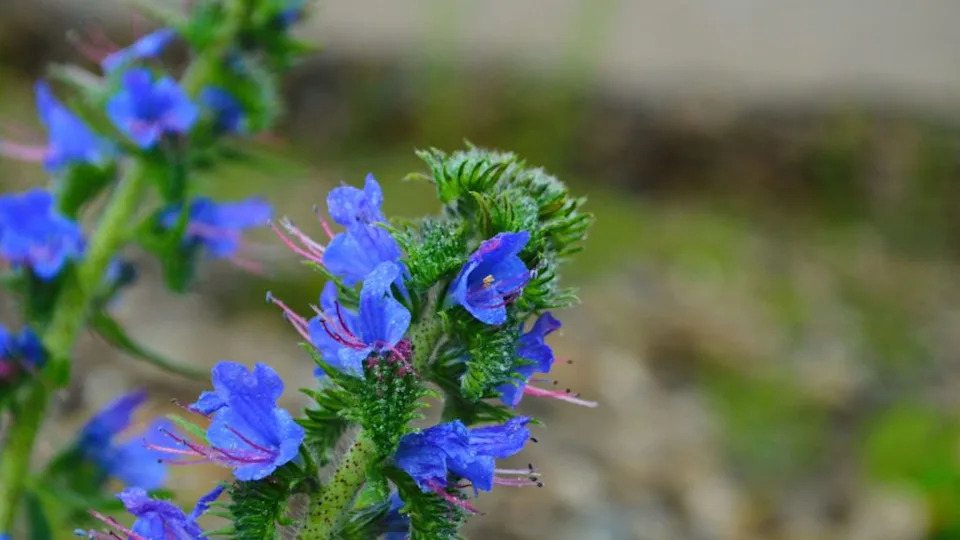
Image Credit: Deposit Photos
Viper’s Bugloss is a spiky-stemmed biennial that produces striking blue flowers, attracting pollinators such as bees and butterflies. It’s a drought-tolerant plant that prefers full sun and well-drained soil in USDA zones 3 to 8. Let it seed around to create a wild, meadow-like effect in your garden.
Comments are closed.