
Text to Speech audio articles made possible on the CAST11.com podcast network by Fain Signature Group.
Ken Lain, the Mountain Gardener, shares a timely roadmap for waking up Prescott landscapes as winter loosens its grip and the first buds of spring begin to swell. He explains why early season preparation, improving soil, feeding roots, and planting cold hardy color, sets the foundation for months of vibrant blooms ahead. From frost tolerant pansies and hellebores to proper pruning techniques for roses and fruit trees, Ken outlines what to do now and what to wait on for maximum spring impact. With guidance tailored to Arizona’s high desert climate, he shows how thoughtful timing, smart planting, and preventative care transform dormant yards into a thriving celebration of the new season.

The crisp morning air still carries a hint of winter’s bite, but if you look closely at the tips of your Lilacs and the swelling buds of the Maples, you’ll see it; the garden is waking up. Spring in our neck of the woods isn’t a single event; it’s a slow-motion symphony. If you want a front-row seat to the best show in town, now is the time to pick up your shovel and set the stage.
Successful gardening isn’t about luck; it’s about timing and understanding the “why” behind the “how.” Let’s walk through the roadmap that takes your backyard from dormant brown to a riot of spring color.
Wake Up the Soil
After a long winter, your soil is often compacted and depleted. I always tell folks: don’t plant a $50 tree in a $5 hole. Start by top-dressing your garden beds with Premium Watters Mulch. This does two things: it insulates the roots against those late-season cold snaps and feeds the microbial life that makes your plants thrive.
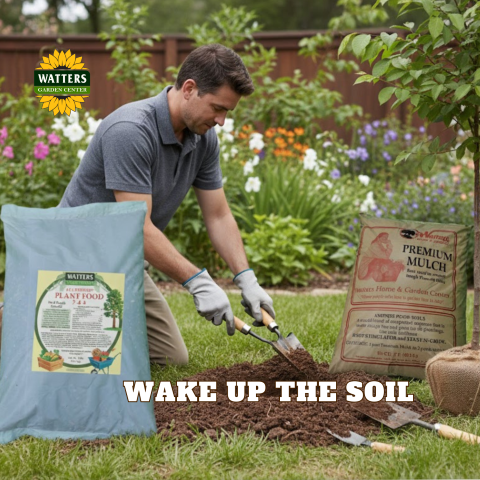
If you haven’t tested your soil lately, remember that our mountain soils tend to be alkaline. Adding a bit of 7-4-4 All Purpose Plant Food now ensures that when those roots start stretching, they find a feast waiting for them.
The First Performers: Cold-Hardy Color
Pansies and Violas are the undisputed Queens of early spring. They don’t just tolerate a light frost; they seem to relish it. Plant them in clusters near your entryways where you can appreciate their “faces.”
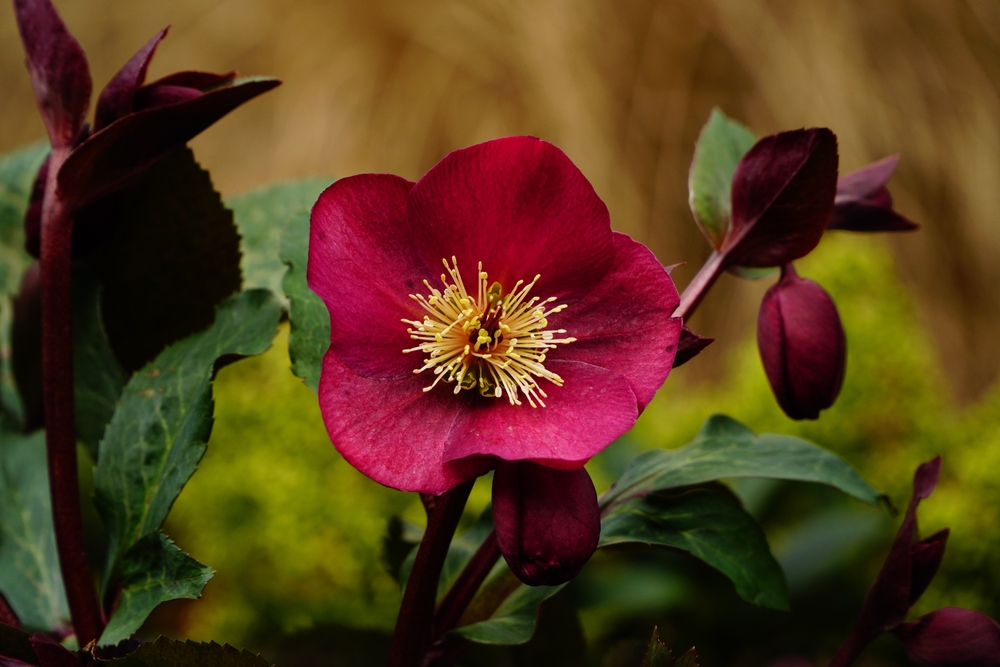
Hellebores
But don’t stop there. If you want height and drama, look toward English Primrose & Lenten Roses, Hellebores. Hellebores are particularly magical because they bloom when everything else is still sleeping, offering nodding, cup-shaped flowers in shades of dusty rose, cream, and deep plum. They love the dappled shade under deciduous trees, making them the perfect bridge between winter and spring.
Garden Guide: How to Grow Lenten Roses
Pruning with Purpose
I see a lot of gardeners getting “clipper happy” too early. Here is the golden rule: if it blooms in spring, wait until after the flowers fade to prune. If you prune your Forsythia or Lilacs now, you’re literally cutting off this year’s blossoms.
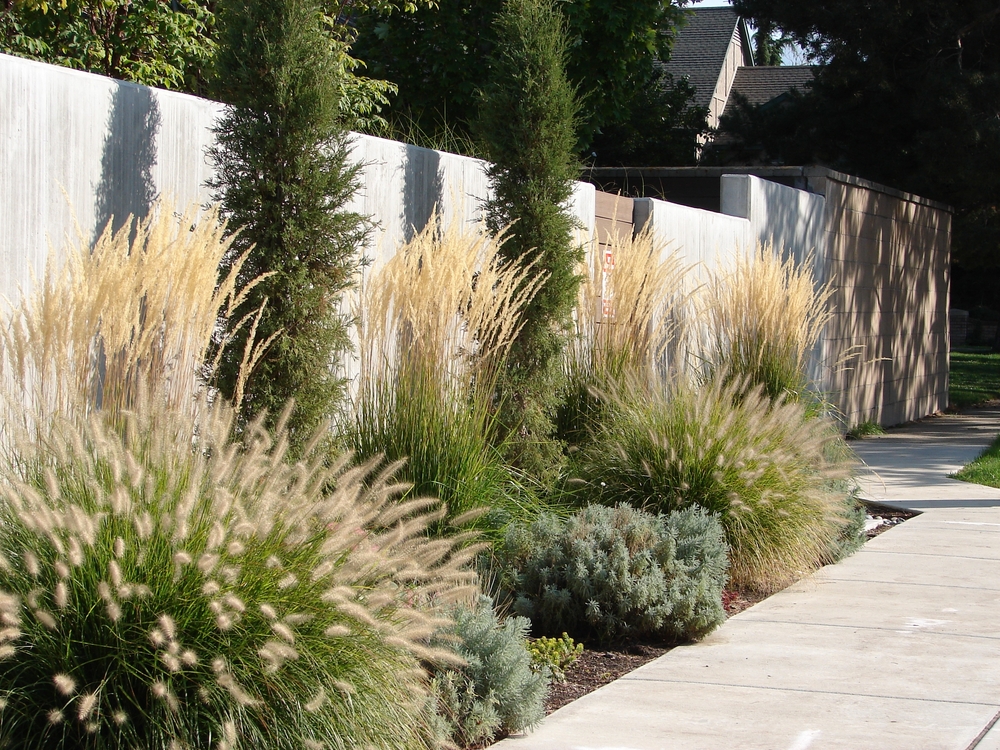
Karl Foerster Grass
However, now is the perfect time to prune your Roses and fruit trees while they are still dormant. For Roses, aim for an open “vase” shape to allow airflow through the center. This prevents powdery mildew later in the summer. Cut back your ornamental grasses like Karl Foerster to about 3 or 4 inches above the ground to make room for the new, bright green shoots.
Garden Guide: How to Prune Roses
Planting for the Future: Trees & Shrubs
Spring is the absolute best time to get woody perennials in the ground. The soil is moist, and the air is cool, allowing roots to establish before the heat of June arrives.

Purple Leaf Plum
If you want a showstopper, consider the Flowering Cherry or Prescott Purple Leaf Plum. They offer a cloud of blossoms that signal the true arrival of spring. For evergreen structure, the Spartan Juniper or Emerald Green Arborvitae provide a lush, green backdrop that keeps your garden feeling alive even in the leaner months. When planting, always use Aqua Boost Crystals to help hold moisture at the root zone; it’s like an insurance policy for your new plants.
Garden Guide: How to Plant Trees & Shrubs
The “Hidden” Task: Dormant Spraying
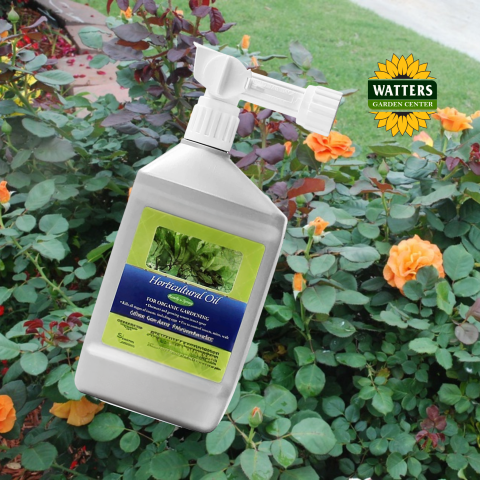
If you had issues with aphids, scale, or mites last year, your roadmap includes one vital stop: Horticultural Oil. Applying a horticultural oil spray now, before the leaves fully unfurl, smothers the eggs of overwintering insects. It’s an organic, safe way to head off trouble before it starts. Think of it as a clean slate for your fruit trees and Roses.
Looking Ahead
As the soil warms up toward the end of the month, we can start thinking about the “big hitters” like Peonies and Bleeding Hearts. But for today, focus on the foundation. Clean the beds, feed the soil, and get those cold-hardy beauties in the ground.
Gardening is a journey of discovery. Every bud that opens is a tiny victory and a testament to the care you’ve provided.
Free Gardening Classes Every Saturday @ 9:30 am
Join us for these upcoming topics:
Until next issue, I’ll be helping local gardeners get dirty here at Watters Garden Center.
Ken Lain can be found throughout the week at Watters Garden Center, 1815 Iron Springs Rd in Prescott, or contacted through his websites at WattersGardenCenter.com or Top10Plants.com.
Get more gardening tips from Watters Garden Center in the Mountain Gardener Column on Signals A Z.com.

Garden Wisdom Awaits: Subscribe for Expert Tips!
If you like this story, consider subscribing to Signals Updates,
Entertainment Events & News!
Show Me How
Comments are closed.