
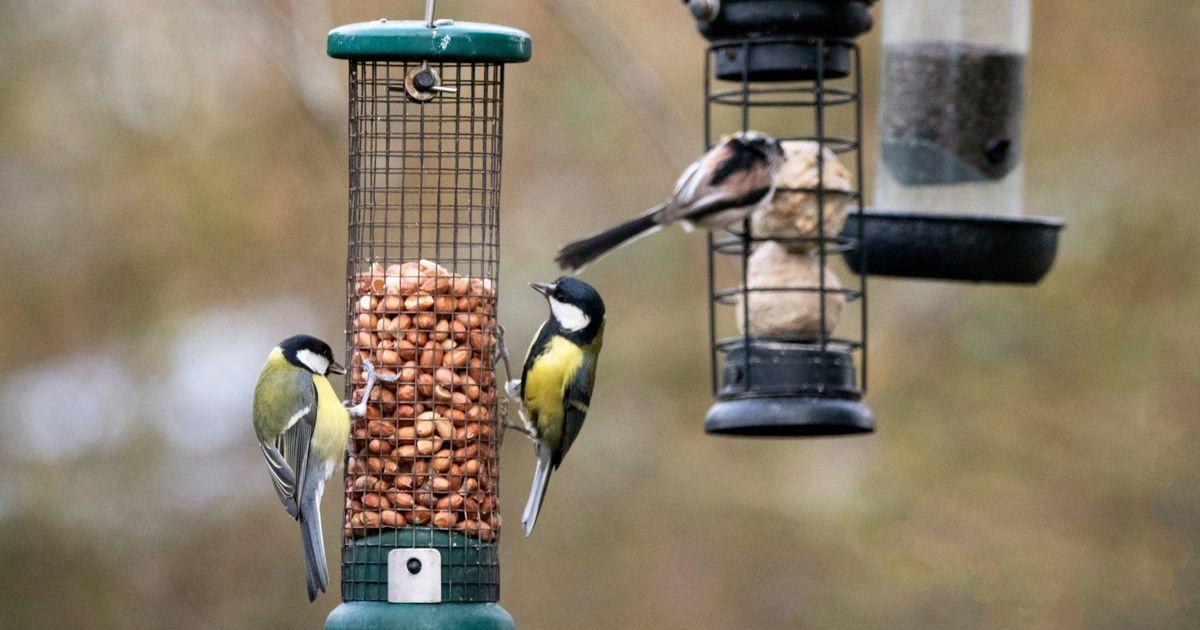
They’re great for helping feathered friends during the colder months, but bird feeders can attract some unwanted visitors.
Nicola Roy Spare Time writer
13:53, 24 Feb 2026
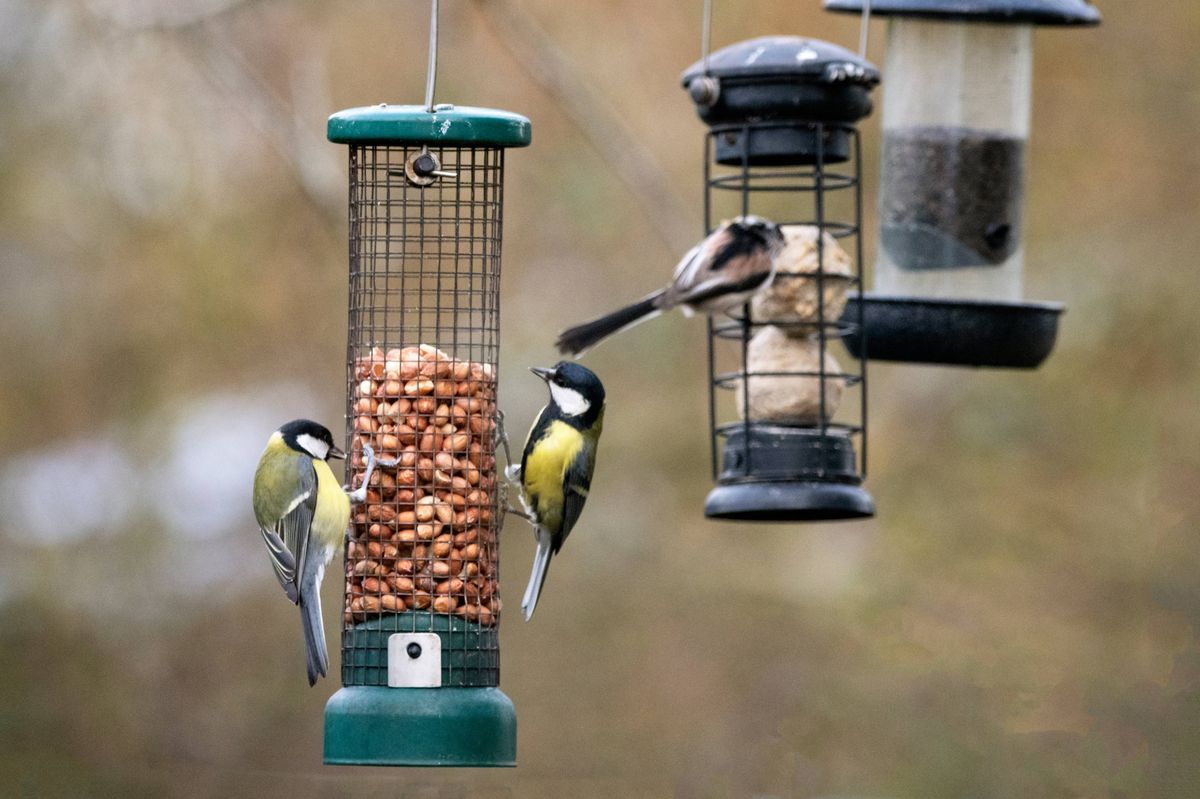
Brits who have a bird feeder should carry out an important task before the end of the month(Image: Trudie Davidson via Getty Images)
Throughout the colder season, bird feeders are a fantastic way to welcome more winged visitors to your outdoor space. With natural food supplies becoming harder to find during these months, putting out items such as nuts, seeds and suet can deliver a crucial energy boost for birds.
But as spring approaches, homeowners with bird feeders are being strongly advised to move them ‘well away’ from their properties. While they offer nourishment and refuge for birds, they can simultaneously serve as an invitation to some unwanted visitors.
And once they’ve settled in, getting rid of them can prove quite the challenge.
The cold snap hasn’t entirely passed, which means the threat of rats and other rodents hunting for warmth, sustenance and shelter within your home remains very real. According to pest control specialists, the food you’ve set aside for birds can actually lure in vermin.
John Whiteley-Wilkson, a pest control specialist at Acorn Environmental Services, explains that positioning bird food near the house during winter ranks among the most frequent causes of rats finding their way indoors, reports the Express.
He explained: “People put food out for birds to help them through the winter, which is understandable. But what many do not realise is that bird seed, fat balls and table scraps are also a huge attraction for rats.”
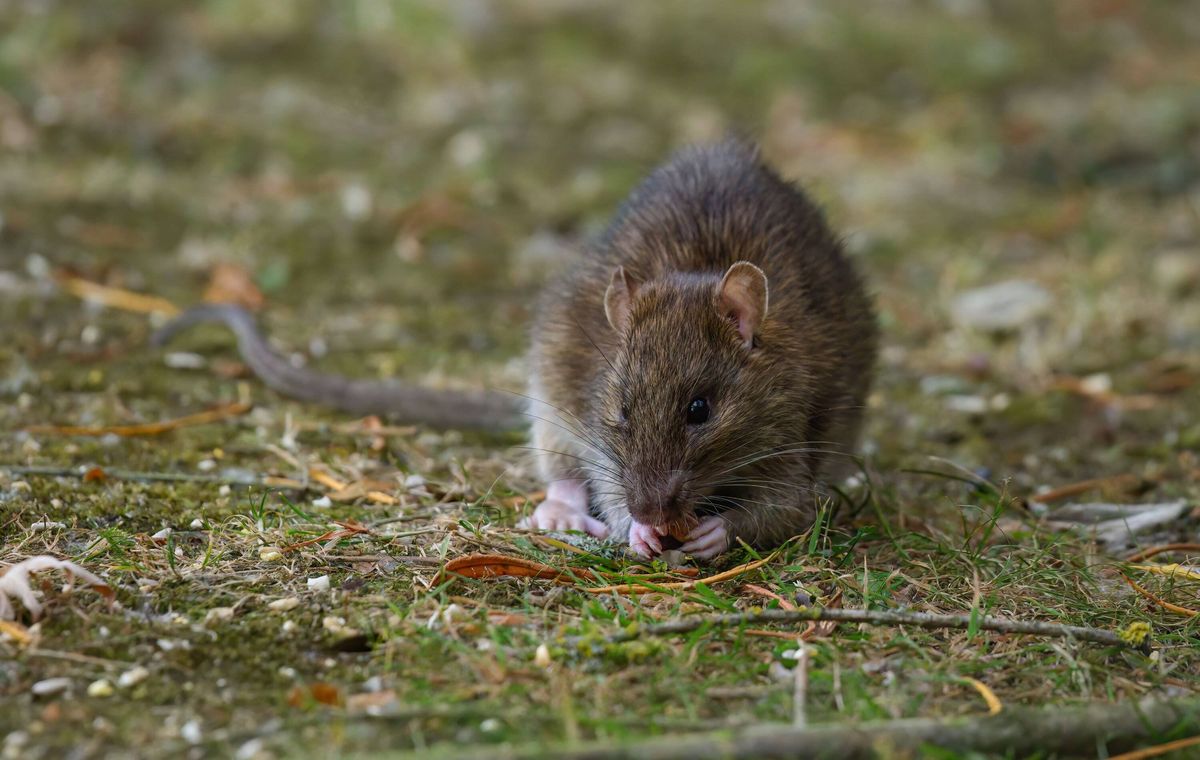
Rats are a major problem for UK homeowners(Image: Getty)
Rats demonstrate remarkable adaptability and their activity around residential properties intensifies significantly during winter as their natural food sources vanish. “When food is scarce outdoors, rodents follow the easiest option,” John explained.
“If they know food is being put out regularly, they will keep returning and eventually look for a way inside.”
Ensure our latest headlines always appear at the top of your Google Search by making us a Preferred Source. Click here to activate or add us as your Preferred Source in your Google search settings.
Once rats find a reliable food supply, they typically build nests in close proximity, exploiting sheds, garages, wall cavities and lofts as shelter.
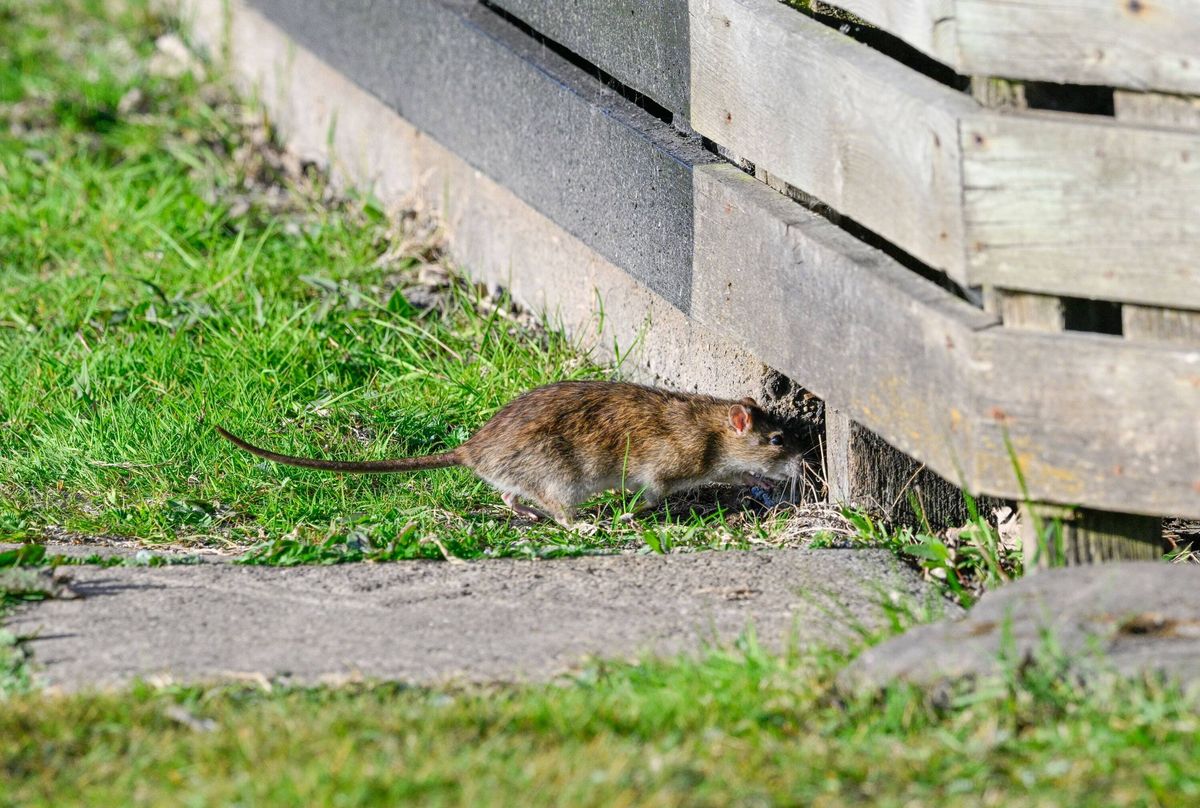
Rats are drawn to food sources like leftover bird seed(Image: Getty)
How to keep rats away from your garden
Pest control experts advise keeping bird feeders ‘well away’ from your property and installing trays to collect fallen seed. Any scattered feed should be cleaned up on a regular basis.
Rubbish should be stored in secure bins, compost bins should remain covered and pet food shouldn’t be left outside after dark.
Property owners are also encouraged to thoroughly inspect their homes for cracks and structural damage, particularly at ground level.
“Prevention is always easier than dealing with a full infestation,” John said. “Once rats are inside, they breed quickly and the problem escalates fast.”
Comments are closed.