
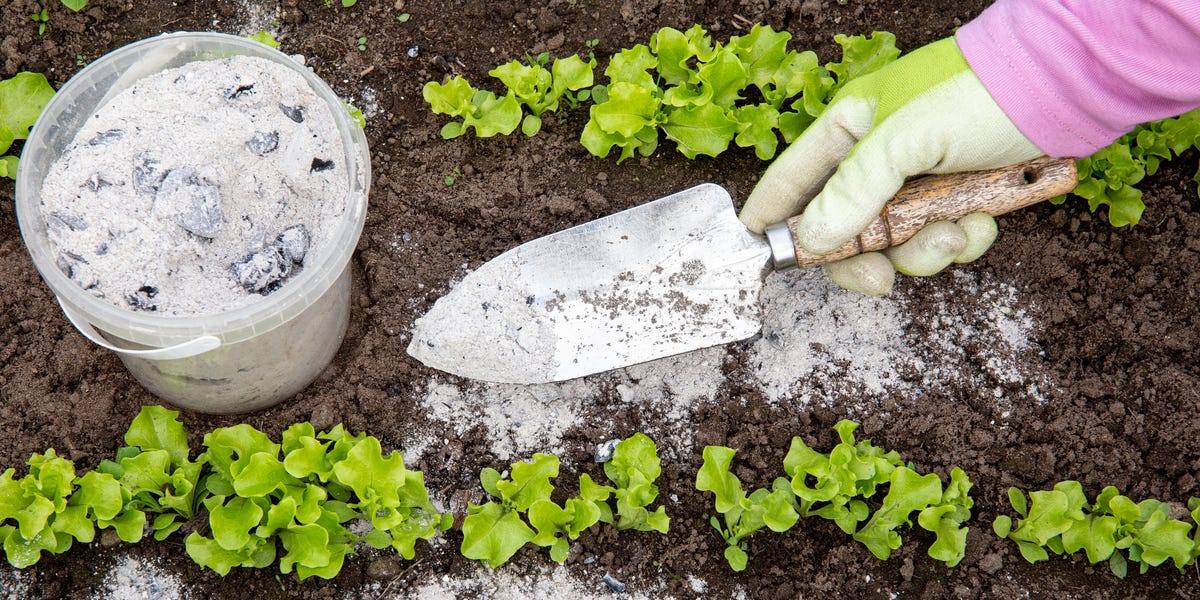
The next time you enjoy a roaring fire in your fireplace, woodstove, or fire pit, you may want to gather up the cooled wood ash to repurpose it.
“Wood ash contains nutrients such as calcium, magnesium, and potassium that can be beneficial for plant growth,” says Joseph Heckman, PhD, professor of soil fertility and extension specialist at Rutgers, the State University of New Jersey.
“Any time we can use wood ash, it’s an opportunity to rebuild soil fertility without adding something else to the landfill.”
But before adding wood ash to your garden, do a soil test, especially if you’ve never done one or haven’t done one in several years.
“This will tell you where you’re at on fertility, including levels of macronutrients and pH, or soil acidity,” says Heckman. Without a soil test, you will have no way of knowing what’s already present and in what quantities so you can determine whether adding wood ash will be useful.
The RHS offers a soil analysis service (simply send 3 soil samples through the post) or you can buy an at-home kit online or from your local garden centre.
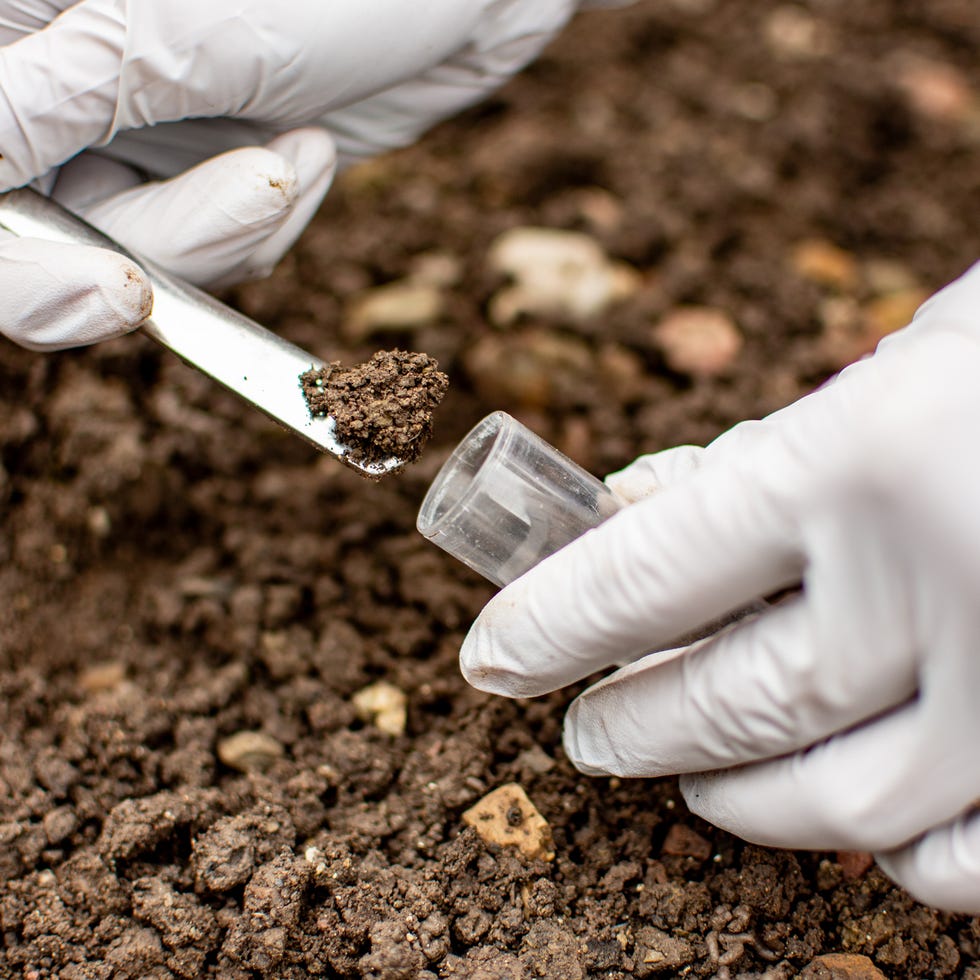
 CasarsaGuru//Getty Images
Silt or sandy? It’s always helpful to know the soil type in your garden
Wood ash also affects soil pH so it can be used as a liming agent. “Wood ashes are alkaline, so their presence can make nutrients in acidic soils more available to plants,” says Frank Hyman, author of Ripe Tomato Revolution and former organic tomato farm manager. “Wood ash also contains micronutrients such as manganese, boron, and other nutrients beneficial to plants. Because they’re minerals, they’re stable even in fire.”
The amount of nutrients present depends on the type of wood that was burned. Hardwoods, such as maple and oak, often provide more calcium and other nutrients than softwoods, such as pine.
Because each batch of wood ash will be slightly different, you should only use this amendment in moderation, says Heckman.
You can save the cooled wood ash in a five-gallon bucket to apply to your garden, or you can add it to your compost pile. “I like to rake out the leftover chunks of charcoal and add those to my compost,” says Hyman.
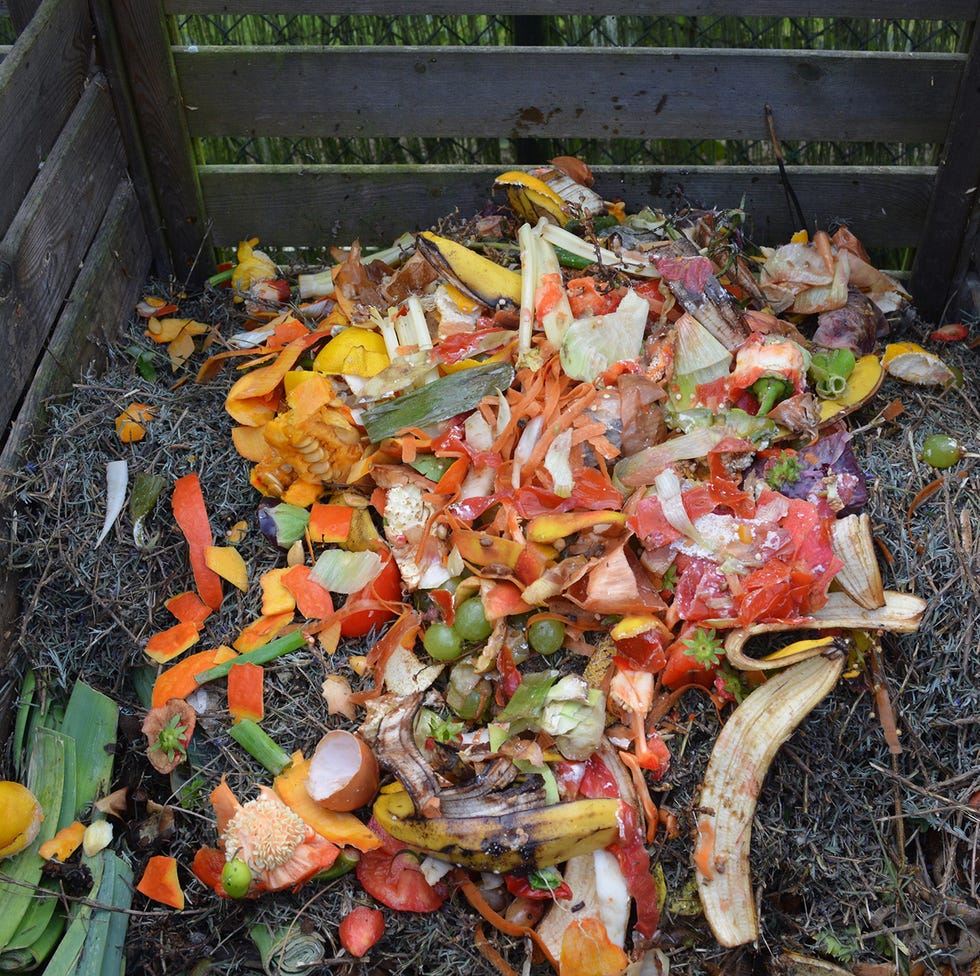 pixabay
Add ash to your compost pile or place directly (sparingly as a top dressing)
Here’s what else to know about using wood ash on your garden:
Use wood ash that comes from firewood only
Kindling or paper products used to start the fire are okay, but don’t use wood ash that comes from charcoal briquettes, pressure-treated lumber, painted wood, or plastic, says Heckman.
Don’t apply it to your vegetable garden if pH is already in the right range
“Most garden crops like a range between 6 to 7 for pH,” says Heckman. This is why having a current soil test is a good idea.
Apply the correct amount
In general, you can assume wood ash has about half the calcium carbonate as lime, which is what is used to adjust pH. “If your soil test says to use 100 pounds of lime, you can use about 200 pounds of wood ash for roughly the same effect,” says Hyman.
Avoid using it on acid-loving plants
Plants such as blueberries, rhododendrons, and azaleas prefer acidic soils, says Heckman. Applying wood ash to acid-loving plants may cause issues such as chlorosis, a yellowing that occurs with poor absorption of micronutrients due to high pH.
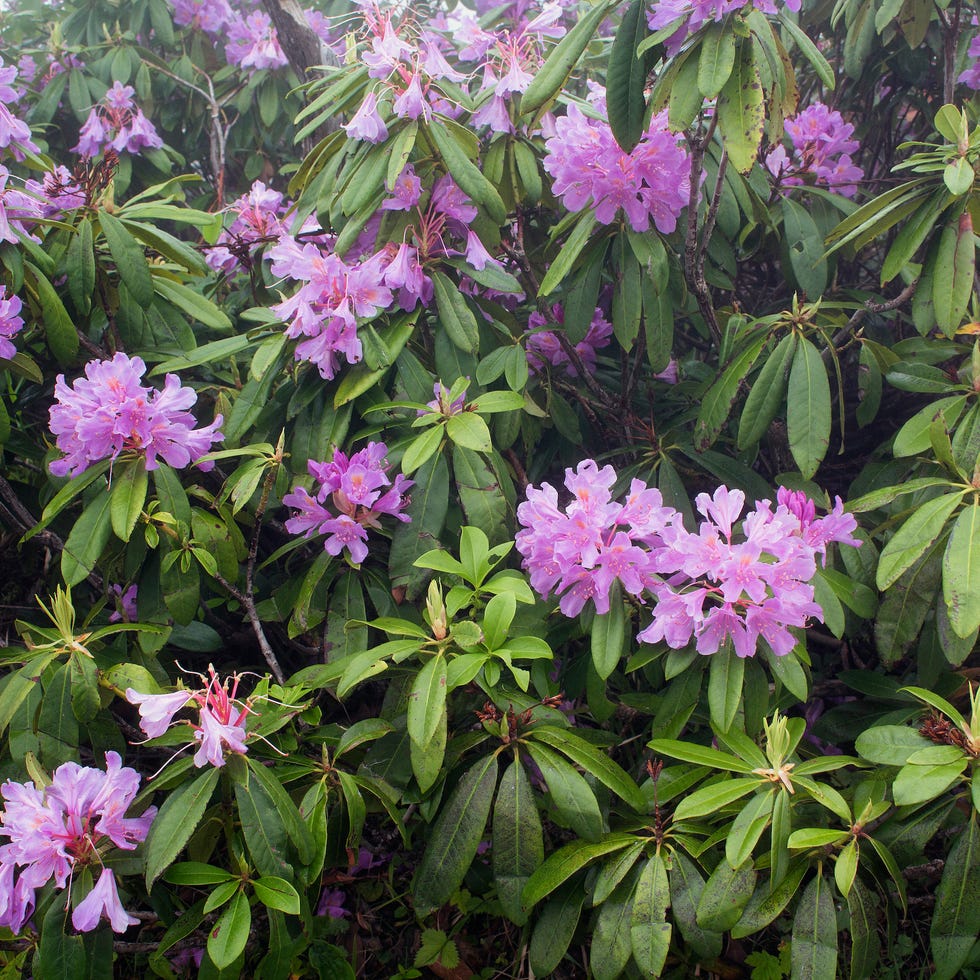 theendup//Getty Images
Never apply wood ash to rhododendrons as it can kill these acid-loving plants
Don’t apply wood ash near seedlings
It’s too salty and can affect germination, says Hyman.
Use a dust mask and gloves when spreading it
It’s not something you want to inhale, so take care when applying, says Hyman.
Gardening Must-Haves Home Sussex Handmade Peg Apron
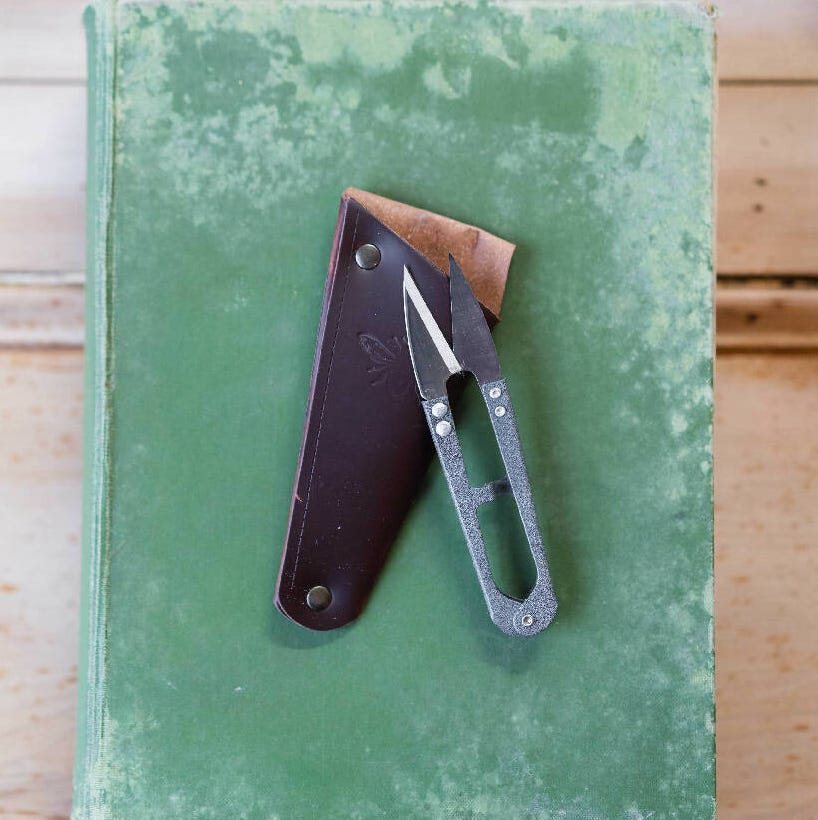 Garden Snips in Leather Pouch
 Acqua Garden Rose Plant ‘Peace’ Full Plants in 5 Litre Pots
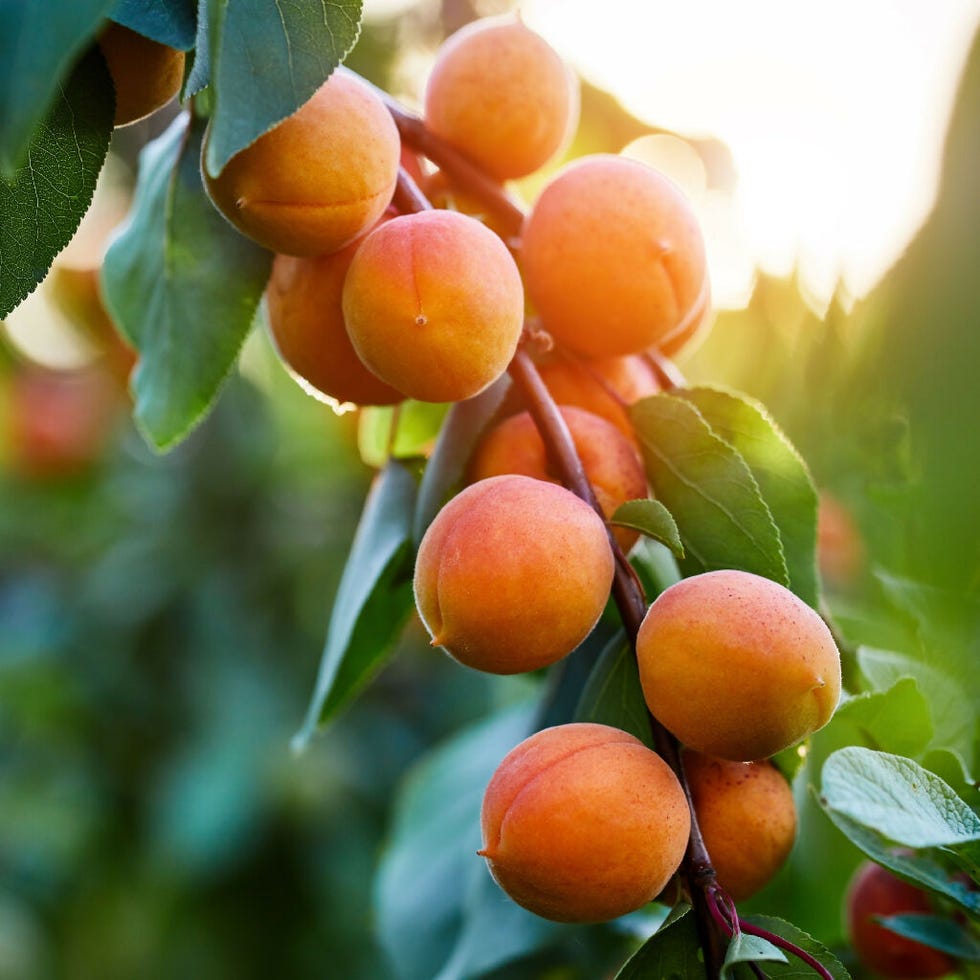 Acqua Garden Apricot Trees, ‘Moorpark’, Full Plants in 10 Litre Pots
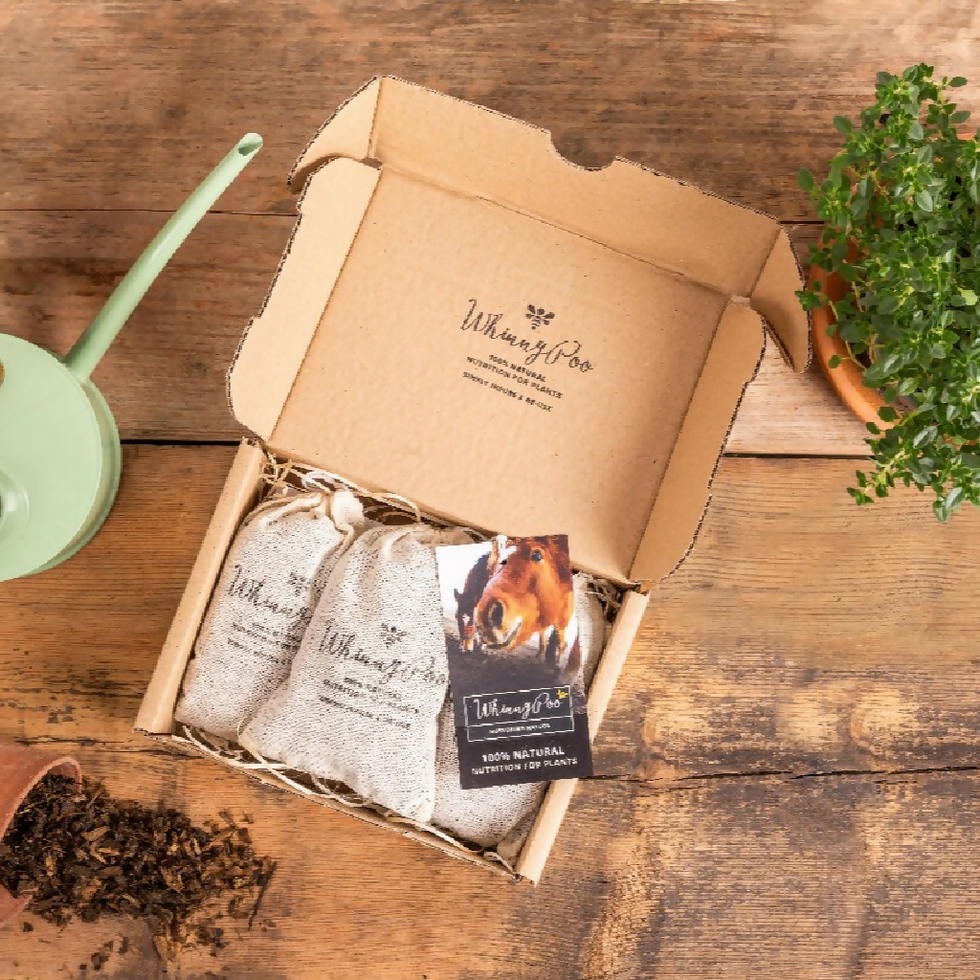 WhinnyPoo WhinnyPoo Box of 3 Plant Feed
 Meridian Greenhouse 6.7ft x 6ft (2.3m x 2m)

Arricca Elin SanSone is a writer, editor, and content creator who specializes in lifestyle and gardening. With a background in health reporting, she applies these same research skills when writing about the science of growing things. She trials new plants in her expansive garden, and her houseplant collection consists of 60+ varieties. Arricca has written thousands of articles for publications such as Country Living, House Beautiful, Good Housekeeping, Prevention, VERANDA, Southern Living, and more. She’s happiest when digging in the dirt, baking, or spending time with the people and dogs she loves.
Comments are closed.