
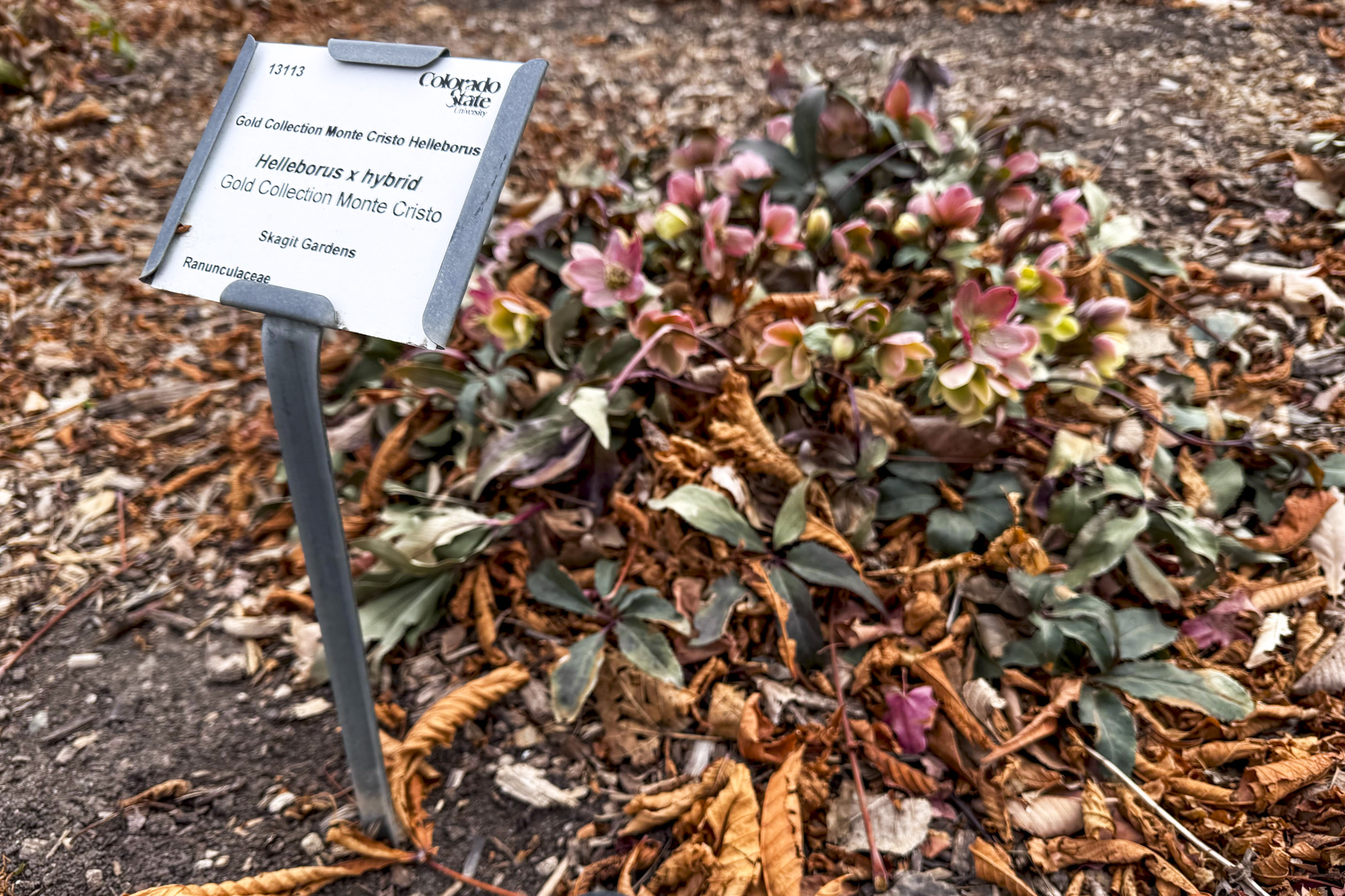
If your yard looks confused right now, you’re not imagining it.
After one of the warmest, driest winters in recent memory, plants across Colorado are acting like spring could arrive any minute, even though history shows snow and cold still have time to show up.
“I have been in Colorado for over 20 years, and this is by far the strangest winter I have ever experienced,” CSU Extension horticulture specialist Alison O’Connor said. “Our plants, I think, they’re confused. They’re probably a little lost. I would suspect that they’re wondering if spring is tomorrow or if winter is still to come.”
If you’re staring at your yard wondering what to do, the short answer is water. Yes, water. Even now.
It may feel counterintuitive. Aren’t plants dormant? Aren’t they hibernating? No, not exactly.
“While the plants are dormant, they still need water because even though they don’t have leaves on, they’re still losing water,” O’Connor said.
On warm days, sap and water inside trees continue moving.
“So the plants actually are doing stuff even though we don’t physically see them growing or putting on leaves.”
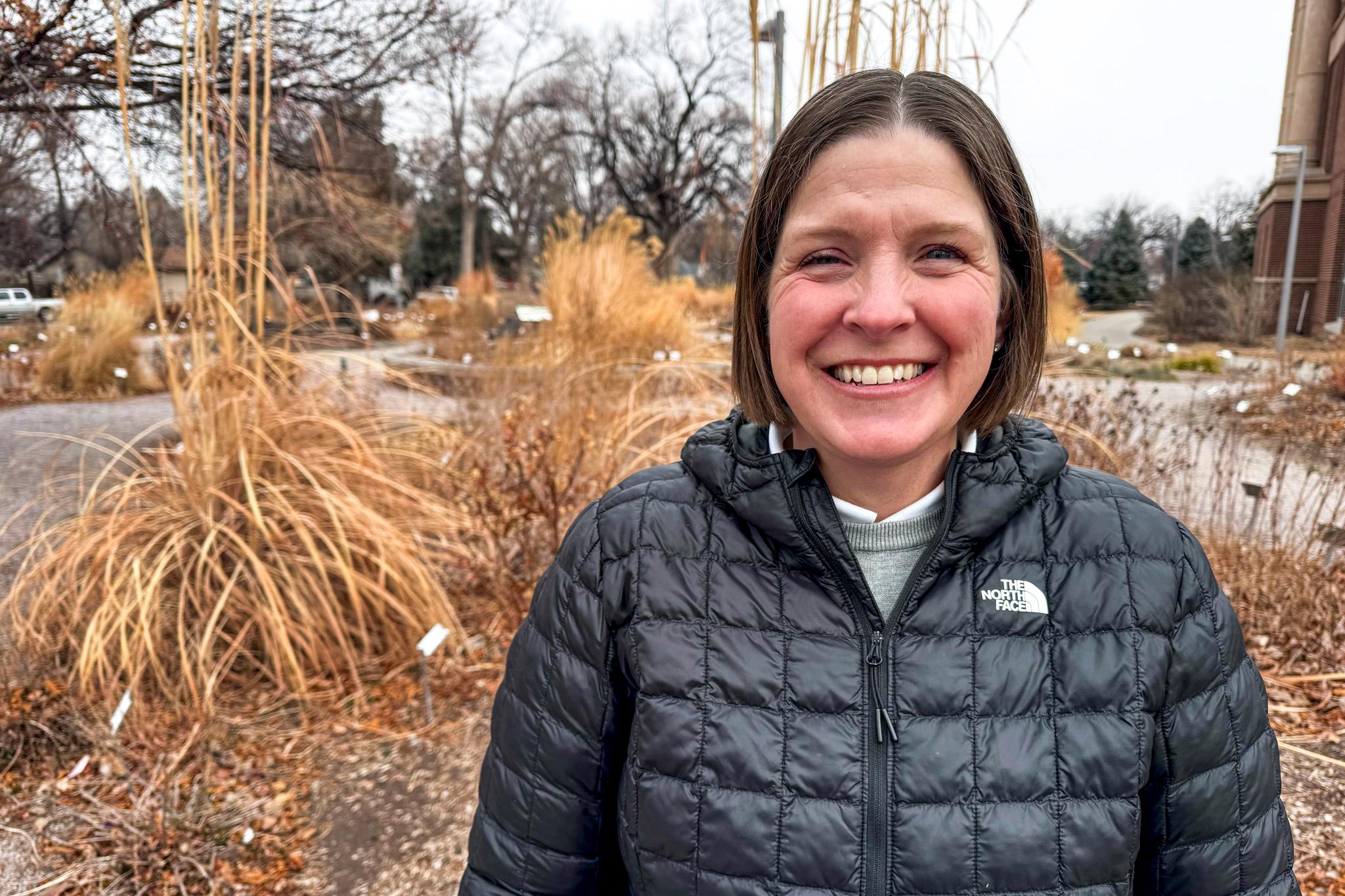 Ryan Warner/CPR NewsAllison O’Connor, a professor of horticulture with Colorado State University Extension, stands in the university’s trial garden in Fort Collins. Feb. 20, 2026.
The combination of our warm, dry winter adds stress to plants, making them more vulnerable to insects and disease.
“I like to say it’s kind of like when people get tired, when they get run down, you might get a cold more likely,” O’Connor said.
Plants don’t catch colds, she said, but stress can shorten their lives.
What to water first
If you can’t water everything, prioritize.
Start with anything you planted in the last year. New trees, shrubs and perennials haven’t yet established deep root systems.
Then focus on trees — especially evergreens.
“Trees are stoic. They’ve been around for a while, and they do so much for the environment,” O’Connor said. She called out spruce, pine and juniper as important to hydrate.
Skip the irrigation system for now. Instead, drag out a hose and sprinkler.
“Oftentimes, really what’s the easiest thing to do is just try to put out a sprinkler from your hose spigot,” she said. “Do not turn on your irrigation system yet and just put out some hose and water on the entire landscape and do this as often as you can.”
How much is enough?
If you’re a gardener who loves numbers, this isn’t your ideal situation.
“I wish I had scientific numbers to give you,” O’Connor said.
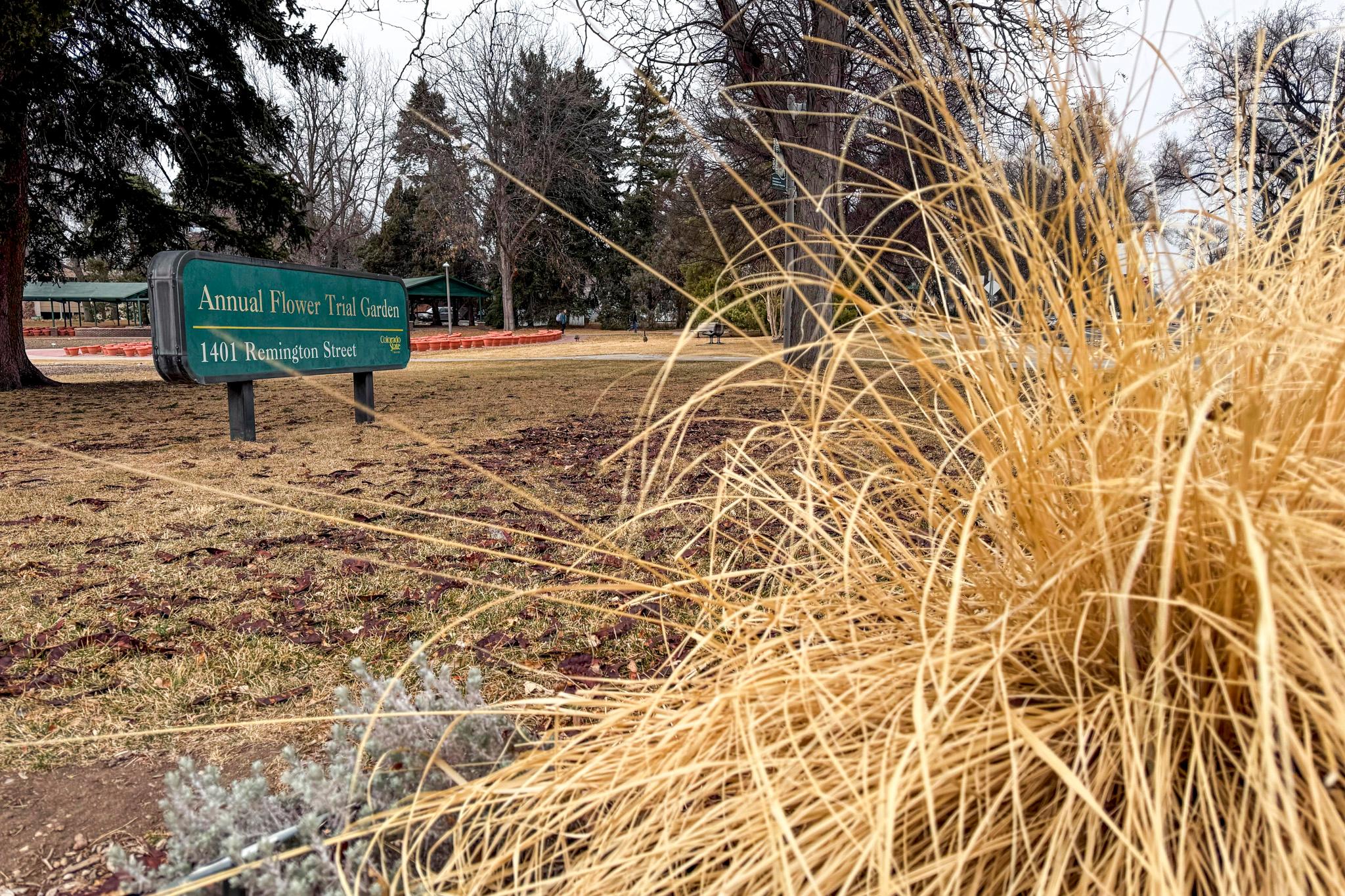 Ryan Warner/CPR NewsColorado State University’s trial garden in Fort Collins. Feb. 20, 2026.
Instead, she offers a simple rule: “Some water is better than no water.”
If your area hasn’t received about an inch of precipitation in 30 days, it’s time to water. Or try the screwdriver test. Push a long, slender screwdriver into the soil. If you can penetrate to about six inches, you’ve watered deeply enough.
“That’s where most of the tree roots are. That’s where most of the plant roots are, where your lawn roots are,” she said.
Water in the morning so moisture can soak in before nighttime temperatures drop and create ice.
What about all this early green?
If you’ve spotted bulbs emerging or perennials pushing new growth, you’re not alone. At CSU’s trial gardens, O’Connor pointed out primrose pushing out growth in late February, which makes her nervous.
“We are not only seeing things push bud sooner, we’re seeing spring bulbs blooming a couple weeks earlier than normal,” she said. “We can get those crazy cold snaps and those roller coaster temperatures… And if the trees think that it’s time to bud out, those buds could get damaged.”
If that happens, plants must decide whether they have enough stored resources to try again.
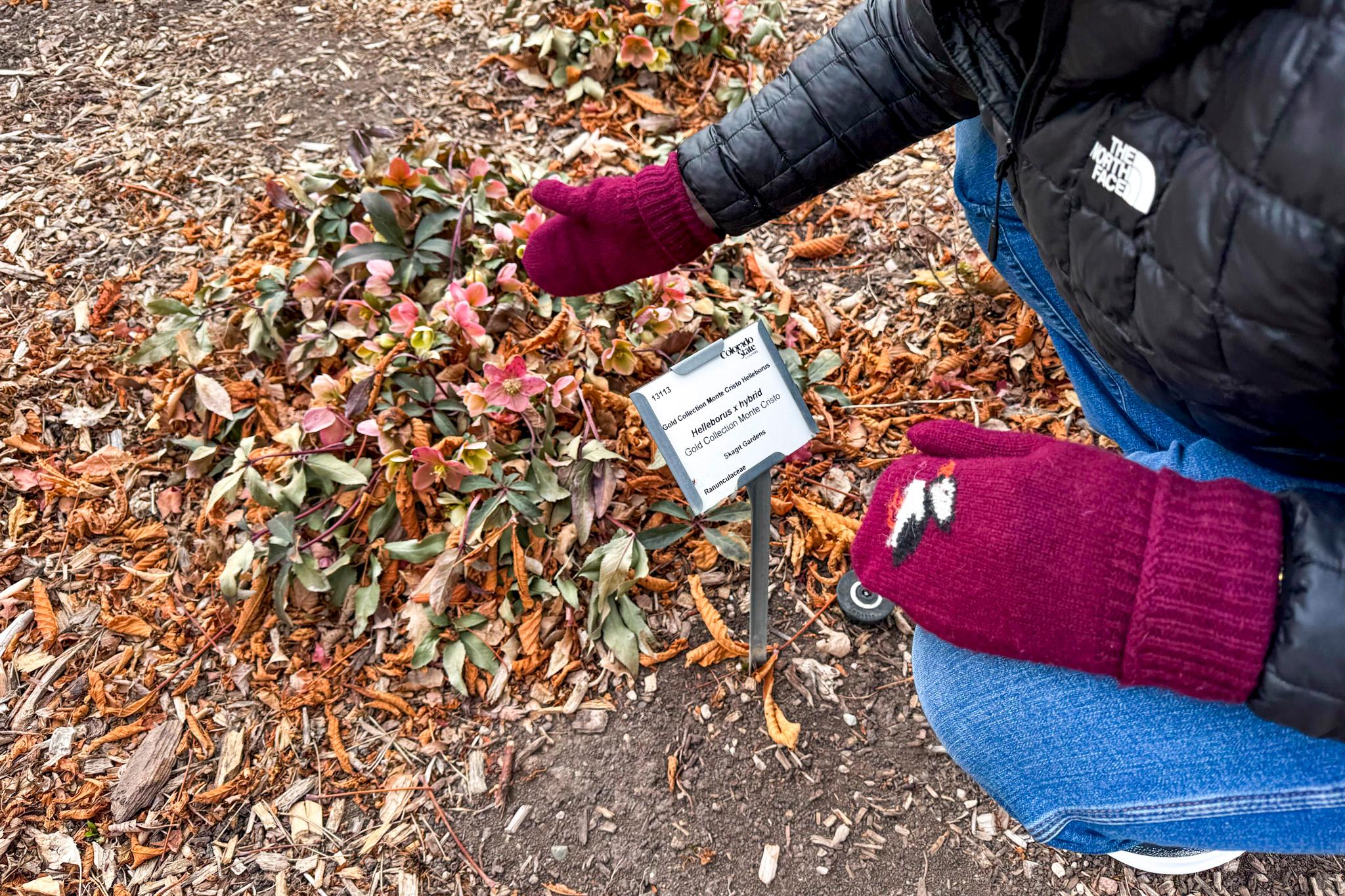 Ryan Warner/CPR NewsColorado State University’s trial garden in Fort Collins. Feb. 20, 2026.
You can’t control temperature swings. But you can add a buffer with mulch. It helps conserve soil moisture and regulates fluctuating soil temperatures. Think of it as creating the natural forest floor — layers of bark and needles that protect roots.
Or, as O’Connor put it, give new growth “a little blanky.”
What we might expect
Despite the warmth, O’Connor still hopes for cold nights and moisture so plants “don’t think that spring is coming,” she said.
And snow? She’ll take it.
“We would love snow or rain. Any form of moisture, I’m willing to take. Maybe not hail, but anything else would be okay,” she said.
In the meantime, gardeners don’t need to overhaul their landscapes or panic.
Just water and mulch.
So while your plants may be confused, you don’t have to be.
Comments are closed.