
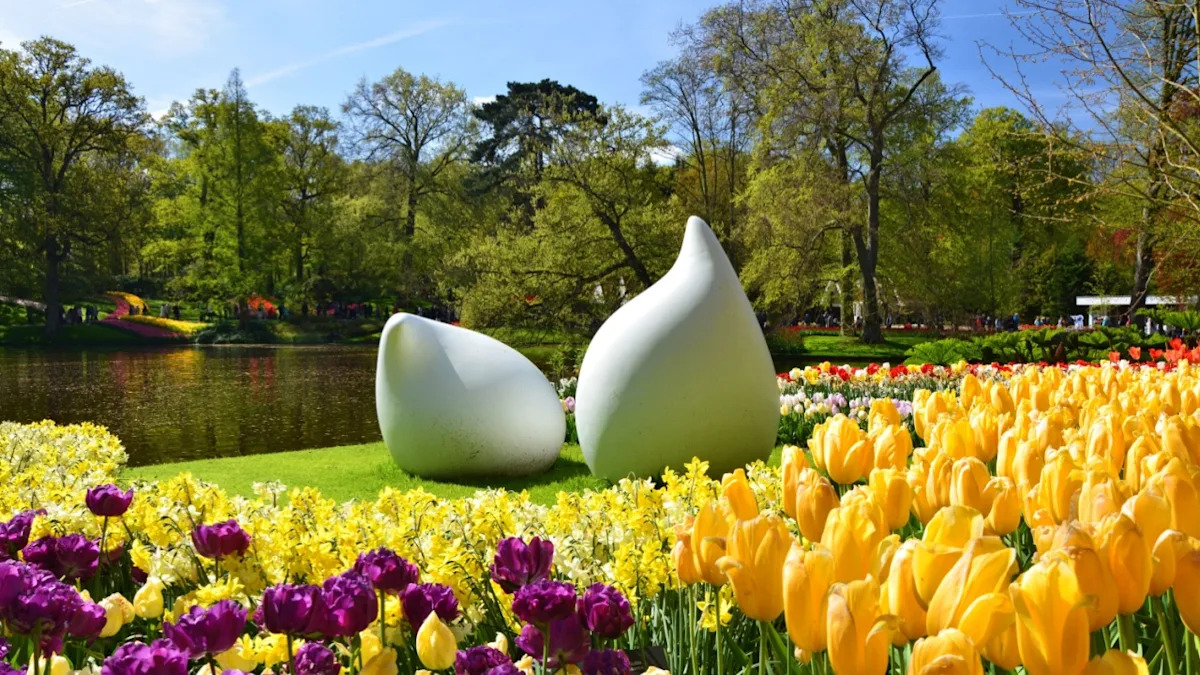
Gardening might seem like a solo mission, spending all those glorious hours prepping soil, weeding, harvesting, and beyond. But take a peek at the world’s most stunning botanical wonders, and you’ll see what happens when nature meets human creativity. These gardens are living lessons in color, design, and patience.
And it’s not just about pretty flowers. From desert succulents to the perfect symmetry of French parterres, these spaces inspire ideas for your own backyard, whatever your style (or budget). Who knew plants could teach so much?
Note: Want to visit one of these? Make sure to plan a trip when the flowers are blooming and the plants are green for the best views!
1. Jardin Majorelle in Marrakech, Morocco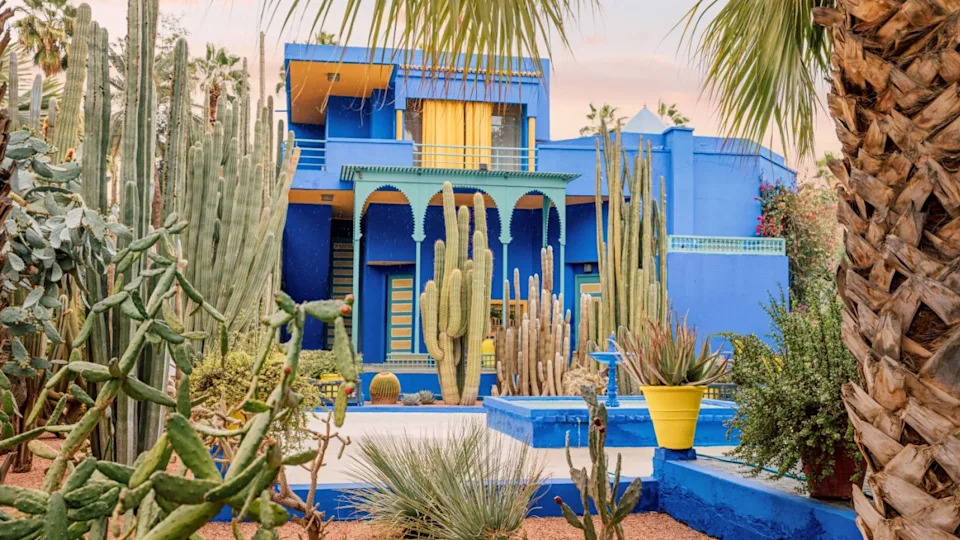
Image Credit: frantic00 at Shutterstock.
French painter Jacques Majorelle spent four decades creating this beautiful 2.5-acre botanical garden. Its most famous feature is the bright cobalt blue used on the villa and throughout the garden, which stands out against the green cacti and other exotic plants.
It shows that things like paint and hardscaping are just as important as the plants themselves. The garden was later bought by fashion designer Yves Saint Laurent, who saved it from being turned into a hotel.
It now features plants from five continents. Visitors often get inspired to use bold painted walls or pots in their own gardens to create a central focus. This garden is best visited in the spring and fall when desert temperatures are milder.
2. Gardens of Versailles in Versailles, France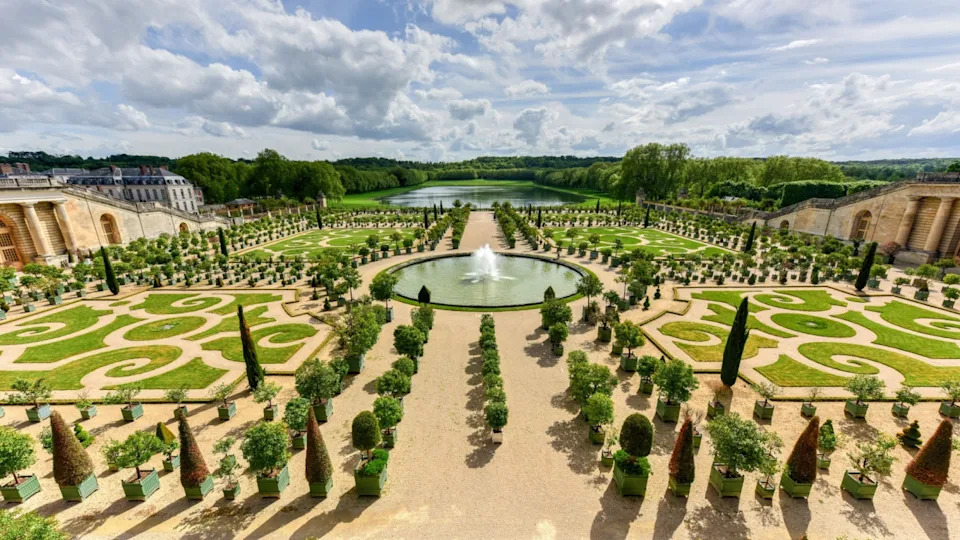
Image Credit: Felix Lipov at Shutterstock.
Created in the 17th century by André Le Nôtre, this garden is a classic example of French design. Its huge size and perfect symmetry make it feel grand and organized, showing how people can shape nature.
Neat patterns and wide gravel paths guide your view toward the horizon. Water plays a big part, too. The Grand Canal and fountains bring life and sparkle, reflecting the sky above. This garden is best visited in the summer when it’s green and blooming.
People leave feeling inspired. While most of us don’t have 2,000 acres to work with, we can still use simple ideas like symmetry and water features to create a beautiful focal point in our own gardens.
3. Keukenhof in Lisse, Netherlands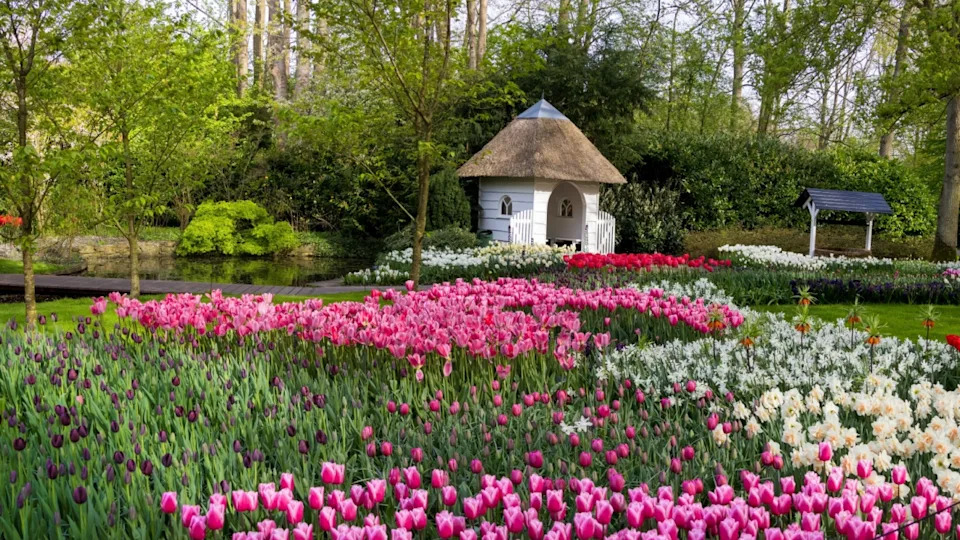
Image Credit: Shutterstock.
Keukenhof, known as the Garden of Europe, is a stunning display of color that blooms for just a few weeks each spring. Every year, seven million flower bulbs bloom across 79 acres, with a new design to keep things fresh.
Tulips are the main attraction, but hyacinths, daffodils, and orchids also add to the beauty. The garden shows how planting large groups of flowers in bold colors creates a more striking effect than scattering single bulbs. It’s a great reminder for gardeners to be bold when planting spring flowers!
4. Kenroku-en in Kanazawa, Japan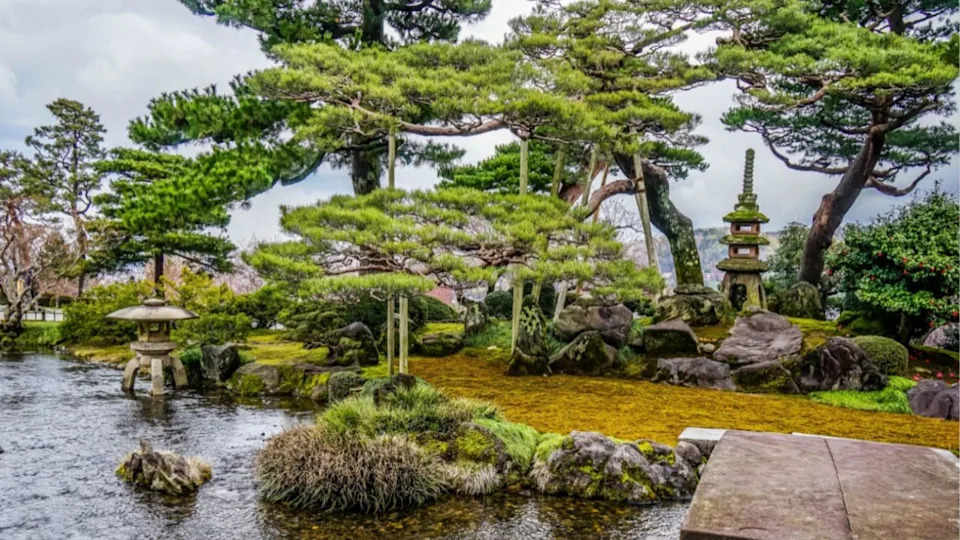
Image Credit: Shutterstock.
Japanese aesthetics often highlight balance, and Kenroku-en is a perfect example of this. It embodies six key qualities of an ideal garden: spaciousness, seclusion, artifice, antiquity, water features, and sweeping views.
Balancing all six is rare since some, like spaciousness and seclusion, can conflict, but Kenroku-en pulls it off beautifully.
From its carefully pruned pine trees to Japan’s oldest fountain, the garden showcases the art of care and simplicity. Its iconic stone lanterns and bridges add structure and charm, proving how thoughtful design can create a timeless landscape.
5. Kirstenbosch National Botanical Garden in Cape Town, South Africa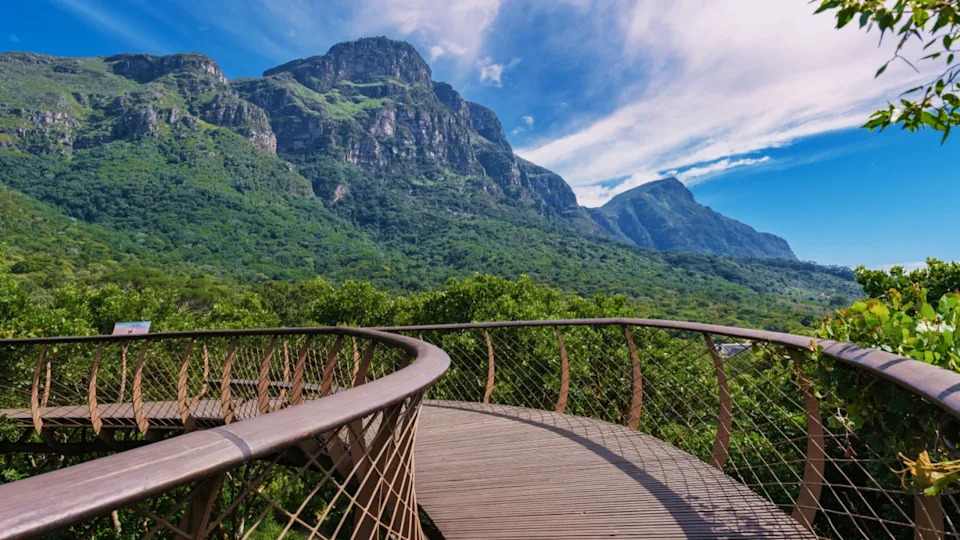
Image Credit: Shutterstock.
Kirstenbosch, at the foot of Table Mountain, is all about conservation. It was the first botanical garden in the world dedicated to protecting a country’s native plants. With the rugged mountain as its backdrop, the setting is naturally stunning.
The garden highlights the unique Fynbos vegetation of the Cape, proving that native plants can be just as beautiful. Don’t miss the Centenary Tree Canopy Walkway, where you can stroll above the trees and take in the garden from a whole new perspective. It’s a must-see for nature lovers!
6. The Butchart Gardens in Brentwood Bay, Canada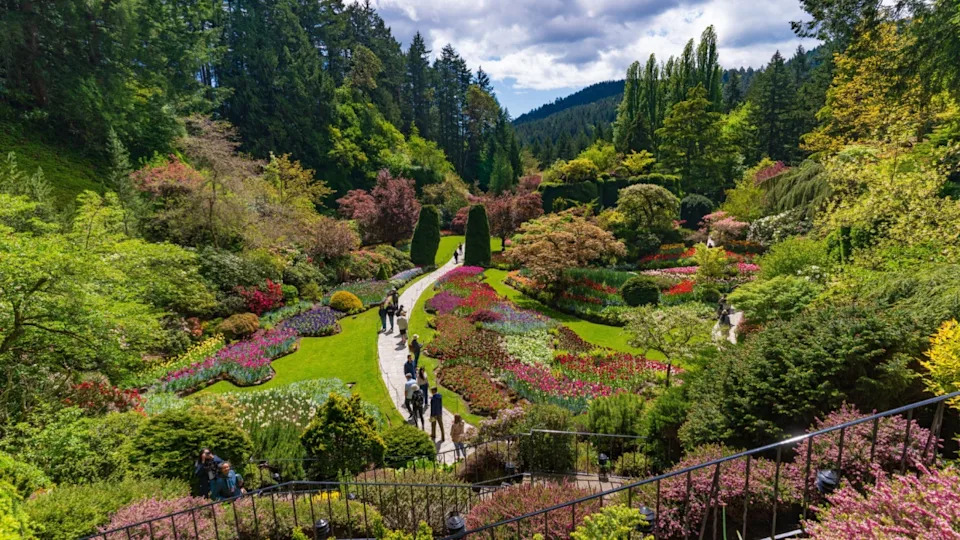
Image Credit: Shutterstock.
What do you do with an old limestone quarry in your backyard? If you’re Jennie Butchart, you see a world of potential. She transformed that industrial eyesore into the stunning Sunken Garden, hauling in topsoil by horse and cart to create a lush, multi-level masterpiece.
Today, the site also features a romantic Rose Garden, a serene Japanese Garden, and a classic Italian Garden. The Butchart Gardens are a beautiful example of how vision and hard work can turn even the most unlikely space into something spectacular. It’s a living lesson in creating different “rooms” and moods within a single garden space.
7. Nong Nooch Tropical Botanical Garden in Pattaya, Thailand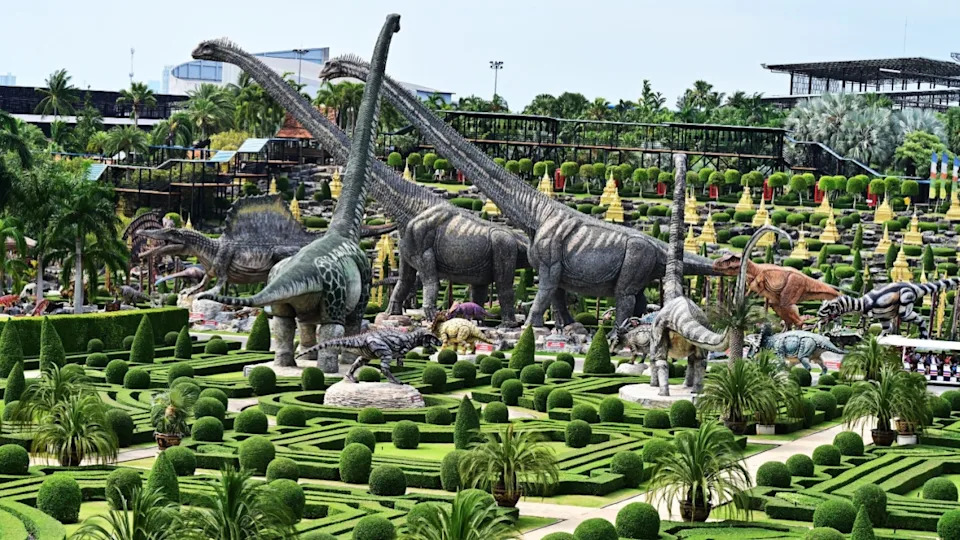
Image Credit: AjayTvm at Shutterstock.
Originally planned as a fruit plantation, Nong Nooch Tropical Botanical Garden is now a stunning mix of Thai culture and European garden design. The owners instead created a wildlife conservation project, complete with a recreation of Stonehenge and a French garden that could rival Versailles.
The garden’s creative use of pottery is especially noteworthy (among many other objects, like dinosaurs). Thousands of clay pots are used to build arches, walls, and sculptures, showing how ordinary objects can become art. This creative approach encourages visitors to see the artistic potential in everyday garden items.
8. Desert Botanical Garden in Phoenix, USA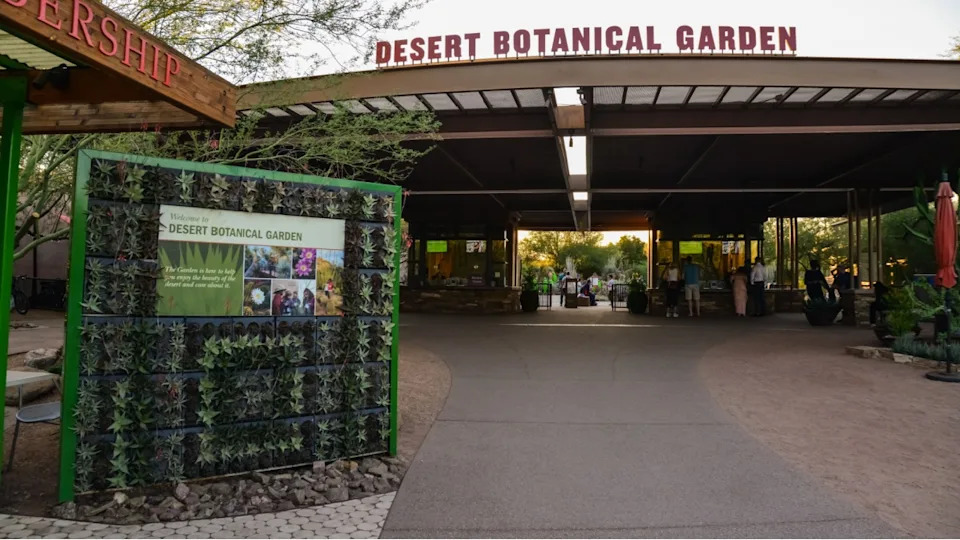
Image Credit: Oleg Kovtun Hydrobio at Shutterstock.
Many assume deserts are barren. This garden in Arizona shatters that misconception. It holds one of the finest collections of arid-land plants in the world. The stark beauty of saguaros, agaves, and succulents is highlighted against the red rocks of the Papago Buttes.
The design focuses on texture and architectural shapes rather than lush foliage. It teaches valuable lessons about water-wise gardening and xeriscaping.
Gardeners in hotter climates can find inspiration here on creating a thriving, low-water landscape that looks intentional rather than sparse.
9. Claude Monet’s Garden in Giverny, France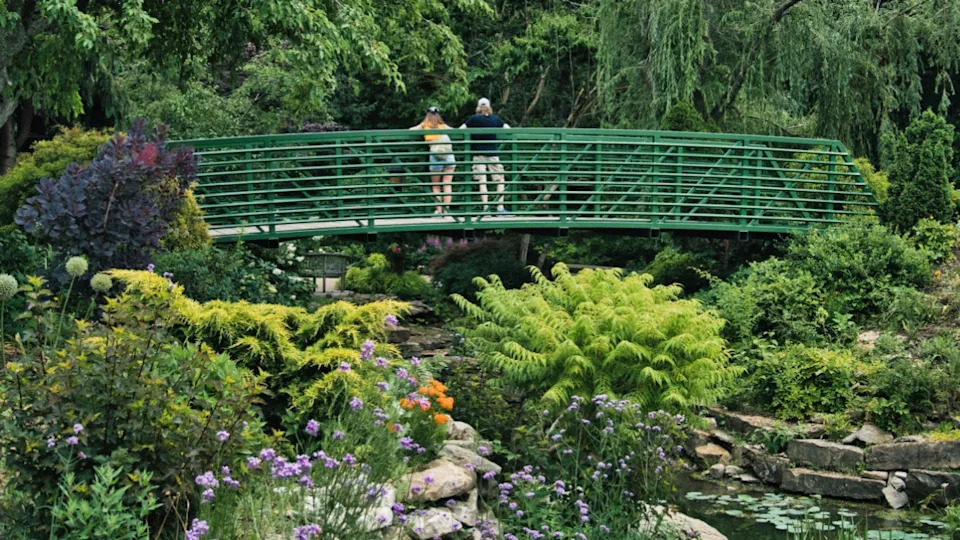
Image Credit: Wirestock Creators at Shutterstock
Claude Monet, the famous Impressionist painter, created his garden as inspiration for his art. He even redirected a river to create his iconic water lily pond and added a Japanese bridge. His flower garden, called Clos Normand, is bursting with color, with flowers growing freely and spilling over paths.
Unlike the neat, formal lines of Versailles, Monet’s garden feels wild and natural. It follows a cottage garden style, where plants mix and grow together. Monet cared about how colors worked together and how light played on the petals, creating a relaxed and free-flowing space that lets nature shine.
10. Royal Botanic Gardens, Kew in London, UK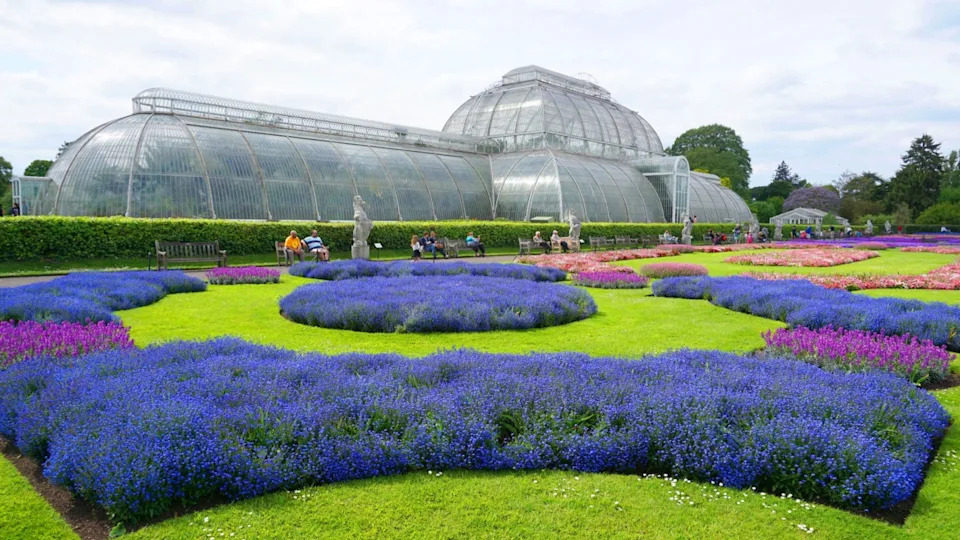
Image Credit: Aerial-motion at Shutterstock.
Kew is a hub of botanical science and research, home to the world’s largest and most diverse plant and fungi collections. Its Victorian glasshouses are stunning, both for their architecture and their ability to grow tropical and temperate plants that couldn’t survive the British weather.
Modern attractions like the Treetop Walkway and the Hive bring fresh energy to this historic site. Kew showcases the importance of biodiversity and acts as a living library of plants. It’s also a great source of inspiration for home gardeners, whether you’re exploring plant diversity or learning to create your own microclimates with a greenhouse or cold frame.
11. Villa d’Este in Tivoli, Italy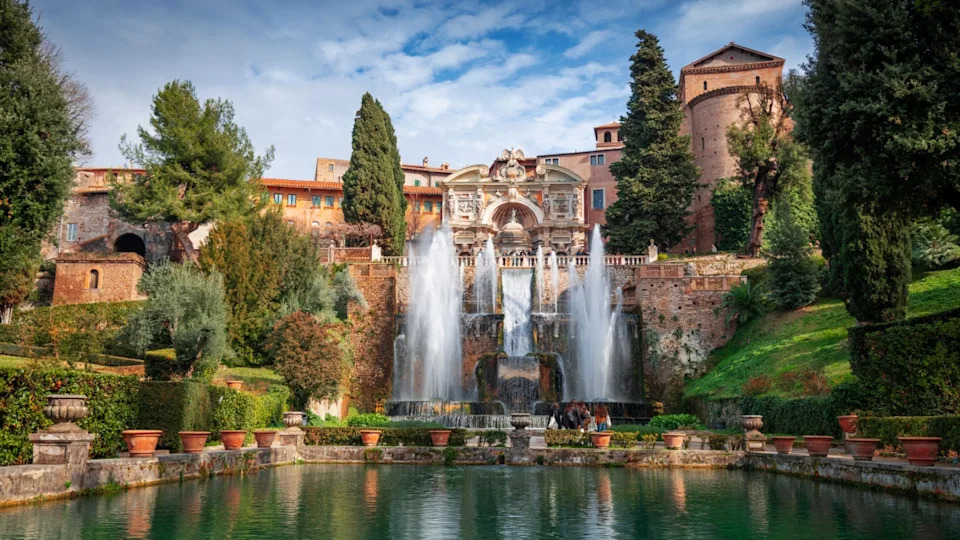
Image Credit: Sean Pavone at Shutterstock.
This 16th-century Italian Renaissance villa is famous for its incredible water features. The garden is filled with fountains, grottoes, and nymphs, all powered by gravity as water flows down the steep slope, no pumps needed. The constant sound of moving water is a key part of the experience.
The garden’s terraced layout makes the most of the hillside, creating dramatic views. It shows how water can be a design element that adds both sound and a cooling touch, reminding us that gardens can be just as much for our ears as for our eyes.
12. Summer Palace in Beijing, China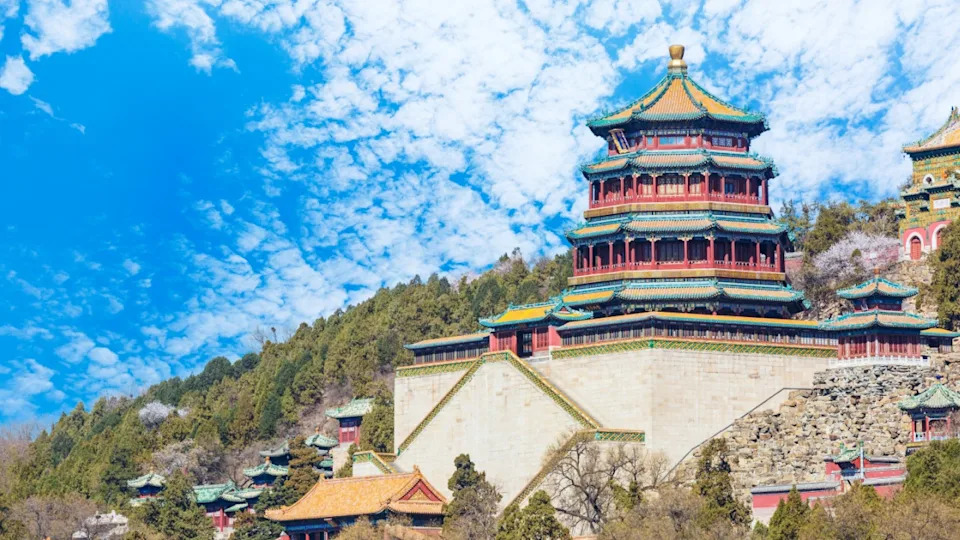
Image Credit: Shutterstock.
The Summer Palace is a massive complex of lakes, gardens, and palaces built as a cool summer retreat for emperors. The two main features are Longevity Hill and Kunming Lake. A key design principle here is “borrowing scenery,” where views of distant mountains become part of the garden’s composition.
One of its most famous features is the Long Corridor, a sheltered walkway decorated with thousands of paintings. The design balances grandeur with nature, teaching us how to frame beautiful views and create cozy spots to enjoy the outdoors in any weather.
13. Las Pozas in Xilitla, Mexico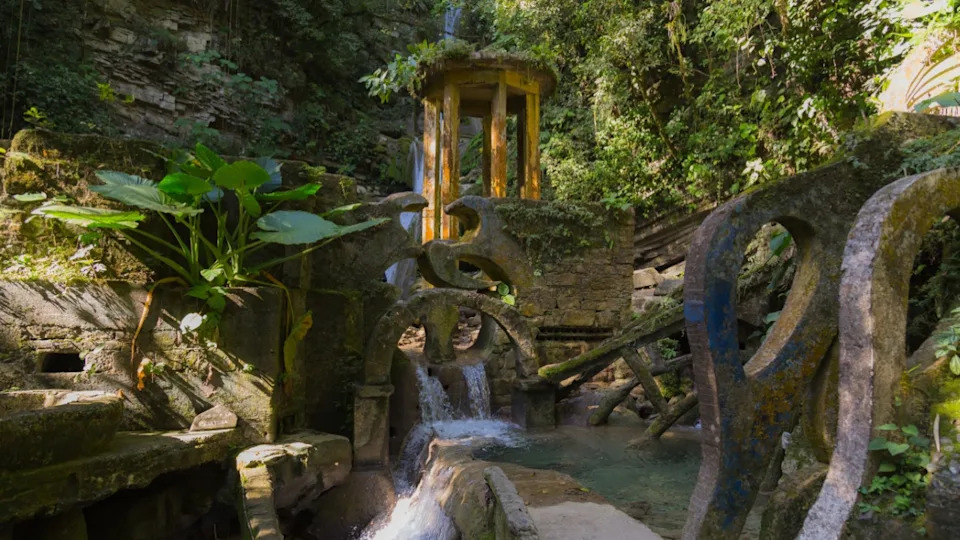
Image Credit: Nailotl at Shutterstock.
This surrealist garden was built in the Mexican rainforest by eccentric British poet and artist Edward James. Here, concrete structures imitate bamboo, flowers, and unfinished staircases that lead nowhere, while the jungle intermingles with the sculptures. Towering concrete pillars are surrounded by orchids and waterfalls.
This garden defies traditional rules, feeling more like a sculpture park consumed by nature. It inspires a sense of whimsy and fantasy, showing that even concrete can be an expressive material when shaped by imagination.
14. Singapore Botanic Gardens in Singapore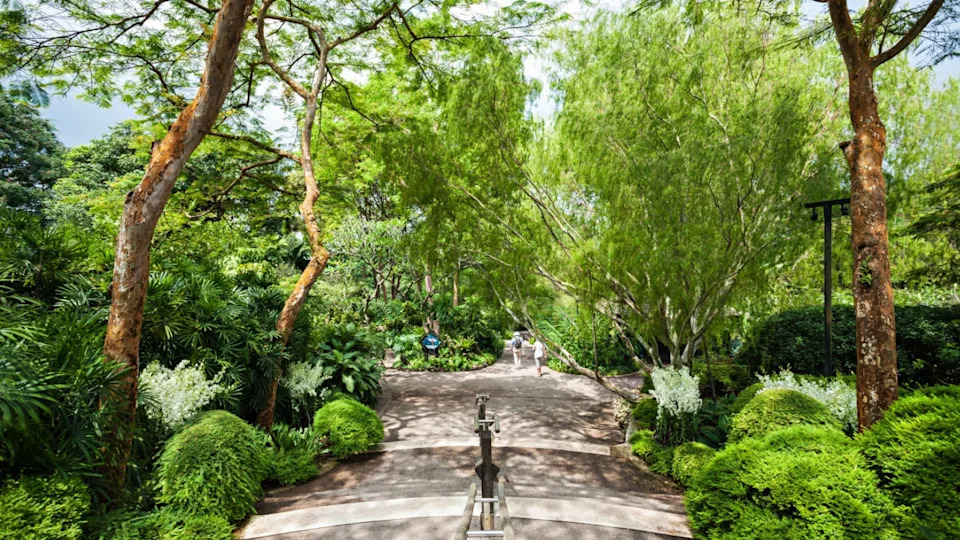
Image Credit: saiko3p at Shutterstock.
This tropical garden is the only one in the world recognized as a UNESCO World Heritage site, and it’s right in the middle of the city! The National Orchid Garden steals the show with thousands of stunning species and hybrids. Tall rainforest trees create a natural canopy, making it feel like you’ve stepped into a jungle.
Other cool spots, like the Ginger Garden and Evolution Garden, teach you how plants thrive in humid, tropical climates. You’ll also see clever ideas, like using epiphytes and hanging plants to make the most of small spaces. It’s a must-visit for nature lovers and garden enthusiasts!
15. Brooklyn Botanic Garden in New York, USA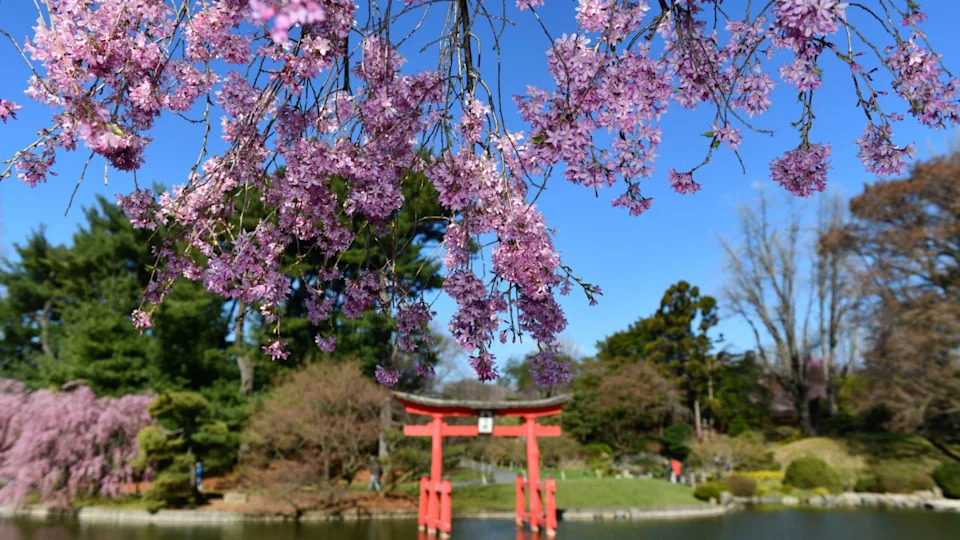
Image Credit: Shutterstock.
In the heart of a bustling city, this garden is a green oasis. Its Cherry Esplanade is iconic for its stunning spring blossoms, and the Japanese Hill-and-Pond Garden is one of the oldest of its kind in the US.
The garden cleverly creates different atmospheres within a small area. The Native Flora Garden, for example, showcases plants local to the New York area, proving that a thriving ecosystem can exist even in a concrete jungle. It’s a great source of inspiration for city dwellers looking to add some green to their own spaces.
Finding Your Own Garden Inspiration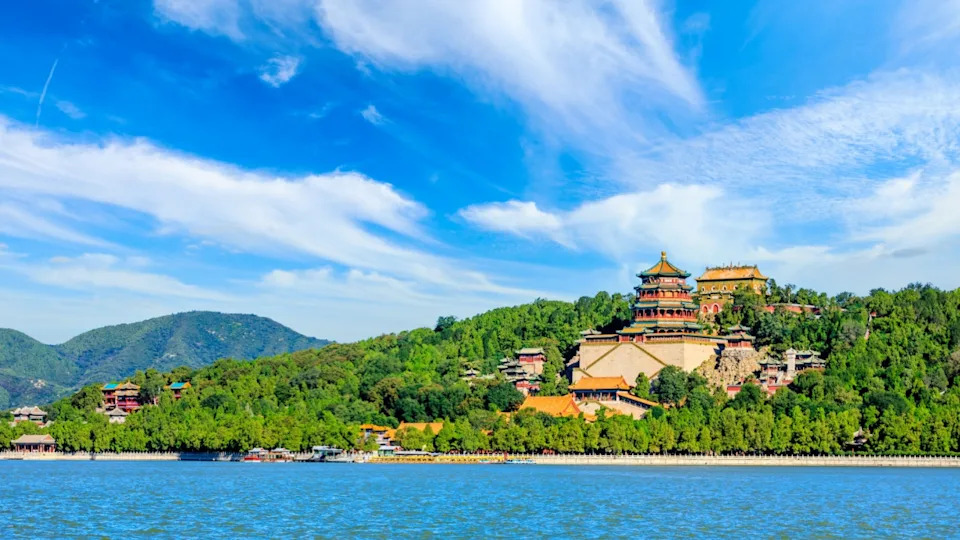
Image Credit: Shutterstock.
These fifteen locations demonstrate the sheer breadth of what a garden can be. They vary from wild and whimsical to strict and structured. Taking a moment to analyze what makes these spaces successful can improve any personal gardening project.
Identify one specific element from these famous sites that resonates with your personal taste. It might be a color combination, a type of plant, or a structural idea. Implementing just a single concept can elevate a home garden from ordinary to inspiring.
No clue where to start? Maybe you’ll just need to visit one (or three) first!
Comments are closed.