

As an avid houseplant collector, this time of year can feel especially busy. As we transition out of winter and spring starts to arrive, I always find my houseplants calling out in desperation for some TLC, especially my Monstera deliciosa with its brown tips, drooping foliage, and dull appearance. The good news is, it takes just a handful of steps to perk it back up and prepare it for a new growing season.
Even if you kept on top of monstera care through the winter months, it’s inevitable for it to look a little worse for wear by February. But, by pruning, cleaning its leaves, and adjusting watering, you can improve its appearance almost immediately and strengthen it in time for spring, when it enters an active growth season.
I do the below three things every year before March and it always gives my monstera a boost, resulting in new big fenestrated leaves and a happy looking plant – trust me, knowing what to do with a monstera in February will set your plant up for a productive season ahead.
You may like
1. Remove Damaged Foliage

The more light your monstera receives, the more likely it is to produce fenestrated foliage
(Image credit: Getty Images)
There are lots of different causes of monstera leaves turning yellow over the winter months.
It might be a result of oversaturated soil, too little light, drier air, or even possible pest damage.
As the plant is about to start growing again in spring, removing damaged plant material now will give it a boost. It essentially redirects the plant’s energy to putting on new growth, rather than trying to keep the struggling foliage alive.
I simply using sharp essential pruning tools, like these bypass pruning shears from Amazon, to prune my monstera by snipping leaf stems off at the base of the plant. Within a week, I often see new growth emerge.
Just take care to follow the one third pruning rule when doing this. Removing any more than can shock the plant and stunt its growth.
If your monstera is severely damaged, I recommend a more gentle and gradual approach.
First focus on removing the worst leaves only and wait for new growth in spring. You can then remove further damaged leaves a few weeks later, giving your plant the time to recover and regain its strength.
What to read next
2. Clean Leaves Gently

Houseplant pests can be prominent in winter, as they seek refuge in the warmth of your home
(Image credit: Suchada Tansirimas / iStock / Getty Images Plus / Getty Images)
My monstera is one of my most eye-catching plants, but it’s also one of the dustiest. Its large leaves are excellent at capturing dust out of the air, but this also results in a duller appearance.
While seemingly harmless, you may not realize dust can actually hinder your plant’s health. It blocks its pores and weakens its ability to perform essential plant processes like photosynthesis, which is why cleaning foliage is a crucial, yet overlooked, task.
I only ever use one thing to clean my houseplant leaves now: houseplant dusting gloves.
They may look a little weird at first but microfiber houseplant dusting gloves (like these from Amazon) remove dust and dirt from houseplant leaves in a single, gentle swipe.
This is also a good opportunity to check for common houseplant pests, especially underneath leaves where they like to hide.
You can check out our guides to getting rid of thrips and getting rid of spider mites if you do find any unwelcome residents on your plants.
3. Increase Watering Gradually
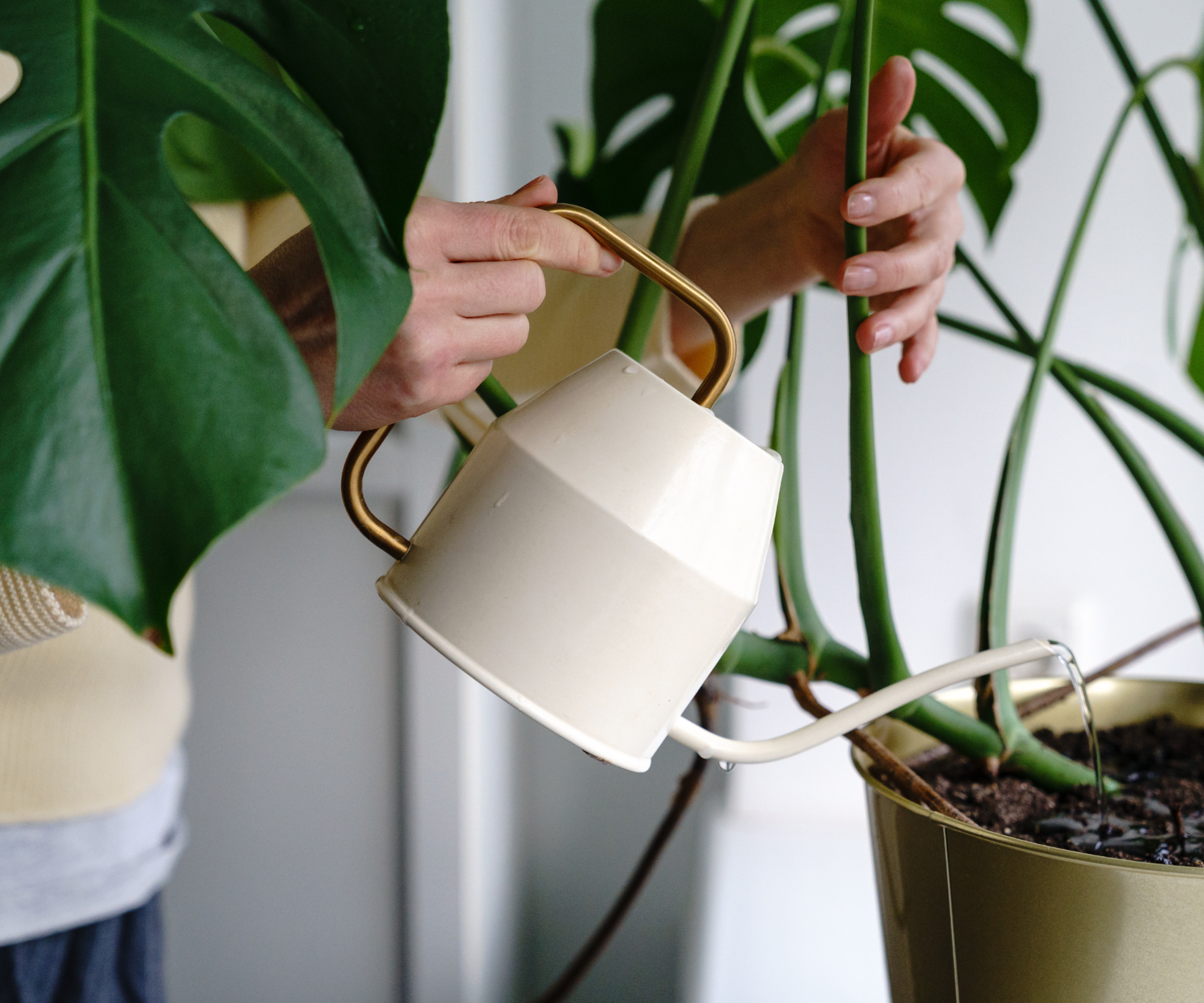
Monsteras are a lot more drought-tolerant than you might expect, often only needing watering every 2-3 weeks
(Image credit: Dima Berlin via Getty Images)
You may have noticed your monstera has not been drinking so much water in winter, with its soil staying wet for longer than in the warmer months.
This is due to two things: the monstera is in a dormant stage and doesn’t require so much water, and the cooler room temperatures are drying it out more slowly.
However, as your monstera prepares for another productive growing season, it needs plenty of water to keep hydrated.
You should start to increase the frequency of watering your monstera at the end of February and into March for this reason.
Word of warning: I don’t recommend setting a strict watering schedule. Instead, use a soil moisture meter (like this from Amazon) to identify how wet the soil is once a week and water accordingly. Deep watering is better than frequent watering, encouraging a fully hydrated root system.
This method will also prevent you over and underwatering your monstera, keeping issues like houseplant root rot at bay.
FAQsShould I Fertilize My Monstera in February?
Generally speaking, it’s not wise to fertilize your monstera in February. It is only just starting to wake up from dormancy during this time, and fertilizer may cause shock it, stunt growth, and cause fertilizer burn. Instead, hold off on feeding until March or April to support the new growth it’s putting on in spring.
Now you know what to do with a monstera in February, you can turn your attention to giving it some extra support as it grows. My guide to training an overgrown monstera has tips and tricks for using a moss pole (like this one from Amazon).
Shop Monstera Accessories

This plant food is a special blend to support monstera growth. Dilute with water to apply in spring and summer.
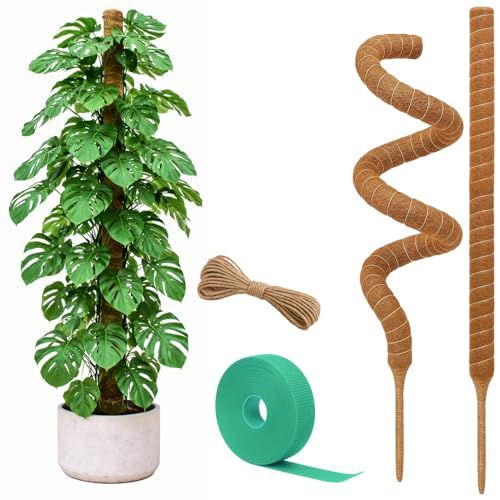
Moss poles are ideal plant stakes for monsteras. They can be bent to the shape of your monstera for personalized support.
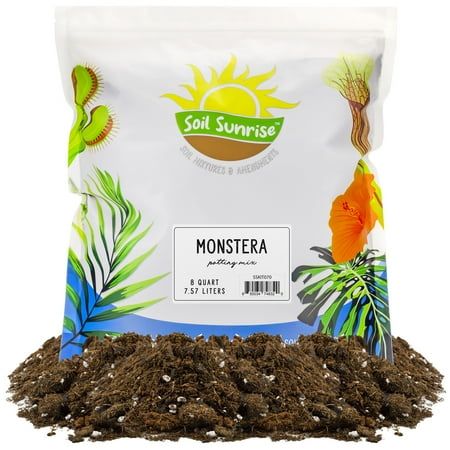
Monstera Houseplant Potting Soil Mix
This potting mix is a special formula to support monstera plants. It’s packed with nutrients and is well-draining.
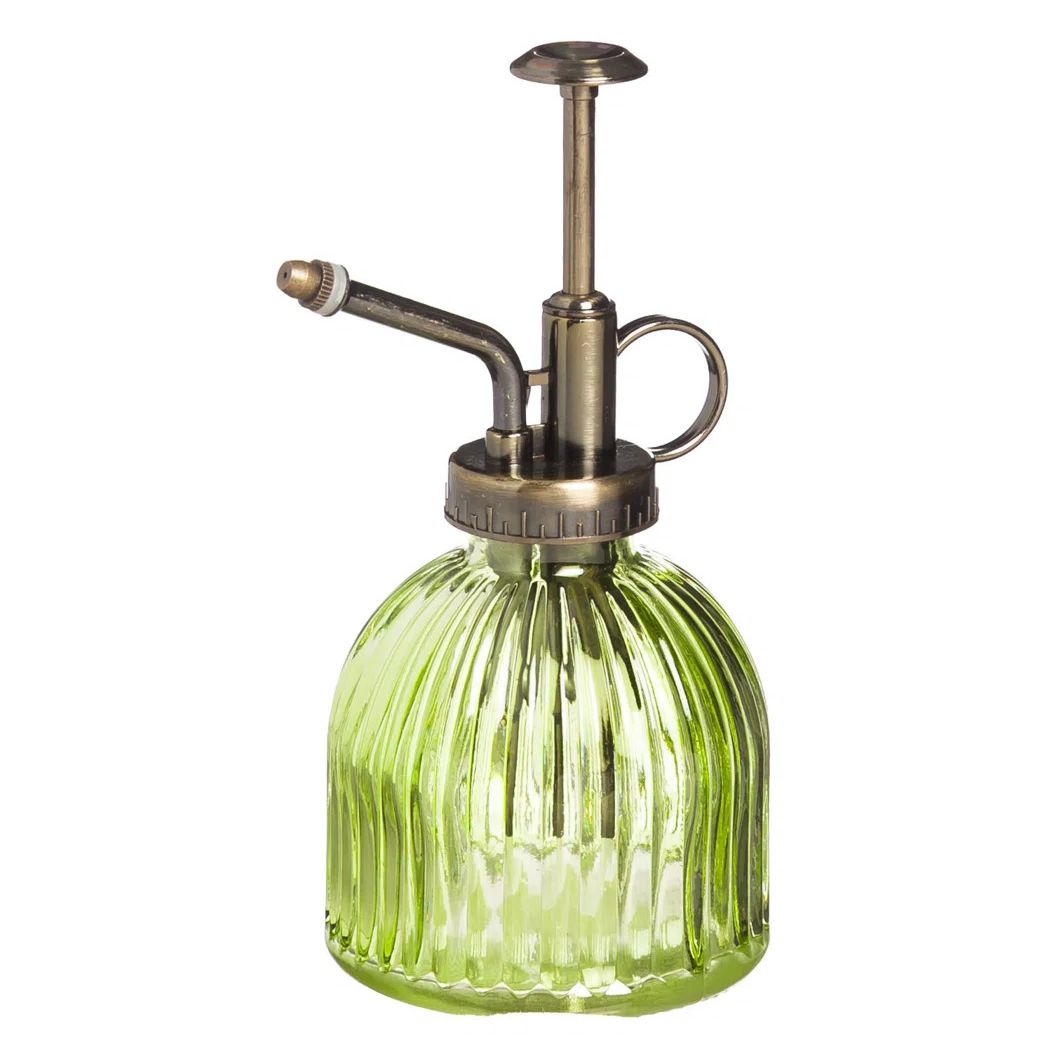
This decorative green glass mister can help boost humidity levels for your monstera. In between use, display it on a shelf or coffee table.
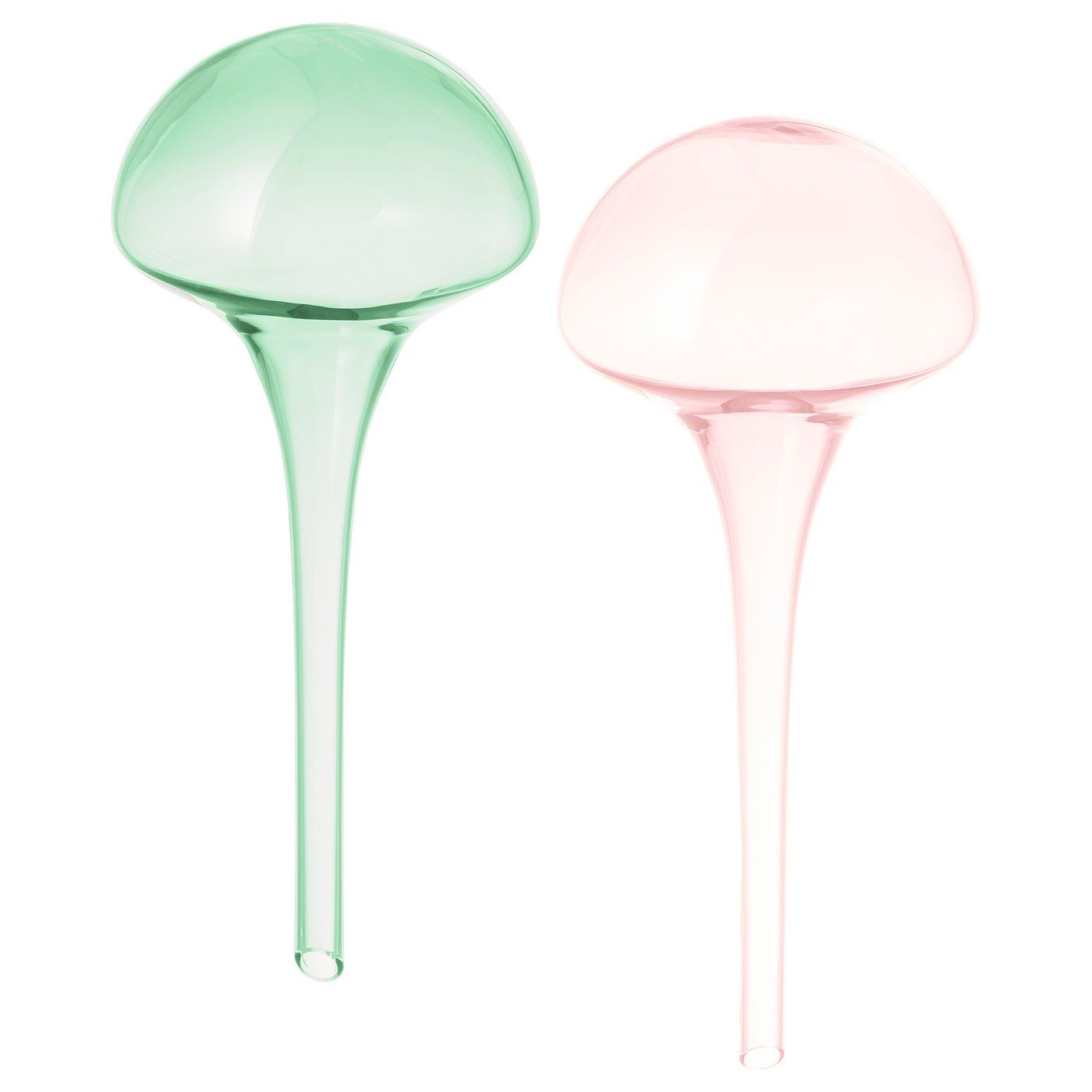
These pretty self-watering globes keep plants hydrated by gradually dripping water into soil. Simply keep them filled up.
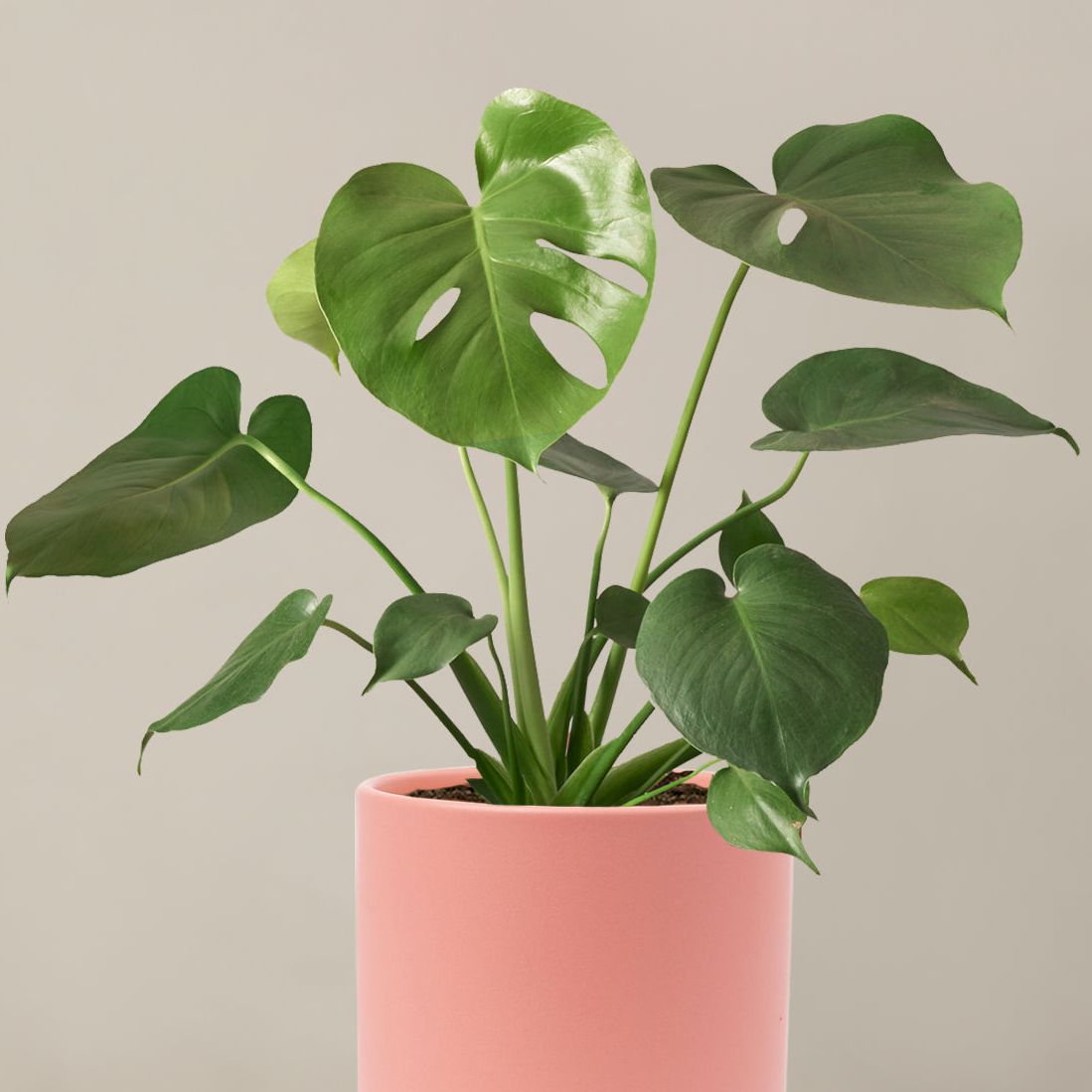
This beautiful Monstera deliciosa arrives 12-24″ tall at time of delivery. It comes in a planter of your choice.
Comments are closed.