
Few things are more exciting than moving into a brand-new home. Indoors, everything is perfect and practically speaking, it’s just a matter of booking the movers and unpacking. Outside, however, the experience is a little different.
The back gardens of new-build homes are typically left as blank canvases, with little more than a flat lawn and boundary fencing. While this can feel a little underwhelming at first, it’s also a wonderful opportunity.
With some careful thought and a clear plan, even the simplest garden can be transformed into a space that feels connected to the indoors. The key is knowing where to begin, and resisting the temptation to do everything at once. Here are a few tips for creating your ideal outdoor space.
Make a plan
Before making decisions about planting or materials, take a moment to think about how you want to use your garden. Will it be a place for outdoor dining and entertaining, an area for children to play, a quiet retreat at the end of the day, or a combination of all three?
Thinking about the garden in terms of zones is a useful starting point. Just as we divide interiors into rooms with distinct purposes, outdoor spaces benefit from being organised in a similar way. Even in compact gardens, creating a clear dining area, a relaxed seating space and a more open zone for play or planting helps the garden feel more intentional and easier to use.
Indoor-outdoor connection
Most new homes now feature generous glazing at the rear, whether through sliding doors, French doors or large picture windows. Let this visual connection guide how the outdoor space is arranged.
Placing the most frequently used outdoor area directly outside the main living space makes the garden feel like an extension of the house. For example, placing a dining area outside the kitchen or livingroom creates a natural flow between indoors and outdoors and encourages the garden to be used more often.
Where possible, consider continuity in finishes or colour tones. Using materials and colours outdoors that complement those inside helps both spaces feel more cohesive, and by carrying the internal finishes outside, you create the illusion of both your internal and external spaces feeling larger.
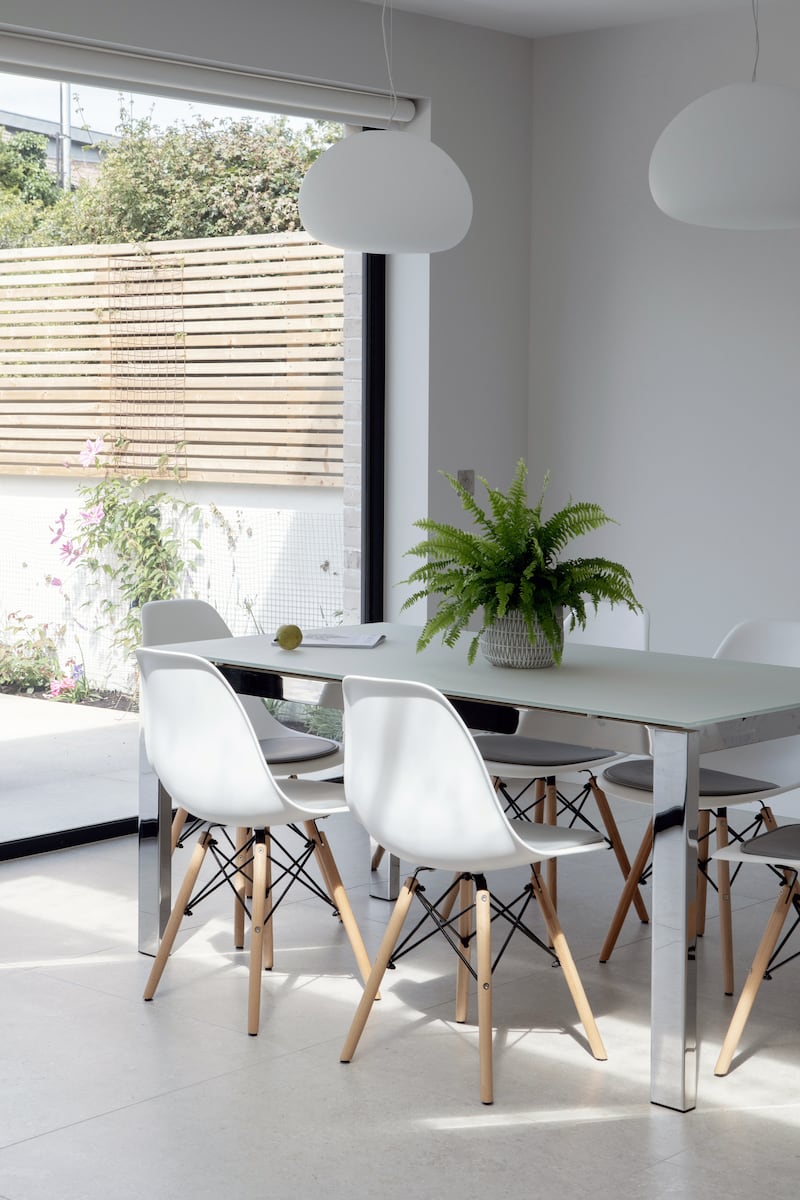 Consider continuity in finishes or colour tones. Photograph: Ruth Maria Murphy Design a structure
One of the most common mistakes in new gardens is focusing too quickly on planting without first addressing structure. Paths, terraces, levels and boundaries will define how the space works long before plants mature.
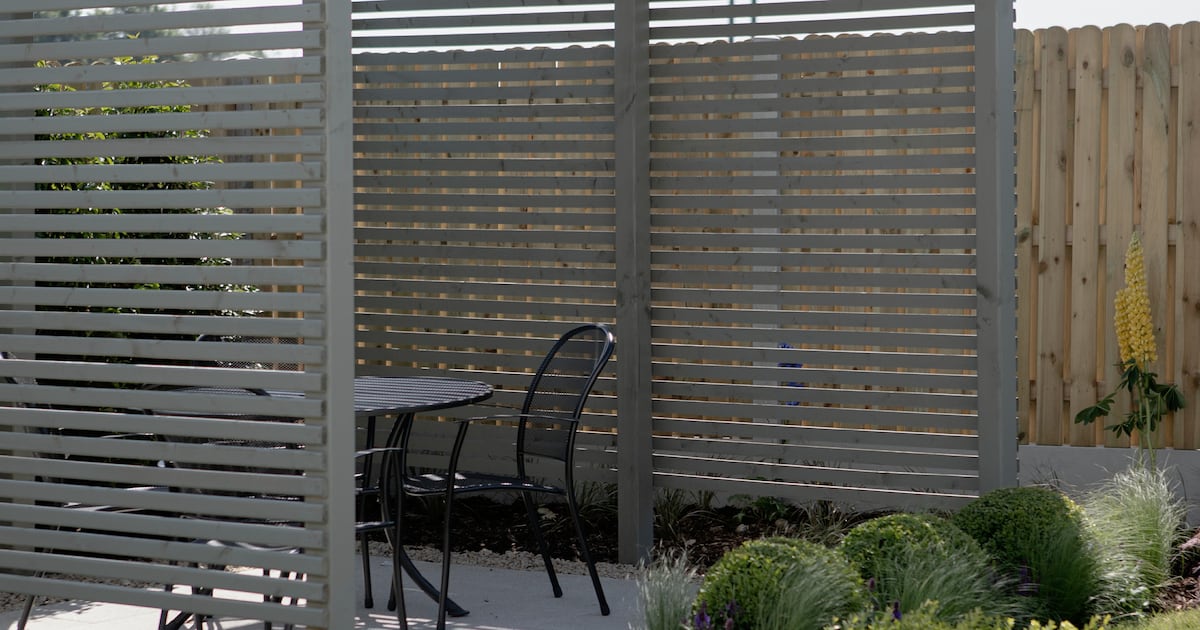
Introducing structure within the garden, through raised planters, low walls or pergolas, can help create a sense of enclosure and intimacy. These elements also provide a framework for planting to grow into over time, giving the garden a more settled feel from the outset.
Privacy is another key consideration, particularly where houses are closely spaced. While hedges and trees take time to establish, early decisions about screening can make a significant difference. A trellis with climbing plants or carefully positioned planting can soften boundaries and improve privacy while longer-term solutions mature.
Lighting
Outdoor lighting plays an important role in how a garden is used during summer evenings and how it is experienced from indoors during the darker months of the year.
When planning your lighting scheme, keep the approach straightforward and restrained. Low-level lighting along paths or steps improves safety, while a small number of lights aimed at planting or boundary walls adds definition without overcomplicating the space. Avoid bright or excessive lighting, which can feel harsh and unnecessary. A few well-placed fittings using warm light will usually achieve more than lighting the entire garden.
Keep maintenance in mind
For many homeowners, the idea of maintaining a garden can feel daunting. The aim should not be to create something high-maintenance or overly precious, but rather a space that is enjoyable and manageable.
Choosing plants suited to the site and allowing them room to grow will reduce the need for constant intervention. A mix of evergreen structure and seasonal planting provides year-round interest without requiring constant attention. It is also worth remembering that new-build soils often benefit from improvement, and investing time in preparing the ground early on will pay off in the long run.
Design for comfort and use
Outdoor furniture should be chosen with the same care as indoor pieces, favouring comfort and durability over purely decorative options. Custom-built furniture, such as benches, will feel more integrated than more traditional patio furniture. This is a particularly good idea for smaller gardens.
Creating covered seating or dining areas with pergolas or awnings is another effective way to make your outdoor space more comfortable all year round. When planning a covered area, consider the weather conditions specific to your garden. Ensure the roof covering is generous enough to keep the rain out and opt for materials like glass or polycarbonate to strike a balance between shade and light.
Take a phased approach
Perhaps the most valuable advice for new-home buyers is to avoid trying to complete the garden in one go. Living with the space for a season or two allows you to understand how light moves through it, where shelter is needed and how you naturally use the garden.
A phased approach also spreads costs and leads to better decisions. Begin with the essentials and allow planting and detailing to develop over time. Letting go of the idea that the garden needs to look “finished” immediately allows it to evolve naturally.
A well-designed garden is never static. Like the home itself, it evolves alongside its occupants. What begins as a simple outdoor area can, with time and thoughtful planning, become one of the most enjoyable parts of a new home.
With the right foundations in place, even the most modest blank-slate garden can grow into a space that feels connected, considered and a joy to spend time in.
Comments are closed.