
When planning a garden, it’s easy to stick with the familiar—tried-and-true plants that fill every nursery and neighborhood. But beyond the usual choices lie many overlooked plants that can bring unexpected beauty, unique textures, and even practical benefits to your space.
These underrated varieties aren’t just visually striking—they’re often hardy and low-maintenance. Whether they add bold blooms, unusual foliage, or unexpected seasonal interest, these plants can transform an ordinary garden into something truly distinctive.
If you’re looking to break away from the predictable and introduce a touch of surprise to your landscape, these 18 underrated plants deserve a spot in your garden.
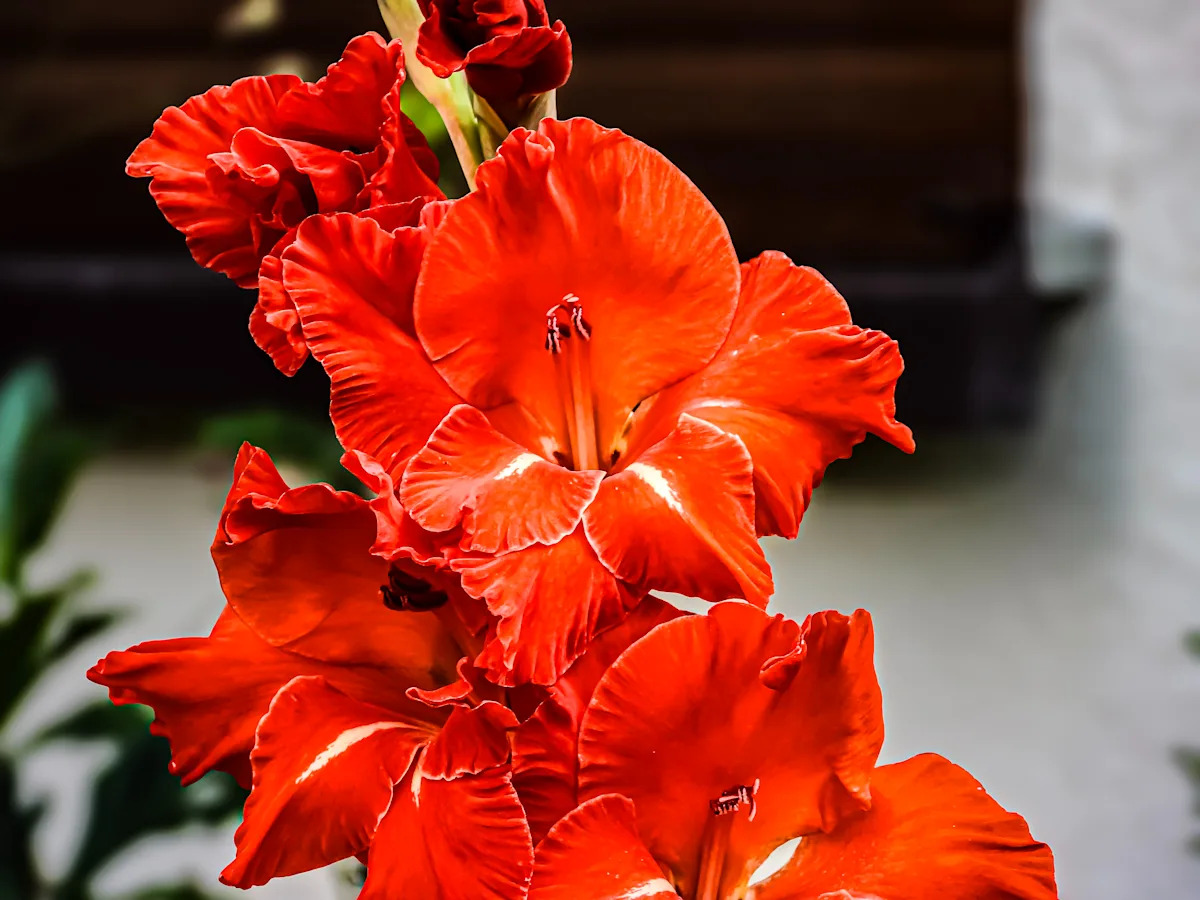
Canna
Image Credit: Deposit Photos
These heat-loving plants come in fiery reds, sunny yellows, and rich oranges. Cannas thrive in USDA hardiness zones 7-10, preferring full sun and moist, well-drained soil.
While cannas attract pollinators, they may be susceptible to pests such as caterpillars and spider mites, so it’s important to monitor them regularly for signs of infestation to maintain their health. Opt for organic solutions to prevent harm to the flowers.
Gladiolus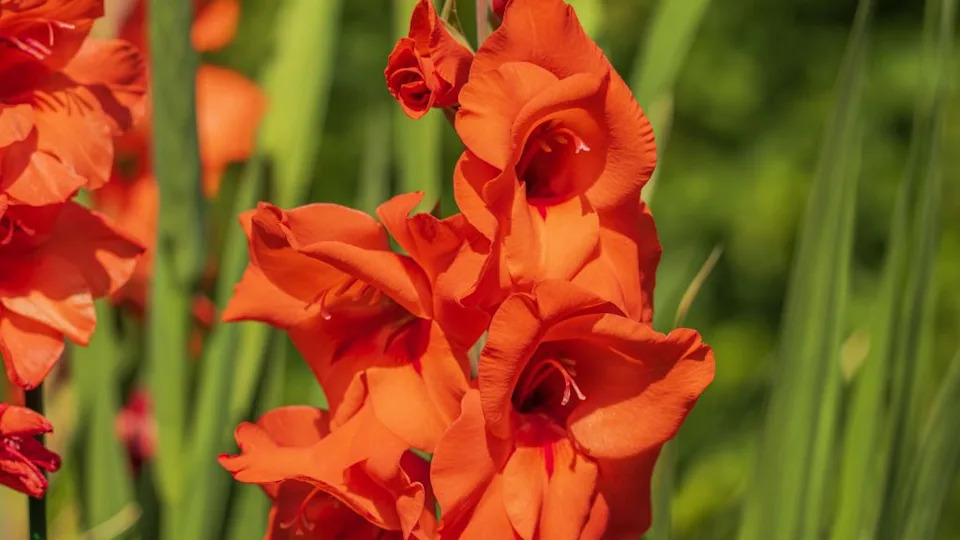
Image Credit: Deposit Photos
These summer-flowering bulbs are a favorite for adding vertical interest to garden beds. Plant them in spring for a spectacular display of blooms from mid-summer to fall.
Gladiolus are low-maintenance; they thrive in USDA hardiness zones 7-10 and need regular watering and fertilization for healthy growth. Gladiolus attracts pollinators like bees and hummingbirds.
Eucomis (Pineapple Lily)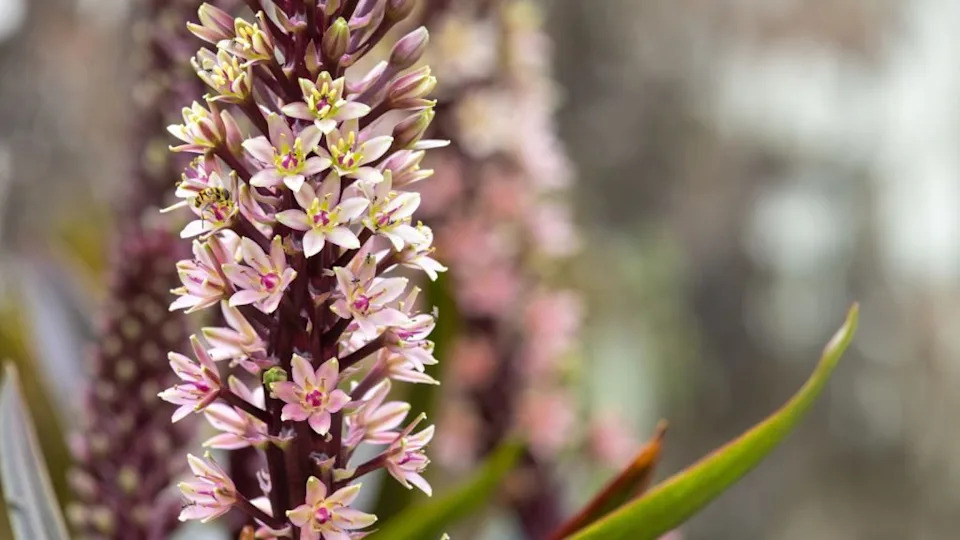
Image Credit: Deposit Photos
Eucomis, commonly known as pineapple lily, is a summer-blooming bulb with striking, unusual flowers that resemble a pineapple, thanks to the tufted cluster at the top of its sturdy stem. This unique appearance gives the plant its popular name.
Flowering from late summer through early autumn, Eucomis is easy to grow and adds a tropical flair to sunny borders or sheltered gardens. They come in shades of white, pink, and violet.
Agapanthus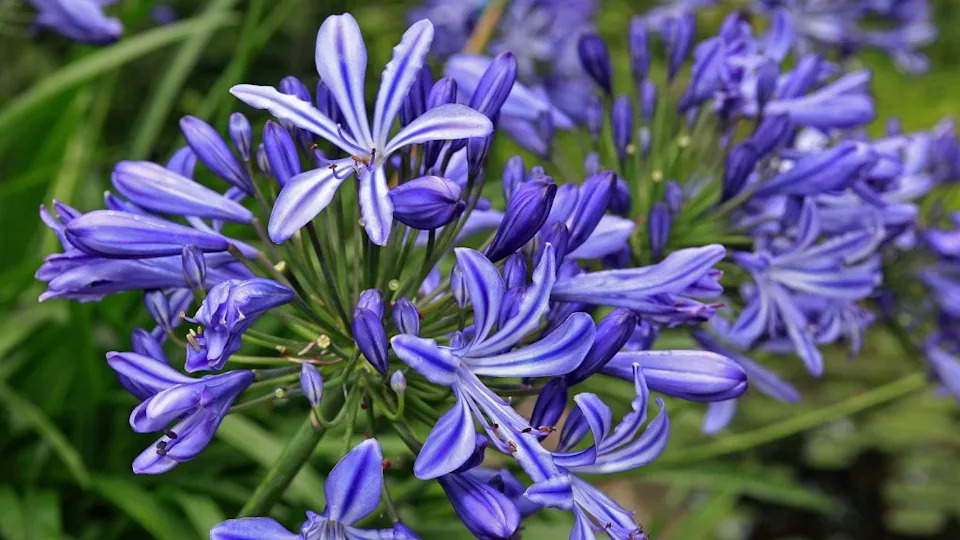
Image Credit: Deposit Photos
Agapanthus, also known as the Blue Lily of the Nile, produces large clusters of trumpet-shaped flowers in shades of blue, purple, or white.
These perennial bulbs must be planted in early spring to bloom in late summer. They do well in USDA hardiness zones 7-11. There are many varieties of Agapanthus, but the most popular ones are ‘Peter Pan,’ ‘Midnight Blue,’ and ‘Twister.’
Liatris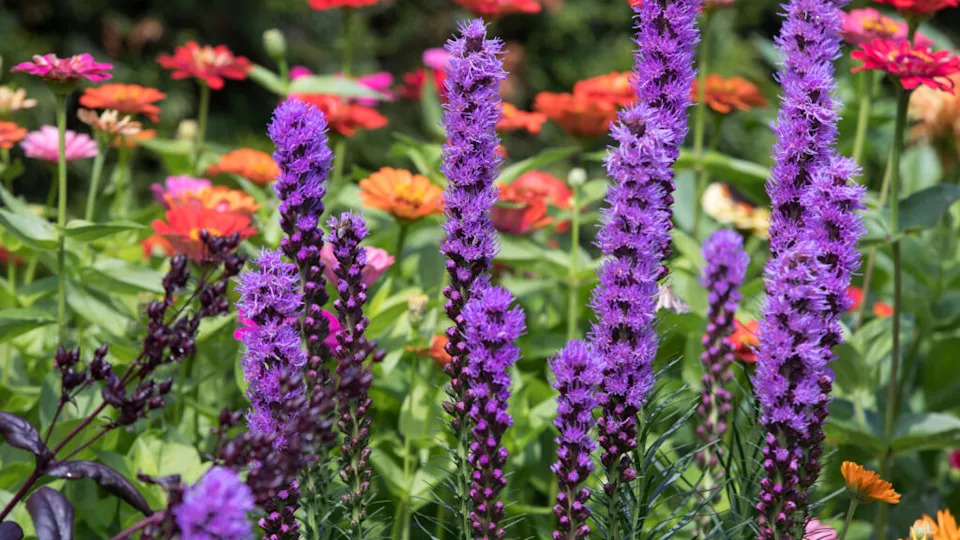
Image Credit: Deposit Photos
Liatris, also known as blazing star or gayfeather, is native to North America. It is characterized by tall spikes of densely packed purple or pinkish-purple florets that bloom from top to bottom in summer and early fall.
Because of its shape, Liatris attracts pollinators and adds vertical interest to gardens. Liatris thrives in USDA hardiness zones 3-9, preferring full sun and well-drained soil.
Virginia Bluebells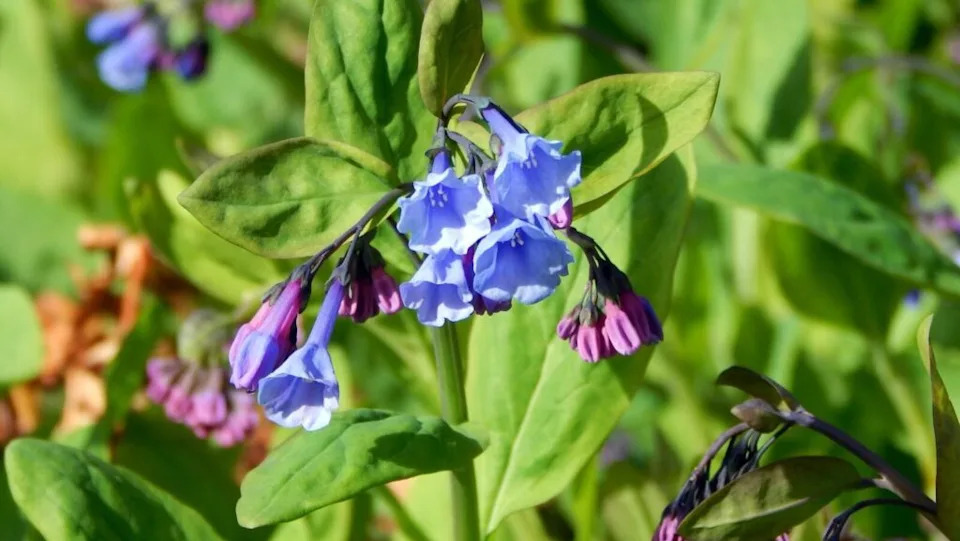
Image Credit: Khan “Sadh” N. Mostafa, CC BY 2.0, via Wikimedia Commons
Native to the Eastern U.S., these plants feature pale green leaves and stalks of tubular blue flowers, transitioning from pink to clear blue before going dormant. They naturalize well, creating breathtaking drifts of color in spring.
Solomon’s Seal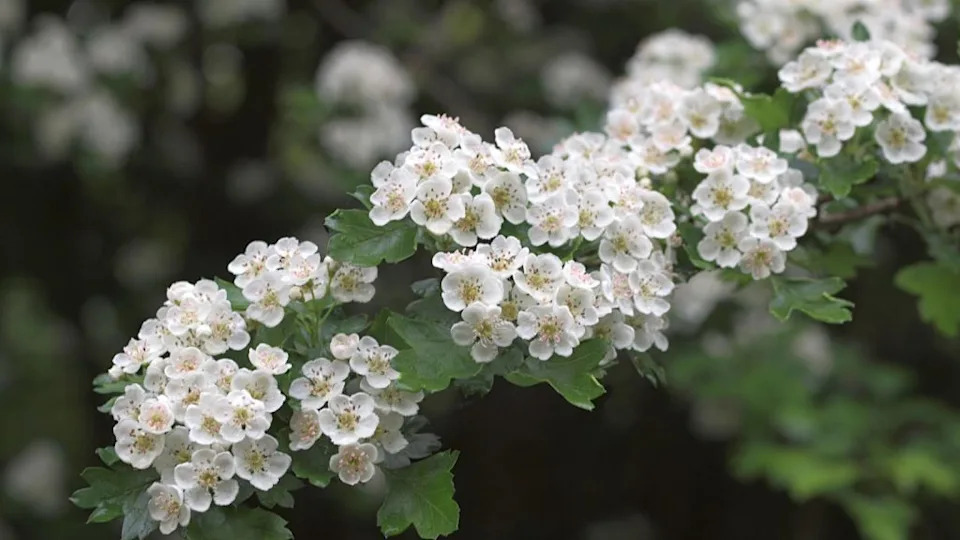
Image Credit: Deposit Photos
Solomon’s seal is a beautiful woodland plant that produces a sea of delicate white blooms above a mass of dense green foliage. This plant grows best in a shaded, damp location. This plant grows well with black walnut trees.
Foamflower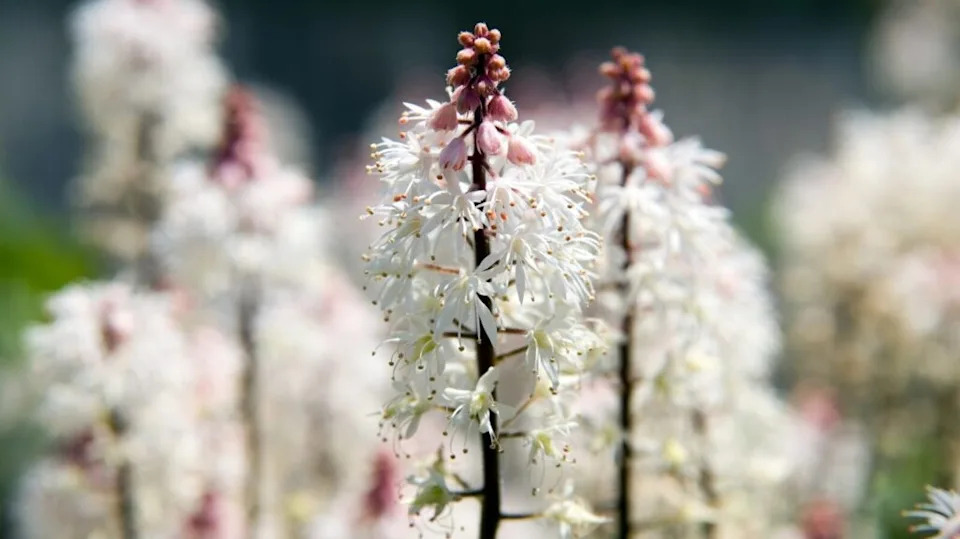
Image Credit: David J. Stang, CC BY-SA 4.0, via Wikimedia Commons
Foamflower is a charming ground cover with white or pinkish flowers rising above variegated foliage, perfect for a woodland garden. It is a tough plant that requires little care to grow and flower. Zones 3-9
Foxglove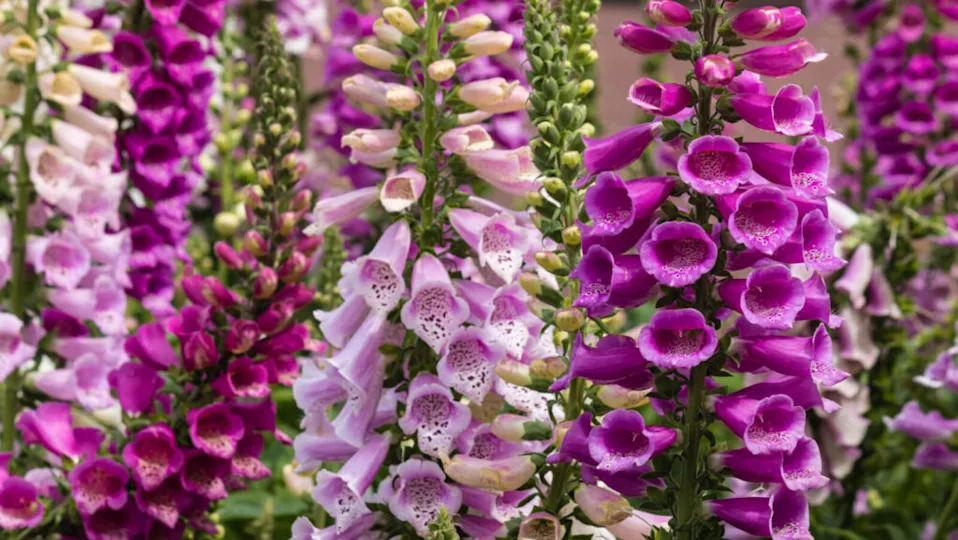
Image Credit: Deposit Photos
Foxglove features tall spikes of bell-shaped flowers, ideal for adding vertical interest to shaded garden areas. It blooms from late spring to early summer and is suitable for Zones 4-10.
Bleeding Heart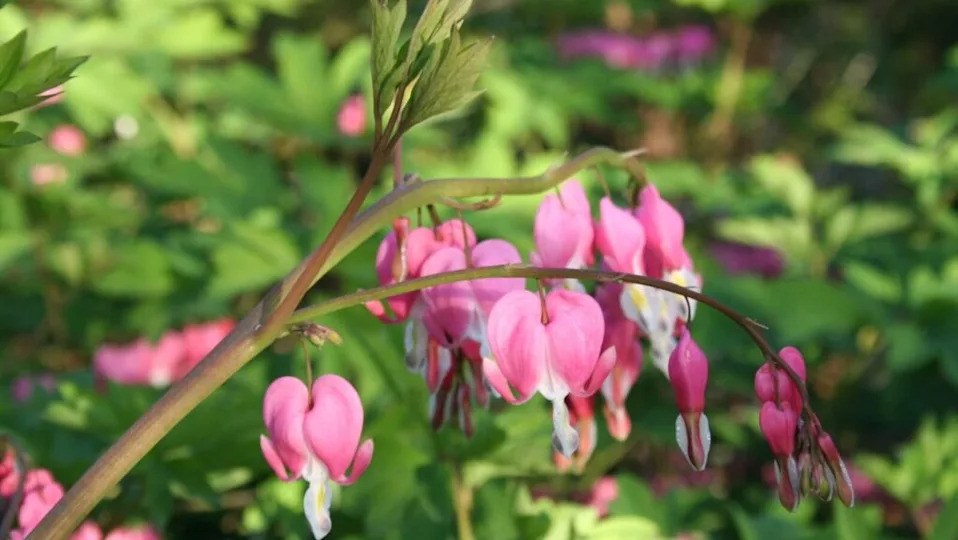
Image Credit: SterlingHerron, CC0, via Wikimedia Commons
Known for its heart-shaped flowers on arching stems, Bleeding Heart is a beautiful addition to shady spots. This plant requires rich garden soil that doesn’t dry out but drains well. It is the longest blooming of all the perennials and grows up to 15 inches. Zones 3-9
Globe Thistle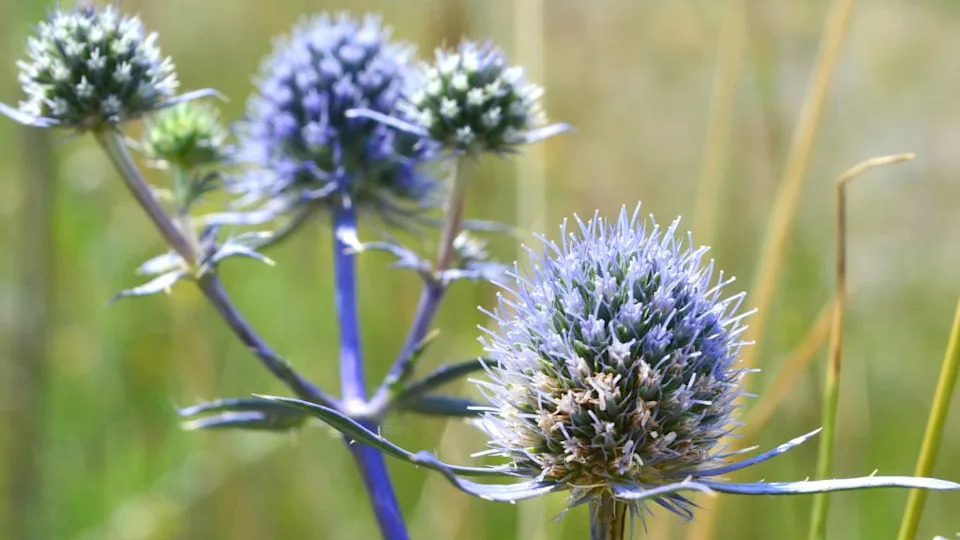
Image Credit: Deposit Photos
Distinctive for its spherical blue flower heads, globe thistle can be planted in June to enjoy blooms from mid-summer to fall. It’s a striking addition that brings texture and a hint of wild nature to your landscaping.
Thrift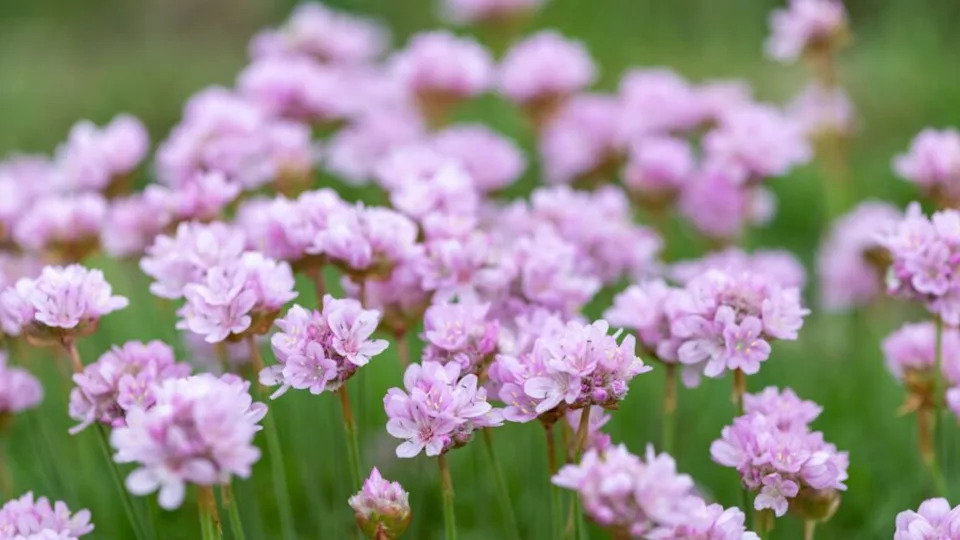
Image Credit: Deposit Photos
Thrift, often called “sea thrift” or “sea pink,” is a resilient perennial. Its striking, deep pink, ball-shaped blooms add a burst of color to most gardens.
These vibrant flowers are ideal for cutting. They make an excellent choice for border planting. Thrift is a low-growing plant that easily adapts to drought and drying winds, making it a low-maintenance option for gardeners. It thrives in Zones 3-9.
Agastache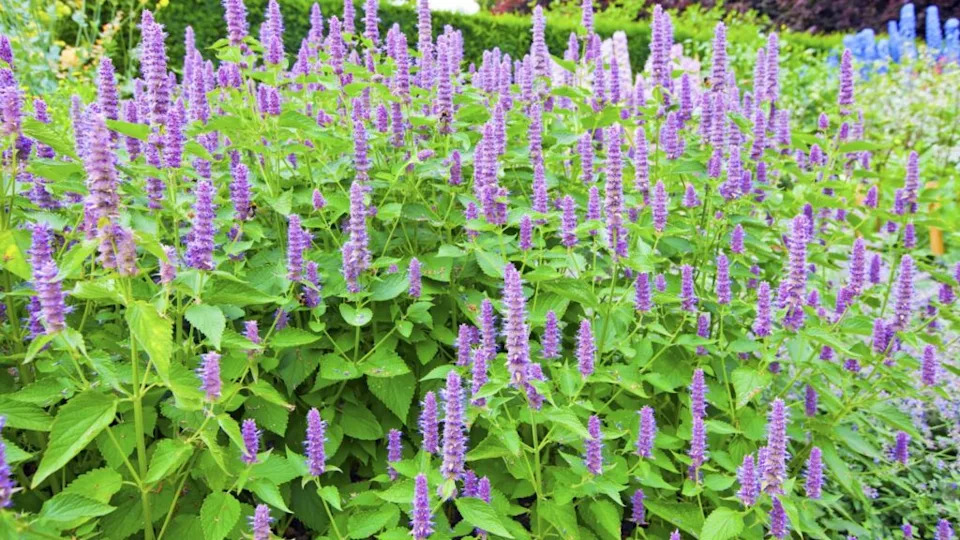
Image Credit: Deposit Photos
Agastache is a favorite among bees, hummingbirds, and butterflies. It features tall spikes of fragrant purple, pink, and orange flowers. Agastache requires full sun and well-drained soil. This plant is fairly pest-free and will bloom through the summer. Zones 4-10
Kniphofia (Red Hot Poker)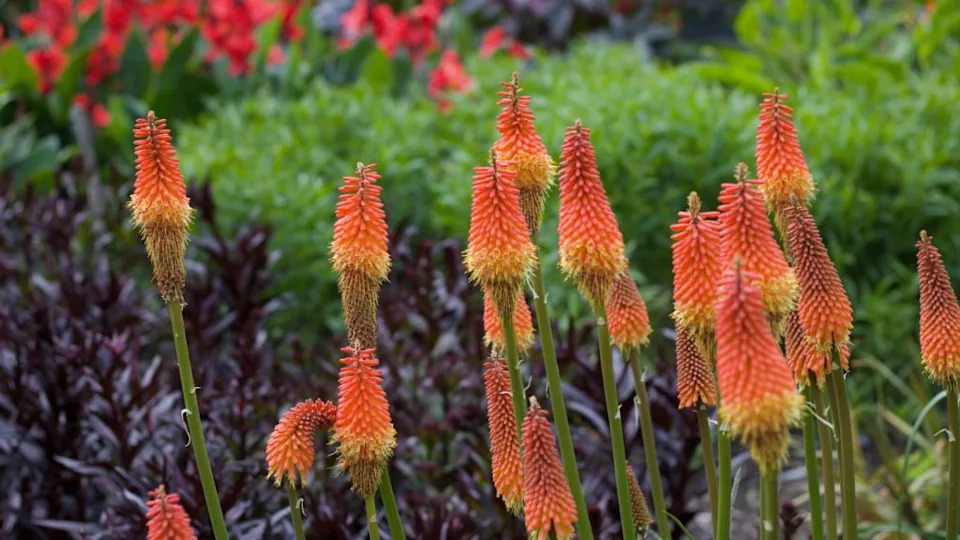
Image Credit: Deposit Photos
Red hot pokers (Kniphofia), also known as torch lilies, are eye-catching herbaceous perennials that stand out for their tall flower spikes, blooming in vibrant shades of red, orange, and yellow during spring and summer.
Native to Africa, these plants take about four years to reach full size. Their bright blooms are a magnet for pollinators like bees and butterflies. Red hot pokers thrive in full sun and well-drained soil and are hardy in USDA Zones 5-9.
Perennial Geranium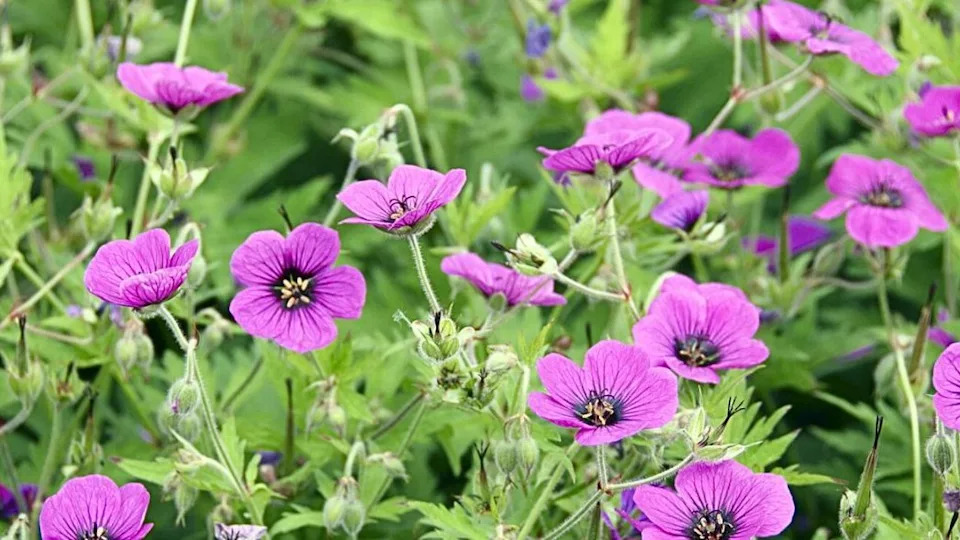
Image Credit: Deposit Photos
Perennial geranium, often known as cranesbill, will bloom in shades of pink, purple, blue, and white. This easy-care plant thrives in diverse conditions. The blossoms often feature intricate, darker veins radiating from the center.
Most perennial geraniums begin flowering in early to late spring, continuing through midsummer, with some extending their display well into autumn. Many varieties rebloom throughout the season, especially when trimmed after their first flowering.
Catmint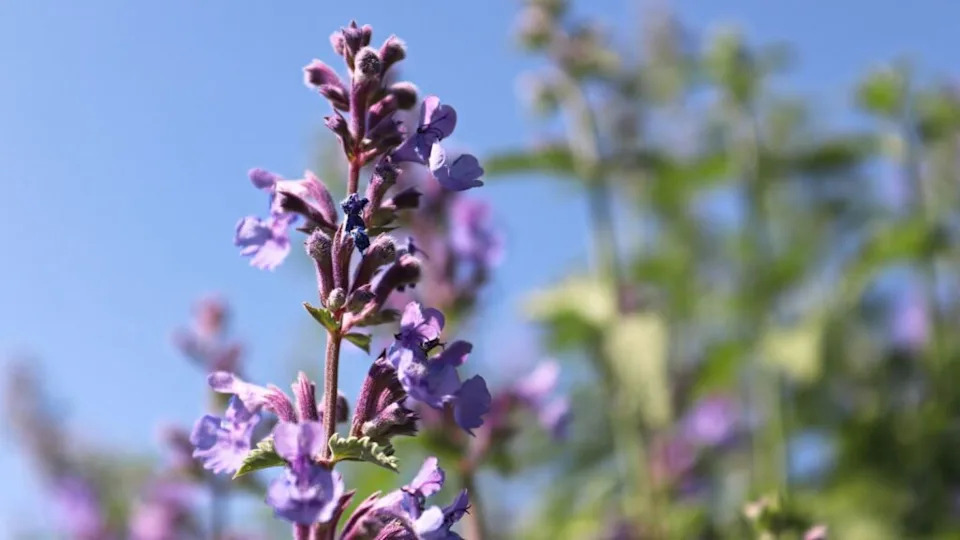
Image Credit: Deposit Photos
Catmint produces
-blue flowers throughout the summer. It’s easy to grow, drought-tolerant, and thrives in full sun to partial shade. This sun loving plant is not fussy about soil conditions and grows anywhere from 18-24 inches. Zones 3-8
Balloon Flower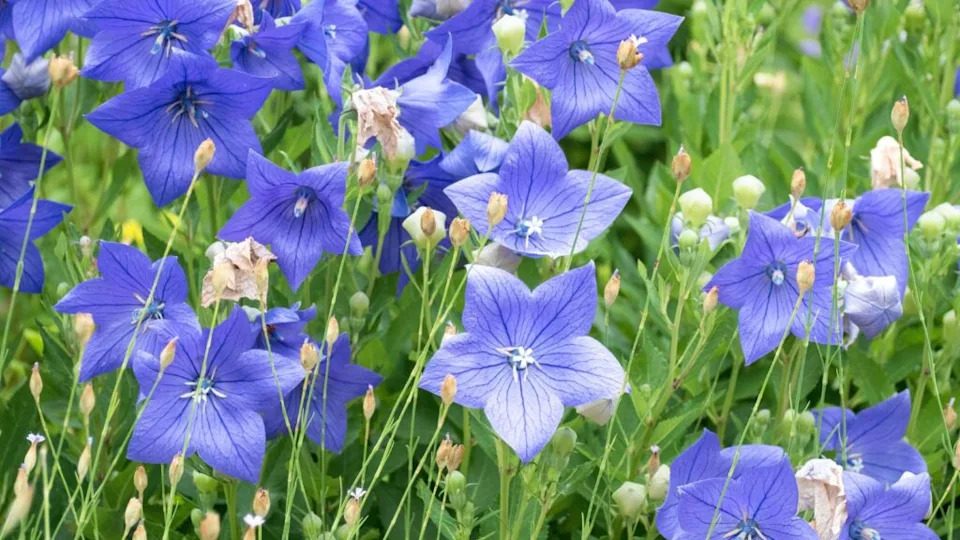
Image Credit: Rhododendrites, CC BY-SA 4.0 via Wikimedia Commons
Named for its unique balloon-shaped buds, this plant opens into beautiful star-shaped flowers. It prefers full sun to partial shade. This well-behaved plant adds a bright note wherever it is planted. It requires little to no maintenance and will bloom throughout the summer. Zones 3-8.
Turtlehead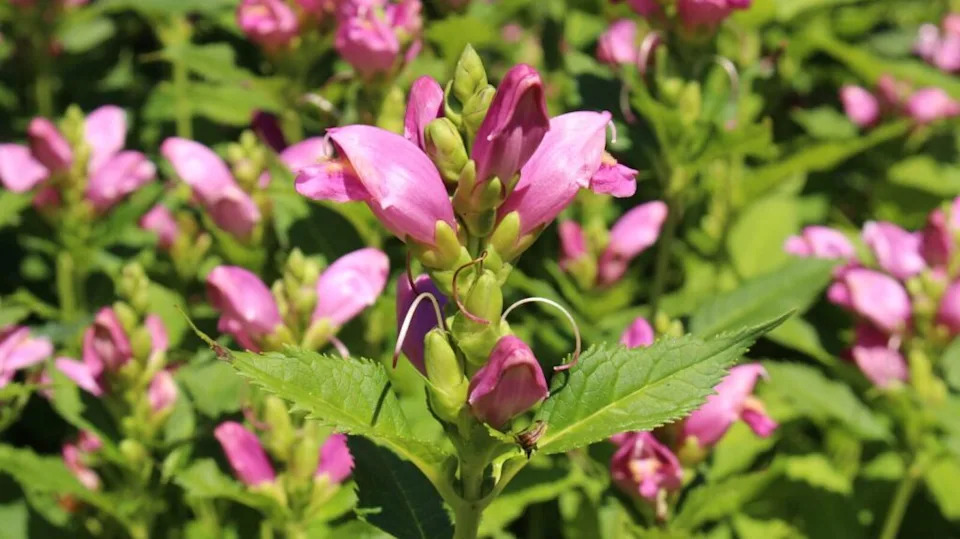
Image Credit: Deposit Photos
Named for its unique flower shape, which resembles a turtle’s head, Turtlehead thrives in moist, shaded areas, providing late-season color with its pink or white blooms. This plant pairs nicely with small shrubs. Zone 3-8
Comments are closed.