
By late winter, cabin fever has likely set in, and you may be itching to get out into your garden and clean up your yard. And with the first early spring days arriving soon, a tease of warmer temperatures to come, you’re likely ready to pull on your garden boots and gloves and get down to business.
But, how soon is too soon to get your hands in the dirt? We spoke with lawn and garden experts to help us understand when it’s too early to tackle yard work (even with a hint of spring around the corner!), what can happen if you start your garden clean-up prematurely, and helpful tips once it’s finally time to get out there.
When Is It Too Early to Start Garden Clean-Up?
If there are hard freezes still in the forecast, mushy ground underfoot, snow, or ice, then it is much too early to start working on the lawn or garden. Spring can be fickle—in some areas of the country, snow isn’t uncommon, while in others, temperatures rise dramatically, so always consider your individual climate first.
Stay away from snow or ice-covered gardens and lawns; even just walking on frozen ground can damage the grass and soil. “Walking on frozen, frosted, or snow-covered grass can crush delicate grass blades and compact the soil beneath them,” says John Steiner, a lawn care expert with NaturaLawn of America. “Compacted soil restricts airflow, water, and nutrients, making it harder for your lawn to recover as temperatures rise.”
Even if snow is long gone, your soil may still be frozen or very heavily saturated from melted snow or rainfall, in which case, you’ll just be working against the soil instead of with it, says Don Chouinard, a lawn care expert and principal pro account manager at Irrigreen. “In cold climates especially, spring is a transition,” he says. “One warm weekend doesn’t mean the garden or lawn is ready. Spring soil stays wet longer than people expect, and night freezes are still possible.”
Cons of Starting Garden Clean-Up Too Early
Cleaning up your lawn or garden too early can cause a range of issues, from uneven spots to limited root growth. “If you start raking, running equipment, or turning on irrigation before the ground has fully thawed and drained, you can compact soft soil, create uneven spots, and stress turf that’s just starting to wake up,” says Chouinard.
Chouinard also warns against overwatering in the spring, which he says is a common mistake because of the warming temperatures. “If the soil is still saturated and you start watering or doing heavy clean-up, you can end up with soggy areas, pooling, or soft ground that never quite evens out,” he says.
Additionally, compacted soil can limit the root growth of your grass and plants, which further reduces the lawn and garden’s ability to absorb water and nutrients, says Steiner. “These early setbacks can affect the lawn’s health well into the growing season,” he says.
When to Start Garden Clean-Up
Start light garden clean-up once temperatures are consistently warmer than 40 degrees Fahrenheit. “At this point, it’s safe to remove fallen branches and leftover leaves,” says Steiner. “Gentle raking helps improve air circulation, which reduces the risk of snow mold and other lawn diseases.”
However, you should wait until air temperatures are closer to 55 or 60 degrees to truly start digging into heavier work, such as heavy-duty raking, aerating, and fertilizing. This ensures that the ground is fully thawed, you’re past any hard freezes, and the soil doesn’t have excess moisture, says Chouinard.
“I always tell homeowners to think of spring as a ramp, not a switch,” he says. “Start simple and before adjusting anything, walk the yard. Take ten minutes and look for low spots holding water, areas that struggled last year, and differences between beds, sod, and lawn sections.”
Garden Clean-Up Tips
Once the weather and ground have sufficiently warmed up, it’s time to get your hands dirty. Keep these expert tips in mind when tidying your lawn and garden.
Perform a Soil Test
The key to a healthy landscape is high-quality soil, and spring is the perfect time to conduct a soil test. “A soil test provides valuable information, including soil pH, nutrient levels, organic matter content, and soil type,” says Steiner. “With this insight, you can make informed decisions about fertilization and treatments, ensuring your lawn gets exactly what it needs to thrive.”
Rake Leaves and Debris
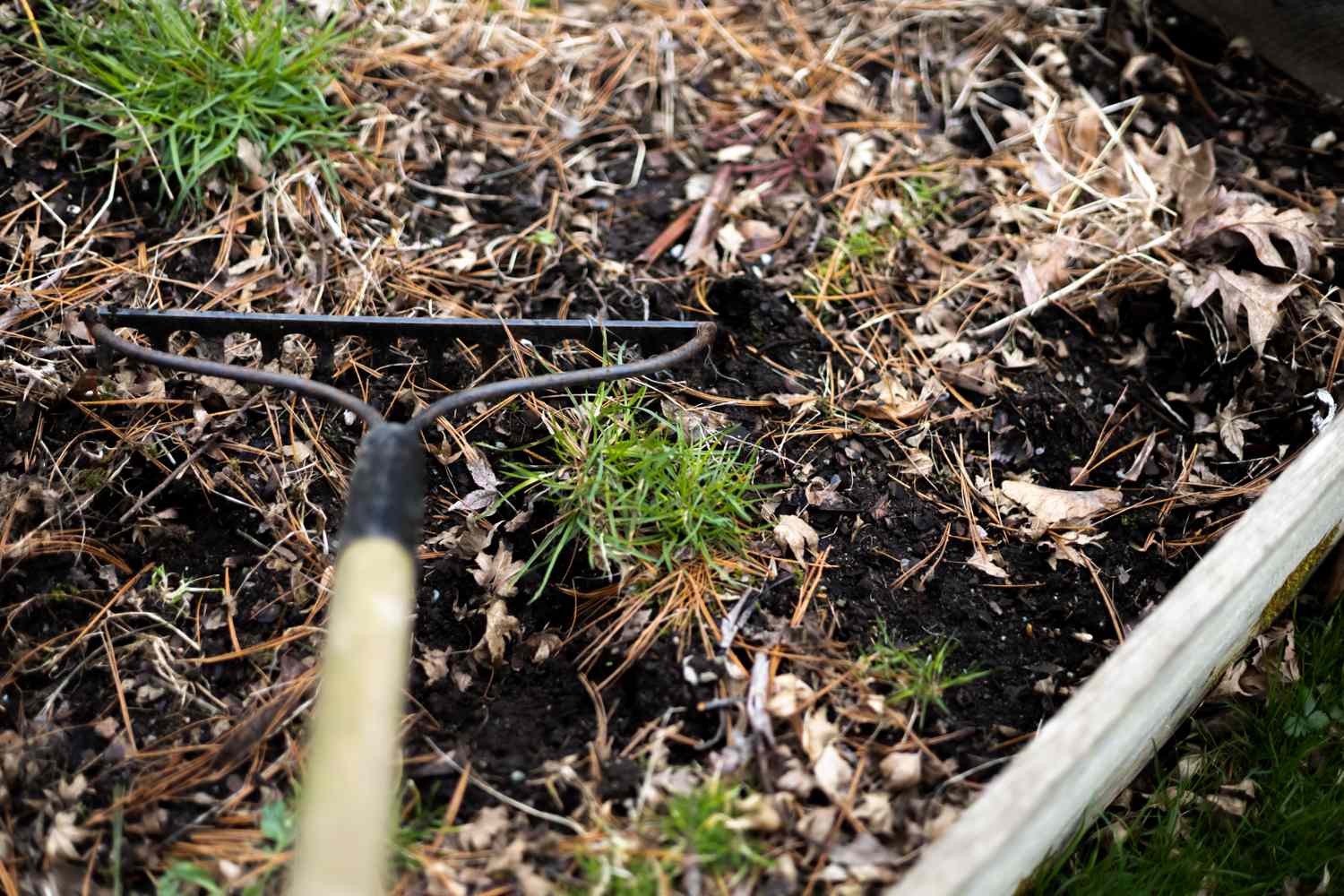
Raking fallen leaves and other debris on your lawn sets you up for later success. “Rake, rake, and then when you are done rake some more,” says Lou Manfredini, home and lawn expert with Ace Hardware. “Removing the debris from your lawn and garden is the best starting point.”
Aerate your Lawn
Aerating your lawn allows it to breathe and improves drainage, which is needed after consistent rain and snowfall over the previous few months. Waiting to aerate until the ground is completely thawed is very important; aerating frozen ground can damage the root systems of your plants and grass. But once it’s warm, aerating is smart to do. “Aeration is another helpful step, as it relieves soil compaction and allows oxygen, water, and nutrients to reach the root zone more effectively,” said Steiner.
Seed Thin Areas and Bald Spots
Inspect your lawn for bald spots and seed those spots first. Allow time for germination before applying any pre-emergent weed treatments, Steiner says.
Prune Non-Flowering Plants
Steiner suggests pruning your non-spring-flowering plants to improve airflow and sunlight exposure. Take the time to define and edge garden beds and trim bushes and dead branches from trees, says Manfredini.
Comments are closed.