

There’s something quietly powerful about stepping into a great botanical garden. For a few hours, the noise of everyday life fades, replaced by the scent of roses, the rustle of bamboo, or the sculptural silhouette of desert cacti against open sky.
A true botanical garden isn’t just beautiful. As Vogue describes it, these spaces are defined by their “broader purpose of scientific research, conservation, as well as education and display.” Botanical gardens are living museums; places where ecosystems from around the world are carefully cultivated and interpreted.
If you’re planning a trip and wondering which are the best botanical gardens in the US, the answer depends less on hype and more on what kind of experience you want: spectacle, serenity, rare plants, or regional immersion.
Gardens That Redefine Scale and Spectacle- 1. Longwood Gardens, Pennsylvania
Image Credit: Shutterstock.
Longwood Gardens is frequently named among the best botanical gardens in the US, and for good reason. Spanning more than 1,100 acres and home to 9,000 species and varieties of plants, it offers meadows, fountains, and an iconic conservatory.
As Condé Nast Traveler notes, the garden’s orchid house and meadow trails make it “superbly worthwhile.” Coordinate your visit alongside illuminated fountain performances and a visit to the formal gardens, and Longwood becomes a destination.
2. Chicago Botanic Garden, Illinois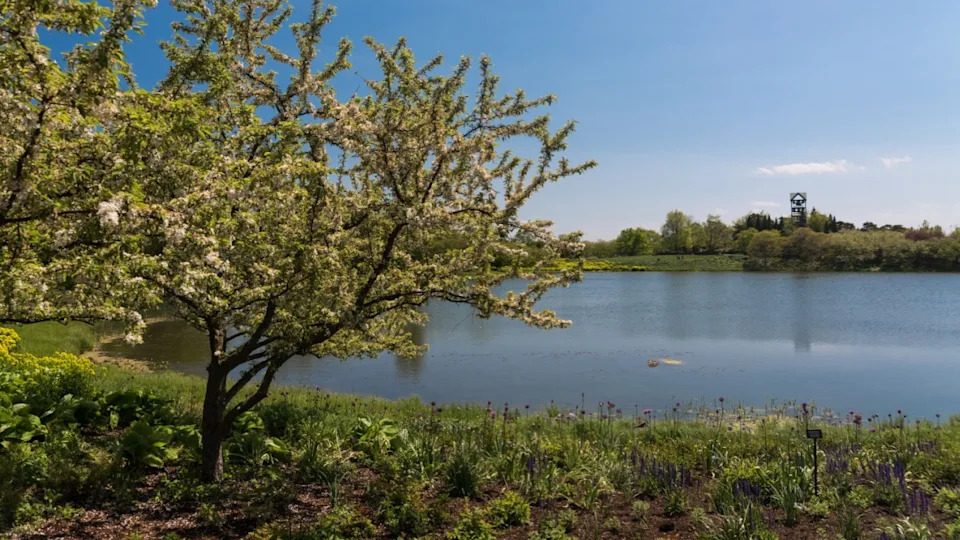
Image Credit: Shutterstock.
With 385 acres and 27 distinct gardens, the Chicago Botanic Garden rewards those who can swing repeat visits. Surrounded by lakes and dotted with themed spaces, from English walled gardens to acclaimed bonsai collections, it balances grand design with intimate plantings.
Chicago is definitely worth repeat visits throughout the year.
3. Missouri Botanical Garden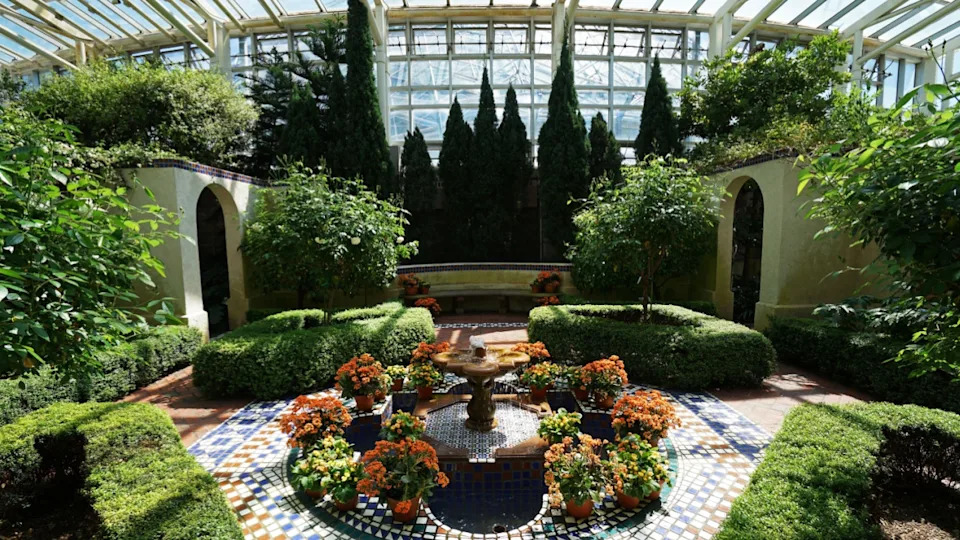
Image Credit: chettarin at Shutterstock.
Founded in 1859, the Missouri Botanical Garden is the oldest continuously operating botanical garden in the United States. Designated a National Historic Landmark, the 79-acre garden in St. Louis blends Victorian-era charm with cutting-edge botanical research and conservation.
It’s Climatron, a striking geodesic dome greenhouse and the world’s first of its kind, which houses a lush tropical rainforest filled with towering palms, orchids, and more than 1,000 species of exotic plants. Beyond the dome, visitors can wander through one of the largest Japanese gardens in North America, explore the tranquil English Woodland Garden, or step inside the historic Linnean House, which is America’s oldest continuously operating greenhouse.
The result is a garden that feels both storied and forward-looking, honoring its 19th-century roots while remaining a global leader in plant science and preservation.
Immersive Urban Oases- 1. New York Botanical Garden, New York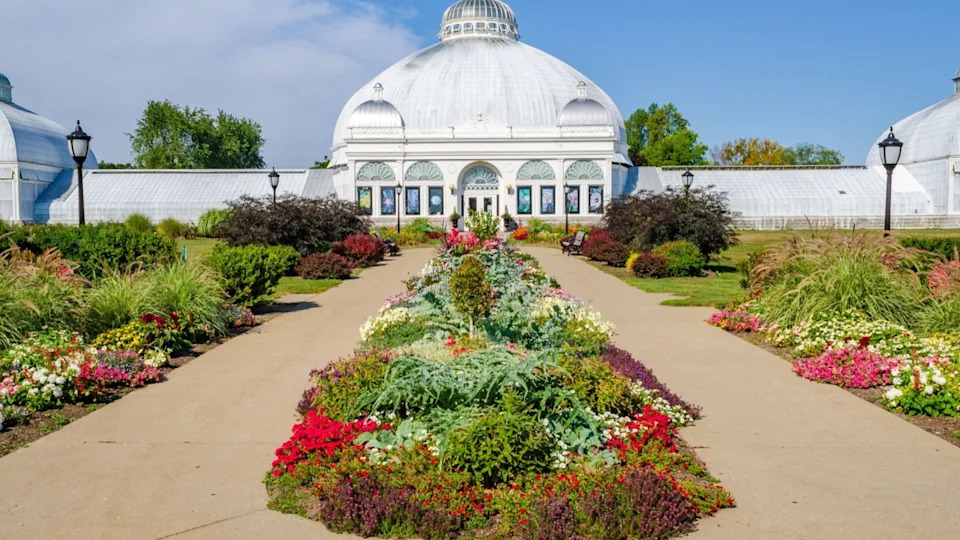
Image Credit: Shutterstock.
At 250 acres, the New York Botanical Garden is a city within a city. Its rose garden, historic forest, and major art exhibitions offer seasonal variety, while its scale allows for quiet woodland moments despite its urban setting. The garden is home to the largest remaining tract of old-growth forest in New York City, giving visitors the rare chance to walk shaded trails beneath towering trees that predate the surrounding skyline.
Beyond its landscapes, the garden is known for immersive exhibitions, from orchid shows in the conservatory to large-scale installations by celebrated artists, making each visit feel different from the last. In spring, cherry blossoms and magnolias soften the grounds in pastel hues; by summer, the Peggy Rockefeller Rose Garden bursts into bloom with hundreds of fragrant varieties; and in winter, the glass-enclosed Enid A. Haupt Conservatory offers a warm, tropical retreat.
The New York Botanical Garden is the perfect place to spend an afternoon when you want to escape the hustle and bustle of city life, whether that means lingering on a bench with a book, strolling through curated plant collections, or simply pausing long enough to hear birdsong instead of traffic.
2. Brooklyn Botanic Garden, New York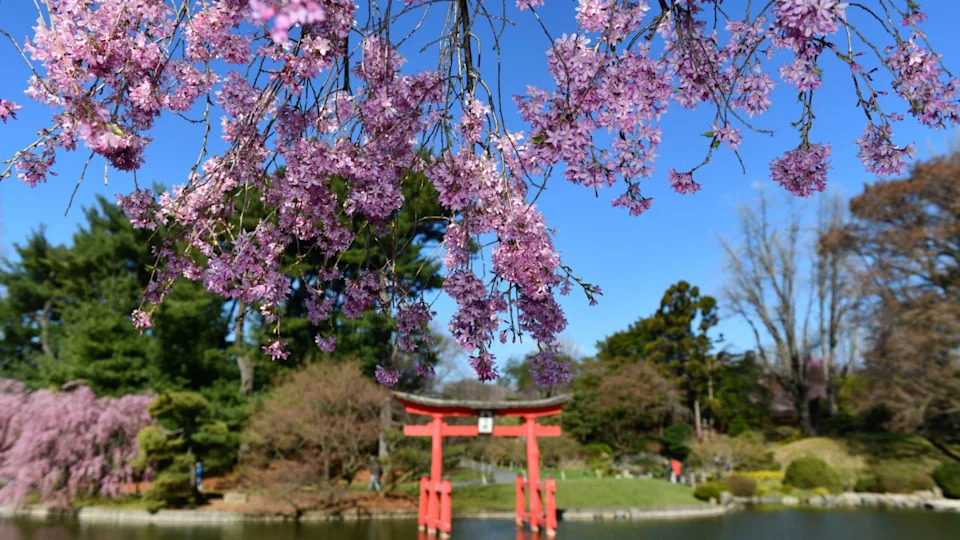
Image Credit: Shutterstock.
Brooklyn Botanic Garden shines in spring, when more than 200 cherry blossom trees burst into bloom.
Its Native Flora Garden, one of the first of its kind in the country, celebrates plants indigenous to the Northeast, offering a more ecological lens on beauty throughout the seasons. The historic Japanese Hill-and-Pond Garden, completed in 1915, remains one of the oldest and most authentic Japanese gardens in the United States, with arched bridges, stone lanterns, and tranquil water features that invite slow wandering.
Beyond the headline-worthy festivals, the garden offers quiet corners year-round: lilacs and bluebells in late spring, lush water lilies in summer, and fiery foliage in autumn. Even in winter, the sculptural forms of trees and thoughtfully designed pathways make it feel contemplative rather than dormant. It’s a garden that rewards repeat visits, revealing something new with every season.
3. United States Botanic Garden, Washington, D.C.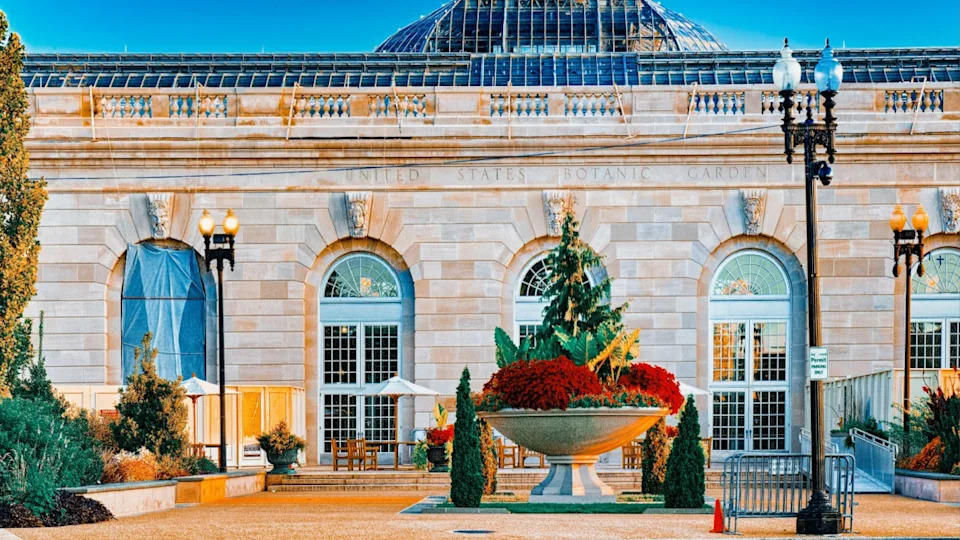
Image Credit: V_E at Shutterstock.
Established in 1820, the United States Botanic Garden is one of the nation’s oldest public gardens. With nearly 44,000 plants and free admission, it’s an accessible oasis steps from the Capitol.
While this botanical garden is on the smaller side, you’d never guess, as the tropical greenhouse and vegetation from around the world transport you to lands far away. Inside the soaring glass conservatory, distinct garden rooms recreate desert, jungle, and Mediterranean climates, allowing visitors to move seamlessly between ecosystems in a single afternoon. It’s a reminder that even in the heart of a busy capital city, nature can feel immersive, intimate, and surprisingly expansive.
Desert, Tropical, and Regional Standouts- 1. Desert Botanical Garden, Arizona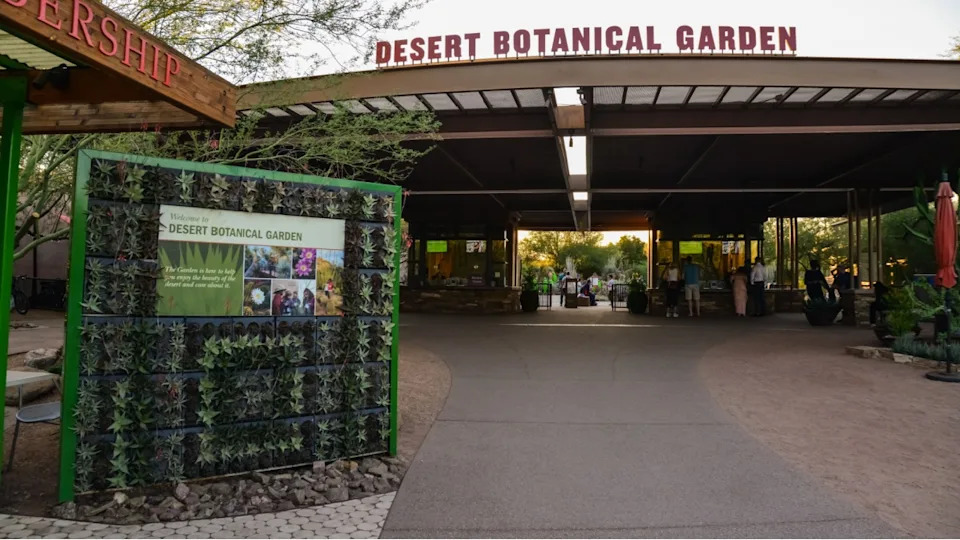
Image Credit: Oleg Kovtun Hydrobio at Shutterstock.
The Desert Botanical Garden proves that lushness isn’t limited to rainforests. With more than 50,000 desert plants across Sonoran Desert trails, it celebrates cacti, succulents, and wildflowers in their native landscape.
Five themed walking paths guide visitors through towering saguaros, vibrant seasonal blooms, and sculptural agaves set against the red rocks of the Papago Buttes. Interpretive signage highlights how these resilient plants adapt to extreme heat and scarce rainfall, offering a deeper appreciation for desert ecosystems. Visit in spring for carpets of wildflowers, or arrive at sunset when the desert light turns golden, and the silhouettes of cacti feel almost cinematic.
2. Fairchild Tropical Botanic Garden, Florida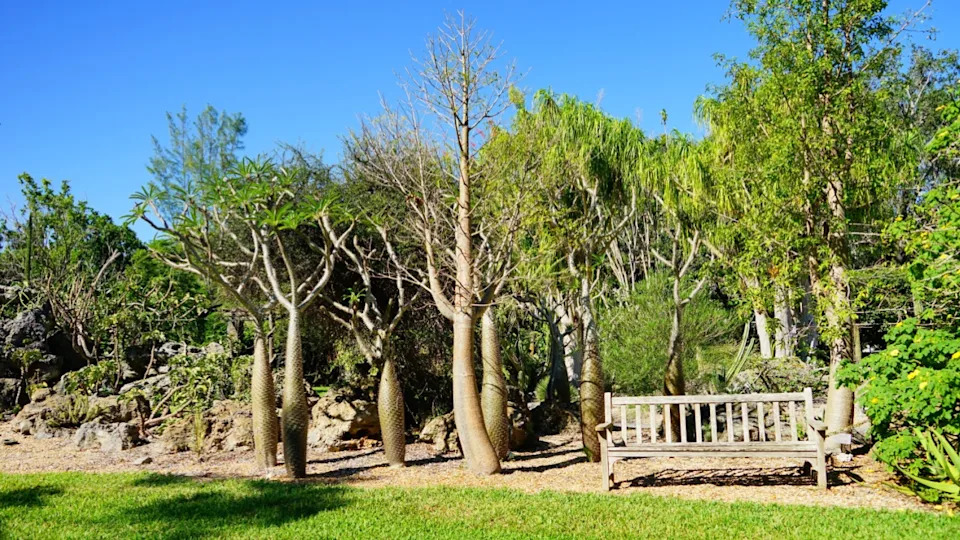
Image Credit: Shutterstock.
Fairchild Tropical Botanic Garden showcases tropical fruit collections, palms, and rainforest exhibits across 83 acres. It’s an immersive look at global biodiversity in a subtropical setting.
Winding paths lead past towering royal palms, vibrant heliconias, and a remarkable collection of cycads and rare tropical species gathered from around the world. The garden is also a leader in conservation research, particularly for endangered tropical plants, adding depth to its beauty.
Seasonal events, from orchid festivals to butterfly exhibits, make each visit feel dynamic, while shaded lakes and water features offer a cooling counterpoint to South Florida’s warm climate.
3. Coastal Maine Botanical Gardens, Maine
Image Credit: Wirestock Creators at Shutterstock.
Set along tidal frontage, the Coastal Maine Botanical Gardens spans more than 300 acres and reflects New England’s rugged beauty with sensory gardens and woodland paths. Set along nearly a mile of tidal shoreline, the garden weaves together saltwater views, forested trails, and thoughtfully designed perennial beds that celebrate Maine’s native plants.
Visitors can wander through the Lerner Garden of the Five Senses, explore expansive children’s gardens, or pause along quiet coves where granite outcroppings meet the sea. In summer, dahlias and coastal blooms bring vibrant color to the landscape, while autumn transforms the grounds into a tapestry of fiery foliage.
How to Choose the Best Botanical Garden for Your Trip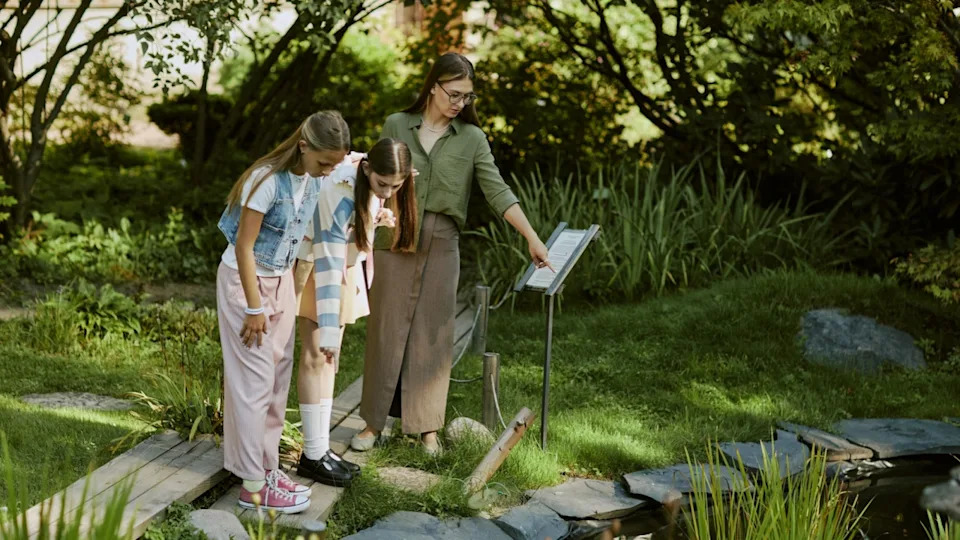
Image Credit: Shutterstock.
The “best” botanical garden in the US ultimately depends on your timing and interests.
If you love roses and spring blossoms, aim for late spring in northern gardens. If desert landscapes fascinate you, Phoenix offers peak beauty in cooler months. For year-round reliability, choose a garden with a major conservatory.
Some travelers want spectacle with fountains, light shows, and expansive acreage. Others prefer quiet woodland paths or rare specialty collections. The key is aligning your visit with what inspires you most.
From desert trails to glass-domed rainforests, the best botanical gardens in the US reflect the landscapes and climates that shape them. Each offers a different expression of beauty, science, and seasonal change.
Choose thoughtfully, and you won’t just visit a garden. You’ll step into another world.
Comments are closed.