

Lavender plants often look grey and lifeless in late February, but gardeners are advised not to assume they’re dead.
Lavender can take a while to look alive in spring so be patient and give it time(Image: Getty)
With spring just a few weeks away, gardens are gradually coming back to life, but if you have lavender, your plant may still appear grey and lifeless. Whilst many plant varieties die back during winter for a number of reasons, lavender is particularly resilient, and gardeners are advised not to be too hasty in assuming it has perished.
At this time of year, lavender enters a period of semi-dormancy, meaning it will hold off producing new shoots until temperatures rise considerably. Early spring can therefore be misleading, and it is extremely common for gardeners to uproot their lavender and discard it, despite the plant being very much alive.
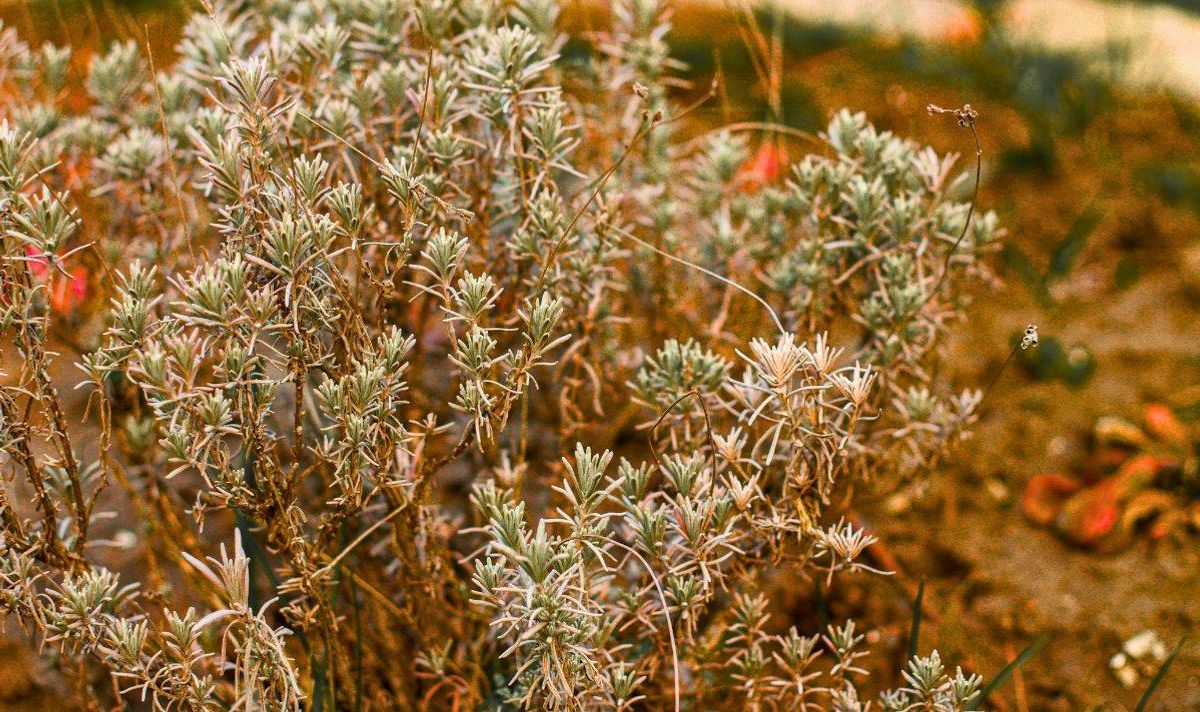
If your lavender looks brown and dead then do not dig it up just yet(Image: Getty)
Rebecca Olson, a farmer and co-owner of Lavender Connection, advises that you can typically determine whether your lavender has made it through winter by disregarding the top of the plant and instead examining the woody base.
She said: “If the plant still looks brown (no green) in the spring when your other plants are showing signs of life, there’s a chance it didn’t survive. However, be sure to check carefully, not just at the tips of the visible stalks, but down towards the base as well.”
All you need to do is examine the lower portion of the plant by looking at the woody stems, as fresh green shoots can frequently be spotted around the base during spring, reports the Express.
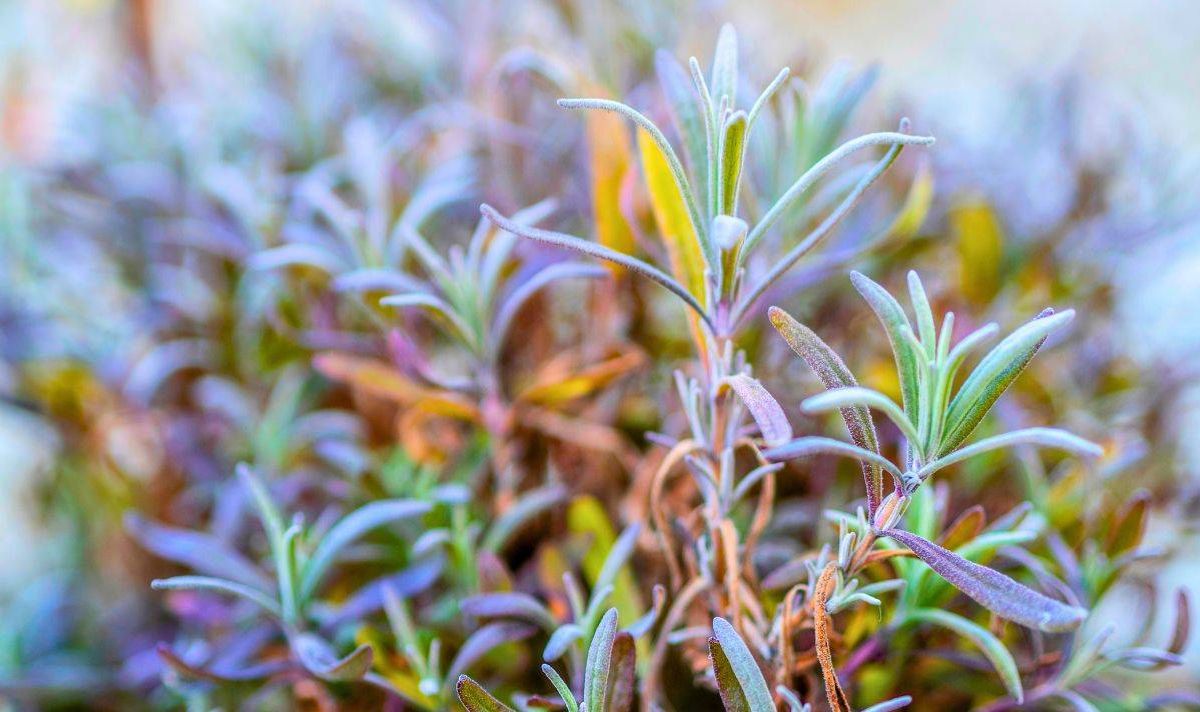
Make sure to thoroughly check lavender for any green stems or buds in spring(Image: Getty)
Simply scratch the bark of a woody stem gently with your fingernail, and if there is any green visible beneath, the plant remains alive. If no green sections are visible on the plant, you can perform a test by carefully cutting a small section of stem near the base and examining it.
Living stalks should feel flexible and soft, whereas brittle stems that snap readily are dead. However, ensure you test multiple stems to be absolutely certain.
It’s also important to remember that if you didn’t prune your lavender last year, then old stems may hinder new growth and flower buds, so a gentle pruning might help before abandoning the plant.
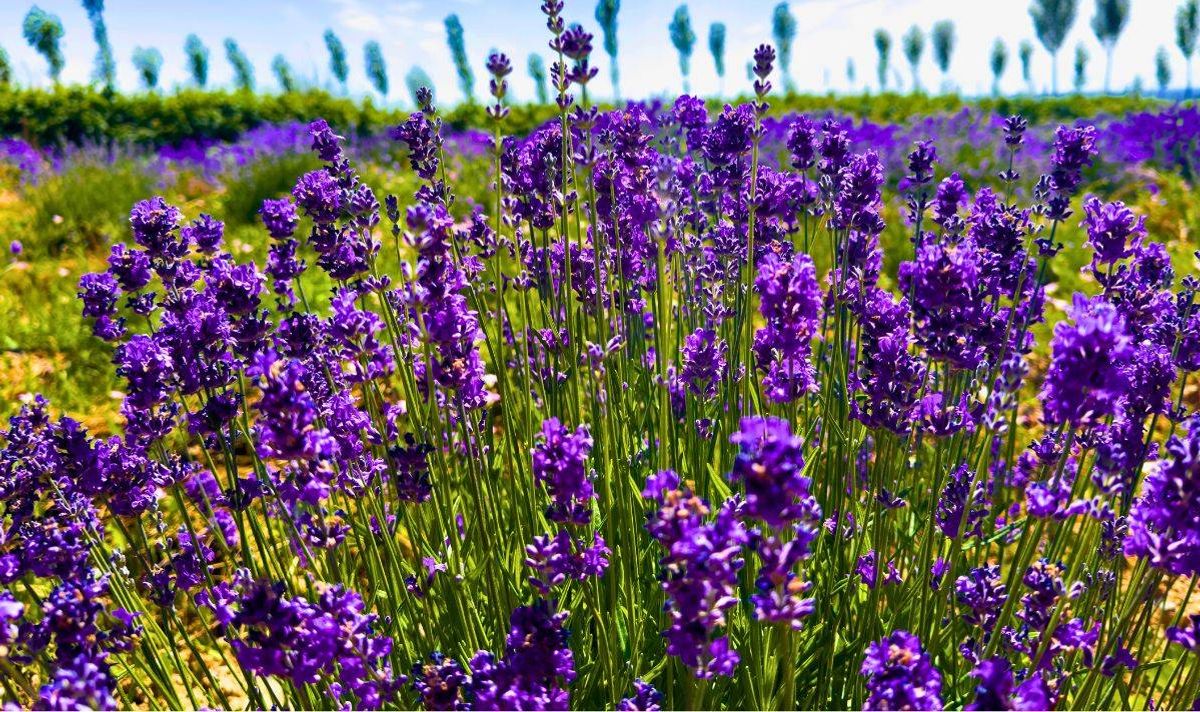
Gardeners need to be careful when checking lavender plants in late February(Image: Getty)
One final test that’s always worthwhile is to inspect the roots by gently lifting part of the plant. Healthy lavender roots should appear white and firm, but if they look mushy, black, dry, or brittle, then that typically indicates the plant is dead.
However, lavender usually takes some time to emerge from dormancy after winter, so ensure you wait until at least mid-spring before considering digging up the plant and discarding it.
English lavender typically begins growing when daytime temperatures consistently reach around 10°C, which can happen from March to April.
Other varieties, such as French and Spanish lavender, prefer warmer conditions and often don’t emerge until late April or early May, so it’s worth giving them a bit of additional time.
Comments are closed.