
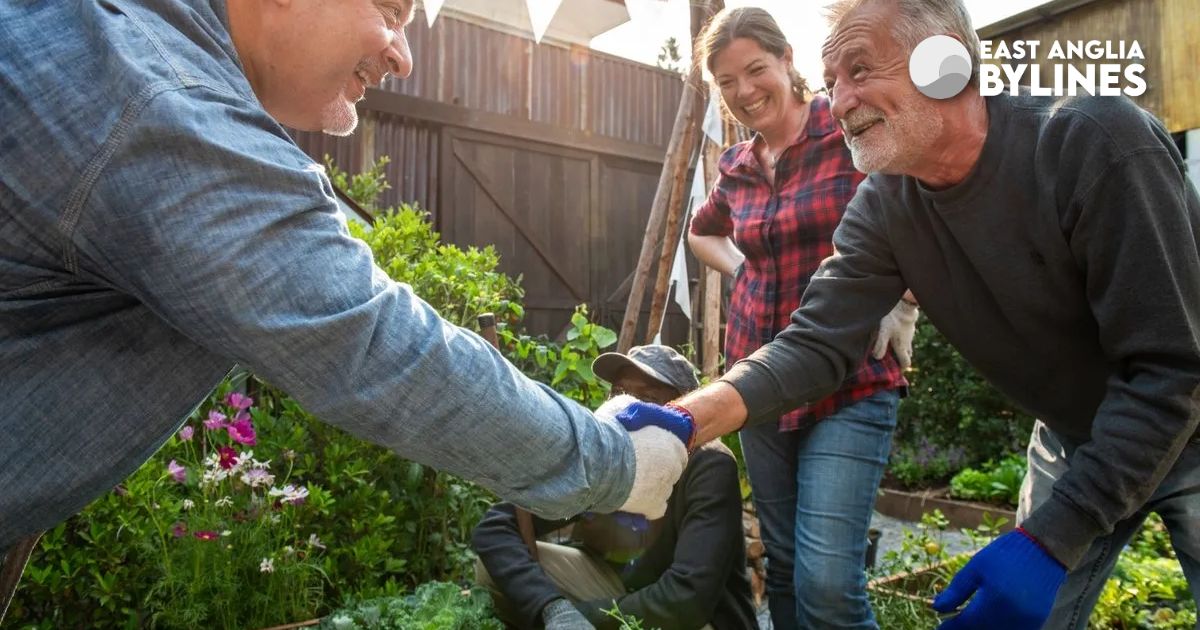
A fresh way of looking at food
In the last decade, there has been a rise in food insecurity in the UK. Even when access to food is adequate, diet quality can be poor, particularly in urban settings where stress levels and lack of green spaces have also been linked to the obesity epidemic.
Alternative food networks (AFN) have risen as a response. AFNs comprise diverse sets of projects – from community gardens to food markets, community-supported agriculture (CSA) and veggie boxes.
What binds AFNs together is an opposition to traditional food networks that operate on a larger scale and employ industrial farming methods. Alternative food growing initiatives often represent mobilisation against corporate food networks.
These primarily local initiatives aim to deliver fair trade, quality and locally-produced food while providing a closer bond between consumers and producers. In many such ventures, there is a focus on ethics of care as constructed across the spaces of food production and pesticides-free food consumption.
The many benefits of urban food growing projects
I recently researched urban food growing projects and the experiences of the volunteers, stakeholders and beneficiaries in UK community-based agro-ecologies such as community gardens and CoFarm Cambridge.
Although different in scale, these urban projects play a major role in producing sustainable food, free from chemicals that may inhibit biodiversity and ecosystem services (pollination, natural pest control, soil mineralisation).
At the same time they increase human well-being through time spent in nature, nurturing good mental health, access to green produce in local areas and socialising.
My research shows that urban food growing projects are local volunteer organisations that foster a “sense of place” but also have very tangible output. They produce kilograms of organic food that they frequently donate to local distribution centres, food banks, hubs and meal programmes. This ensures there are fewer local families blighted by food insecurity in the neighbourhood.
Good practices
Many of the volunteers interviewed for the project spoke of their realisation “that growing food is a very enjoyable activity, and it’s very good for people’s physical and mental health.” Although some also had their own allotments, the sharing of practices with knowledgeable growers and horticulturalists, and positive exchanges with other people, served to reinforce good habits. People were similarly focused on common goals to nurture local environments, provide equal access to green produce and avoid food waste.
Food resilience was at the forefront of several interviewees’ minds. They mentioned the importance of “collectivising knowledge”, of having the means “to produce stuff locally” as supermarket supply chains might collapse with the onset of the climate crisis.
Bridging divides
In increasingly politically polarised online and real-life environments, urban food growing projects have the potential to bridge divides. They can help integrate newcomers to the neighbourhood, providing opportunities for volunteers to talk across spheres of life.
Community gardens and urban agro-ecologies engage members in activities, almost universally acknowledged as good, restorative, even healing – being active and outside in nature.
Depending on the preferences of individuals, working as part of a food growing project provides both an opportunity for reflective individualised practice, and a space for sociability and collective gathering.
Many urban food growing projects are bottom-up initiatives, and sitting on the board of such a project may carry a significant civic duty. It may involve liaising with local authority officials, land owners and the business community. Members may raise awareness against developers, mount calls for civic action, and design environmental communications strategies to give voice to land custodians (neighbourhood residents), not just municipal authorities and developers.
Community engagement
So urban food growing projects can be part of subtle environmental interventions that keep communities safe and engaged. All this while focusing on nutrition, nature and the beautifying of urban spaces.
Community agro-ecologies and gardens are often celebrated for the sharing of knowledge, making daunting tasks such as growing food become achievable.
There are many indications in my research that community gardens offer unique opportunities for benevolent exchanges. These can be across generations, often celebrating the experience and knowledge of older residents and keeping them in conversation with younger enthusiasts focused on climate justice.
The modern world can seem marked by alienation and individualisation. Food-growing projects’ ability to welcome diverse sets of volunteers to plant the seeds of collective action deserves support and encouragement.
If you’d like to get involved in a local food growing project, there are plenty. Search online for ‘community allotment’ or ‘food growing project’. Here are some examples just in the north east Essex area.
More from East Anglia Bylines
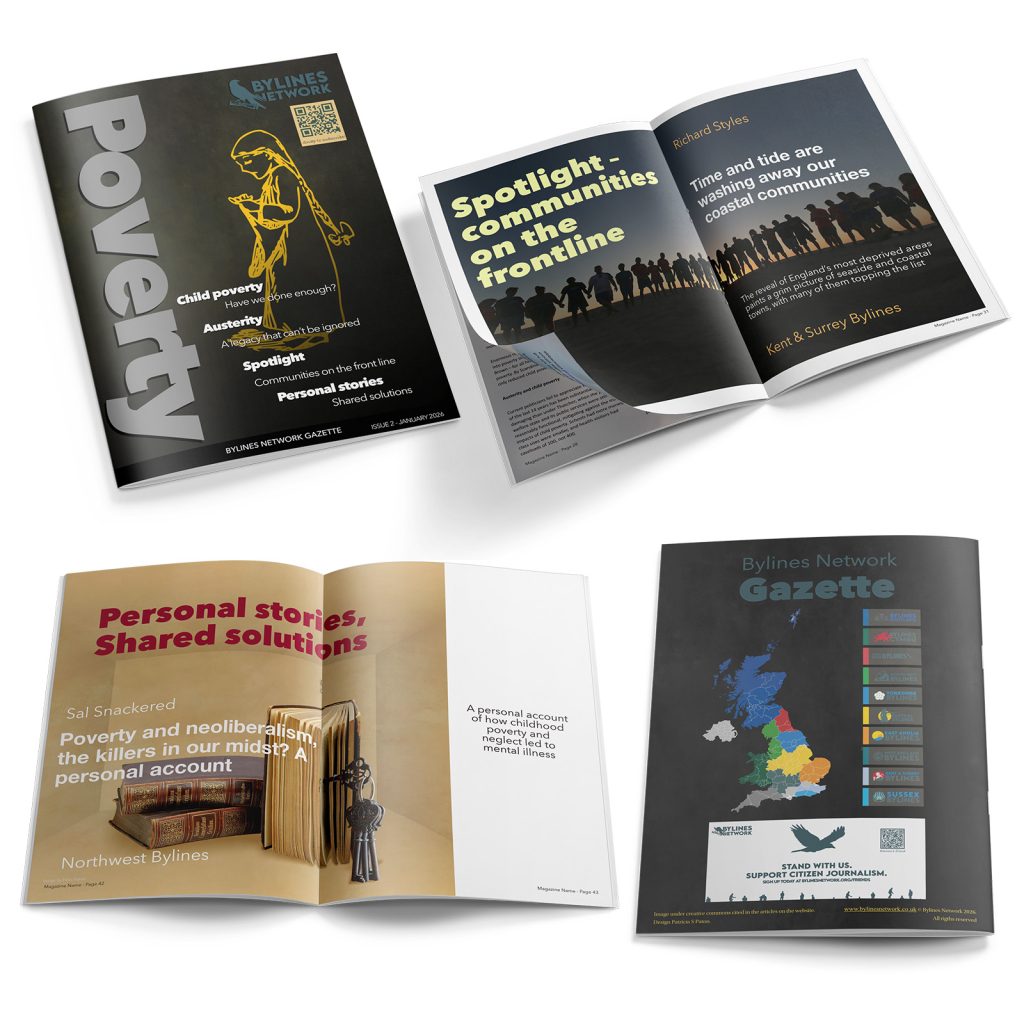 Bylines Network Gazette is back!
With a thematic issue on a vital topic – the rise child poverty, ending on a hopeful note. You will find sharp analyses on the effect of poverty on children’s lives, with a spotlight on the communities that are on the front line of deprivation, with personal stories and shared solutions. Click on the image to gain access to it, or find us on Substack.
Journalism by the people, for the people.
Comments are closed.