
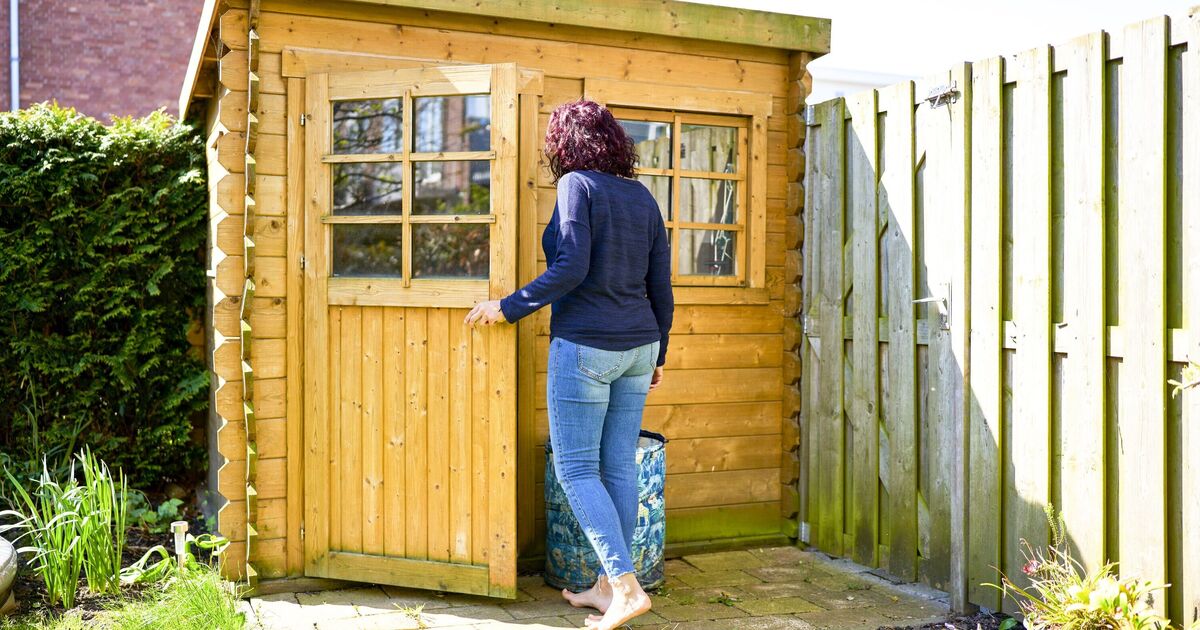
Brits urged to never keep 6 items in sheds or risk ‘unsafe’ items (Image: Getty)
Garden sheds are ideal for extra storage, but it can be hazardous to pile up lots of spare items there. According to experts, storing the wrong things in your outdoor buildings can increase the risk of fire, attract pests and cause damage you might not notice until it’s too late.
To keep your garden and belongings protected, Christopher Murphy MBE, founder of Dunster House, garden building specialist, has shared a list of items which should never be stored in your shed. The expert has also shared where they should be stored instead.
Read more: Lawns will be greener if you use expert’s ‘safest’ method to remove moss now
Read more: My fresh tulips last for weeks when I add everyday item into the vase
1. Paints, solvents and thinners
Christopher explained: “Keeping paints, solvents and thinners in a shed is a common mistake as they are highly sensitive to temperature changes. If the shed is your go-to place for storing paints, it’s quite possible you’ll have to throw them out as part of a spring clean, as cold weather can cause them to freeze and separate. During warm weather, heat can make them unstable or unusable.
“Instead, paint should be stored according to the manufacturer’s instructions, which are typically in a cool, dry, indoor spot (such as a closet or utility room) with a consistent temperature, ideally between 15-25°C, avoiding extreme heat, direct sunlight, and freezing conditions.”
2. Fertiliser, weed killers and garden chemicals
Although it makes sense to store garden essentials like fertilisers and weed killers in a shed, that doesn’t include chemicals, according to the expert.
These products can clump, leak or break down when it’s damp, while extreme cold or heat can reduce their effectiveness and make them “unsafe” to handle.
The expert said: “Poorly stored chemicals can also release harmful fumes or pose a risk to pets and wildlife. These products are best kept in their original containers, sealed and stored in a cool, dry, well-ventilated area away from living spaces and food items.
“If you’re storing bags of compost and fertiliser in the shed, they should be raised off the floor using pallets, old boards, or bricks. If you have any open bags, seal or transfer them into lidded containers to keep moisture and pests out.”
3. Electronics and batteries
Fluctuating temperatures and moisture can damage components, leading to corrosion and a shortened lifespan. It’s best to store electronics and batteries indoors in a dry, ideally sealed space.
Pests are another reason to keep electronics out of sheds. Christopher added: “Rodents often seek warmth in outbuildings during colder months and may chew through cables and chargers, causing costly damage to electrical equipment.”
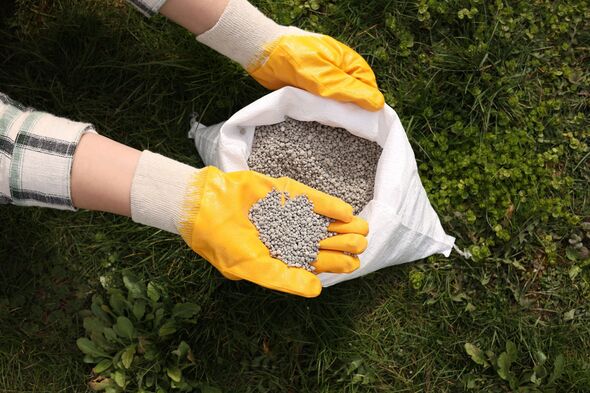
Fertiliser should be kept out of the shed (Image: Getty)4. All flammable waste, petrol, fuel and oily rags
Christopher continued: “Petrol, propane canisters, paints and some solvents are highly flammable, and even a small spark can pose a serious fire risk, particularly in wooden sheds.
“It’s not just liquid fuels that are dangerous. Oily rags and cloths can self-heat over time and ignite without warning. When stored in enclosed spaces, especially during warmer weather, the risk of spontaneous combustion increases significantly.
“For safety, these items should be stored in a container or structure designed specifically for flammable materials, such as a ventilated metal unit positioned well away from the house or boundary. Fire hazards often stem from small oversights, making this one risk homeowners shouldn’t take.”
5. Food, pet food or animal food
Any food that can spoil, attract pests or be affected by heat and moisture should be kept out of the shed. According to the expert, sheds are not designed to maintain stable, cool conditions, which makes them unsuitable for storing food safely.
“Sheds are far better suited to non-perishable items only, and even then, food storage should be kept to a minimum wherever possible.”
6. Paper and photos
Damp air, temperature fluctuations, and poor ventilation can all cause documents and photos to warp, or even grow mould.
Pests such as rice and rats can also destroy paper, packaging, and stored belongings, rendering them beyond repair.
Important documents, photographs and sentimental items should always be stored indoors in a dry, temperature-stable environment.
Comments are closed.