
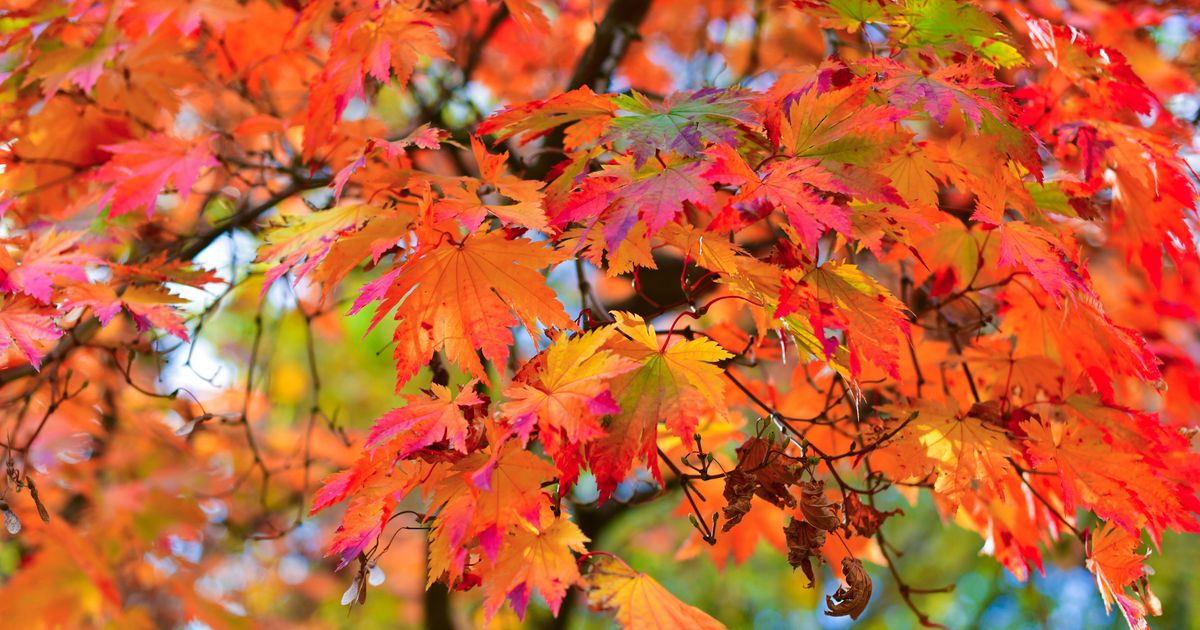
Gardening experts say winter is the essential time for one key task of Japanese maples, as these trees can seriously weaken if left until later.
Angela Patrone Senior Lifestyle Reporter
04:09, 22 Feb 2026
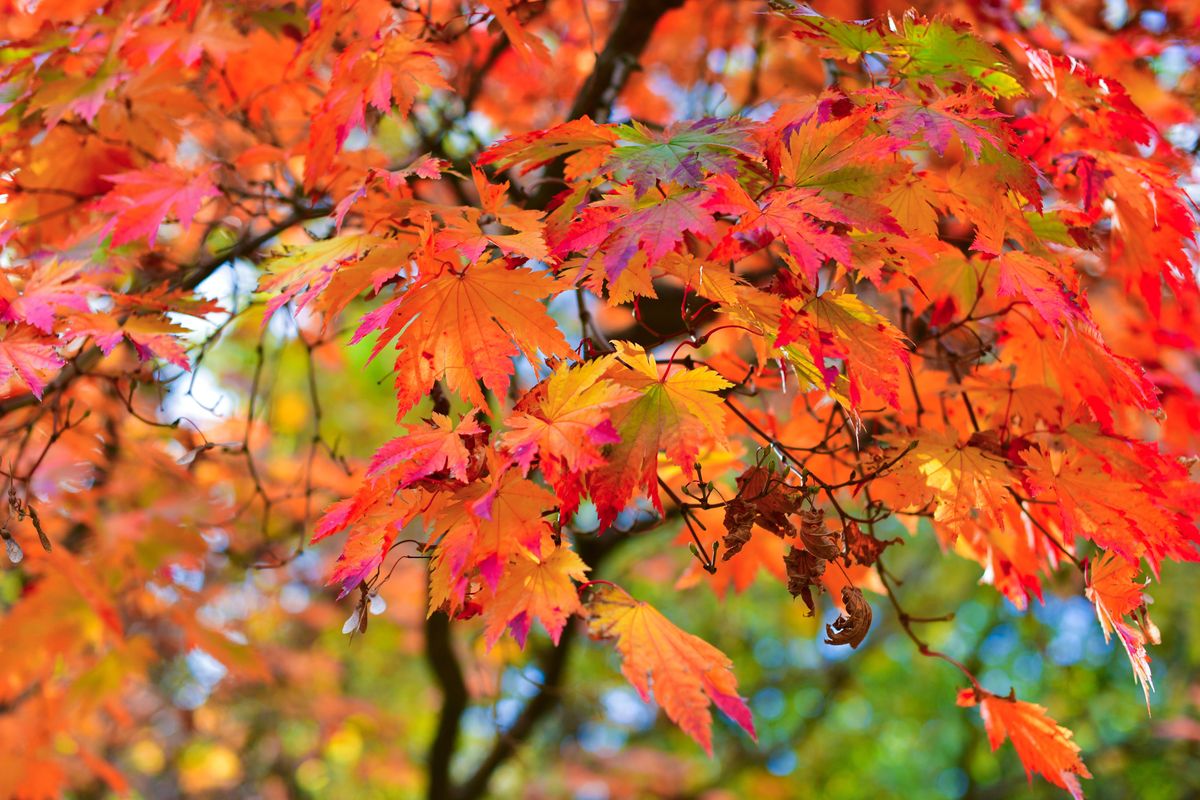
Gardeners urged to do 1 crucial thing now for better Japanese maples(Image: Maya Karkalicheva via Getty Images)
Few trees rival the beauty of Japanese maples. These ornamental treasures are prized not only for their stunning forms but also for the spectacular colours they bring to any garden.
Throughout the year, they undergo remarkable transformations in gardens; buds blush pink in spring, leaves flourish in summer, foliage blazes in autumn, and bare branches stand proud in winter.
Whether you’ve recently purchased a young plant or you’re tending to an established, mature Japanese maple, proper care is essential. During the winter months, there’s one crucial task that must be completed, and it cannot be postponed until spring or summer.
According to specialists at Herter Nursery, who supply Japanese maples, “now is the time” for “heavy pruning” to shape the tree and remove crossing or dead limbs.
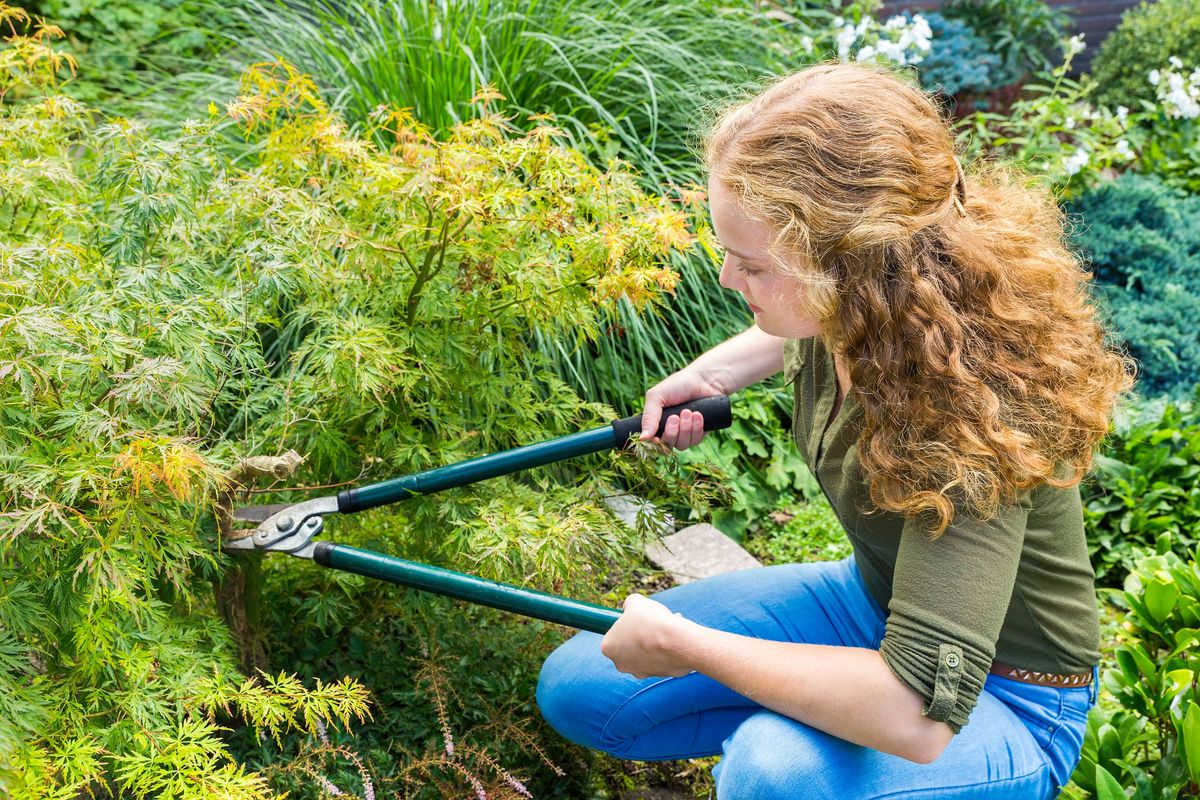
According to Japanese maple retailers at Herter Nursery, “now is the time” for “heavy pruning” (Image: Ben-Schonewille via Getty Images)
Japanese maples should be pruned whilst fully dormant in winter, as maples leak sap from pruning cuts at other times of year, which can severely weaken the tree.
Observing the branches without leaves also enables you to assess the tree’s framework and more readily determine the optimal places to make cuts.
Drawing on more than 30 years of horticultural expertise, Andrew Stark shared his winter pruning technique for Japanese maples on his Instagram account @andrewstarkgardeningdesign.
He mentioned that he’s been shaping and trimming maples for nearly a decade.
Content cannot be displayed without consent
Andrew said, “Each year they get better and better as a result of my ongoing trimming and pruning.”
When it comes to pruning the tree, the gardening expert explained: “I start by removing dead wood and weaker branches. Then I take out any congested areas where branches have chunked up.
“Lastly, I reduce the foliage pads by approx 50% and tidy. The finished trees have a structure with equalised strength in each foliage pad.”
Steer clear of significant pruning during late spring and summer when the tree is actively growing. Fresh growth is particularly vulnerable to harsh weather conditions and pest infestations.
Comments are closed.