
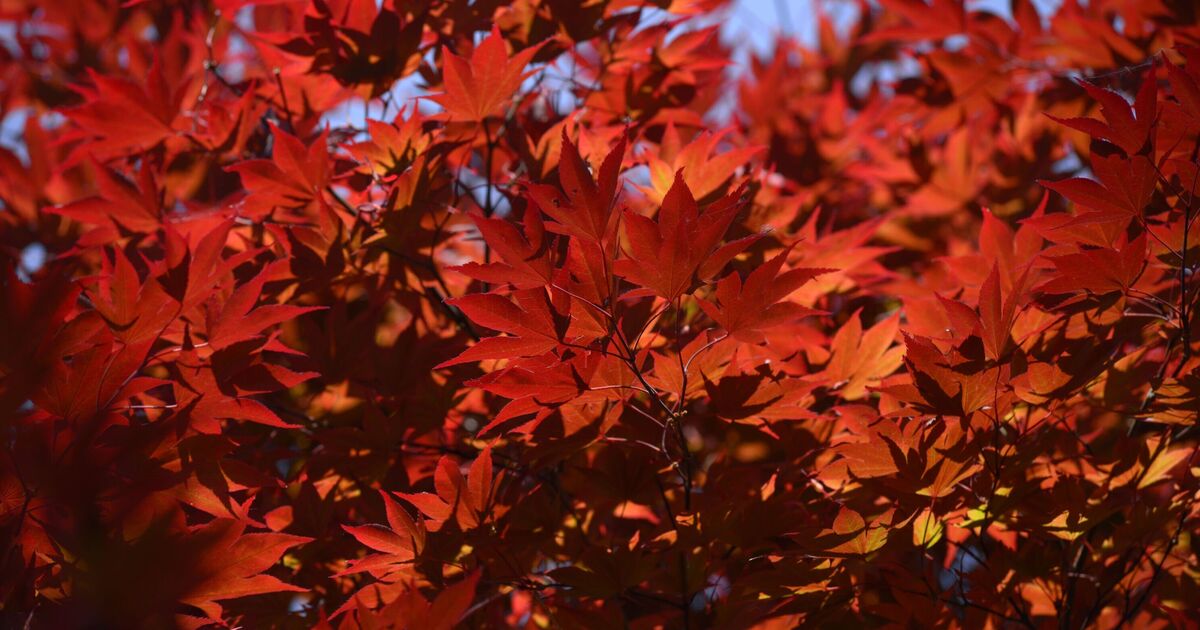
There are not as many trees as beautiful as Japanese maples. These ornamental garden wonders are cherished not just for their breathtaking shapes but also for the vibrant colours they add to any garden. With each season, they transform; buds turn rosy in spring, leaves grow lush in summer, foliage ignites in autumn, and branches reveal themselves in winter.
Whether you’ve just brought home a sapling or you’re admiring a majestic, mature Japanese maple, it’s important to maintain the tree. When it comes to the wintertime, there is one key job that needs to be done, and it can’t be left until spring or summer.
Japanese maples are best pruned when fully dormant in winter, as maples bleed sap from pruning cuts at other times, seriously weakening the tree.
Viewing the branches free from foliage also allows you to see the tree’s structure and more easily identify the best places to make cuts.
He noted that he’s been training and trimming maples for close to 10 years.
Andrew said, “Each year they get better and better as a result of my ongoing trimming and pruning.”
To prune the tree, the gardening pro said, “I start by removing dead wood and weaker branches. Then I take out any congested areas where branches have chunked up.
“Lastly, I reduce the foliage pads by approx 50% and tidy. The finished trees have a structure with equalised strength in each foliage pad.
Avoid major pruning in the late spring and summer during its active growth period. The new growth is more susceptible to extreme weather and pest damage.
Comments are closed.