
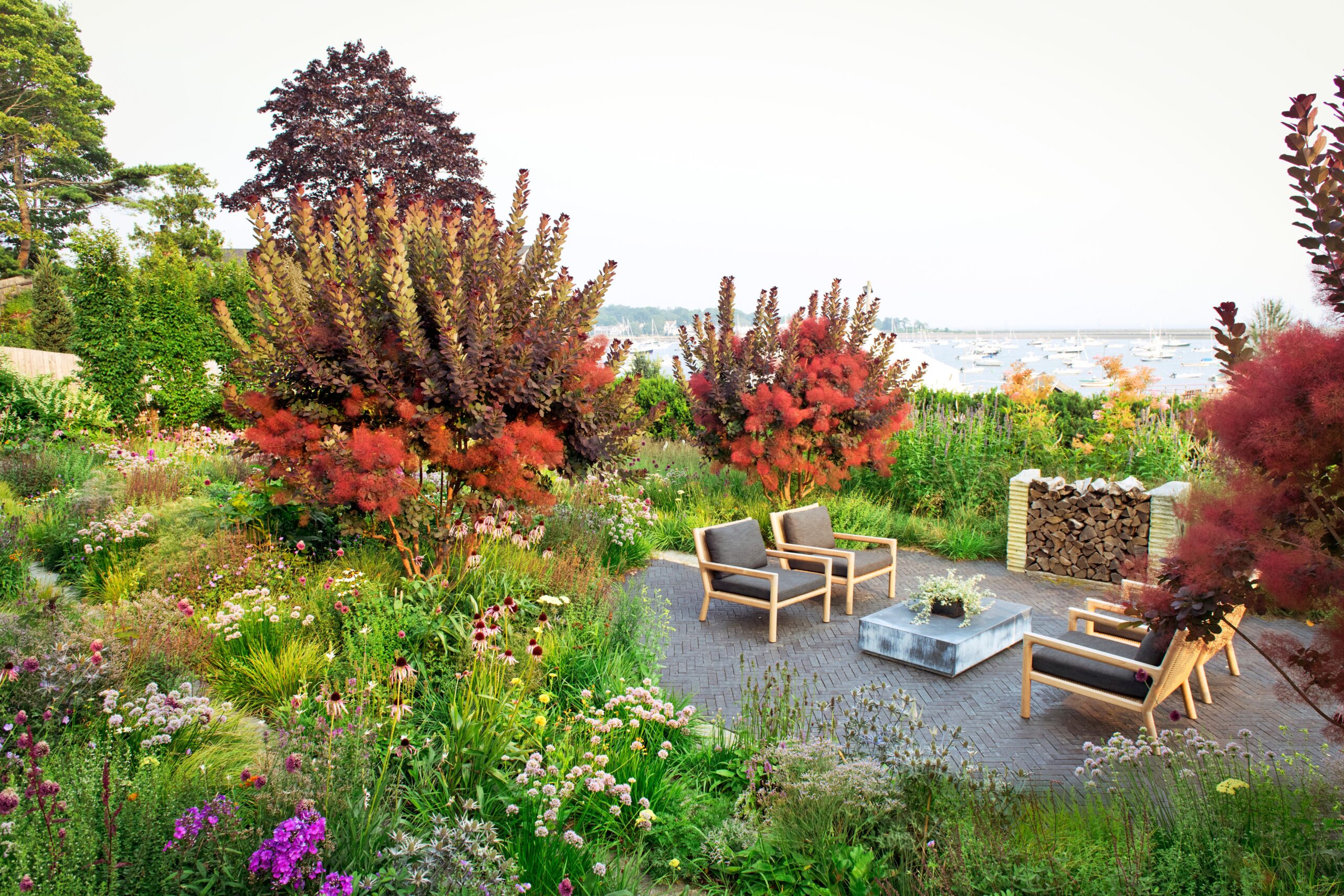
Redesigning your yard is a major—and typically expensive—endeavor. So ideally, it’s the kind of project you only want to embark upon once. We talked to three professional designers about the most common mistakes gardeners make when redesigning their yards, and how to avoid them to create a landscape you’ll enjoy for many years.
1. Lack of a Clear Vision
The most common mistake that garden designer Molly Hendry sees when people redesign their yard is a “lack of clarity and cohesion,” she says. “It is really easy to just piecemeal something together as you are seeing an issue and trying to fix it. However, what you are left with is a patchwork of solutions instead of a beautiful space to live your life in.”
Landscape designer Adam Woodruff agrees. “Planning is a critical component of successful landscape design,” he says. Without a clear and cohesive design intent from the outset, he points out, “you’re constantly correcting—amending soil, replacing plants, trying to impose order after the fact.”
2. Using Too Many Plants
Along with a lack of a clear vision, pros say gardeners often have a hard time exercising restraint. “The number 1 mistake I see homeowners make when designing their landscapes is using too many types of plants in the space,” says landscape designer Kathy Hubner. “It is generally the result of ‘shopping cart’ landscaping, where homeowners go to the nursery, buy everything they like, then go home and plant it. The result is a garden without a smooth visual rhythm.”
Along with sketching a garden design plan, it’s hugely helpful to create a spreadsheet with the names of the plants you’re considering, along with their growth habits, bloom times, and care needs. From there, you can start to edit down your list so you have a clear shopping list before you head to the nursery.
3. Focusing Only on Flowers
It’s easy to fall in love with flowers, especially when they’re in full bloom at the garden center. But focusing on them at the expense of evergreens and the basic structure of your yard can be a pitfall, say designers, since once flowers are done blooming, you’ll be left without any visual interest in the landscape.
Again, the solution comes back to planning: Start by figuring out the bones of the yard—the larger shrubs, trees, and evergreen perennials—and any hardscaping. Then fill in with the flowers.
4. Copying Another Yard
It’s understandable to want to replicate a beautiful garden you saw elsewhere, but this approach is rarely successful. “Not all yards are the same,” says Hendry. “There will be unique qualities to your site, your home, and how you want to live your life in your space. Let those things drive your decisions, not copying and pasting something you saw somewhere else. It never lands in quite the same way.”
5. Not Understanding Your Conditions
“Imposing a preconceived vision on the site without understanding what the site will support” can set you up for frustration and disappointment, says Woodruff. In other words, it’s not a great idea to try to create a flower garden in deep shade, or to choose a bunch of water-loving plants in a drought-prone region. Take time to understand things like your yard’s light conditions, soil, and the effect wildlife like deer may have on plants before you redesign your yard.
Comments are closed.