
If you’re new to gardening, it’s completely normal for spring to feel both exciting and a little overwhelming. Between seed packets, soil choices and endless advice online, it can be tough to figure out where to begin.
The good news is that you don’t have to wait for warm weather to start preparing. By tackling these five simple, beginner-friendly gardening tasks now, you’ll not only feel more confident, but set yourself up for a smoother, more successful growing season when spring finally arrives.
1. Find Your Hardiness Zone
Photo by Flottmynd on Getty Images
(Photo by Flottmynd on Getty Images)
Knowing your USDA Hardiness Zone is one of the easiest yet most important steps you can take toward gardening success. These zones are based on your region’s average lowest winter temperatures and can be found online in a matter of seconds by searching your ZIP code.
“Hardiness zones will tell you what plants will grow best in your area and save you time and effort planting those that won’t survive,” says Tammy Sons, founder and CEO of TN Nursery.
Once you know your hardiness zone, you can then buy plants best suited for your climate. Most plant tags, seed packets and online descriptions will list recommended zones.
2. Observe Sunlight Patterns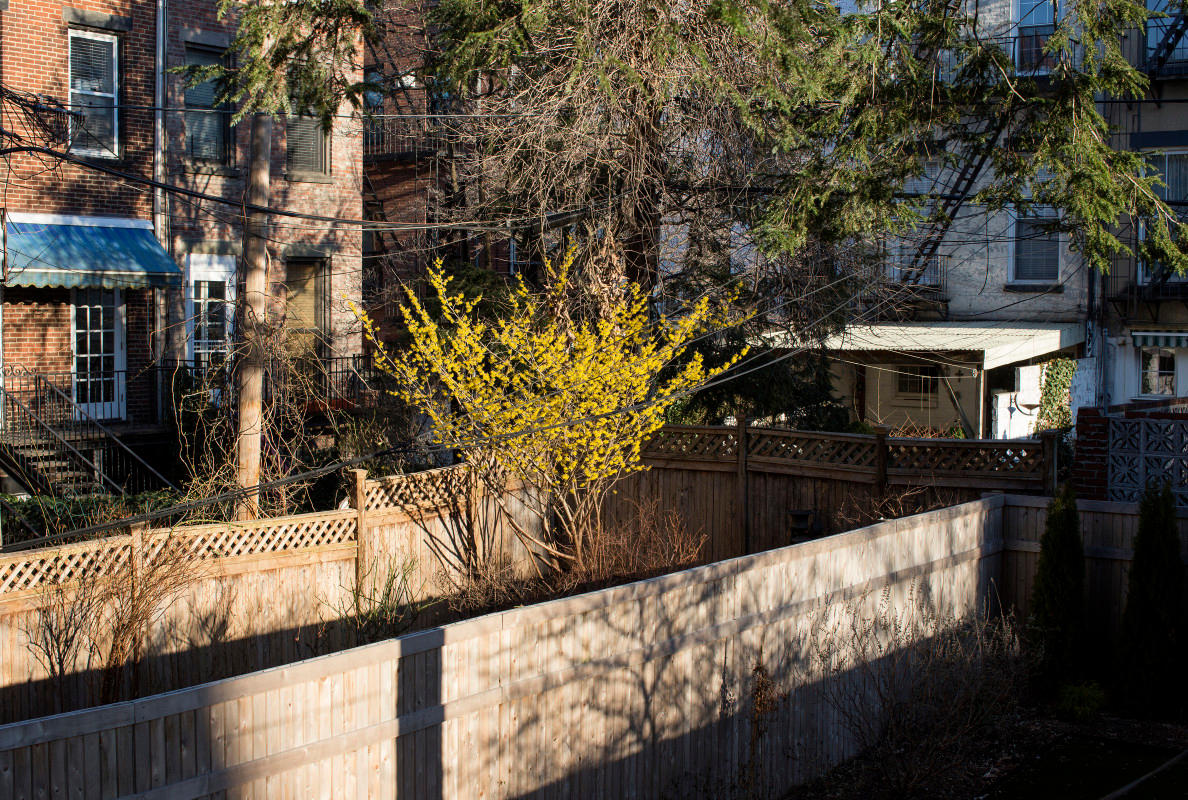
Photo by Andrew Lichtenstein on Getty Images
(Photo by Andrew Lichtenstein on Getty Images)
Before you start planting, take a few days to observe sunlight patterns in your yard. Notice how the sun moves throughout the day and which areas receive morning sun, afternoon sun or stay shaded most of the time. You can jot your observations down in a notepad or take photos.
While winter days are shorter, this is a great task to tackle closer to March or April as daylight hours increase.
“Take note of where the full sun or shade lands and decide what areas you’ll plant based on that information,” Sons says. Understanding your light conditions will help you place plants where they’re more likely to grow strong and healthy.
3. Perform a Soil Test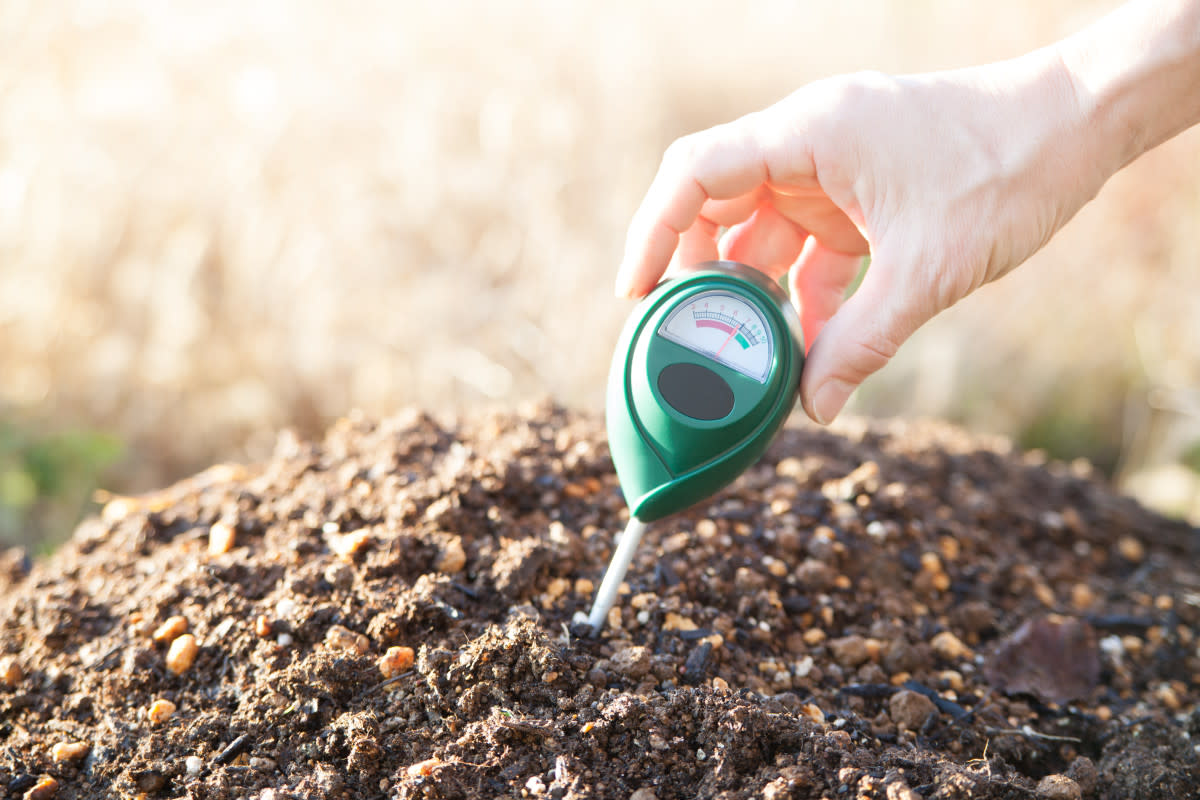
Photo by okugawa on Getty Images
(Photo by okugawa on Getty Images)
Healthy soil is the key to healthy plants. A basic soil test can shed valuable insight on whether your soil is acidic or alkaline, or whether it lacks important nutrients like nitrogen or phosphorus.
Luckily, these tests don’t cost a fortune, and you don’t need a specialist. You can find simple DIY soil test kits at most garden centers. Results can tell you whether you need to add compost, fertilizer or other amendments. Sons says you can also dig down in your garden to figure out if you have sandy, loamy or clay soil, which can be improved with organic matter.
4. Watch Where Water Pools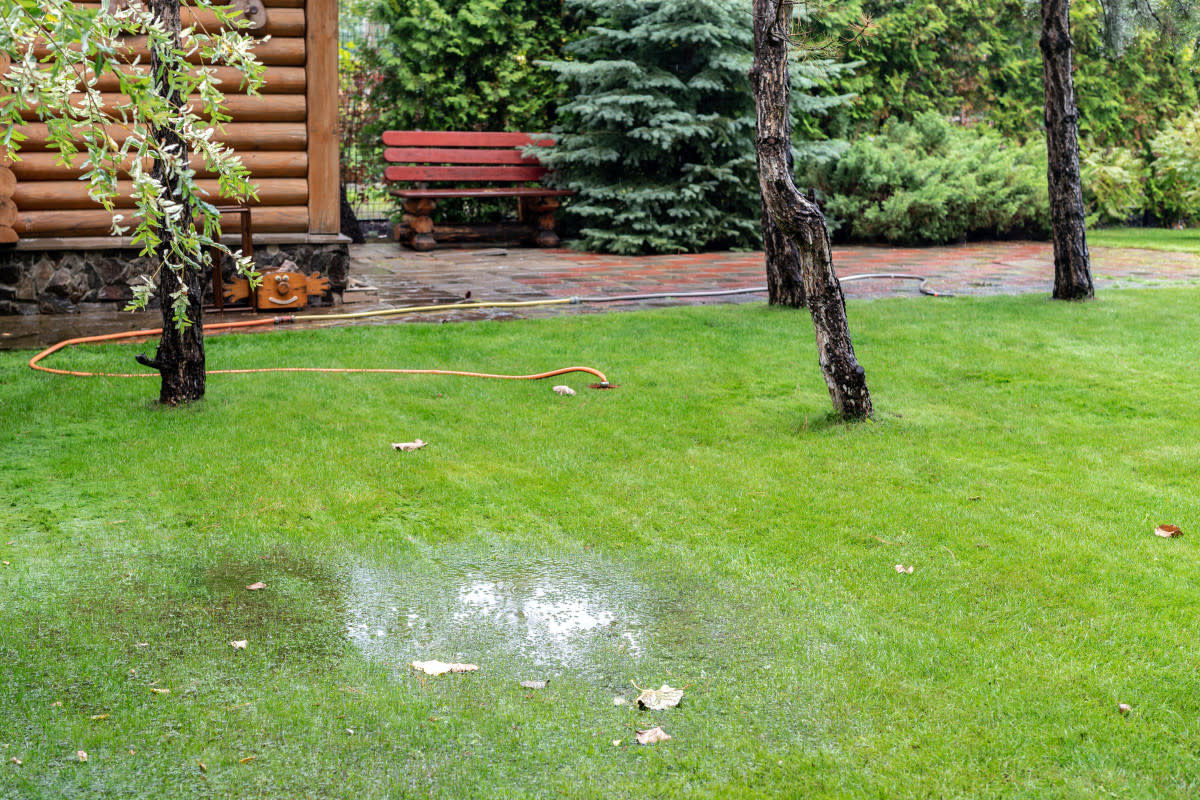
Photo by GKV on Getty Images
(Photo by GKV on Getty Images)
According to Siobhan Shaw, co-founder at Growing to Give, most beginner gardening issues aren’t about choosing the wrong plant, but about planting in the wrong place.
“Water is the quiet saboteur,” she says. “Late winter through early spring is the best time to spot drainage issues. Rain, snowmelt and freeze-thaw cycles make water movement obvious, long before plants are in the ground and vulnerable.”
After a heavy rain or snowmelt, walk your yard or garden beds and take note of where water collects or drains slowly. Standing water can lead to root rot, while overly dry areas will require more watering. “Watch how water moves across the space,” she adds, “not just where it stops.”
This information can be used to guide decisions about raised beds, plant placement and areas better left unplanted, or spots best reserved for gardening decor, Shaw explains. Soggy patches, for instance, are a great choice for moisture-loving plants and don’t have to be avoided.
“Doing this early saves beginners from mid-season regret, lost plants and the frustration that causes many people to give up gardening altogether,” she says.
5. Plan Your Garden Layout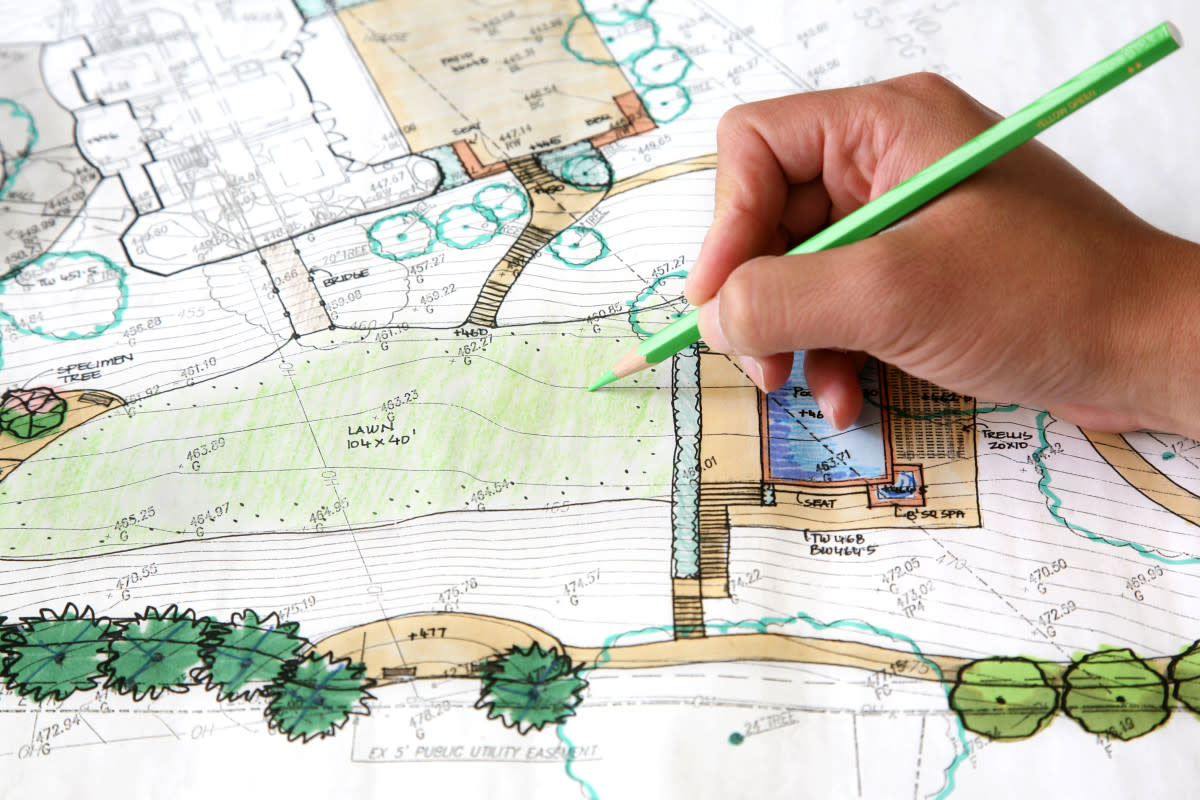
Photo by yenwen on Getty Images
(Photo by yenwen on Getty Images)
Last but not least, get creative and plan where everything will go. Sketch a simple layout of your garden space noting sunny and shady areas. “Draw out where you currently have plants, walkways and slopes,” Sons says. “It will help you stay organized when starting from scratch.”
This layout can help you think about plant height, spacing and even watering access. Planning ahead also helps prevent overcrowding and makes maintenance easier come springtime.
Bonus: Start Seeds Indoors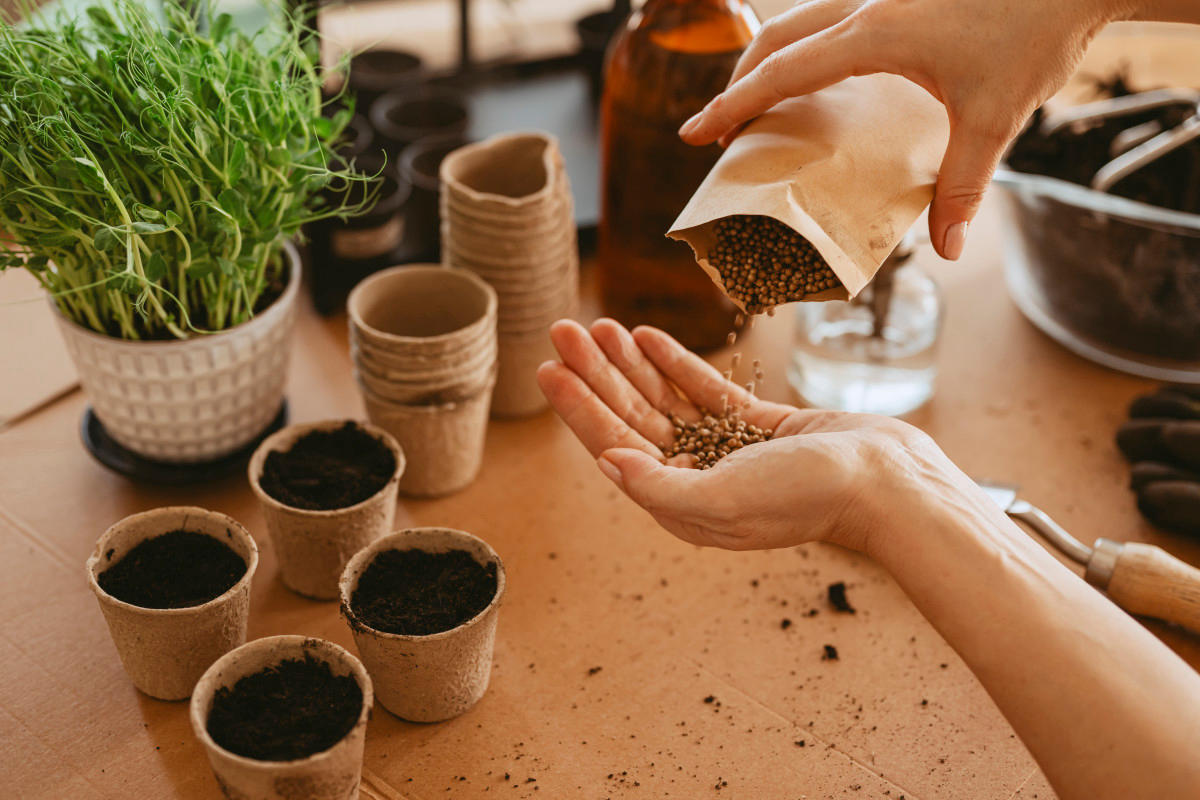
Photo by knape on Getty Images
(Photo by knape on Getty Images)
Starting seeds indoors is an excellent way to get a head start on the growing season, especially if you live in a cooler climate. In fact, many vegetables and flowers actually thrive when started inside six to eight weeks before your last average frost date (you can find this information online).
Stock up on containers, seed-starting mix and a grow light if you don’t have a sunny windowsill available. Read seed packets carefully for instructions, keeping the soil consistently moist. Come springtime, and you’ll have strong, established plants ready to be moved outdoors.
By tackling these easy tasks before spring arrives, you’ll enter gardening season feeling prepared instead of overwhelmed. With a little observation and planning now, you’ll be well on your way to enjoying the benefits of a healthy, productive garden when warmer days arrive.
Related: How to Grow Stunning Hyacinths in Your Spring Garden
This story was originally published by Dengarden on Feb 21, 2026, where it first appeared in the Gardening section. Add Dengarden as a Preferred Source by clicking here.
Comments are closed.