
MARCH is the month for getting the garden ready for the summer months ahead.
And sowing seeds should be at the top of your ‘to do’ list.
Give seeds soil that is wet and warm enough and off they go, and rule of thumb is the bigger the seed the deeper it needs to be in the soil to germinate.
Some seeds can be sown direct into the ground, such as vegetables, whilst some prefer to be in seed trays and a slighter warmer environment to be given a good fighting chance.
Spring is also the perfect time to start feeding plants but the feeding regime needs to be tailored to the needs of specific plant types.
For young plants grown from seed and cuttings use a diluted shop-bought liquid feed when first leaves or growth show.
The same applies to houseplants or plants in pots.
For fruit trees and bushes use potassium-rich organic feed (made from seaweed, nettles or comfrey).
Most veg crops benefit from regular mulching with organic matter such as homemade compost or locally produced mulch.
Brassicas and potatoes need an organic feed yearly in early spring – poultry manure pellets, comfrey pellets and seaweed meal with some well-rotted organic matter.
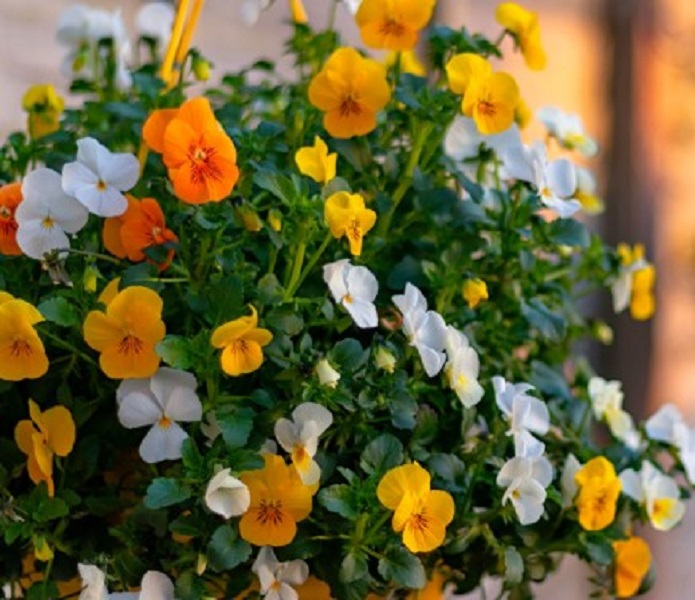
Anyone looking for an instant burst of colour, then a simple solution is to create your a hanging basket mixing hardy annuals with small evergreen shrubs for all-year-round interest.
Although most baskets are planted in late spring and put outdoors after the risk of frost has passed, they can also be filled with frost resistant flowers and plants for colour over winter and early spring.
Hardy favourites include pansies, violas, primulas and winter-flowering heathers, along with bulbs like crocuses. Make sure there is good drainage and moist soil.
For anyone growing their own fruit and veg March is the last chance to prune apples and pears before the buds burst.
As the soil warms up and weeds begin to grow, this is a sign that it’s also time to make your first outdoor seed sowings – cabbages, broccoli, cauliflowers, kale, peas, broad beans, maincrop onions, parsnips and turnips can all be sown this month.
Out in the rest of the garden it’s time for that post winter tidy up – and if there is one job to be done this month it’s to, prune out rambling roses.
Remove thick old stems now and try to finish pruning early in the month.
Cut back old stems to just above ground level with loppers or a hand saw, and cut at an angle to allow water to run off and reduce risk of rot.
This will encourage new vigorous growth and improve the overall health of the rose.
As a rule only take out about a third of the whole plant as any more may reduce flowering, and don’t forget to mulch around the base after pruning.
Some of the other garden jobs for March suggested by the RHS are:
Prune bush and climbing roses
Plant onion sets and shallots
Plant summer flowering bulbs
Plant early potatoes
Lift and divide overgrown clumps of perennials
Mow the lawn on dry days (if needed)
Cut back ornamental grasses that have been left standing over winter
Prune buddleia to encourage new flowering growth
Feed trees, shrubs and hedges
Start sowing veg seeds outside in mild areas eg broad beans, carrots, parsnips, beetroot, onions, lettuces, radish, peas and spinach
Comments are closed.