
Products featured in this Yahoo article are selected by our shopping writers. We will earn a commission from purchases made via links in this article. Pricing and availability are subject to change.
A quick glance at your garden and you might be surprised to discover how it looks now that winter is slowly drawing to a close.
Once the colder weather hits in November, many of us take a step back from our outdoor spaces, leaving our favourite crops to enter a phase of dormancy as they conserve energy for the growing season.
During this period, gardens can appear untidy with muted colours and bare branches. Characteristics that are completely normal for this time of year.
If you’re excited about the prospect of returning to your garden, though, then now is the perfect time to get stuck back in.
“As we move out of winter, sap begins to rise, and plants start returning to active growth. That creates a small but important window where there are certain tasks we really need to complete before growth is fully underway,” says RHS curator, Robert Brett. He explains that March is a crucial cut-off point for certain garden tasks as it marks the end of winter.
“Once the sap is flowing strongly and leaves are bursting out, some jobs become more difficult or less beneficial to the plant,” he adds. “So late winter into early spring is about getting ahead of that surge of growth and making the most of the moment before everything properly takes off.”
So, what are those garden tasks? Brett shares four jobs that should be completed in our gardens before the end of March.
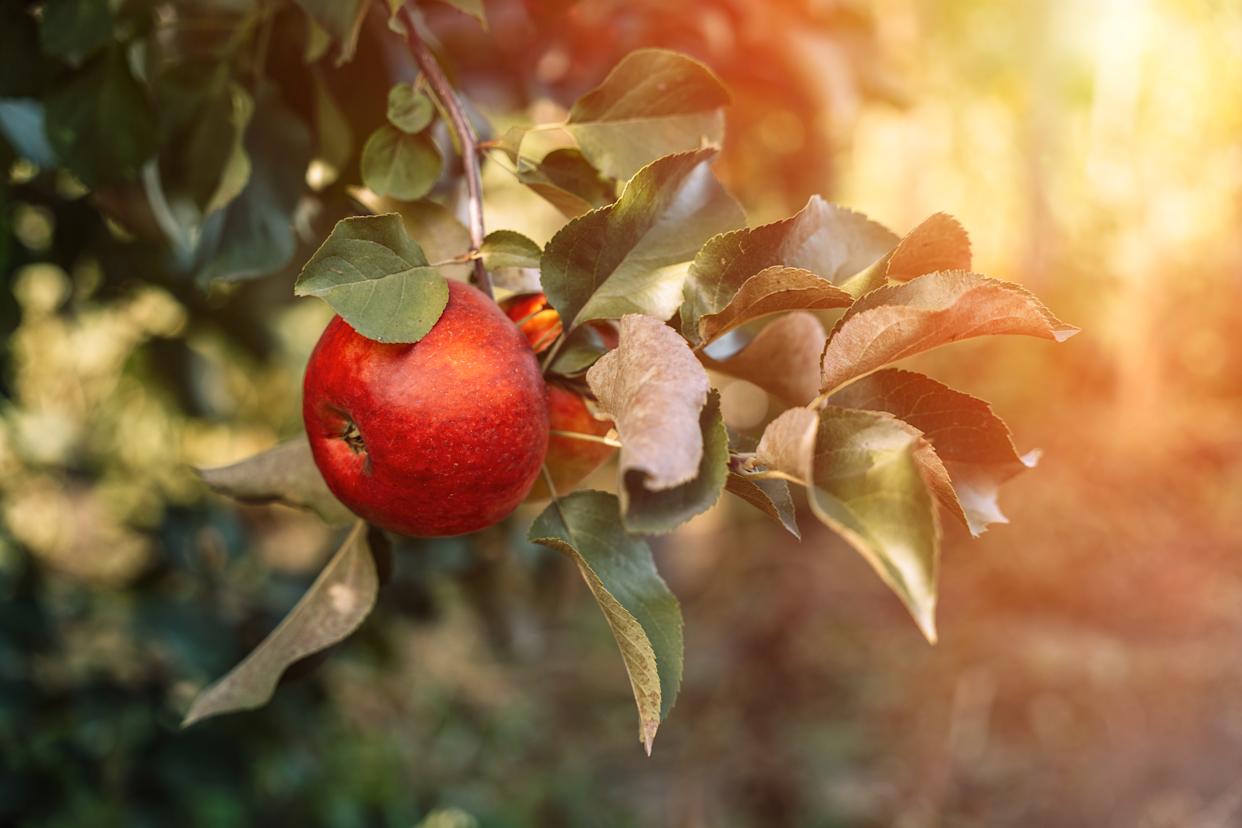
These simple tasks will help your garden thrive during spring and summer.
(Anastassiya Bezhekeneva via Getty Images)What garden tasks should homeowners do before the end of March?Finish pruning certain plants
Between February and March, many plants are just waking up – providing the perfect window for pruning. Pruning at this time, before full growth begins in late spring, encourages healthy, balanced growth.
“Fruit trees, such as apples, benefit from winter pruning, as do roses and wisteria. There’s quite a range of plants that should be pruned at this time of year, and it’s important to make sure that’s completed before March,” Brett tells Yahoo UK.
Pruning also helps shape shrubs and larger plants that tend to become quite unruly, ensuring they remain healthy and manageable.
The RHS recommends using a good-quality pair of secateurs, a pruning saw, string to tie in stems of climbers and wall shrubs, and a bin for green waste.
Practise mulching to help suppress weeds
The last thing we want in our garden is a trail of weeds. Mulching helps significantly with this as it acts as a physical barrier that blocks sunlight from reaching weed seeds, preventing germination and growth.
It’s as simple as adding a layer of material around the base of your plants – this could be compost, bark, manure or even your own plant waste – and letting it protect and nourish the soil underneath.
Doing this now also helps lock in moisture for the drier months ahead.
“This is a great time of year to mulch your beds, borders or pots because most of the material has died back, so you can really get in among your plants,” Brett explains.
“Applying mulch now does a number of things: it helps suppress weeds, retains moisture in the soil, and reduces evaporation. It’s a simple job that brings multiple benefits.”
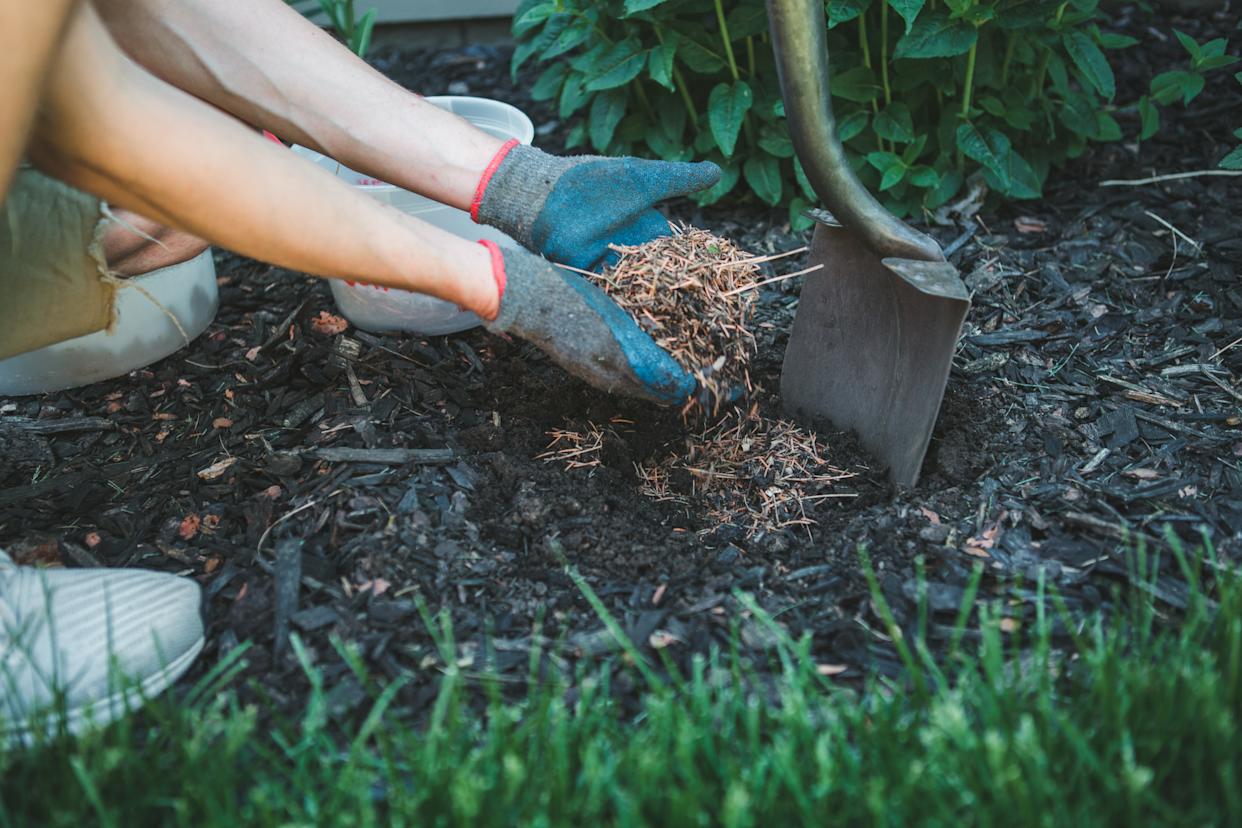
Adding a layer of mulch helps retain moisture, suppress weeds and provide nutrients.
(Annie Otzen via Getty Images)
Brett points out a common mulching technique known as “chop and drop”. To do this, you cut back your plants and, rather than clearing everything away and putting it in the bin, you chop it up finely and leave it in situ. This helps return nutrients to the soil, improves soil structure and supports wildlife by creating microhabitats.
Plant bare-root crops
Brett explains that now is the perfect time to plant bare-root trees and shrubs, as long as the ground isn’t frozen. He tells us that they’ll benefit from the natural rainfall and have time to settle in before spring dryness kicks in.
“Planting at this time of year allows roots to establish while there’s still plenty of natural moisture in the soil. If you leave it until later in the spring, plants can be affected by the increasingly dry conditions we often see from March onwards. So it’s really about making the most of the rainfall and helping plants establish well before the drier months.”
Start sowing seeds
March is ideal for starting some of the more tender crops indoors or in a greenhouse. This includes your tomatoes, chillies, cucumbers and aubergines.
“The key is providing what we call ‘bottom heat’ – essentially gentle warmth from underneath the seed trays. That could be from a radiator, or you can buy purpose-made heat mats. Keeping the temperature around 21–22C really helps with germination and encourages strong root development in those early stages,” Brett explains.
As for outside, if you have lighter soils, you can start planting things like garlic and shallots. Getting them in the ground now helps them establish early and can give you a stronger, earlier crop later in the season.
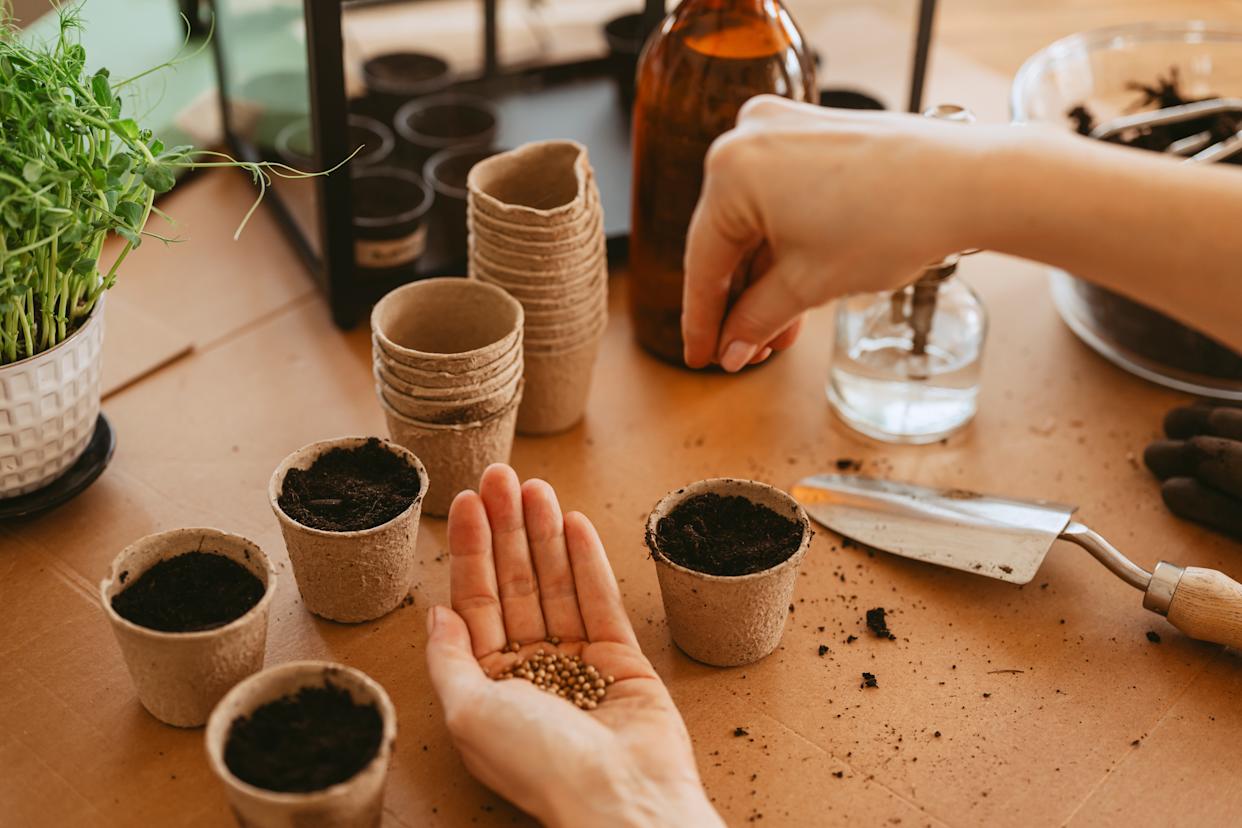
March is a great time of year for sowing tender crops indoors.
(knape via Getty Images)
Comments are closed.