
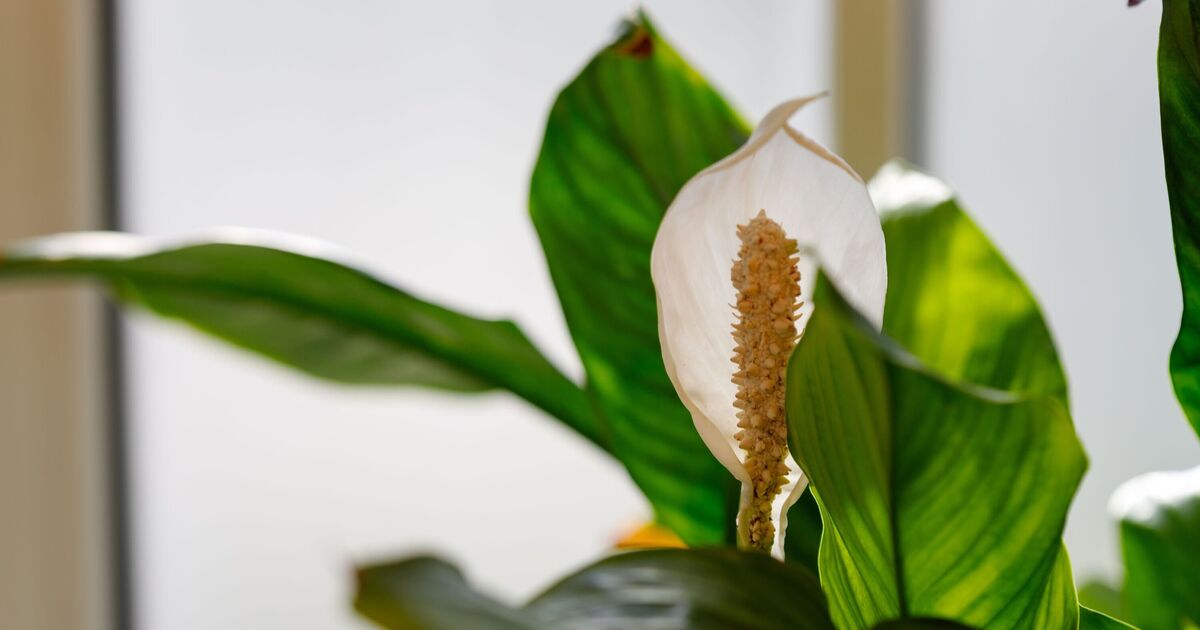
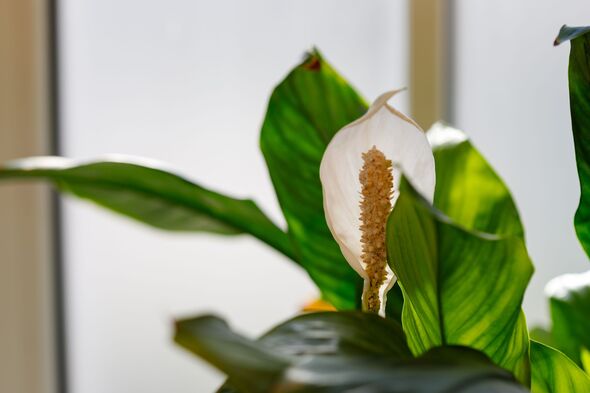
Anyone with peace lilies urged to keep them away from 1 area of their home before March (Image: Getty)
Peace lilies have a reputation as hardy houseplants that can withstand the occasional forgotten watering, but coaxing them into bloom requires a touch more care. During winter, most indoor plants enter a dormant phase due to reduced daylight, essentially shifting into survival mode, which often leaves them looking rather limp or sparse.
As February approaches, garden and indoor plants gradually begin growing faster, and experts at Gardening Express reckon focusing on the temperature in your homes will help peace lilies survive the rest of winter and be in a fantastic position to thrive come spring. They have urged households to keep these indoor plants away from one place, where most indoor plant owners keep their houseplants. They explained: “As tropical plants, peace lilies enjoy warm, humid environments. Cold temperatures can make for an unhealthy peace lily, and can eventually kill the plant.”
Read more: Anyone with garden roses urged to do simple 5-minute job before spring
Read more: Mary Berry shares ‘most important’ gardening task you need to do – expert agrees
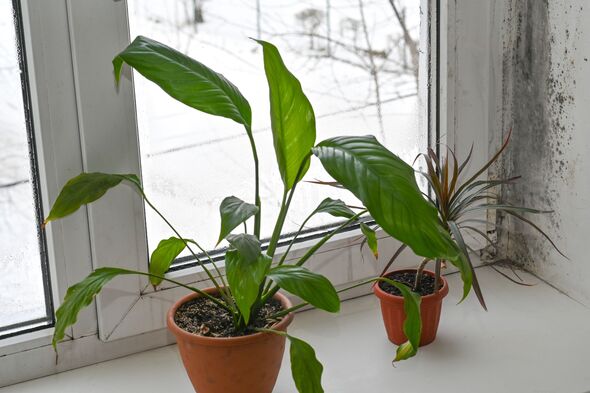
Keeping peace lilies away from cold drafty windows is essential (Image: Getty)
The pros instructed: “Make sure to keep it away from cold drafts and windows, especially in the winter.”
These plants thrive in temperatures ranging from 18 to 29 degrees, so it’s important to keep them away from chilly, drafty windows.
As well as placement, humidity levels are key to these houseplants year-round. Peace lilies thrive in high humidity levels, even during winter.
You can “increase the humidity around a peace lily” by placing it near a humidifier, misting the leaves, or using a pebble tray. You could also place this plant in a bathroom so it enjoys the humidity from baths or showers.
Avoid using cold water to water your peace lilies, and make sure the soil dries out between waterings to prevent root rot.
Ensure our latest stories always appear at the top of your Google Search by making us a Preferred Source. Click here to activate or add us as your Preferred Source in your Google search settings.
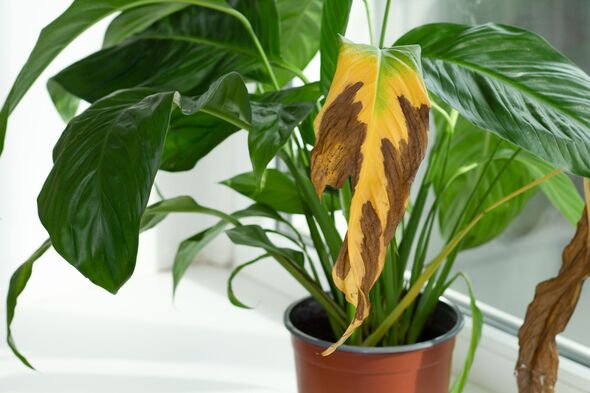
Yellowing leaves are “one of the first signs of cold damage in a peace lily” (Image: Getty)
There are a few signs to watch out for to tell if your peace lily is suffering from cold damage, and the first is yellow leaves.
Yellowing leaves are signs of a few different issues on peace lilies; however, there is a way to tell if the colour change is due to cold damage, according to gardening expert Justine Kandra of Missouri Botanical Garden when speaking to Home and Gardens.
She said: “If the affected leaves are concentrated on one side of the plant, and that side faces a draft, then the chances are likely that the damage is a result of the drafty conditions.”
Another sign of cold damage is brown tips on the leaves. This is because the cold can cause the plant to lose moisture, which can result in the tips of the leaves turning brown. Garden retailer Gardenia noted that “cold blasts at windows desiccate tips and edges” of the plant.
If your peace lily is exposed to cold temperatures for an extended period, it may start to wilt. The pros at plant retailer Jungle warned: “Sudden temperature changes, cold drafts or heat sources like radiators can stress the plant and result in drooping leaves.”
It’s all about finding that sweet spot with steady temperatures and just the right amount of humidity to keep your peace lily happy and healthy.
Comments are closed.