
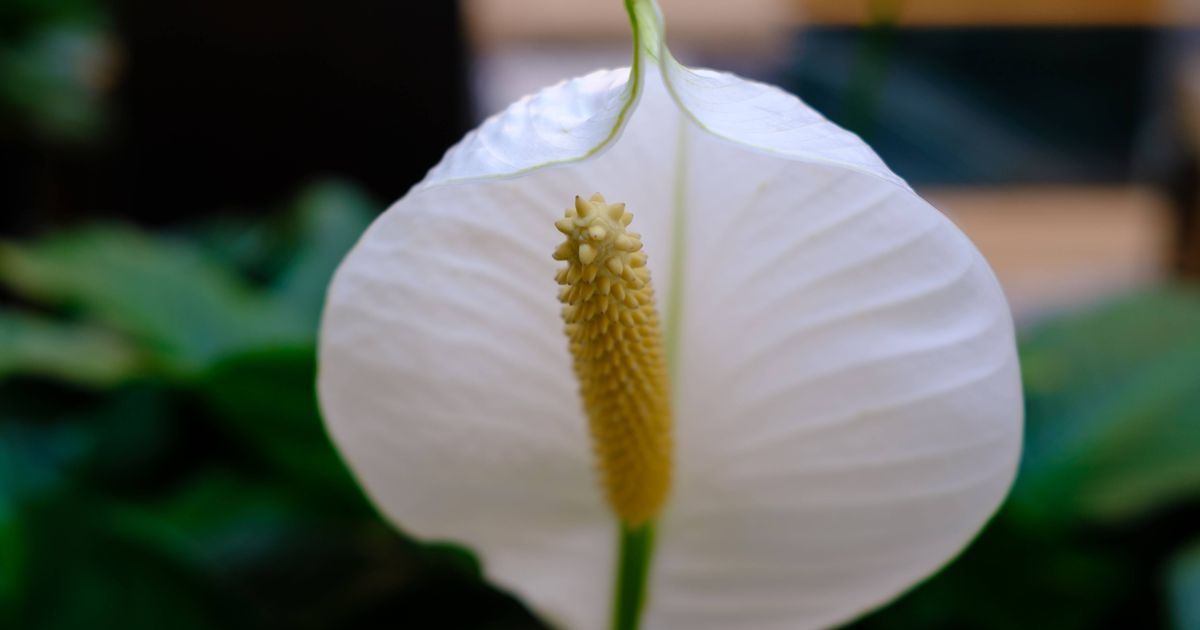
Peace lilies need protection from cold draughts and windows during winter to prevent yellow leaves and brown tips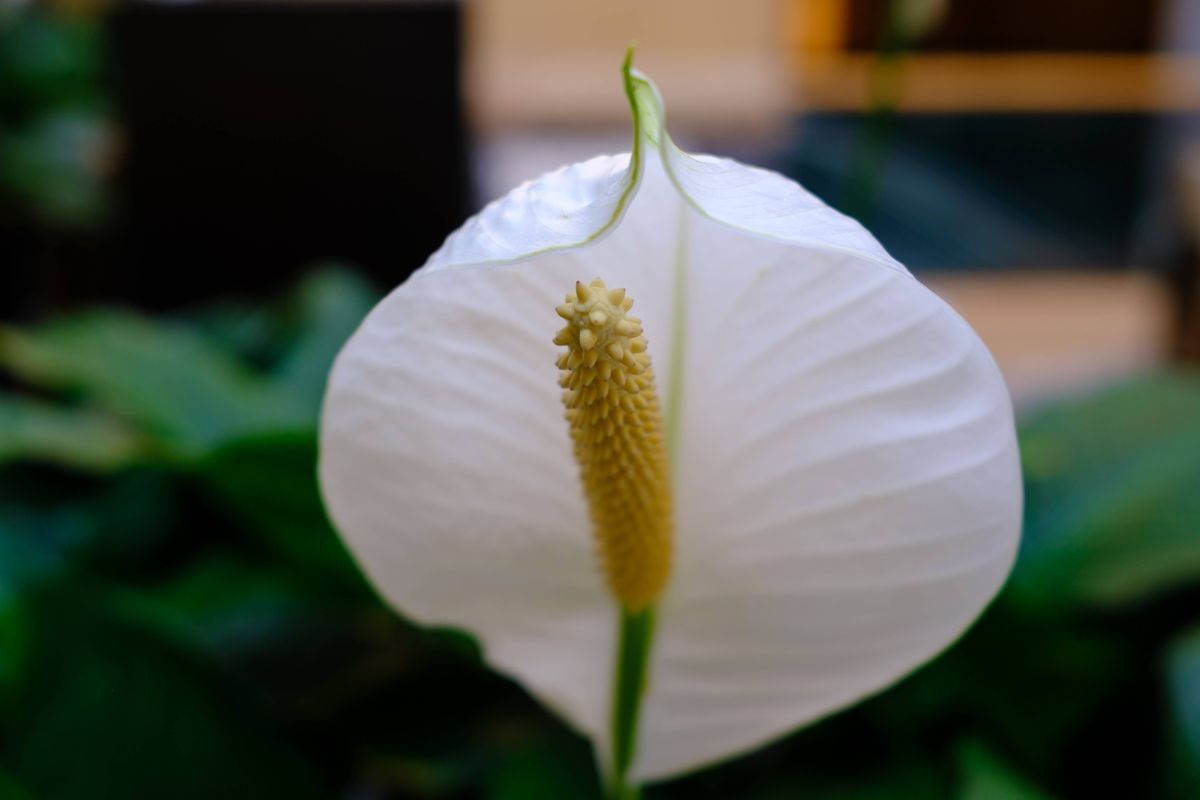
Gardeners urged to do 1 important thing with their peace lilies before spring arrives(Image: kanariie via Getty Images)
Peace lilies are famed for being resilient houseplants that can cope with the odd missed watering session, but getting them to flower demands slightly more attention. Throughout winter, most indoor greenery slips into dormancy thanks to shorter days, essentially entering survival mode, which frequently leaves them appearing somewhat droopy or threadbare.
By February, indoor and garden plants start to pick up the pace with their growth, and the green-fingered gurus at Gardening Express reckon keeping an eye on your home’s temperature will help peace lilies weather the remainder of winter and set them up brilliantly for spring success. They’ve cautioned householders to steer these indoor beauties clear of one particular spot where many plant enthusiasts commonly position their greenery.
They warned: “As tropical plants, peace lilies enjoy warm, humid environments. Cold temperatures can make for an unhealthy peace lily, and can eventually kill the plant.”
The specialists advised: “Make sure to keep it away from cold drafts and windows, especially in the winter.”
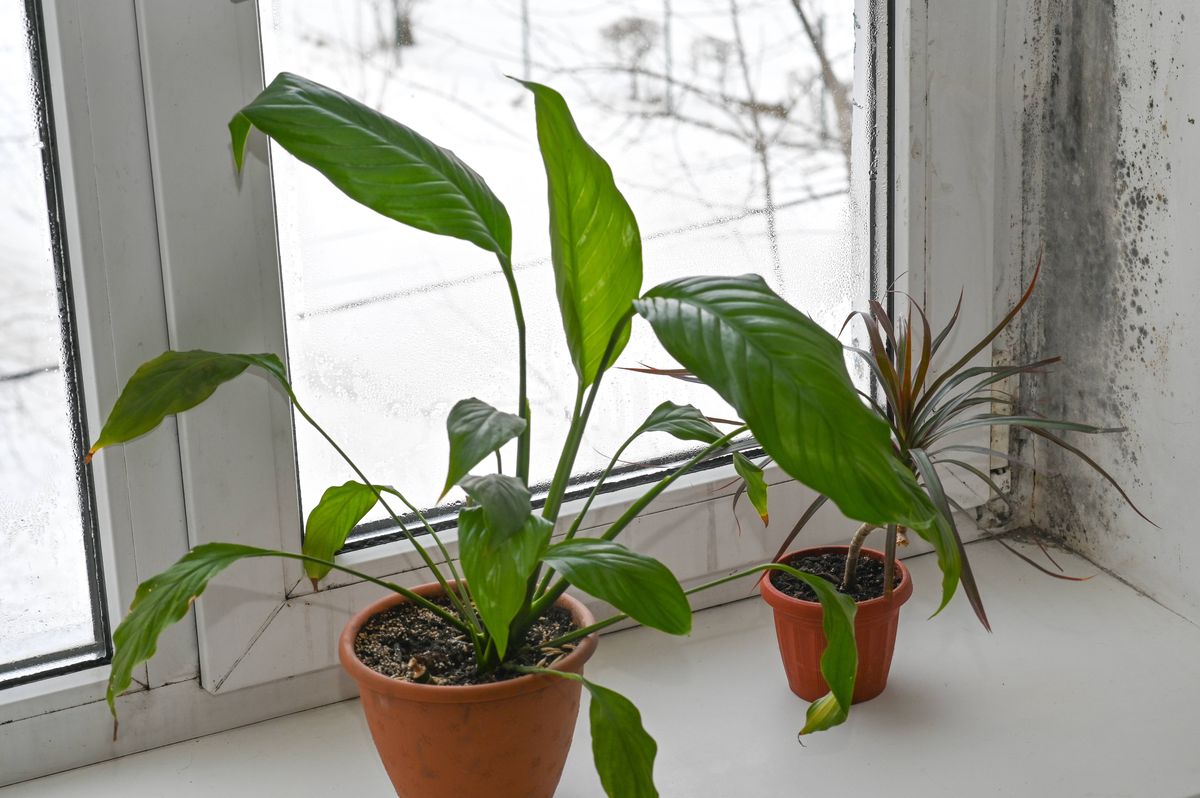
Keeping peace lilies away from cold drafty windows is essential(Image: Olena Vasylieva via Getty Images)
These specimens flourish in temperatures between 18 and 29 degrees, making it crucial to shield them from chilly, draughty windowsills. Beyond positioning, maintaining proper humidity levels is crucial for these houseplants throughout the entire year.
Peace lilies flourish in environments with elevated moisture content, including the winter period.
You can “increase the humidity around a peace lily” by positioning it close to a humidifier, spraying the foliage, or employing a pebble tray. Alternatively, situating this plant in a bathroom allows it to benefit from the moisture generated by baths or showers.
Steer clear of cold water when watering your peace lilies, and ensure the compost dries out between waterings to avoid root rot. Several telltale indicators can reveal whether your peace lily is experiencing cold-related harm, with yellowing foliage being the primary warning sign.
Whilst discoloured leaves can stem from various problems affecting peace lilies, there’s a method to determine if the yellowing is due to the cold, according to horticultural specialist Justine Kandra, speaking to Home and Gardens.
Ensure our latest stories always appear at the top of your Google Search by making us a Preferred Source. Click here to activate or add us as your Preferred Source in your Google search settings.
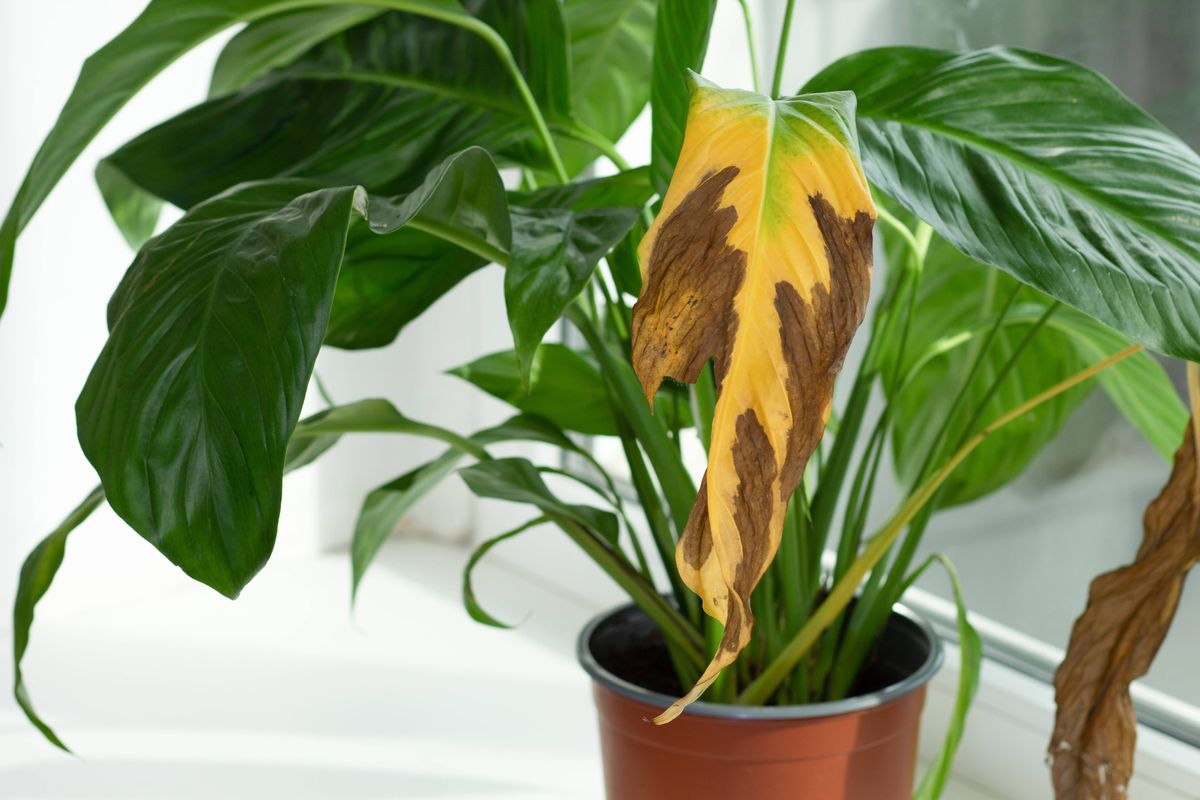
Yellowing leaves are “one of the first signs of cold damage in a peace lily”(Image: Tatiana Foxy via Getty Images)
She explained: “If the affected leaves are concentrated on one side of the plant, and that side faces a draught, then the chances are likely that the damage is a result of the drafty conditions.”
Another indicator of cold-related harm is browning at the leaf tips. This occurs because chilly conditions can cause the plant to shed moisture, resulting in the extremities of the foliage turning brown.
Garden supplier Gardenia observed that “cold blasts at windows desiccate tips and edges” of the plant.
Should your peace lily endure cold conditions for a prolonged duration, it may begin to droop. The specialists at plant store Jungle cautioned: “Sudden temperature changes, cold drafts or heat sources like radiators can stress the plant and result in drooping leaves.”
Success lies in discovering that perfect balance with consistent temperatures and precisely the correct level of humidity to maintain your peace lily thriving and flourishing.
Comments are closed.