
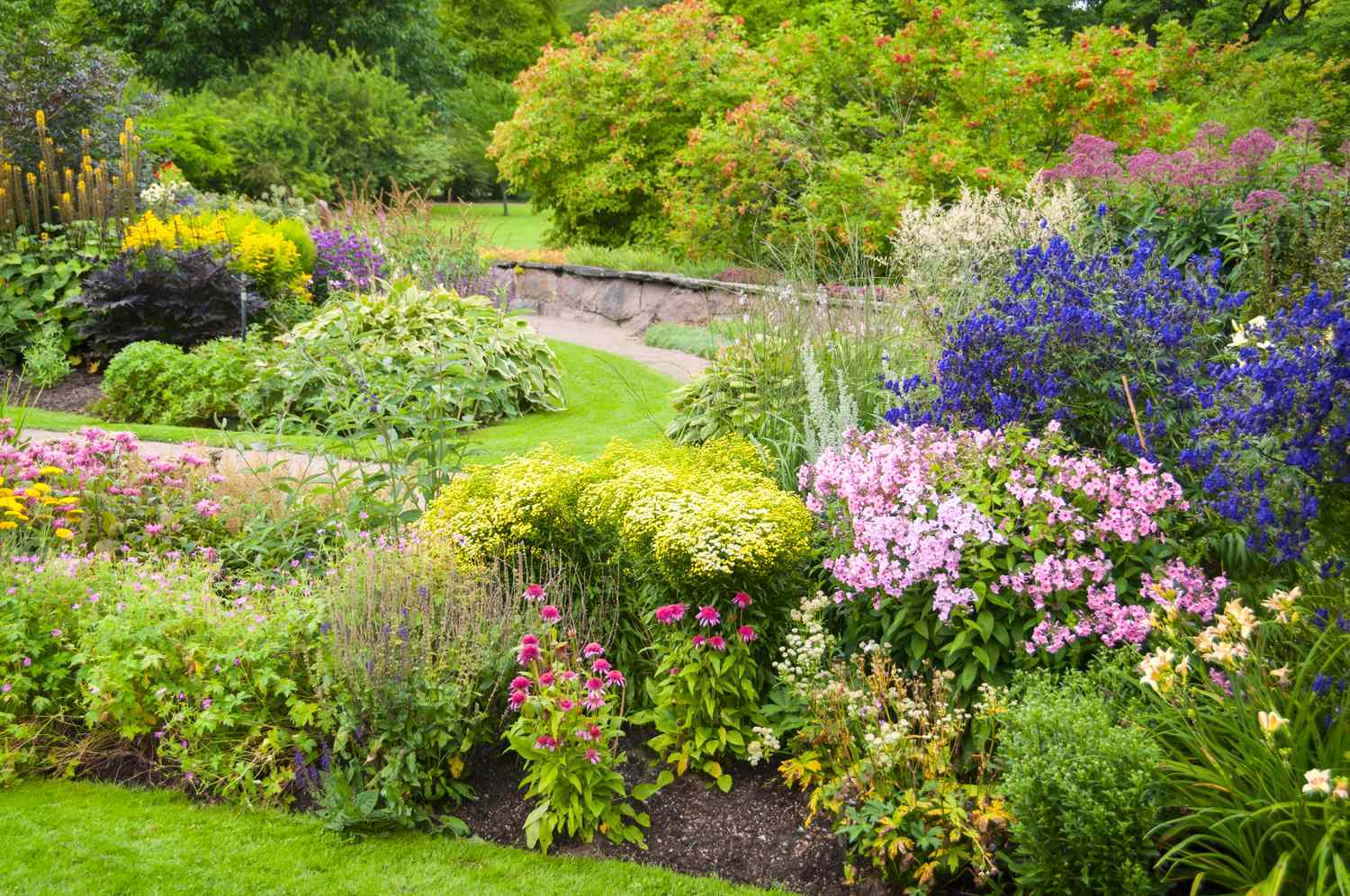
Spring will be here before you know it, which means it’s time for gardeners to start preparing their landscapes for the season ahead. But before you start planting, it’s essential to restore your garden after winter’s damage. Loosening compacted soil from heavy snows and replenishing nutrients in the ground are steps that will ensure your plants thrive in spring and beyond. Ahead, gardening experts share the five things every gardener should do to their beds in late winter for a healthier spring.
Annie Morton, gardener and brand ambassador for Hoselink
Adrienne Roethling head gardener for a private estate and former curator of Juniper Level Botanic Gardens at Plant Delights Nursery
Amend the Soil
Early spring is the perfect time to add compost to garden beds because late winter’s freeze-thaw cycles help break it down and integrate nutrients into the soil. “By the time we are in the full swing of the gardening season, the soil biology is already active, giving young plants an immediate nutrient boost,” says Annie Morton, gardener and brand ambassador for Hoselink.
There are a few ways you can use compost to amend your soil. You can apply it as a mulch over the soil or add some to the planting hole when placing new plants in the ground, says Adrienne Roethling, head gardener for a private estate. She says you can also add an organic fertilizer to soil to boost its nutrient content, but never add more than 5 pounds of fertilizer for every 100 square feet.
Always conduct a soil test before adding soil amendments to your garden. Roethling recommends submitting the sample to your local Cooperative Extension office for accurate testing.
Pre-Soak the Soil
Soaking the soil during early spring dry spells helps improve soil structure and supports beneficial microbes, says Morton. “Moist soil also helps absorb spring rains more evenly, reducing runoff and early-season root stress,” she adds.
Roethling also recommends soaking the soil before moving or adding plants in spring. “This will help the digging process and will help keep those roots hydrated,” she says, adding that plant roots go into shock when they’re added to a new home, but the water helps keep them cool and moist.
Clear Debris
Cleaning up debris after winter is essential to the health of your spring garden. “Removing spent plants and fallen leaves after temperatures are consistently over 50 degrees reduces overwintering pests and diseases while exposing soil to light and air,” says Morton. “Leaving only healthy organic matter prevents any pesky problems from carrying into spring growth.”
While it’s fine to let leaves remain on the ground as a sort of mulch, Roethling recommends picking up whole leaves from large oaks, maples, and other big trees to make room for early-blooming spring bulbs. “A heavy layer of leaves will distort the stems and leaves while depriving them of sunlight,” she says.
Remove Weeds
Don’t wait for weeds to take over your garden in mid-spring and summer to pull them. “Pulling weeds before they leave dormancy prevents them from establishing deep roots or dropping seed,” says Roethling. “This dramatically reduces weed pressure when temperatures warm and saves time during peak planting season.”
If weeds persist, Morton says to pull or cut them before seeds mature. “Annual weeds may be the first type of weed to wake up from winter dormancy. However, it will not be long before perennial weeds emerge,” she says. “Perennial weeds will need to be removed from the soil, while annual weeds just need their tops removed.”
Loosen Compact Soil
If your soil is compacted from snow, take time to gently loosen it before spring. “Gently loosening soil with a garden fork (not tilling) improves drainage and oxygen flow without disrupting soil life,” says Morton. “Not only does this let water soak deeper into your soil, but it also creates an easier path for your plants to grow roots deep and strong.”
Also, if you planted tillage or daikon radishes last fall, they also offer a natural way to loosen compacted soil without tilling. “Tillage and daikon radishes have a long tap root reaching 8 to 12 inches in the ground,” says Roethling. At the end of winter, the roots can be pulled out of the ground, or you can let the plant die back in summer.
Comments are closed.