
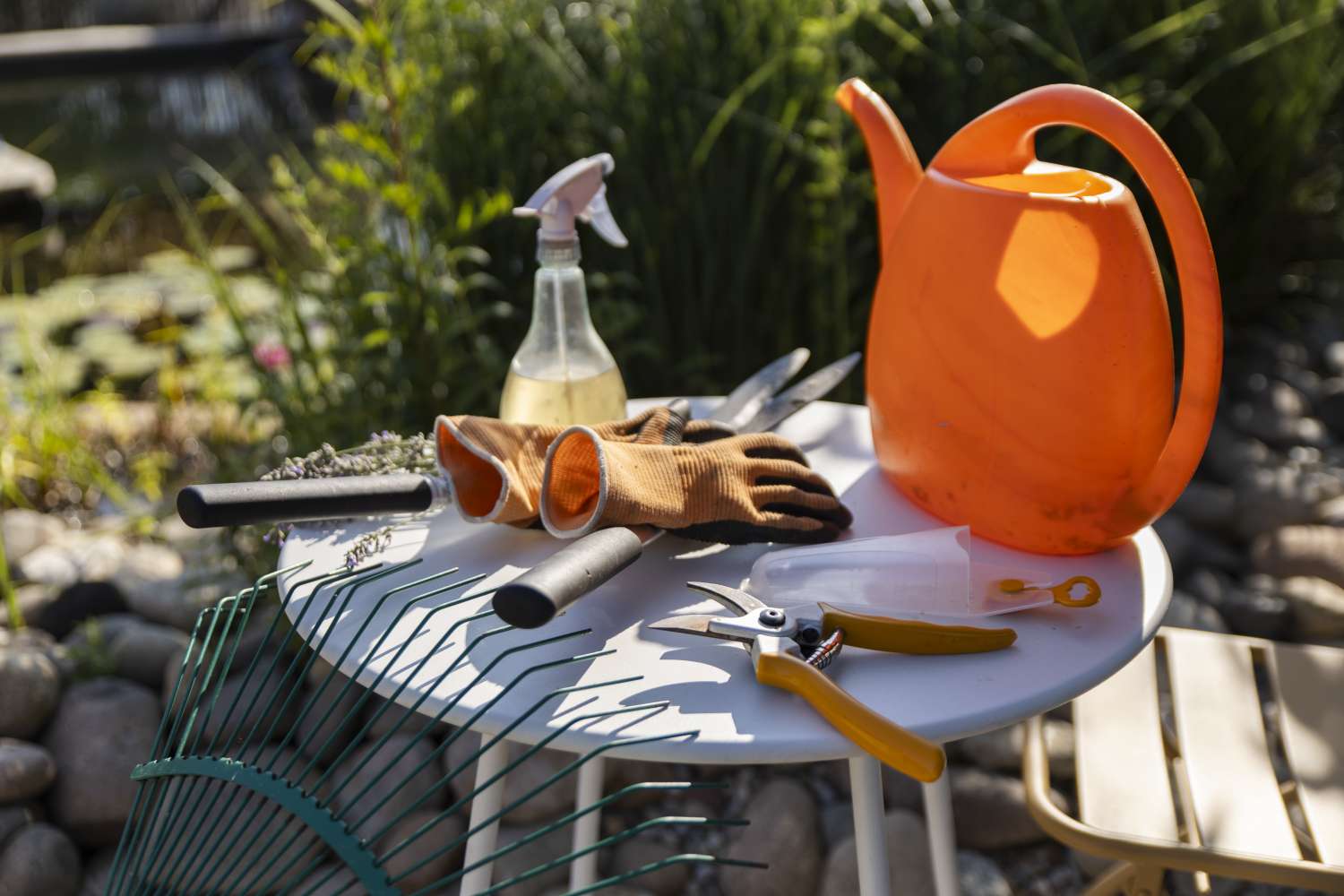
Gardeners are naturally thrifty, saving seeds, collecting rainwater, and swapping plant cuttings with neighbors. But no matter how careful you are, sometimes you need to replace certain items so you can get the most out of your time in the garden.
For the most part, you don’t need to buy some garden supplies new every year, such as granular fertilizer, which lasts for years if kept cool and dry. But there are a few other products that will keep you safe and make your life in the garden more productive and less frustrating.
Read on to learn what lawn and garden products you may want to replace every year.
Seeds With Short Lifespans
Many seeds will last three to five years, if stored properly in a cool location. But some seeds are notoriously short-lived and won’t offer good germination rates. Most alliums, lettuce, and many types of herbs such as parsley should be replaced every year (Side note: You can test germination rates first by placing 10 seeds in a damp paper towel and checking for growth at 5 to 10 days; if only a few sprout, it’s probably better to buy new seeds so you don’t waste your time).
Bulbs For Spring And Fall Planting
It happens: You forgot to plant bulbs you purchased last spring or fall, and you just discovered them. If they’re still firm, go ahead and plant them. Chances are, you won’t have a spectacular display because bulb quality degrades quickly when not planted. If bulbs are mushy or dry and falling apart, it’s not worth your time. Purchase new bulbs every season, and plant them ASAP!
Mulch
Organic mulch, such as pine straw or shredded hardwoods, breaks down within a year or two of application. Mulch also may be disturbed when you plant, so if you have bare spots or the mulch has worn thin, you may need another light layer. Just be sure not to pile up excess mulch, which can become hydrophobic—meaning it sheds water instead of allowing it to penetrate to the root zone. Mulch should not be more than 2 to 4 inches thick. If it’s getting too deep but you want to freshen its appearance, rake it up or remove some before adding more.
Garden Gloves
Depending on how much puttering you do in the garden, you may need to replace your gardening gloves annually. There’s no merit in getting thorns in your fingers and dirt under your nails when you can invest in an inexpensive pair which also protect you from stings, scratches and cuts. Treat yourself to nitrile-coated gardening gloves for dexterity for tasks such as seeding or deadheading and a tougher pair made of leather with long gauntlets that cover your forearms for heavy duty work such as digging and pruning.
Compost
Container and raised bed soil tends to compact and lose nutrients over time. If the soil level has dropped, add an inch or two of compost to the existing beds. Bonus points if you’re making your own compost and don’t have to buy it!
Pruners
While some high-end pruners can be sharpened, most inexpensive pruners cannot be. If yours have become dull and squish branches rather than cutting them cleanly, it’s time to replace them. If possible, replace with a quality pair that can be sharpened so they last longer instead of having to toss them every couple of years.
Insect Repellant
If you don’t want those annoying biting flies, ticks, and mosquitoes to make your time in the garden miserable—let alone pass on diseases such as Lyme, West Nile virus, and encephalitis, use an EPA-approved repellant when gardening. Insect repellants are not required to list an expiration date. But they can lose effectiveness over time, depending on the formulation, active ingredients, product age, storage conditions, and whether it was opened. Most manufacturers recommend using a product within 2 to 3 years of manufacture. To be safe, invest in a new can every couple of years.
Sunscreen
Sunscreen is another product you need to slather on before heading outside. Read the label, but FDA does require sunscreen to have an expiration date unless the manufacturer’s testing has shown that the product will remain stable for at least three years. Sunscreen that doesn’t have an expiration date should be considered expired three years after purchase, so toss it and treat yourself to a new bottle. (Hint: Use a marker to write the purchase date on it, so you’ll remember!)
Comments are closed.