
University of Minnesota Extension
Tune into our WCCO Radio “Smart Gardens” show on Saturdays, 8-9 a.m., for answers to your lawn and garden questions. Dial in AM 830 on your radio or ask your smart speaker. Or listen to Smart Gardens podcasts when you have the time.
Pests and diseases
Notice tiny black flies hovering around your houseplants or near lights and windows? You may have a fungus gnat infestation. Fungus gnats thrive in wet soil. To reduce their presence, you can evenly apply a 0.5-inch layer of horticultural sand to the top of your containers. The sand will dry faster than the soil beneath it, preventing new fungus gnats from laying eggs in the soil.
Read more about managing insects on indoor plants.
Trees and shrubs
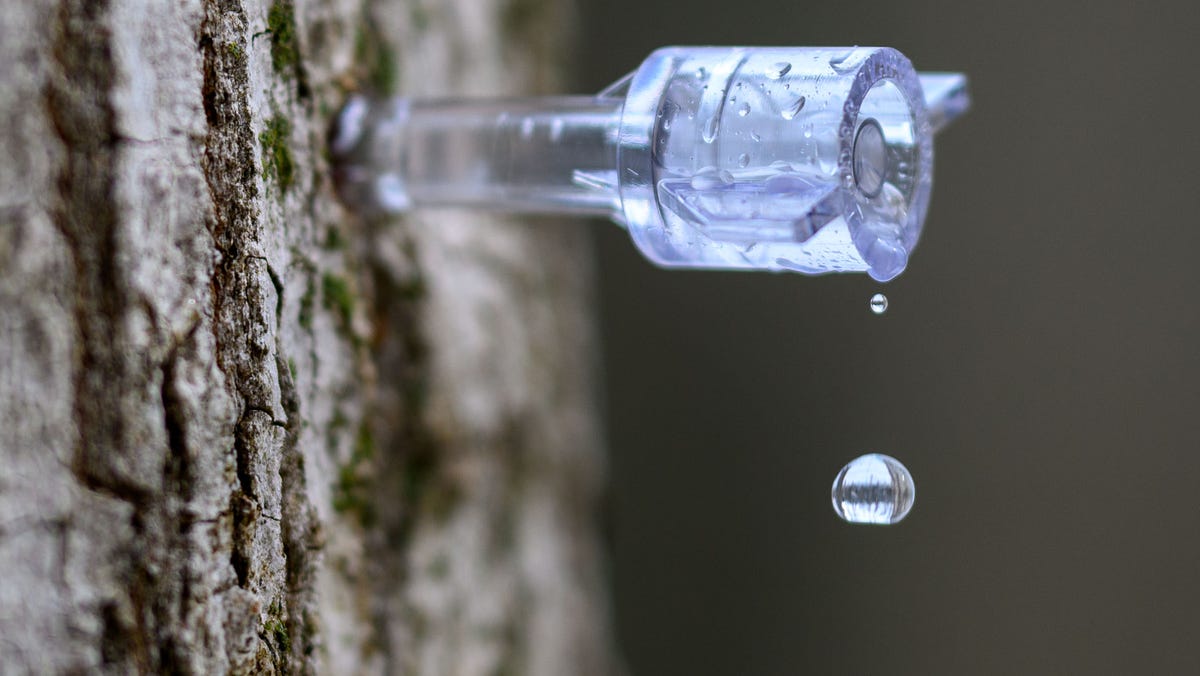
Tap your sugar maple, silver maple, box elder, and black walnuts to create homemade syrups. The tapping season has just started in the southern portion of the state.
Watch these Hort Shorts to see how to tap maple and black walnut trees and collect the sap using bags.
Flowers and other garden plants
You can start some garden plants indoors this month. Some perennial and annual flower seeds need to be started 12-16 weeks before they are large enough to transplant in the garden. We created a great table of when to plant seeds of various flowers and vegetables.
Many seeds of our native perennials require a cold, moist period to germinate. You can mimic winter conditions by placing seeds in a refrigerator; all you need is a container, moist towels, seeds, and room in the fridge.
Houseplants
Start fertilizing houseplants more regularly if you stopped fertilizing over the winter. As days get longer, plants will use more nutrients to grow.
Read and follow all instructions on the fertilizer container label.
Lawn
Lawns are unlikely to grow for several weeks, regardless of whether there is more snow cover. It can be tempting to get out and do some spring cleaning.
Try to avoid doing too much, like aggressive raking or dethatching. This can stress the lawn and create voids where annual weeds can establish.
Let the lawn wake up on its own.
Other tasks
Check your trees and shrubs for signs of animal browsing. If you see a stem with much of the bark removed, you can safely prune it now.
If the damage happens to be on a forsythia, willow, or another spring-flowering shrub stem, try forcing the blooms indoors for a colorful floral display.
Comments are closed.