
Earlier this year we had two named storms (Goretti and Chandra), with severe winds and flooding in many areas. Gardens suffered as a result, with trees down, branches broken and areas under water for many weeks.
Plants and gardens are surprisingly resilient and, given time, most will fully recover. The weather, plus a lack of enthusiasm for getting out and gardening in a muddy mess (which, when trodden on, exacerbates the issue), will have left many spaces neglected this winter. I have tried to keep off the wettest areas in my garden and have thinned out some small trees, reducing the canopy so that strong winds can pass through, putting them in a better position to cope.
Here is an action plan to get a neglected or damaged space back in shape — and things to consider going forward.
Try these drainage solutions
Pink hardy geranium ‘Wargrave Pink’ — tough, long-flowering, and perfect for sunny or partly shaded borders
ALAMY
Some areas will have been saturated all winter, with surface water evident in the wettest periods. Hardy plants that have been growing here for years are likely to recover when things dry up — that’s down to a combination of plants coming into growth and soaking up the water, as well as drying winds and temperatures generally rising.
Surface water usually sits at the lowest point of the garden, where the soil is heavy, on the edges of paved areas or under shed roofs, where the combined runoff has nowhere to go. It’s worth noting these areas (take some photographs) and considering improving drainage when it is dry.
• Gardening: storms, floods and waterlogged soil — here’s what to do and how to plant
This may sound like a lot to do but it is a simple solution and has worked miracles in my garden, especially around the house. Dig a trench and lay a perforated pipe (they come in a range of sizes, from 60mm to 100mm in diameter) in gravel to draw the water away from the wettest areas. At the lowest point you will need a soakaway (a big hole backfilled with hardcore or plastic crates) where the water collects and permeates the surrounding soil.
Otherwise, make a rain garden — which is like a pond but is wet in winter and drier in summer — and direct the water to it. The rain garden can be planted up with species that can cope with both extremes, such as Iris pseudacorus, Iris sibirica, Juncus effusus, Zantedeschia aethiopica, persicaria, Verbena bonariensis, hardy geraniums, hosta and crocosmia. Some people divert their downpipes into these rain gardens, which make a great feature and can be an excellent habitat for wildlife.
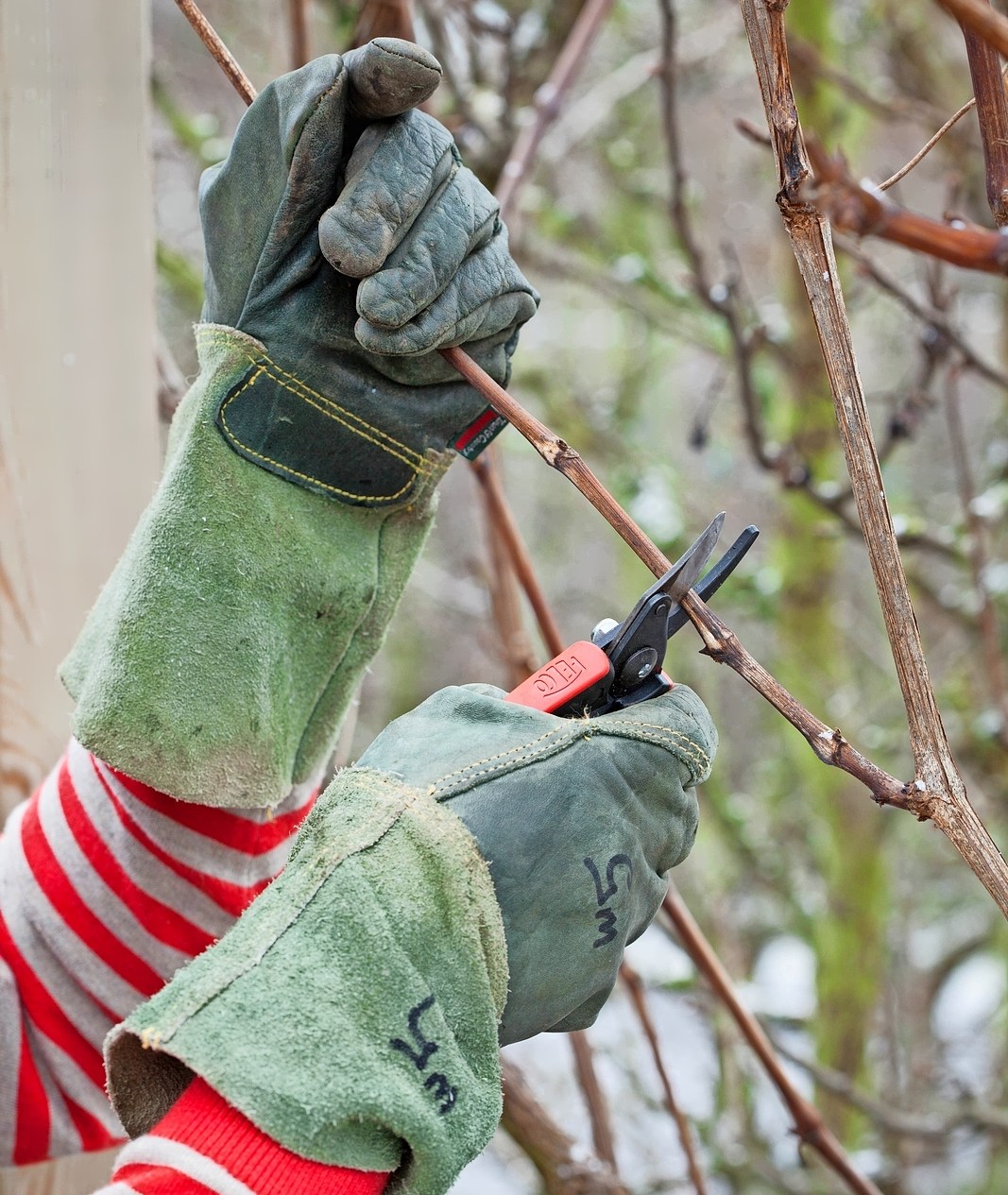
Trim dangling or broken branches to keep trees safe and healthy, making clean cuts at junctions to prevent damage
GAP PHOTOS/JONATHAN BUCKLEY
Keep off wet areas to avoid compacting the soil
The best thing to do is keep off any wet areas, as any weight on the soil will lead to compaction further down the line, potentially making drainage even worse.
If you must get across these particularly wet areas for access, to prune broken branches, for instance, try to spread your weight (on boards, or perhaps invest in some rubber mats, some of which have holes in) to avoid compacting the already wet soil.
Shrubs such as dogwood, black elder, some hydrangeas and Rosa rugosa, as well as some of the aforementioned perennials, will all do well in these areas.
• Read more expert advice about gardening
Check newly planted shrubs for ‘wind rock’
“Wind rock” is often a problem for newly planted species (usually woody plants such as trees and shrubs). The plant becomes unstable at the base and air gaps are formed, so some roots may not be in contact with the soil and dry out. It can be terminal. It is worth checking anything you have planted in the past couple of years, even if it is upright. Firm the soil back in around the roots (with larger ones, use your heel) and stake these plants low down to avoid further movement until they are established once again. Check out any plants that have been blown over. If they have snapped at the base, prune hard back with a clean cut in the hope that they will rejuvenate. If they have blown over with trunk, stems and rootball intact, then replant and stake — they should be fine.
• My six top tips for buying plants online
Cut any damaged branches cleanly
Dangling branches on large and medium trees can be dangerous (especially if you walk or sit under them) and, for the health of the plant (open wounds can lead to infection), it is usually best to tidy them up. Where there are broken branches, make a clean cut below that point, using a sharp pruning saw. Once the damaged branch has been dealt with, you may want to prune out more to balance the shape of the plant. Always cut to a junction if possible rather than leaving “pegs”.
Any medium or large trees will require a qualified tree surgeon. Check for TPOs (tree preservation orders on specific trees) and determine whether you are in a conservation area before you start, as you will need written permission.
Use broken containers as a chance to repot plants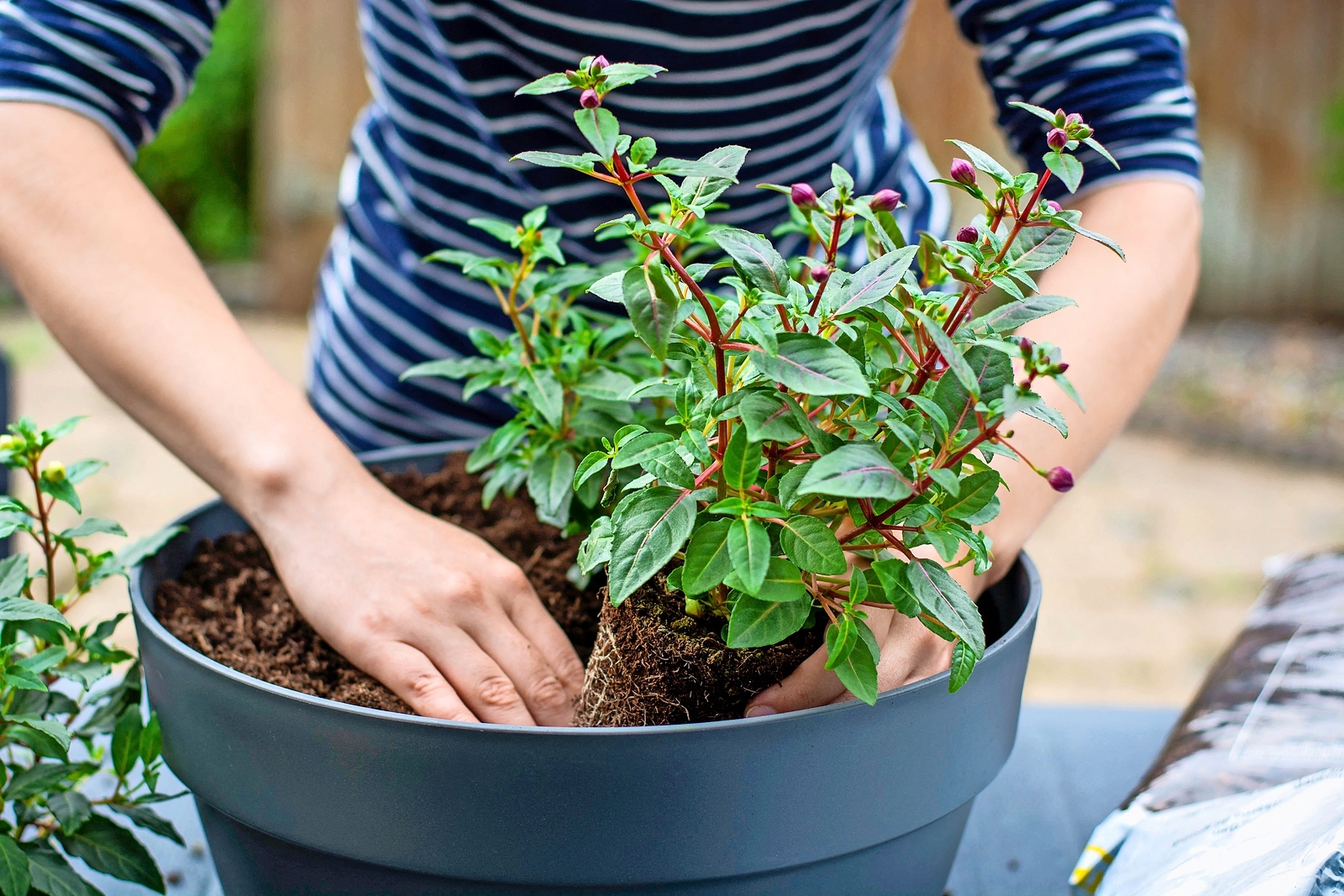
Repot plants into larger containers with fresh compost, and place them in a protected spot if it’s windy
ALAMY
I have a few terracotta pots that have blown over and broken. This is a good time for repotting many garden plants up a size, which provides an opportunity to refresh the compost. Place them in a protected spot, use some sandbags or fix to a wall until the threat of strong winds has passed.
Has a climber come away from the wall? It may need a hard prune
Climbers coming off walls is a common scenario as a trellis can act like a sail in the wind. With non-self-clinging climbers that need support (such as roses, wisteria or jasmine) it is likely your support will need remaking. If the plant is mature and you can lay it away from the vertical while doing this, great. If not, you will probably have to cut it back. Fear not: most climbers like a hard prune every now and then, although with spring-flowering plants you will lose some blooms this year. Tie them back into the new support.
Self-clinging climbers (such as virginia creeper, climbing hydrangeas or ivy) that have come away from the wall or fence cannot just be stuck back up again. Some can be pruned a little, then you could make a support (with wires or trellis) and tie the plant back in the hope it grips again — but the whole point of these self-clinging plants is that they avoid having to do this. It is the new growth that grips best so often it’s wise to cut your climber back quite hard to encourage this, so it can start over again.
Comments are closed.