
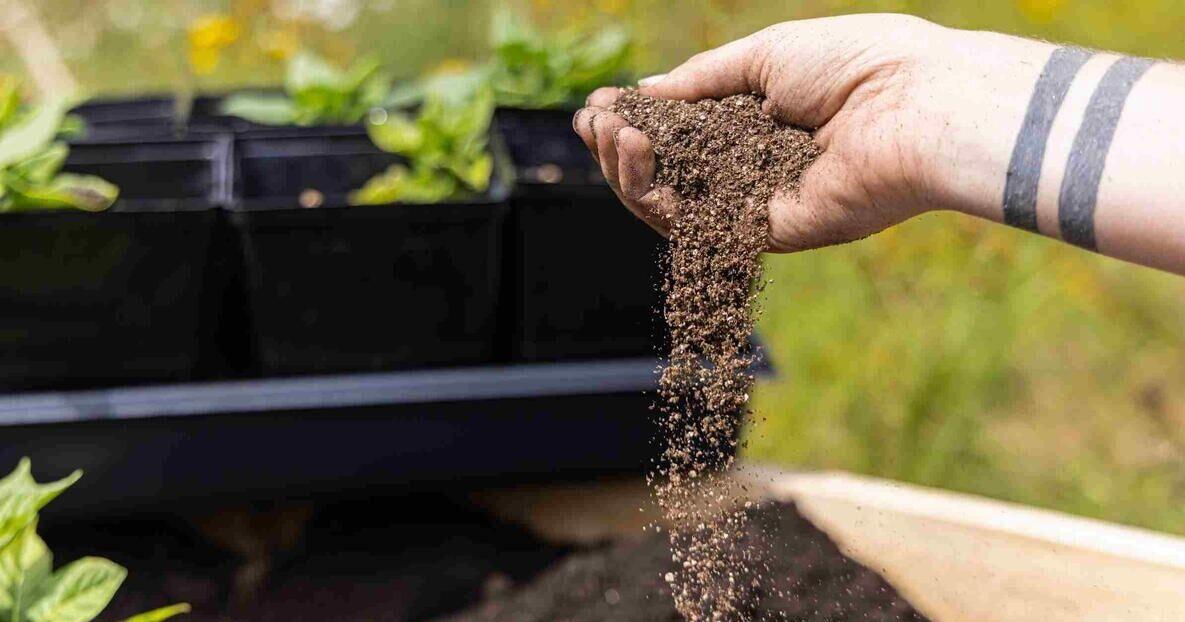
Q. I want to get my garden off to a healthy start for this year. What are some options for soil prep that I can get started with? I’m trying to keep it as organic as possible. Susan M.
A. Susan- I’m glad you are ready to get your hands dirty this early in the game! Healthy gardens begin with healthy soil. While store shelves are lined with synthetic fertilizers and quick-fix products, many gardeners are returning to natural methods that build soil fertility over time. Preparing garden beds the natural way focuses on feeding the soil first, which in turn feeds the plants. This approach improves structure, boosts microbial life, and creates a more resilient garden season after season.
Start with Soil Testing
Before adding anything to your beds, it’s wise to know what your soil actually needs. A simple soil test through your local Carroll County Extension office provides valuable information about pH and nutrient levels. Many plants grow best in soil with a slightly acidic to neutral pH. Adjustments can be made naturally using materials such as lime to raise pH or elemental sulfur to lower it, but it’s best to base these decisions on test results rather than guesswork.
Clear and Prepare the Area
If you’re working with an existing bed, begin by removing weeds and any leftover plant debris. For heavily compacted soil, gently loosen the top 6-8 inches with a garden fork or broadfork. Avoid excessive tilling, as it can disrupt soil structure and beneficial organisms. The goal is to aerate the soil without turning it into fine powder.
If you’re starting a new bed in grassy or weedy areas, consider the “sheet mulching” or “lasagna gardening” method. Lay down a thick layer of cardboard or several sheets of newspaper to smother the existing vegetation. Wet it thoroughly, then cover it with layers of compost, leaves, grass clippings, or straw. Over time, these layers break down into rich, plant-ready soil.
Add Organic Matter
Organic matter is the foundation of naturally prepared garden beds. Compost, aged manure, leaf mold, or well-rotted plant material all improve soil structure and fertility. These materials help sandy soils retain moisture and nutrients, while also loosening heavy clay soils.
Spread 2-4 inches of finished compost over the bed surface. Gently work it into the top few inches of soil, or simply leave it as a top dressing and allow earthworms and microbes to incorporate it naturally. Over time, regular additions of organic matter will create dark, crumbly soil that holds moisture and nutrients more efficiently.
Use Natural Soil Amendments
Depending on your soil test results, you may choose to add natural amendments. Some common options include:
Aged manure: Provides slow-release nutrients and improves soil texture.
Bone meal: A natural source of phosphorus for root development.
Wood ash: Adds potassium and can help raise soil pH slightly.
Greensand or rock phosphate: Slow-release minerals that enrich the soil.
These amendments work gradually, unlike synthetic fertilizers that deliver a quick burst of nutrients. The natural approach supports steady plant growth and reduces the risk of nutrient runoff.
Protect the Soil with Mulch
After planting, cover the soil surface with organic mulch such as straw, shredded leaves, pine needles, or untreated grass clippings. Mulch helps retain moisture, suppress weeds, and regulate soil temperature. As it breaks down, it also contributes organic matter back into the soil.
Aim for a mulch layer about 2-3 inches thick, keeping it a few inches away from plant stems to prevent rot. Over time, mulch becomes one of the simplest ways to build soil naturally.
Consider Cover Crops
If your bed will sit unused for part of the year, plant a cover crop to protect and improve the soil. Crops like clover, rye, or buckwheat prevent erosion, suppress weeds, and add organic matter when turned under or cut and left on the surface. Legume cover crops also fix nitrogen from the air, making it available to future crops.
In the fall, cover crops can be planted and left to grow through winter. In spring, they can be cut down and used as mulch or lightly incorporated into the soil before planting.
Feed the Soil, Not Just the Plants
Natural bed preparation focuses on building long-term soil health rather than providing short-term nutrient boosts. Healthy soil is alive with beneficial bacteria, fungi, earthworms, and other organisms that help break down organic matter and deliver nutrients to plant roots. Avoid practices that harm this living ecosystem, such as over-tilling, leaving soil bare, or relying heavily on synthetic chemicals. Instead, focus on adding organic materials, keeping the soil covered, and rotating crops each season.
A Long-Term Investment
Preparing garden beds the natural way may take a little more patience, but the results are worth it. Over time, soil becomes easier to work, plants grow more vigorously, and pest and disease problems often decrease. Each season builds on the last, creating a self-sustaining cycle of fertility. By feeding the soil with compost, mulch, and natural amendments, gardeners can create productive beds that support both plants and the environment. Healthy soil truly is the foundation of a thriving garden.
Comments are closed.