
After months of cold, snow and dormancy, your lawn doesn’t simply wake up in peak condition on its own—it needs a little attention. Compacted soil, matted grass and the first signs of early weeds are often the visible reminder that winter left its mark and there’s some work needed. The good news? According to TruGreen, a few well-timed steps in early spring can set the tone for the entire growing season.
SIGN UP for the Dengarden / Parade Home & Garden newsletter for a weekly dose of our favorite house hacks, decor trends and shopping deals
Start With a Clean Slate
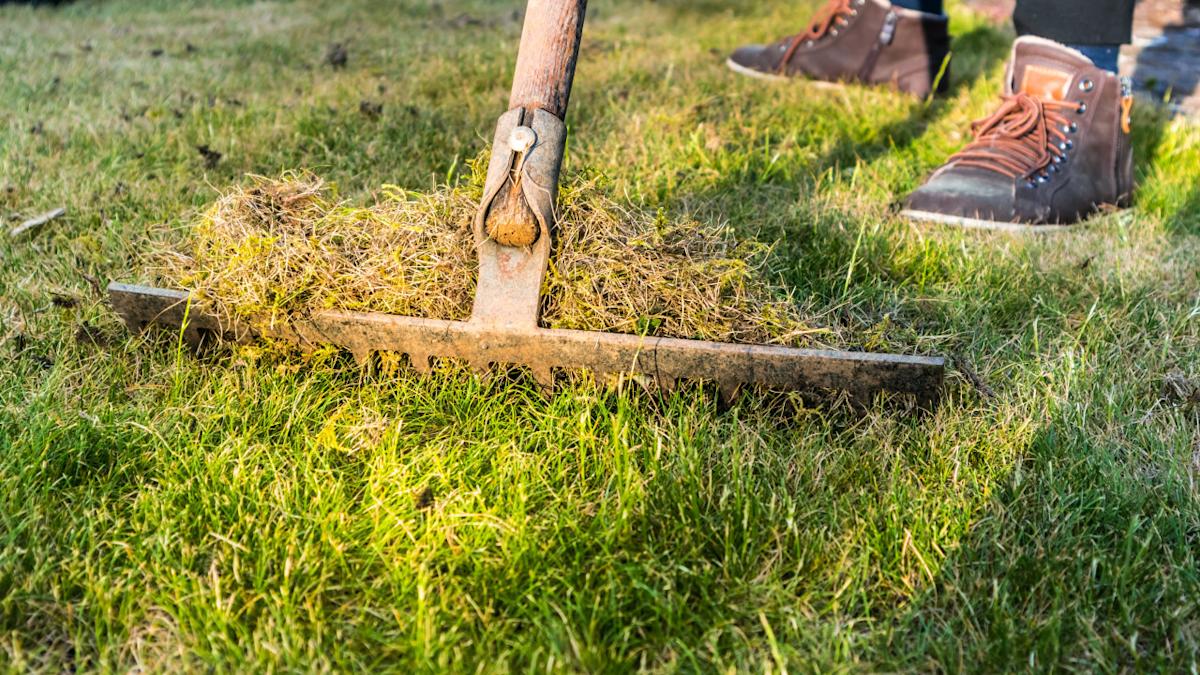
Before reaching for fertilizer or weed control, take a slow walk across your yard. Clear away fallen branches, leftover leaves and any debris that accumulated over winter. A light raking can help loosen matted grass and improve airflow at the soil surface, encouraging new growth to push through more easily. This isn’t about aggressive de-thatching, it’s simply about giving your lawn room to breathe.
As you clean up, pay attention to thin patches, compacted areas or spots where water tends to pool. Noticing these issues early allows you to be more strategic in the weeks ahead.
As @lawn.whisperer on Instagram adds, a good rake in early spring can spell success once the warmer months are here.
Focus on the Soil
Healthy grass starts below the surface. If the soil feels dense or heavily trafficked, aeration can help break up compaction and allow air, water and nutrients to reach the roots more effectively. Spring can be a good time for this, particularly in high-traffic areas.
Bare or thinning sections may also benefit from overseeding. Adding seed while temperatures are still mild gives new grass a chance to establish before summer heat or weeds compete for space.
Related: Jason Day Teams Up With TruGreen to Encourage Homeowners to Quit DIY Lawn Care
Fertilize and Get Ahead of Weeds
As soil temperatures rise and growth begins, a light feeding can support steady development. A balanced, slow-release fertilizer encourages consistent growth without pushing the lawn too hard too quickly.
Early spring is also the window for pre-emergent weed control. Applying it before weeds like crabgrass germinate can help prevent problems later in the season. Timing matters: too early or too late can reduce its effectiveness, so keep an eye on soil temperatures rather than the calendar alone.
Reset Mowing and Watering Habits
When regular growth returns, avoid cutting the grass too short. Slightly taller blades help shade the soil, retain moisture and encourage deeper root development. Watering should follow the same philosophy: deeper, less frequent sessions promote stronger roots than daily light sprinkling.
Spring lawn care doesn’t require an overhaul, just a thoughtful reset. A few well-timed moves now can make the difference between constantly fighting weeds in July and enjoying a thick, resilient lawn all summer long.
Related: This $10 Ikea Find Is the Perfect Way to Showcase Spring Flowers
This story was originally published by Dengarden on Feb 19, 2026, where it first appeared in the News section. Add Dengarden as a Preferred Source by clicking here.
Comments are closed.