

After trying everything from vinegar to wire brushes, one simple kitchen ingredient proved more effective than anything else at killing weeds on block paving – and stopping them coming back
07:00, 17 Feb 2026Updated 08:25, 17 Feb 2026
This article contains affiliate links, we will receive a commission on any sales we generate from it. Learn more
Steffan Rhys discovered a surprisingly effective method for getting rid of driveway weeds(Image: Steffan Rhys)
The weeds on my driveway are a constant source of irritation. I have a block paving driveway made up of thousands of individual bricks and for at least part of every year, every single one of them is surrounded by an unsightly combination of weeds, grass and moss.
When the driveway is free of weeds (typically after hours of back-breaking hard work) it looks bright and appealing. But when the weeds have taken over, it looks terrible and I’m embarrassed to show my face on the street.
But I eventually discovered the method that proved more effective than any other. Not only did it require far less time than any other but, weeks after doing it, only a handful of weeds had sprouted back up whereas previously they typically returned worse than ever.
I’d previously heard about salt, like this £19.99 20kg Amazon Bag of Grit Rock Salt, being useful for eliminating weeds, but I was spurred into action after my neighbour mentioned she’d witnessed impressive results from using it. Not only did it destroy weeds – it also stopped them from returning, she explained.
Other retailers selling rock salt include Wickes, which offers a bag for £8.70. Alternatively B&Q sells Tarmac Meltaway Rock Salt at the same price. I also had a pressure sprayer similar to this one from Amazon to hand, which can be purchased for £21.
Shop now
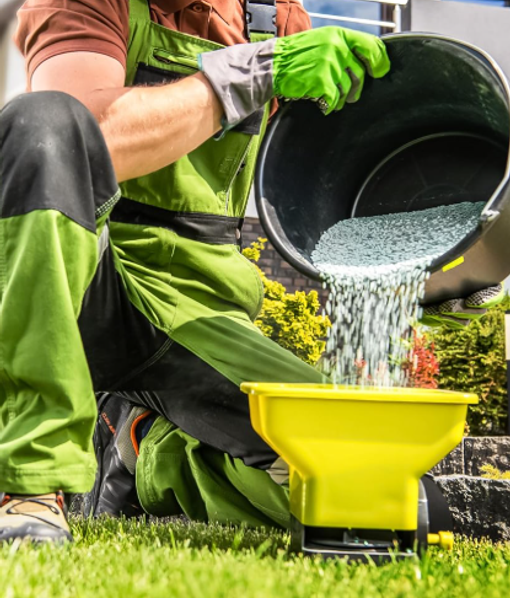
Buy the Bag of Grit Rock Salt at Amazon
“Salt really does make a great weed killer as it will kill just about anything that grows” National Garden Bureau member and Laidback Gardener, Larry Hodgson, told Homes and Gardens, though he added: “But [it’s] so toxic it simply can’t be recommended in most garden settings.”
Not only does salt obliterate the foliage if applied by spraying but also the roots if watered in, people claimed. On some websites, individuals stated salt “essentially sterilises” the soil “preventing vegetative re-growth.”
On another, someone wrote: “If you salt the soil, no plant will ever grow there again.” The method was successful at getting rid of the unwanted growths and though some did return several weeks later, it was nowhere near the rapid rate at which they had previously come back – full details on what I did to achieve this can be found at the bottom of this page.
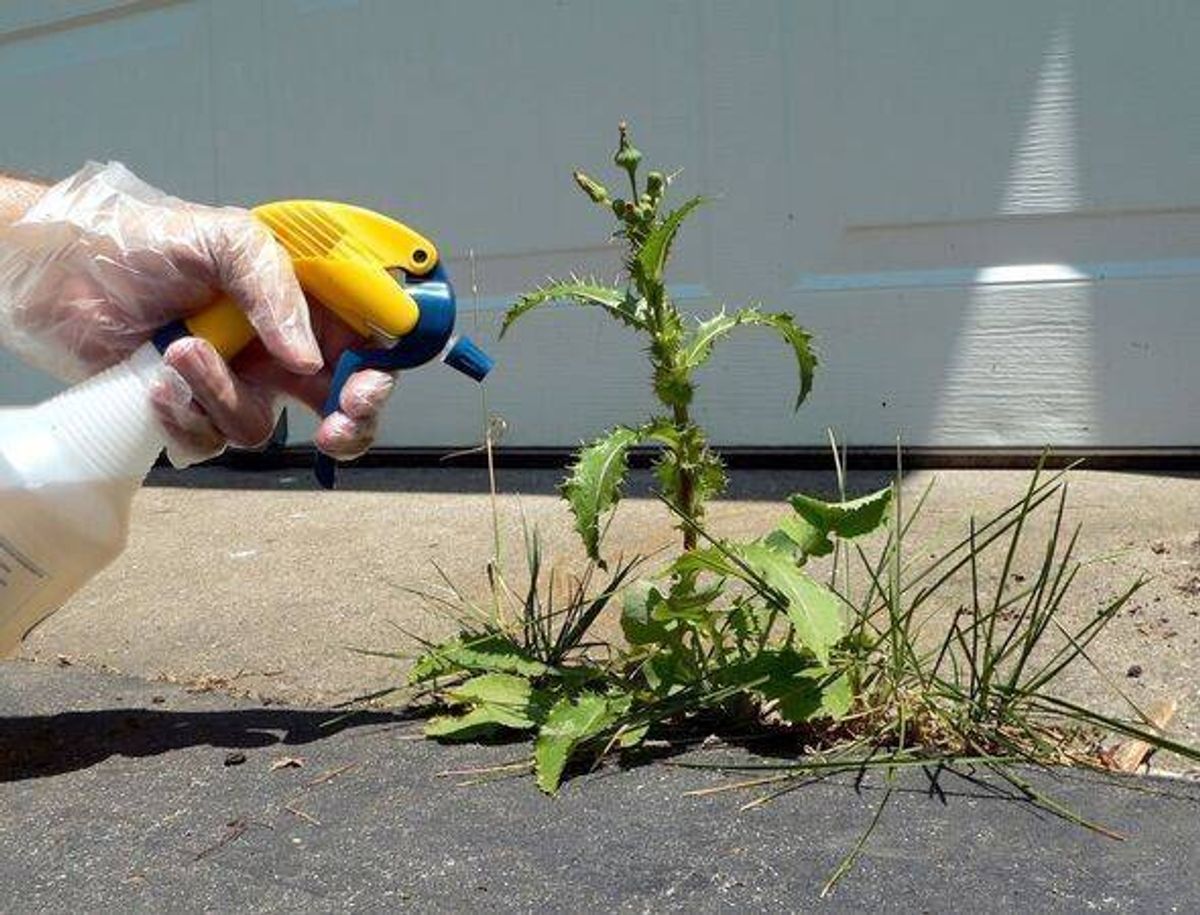
There was no way individually spraying thousands of weeds would work(Image: Getty)
It’s now been a while since I last weeded so my driveway does need some more attention – and this is unquestionably the method I’ll use again. But I thought I’d also share the methods I worked through to rid my driveway of weeds before discovering the one that actually worked.
A top-notch weed wire brush did a splendid job of getting into every nook and cranny, ripping apart the weeds, which came away quite effortlessly. However, it soon became clear that I wasn’t eliminating the weeds from their roots, meaning they would regrow shortly.
Another method I’d previously tried was Kiln-dried sand and setting sand. The wire brush method taught me that I needed to prevent weeds from sprouting in the gaps between the bricks, so I tried using setting sand. This is sand that one would sweep into the cracks then lightly water, causing it to harden like cement and stop weeds from emerging.
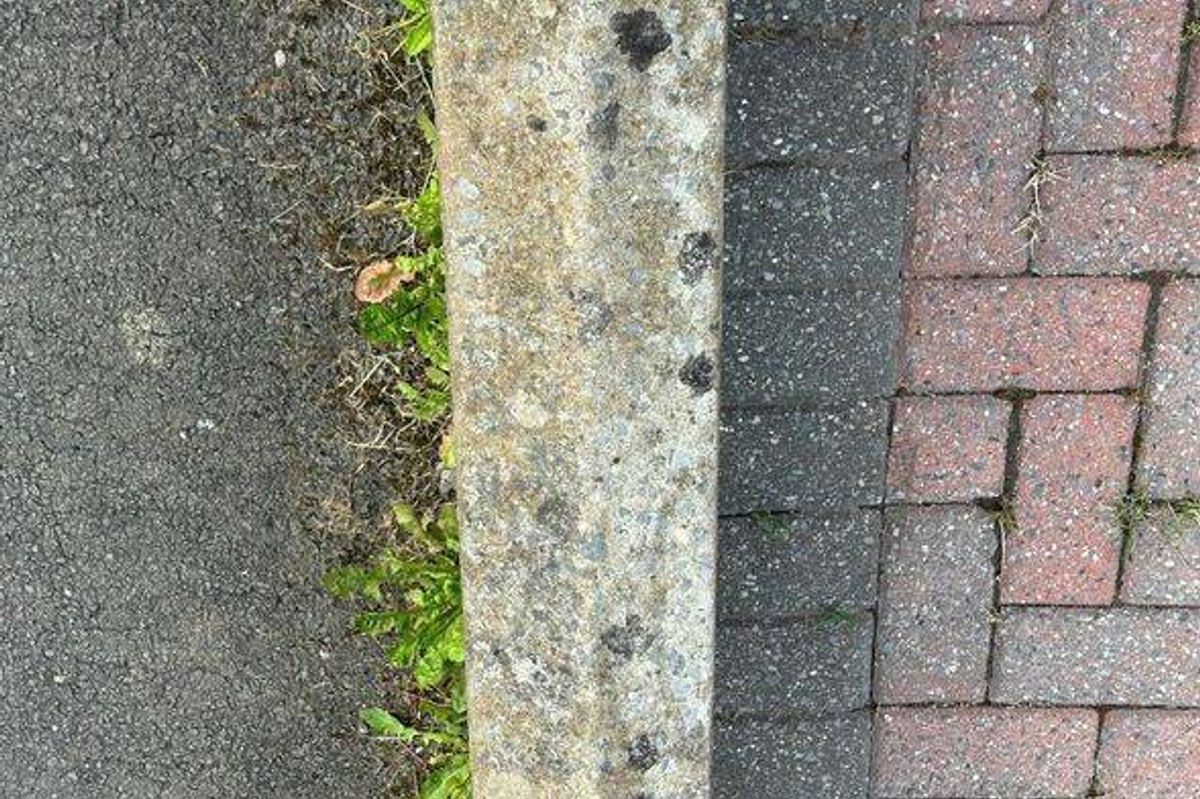
Picture taken from above showing weeds on Steffan’s driveway(Image: Steffan Rhys)
It sounded promising in theory. However, it didn’t work out in practice. It quickly became evident that I would need a vast quantity of it to cover even my modest driveway.
I also turned my attention to weed killer. It became clear almost instantly that this method would be extraordinarily wasteful, labour-intensive and ultimately fruitless. After buying a bottle of weed killer and starting to spray each individual weed manually, I realised that I would need multiple bottles and countless hours to finish the job.
Then, there’s bleach, but the internet is full of warnings about using bleach as a weed killer, mainly due to its harmful effects on any surrounding soil. This wasn’t an issue for me as I was applying it on a driveway but I still wasn’t fond of the idea of pouring gallons of bleach all over the ground.
But another significant reason for this was its effectiveness. I would need a massive amount of bleach to cover the area. I also worried about how I’d wash the bleach away once it had killed the weeds.
Vinegar, lemon juice and boiling water is another approach some suggest for ridding a driveway of weeds. I didn’t test these approaches myself because my colleagues had already carried out the research.
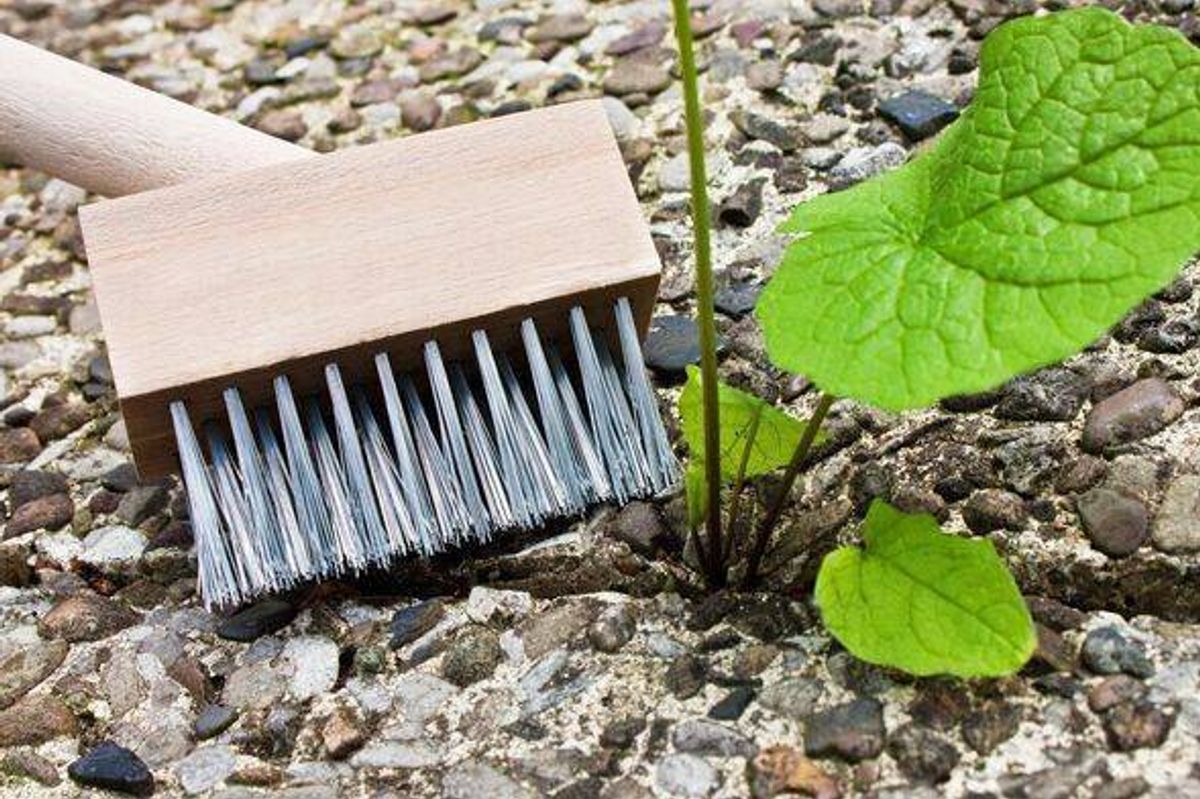
Weed-cleaning with weed brush(Image: Getty)
They examined four natural methods for eliminating weeds: Phoebe Cornish used vinegar on weeds and reported “the weeds looked colourless and shrivelled within a few hours of soaking them in the vinegar solution.”
She continued: “And when I checked back the following morning, I was truly impressed with the effectiveness of this gardening hack. It’s a great way to flatten and weaken weeds before pulling them out of the ground, but it doesn’t replace the need to dig out the roots to prevent them from growing back.”
Another colleague tried lemon juice but discovered it was ineffective, commenting: “If anything, the weeds seemed to have grown 24 hours later.”
How to use salt to kill weeds
All this acclaim for salt seemed promising so I purchased 20kg of rock salt from Amazon. I already had a pressure sprayer with a large capacity of at least 10 litres, similar to this £21 option from the online marketplace.
The first method I attempted was to add a significant quantity of the rock salt to the sprayer then I added several litres of warm water. I stirred with a large plank of wood to dissolve the salt as much as possible then I began to spray the weeds.
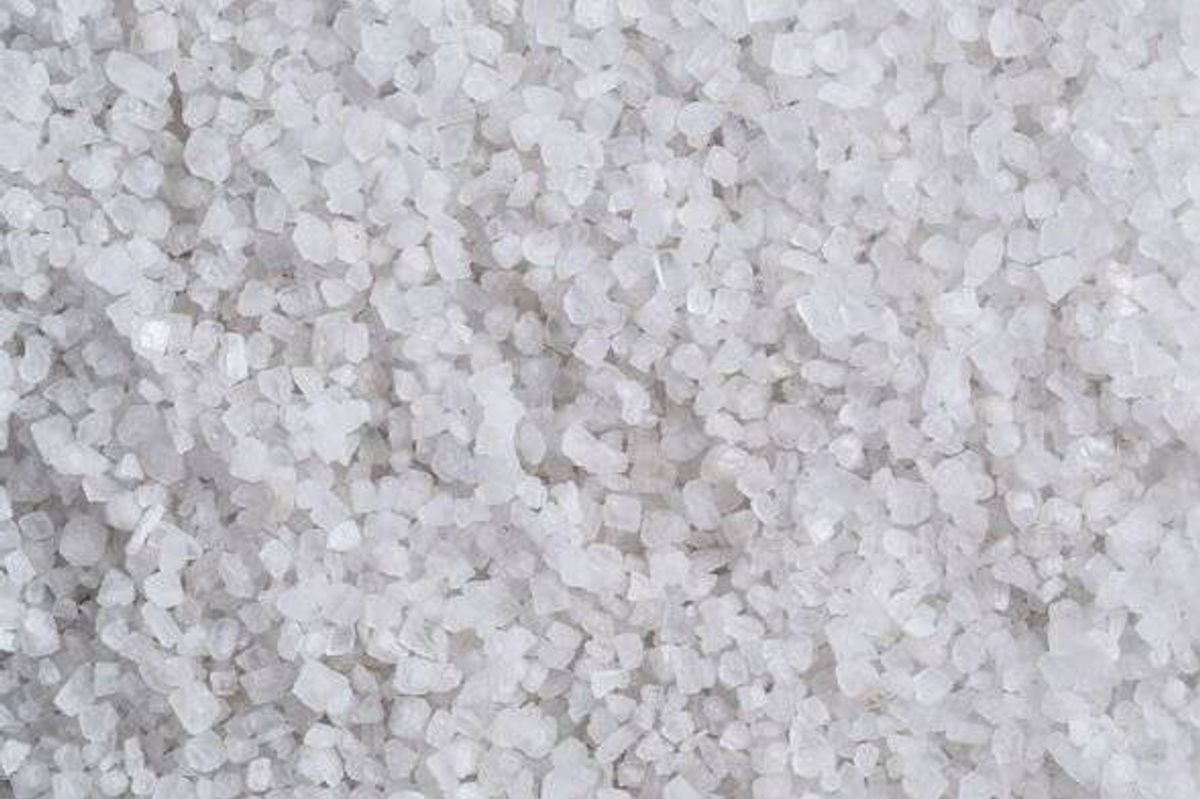
Rock salt worked the best for me(Image: Getty)
As with several of the methods above, I realised this was going to take me quite a while (though it was considerably quicker than individually spraying weeds with weed killer from a hand-held bottle).
So, to speed things up a bit, I decided to simply take off the lid from the pressure sprayer and pour the salt water mixture over as wide an area as possible. With just a few refills of my large pressure sprayer, I managed to cover the entire driveway relatively quickly.
I added extra heaps of rock salt to particularly weed-ridden areas around the edge of the drive, where plenty of dirt and sand had accumulated over the years and the weeds were at their worst. Within a matter of hours, the weeds had wilted and looked thoroughly dead.
Admittedly, significant parts of my drive were now covered in mounds of rock salt and white residue left behind by the saltwater. However, I simply washed this away a few days later with a pressure washer (a garden hose would work equally well).
Most importantly, the weeds were undeniably dead. And several weeks later, whilst some new weeds had begun to appear, they emerged at nowhere near the rapid rate at which they had previously returned.
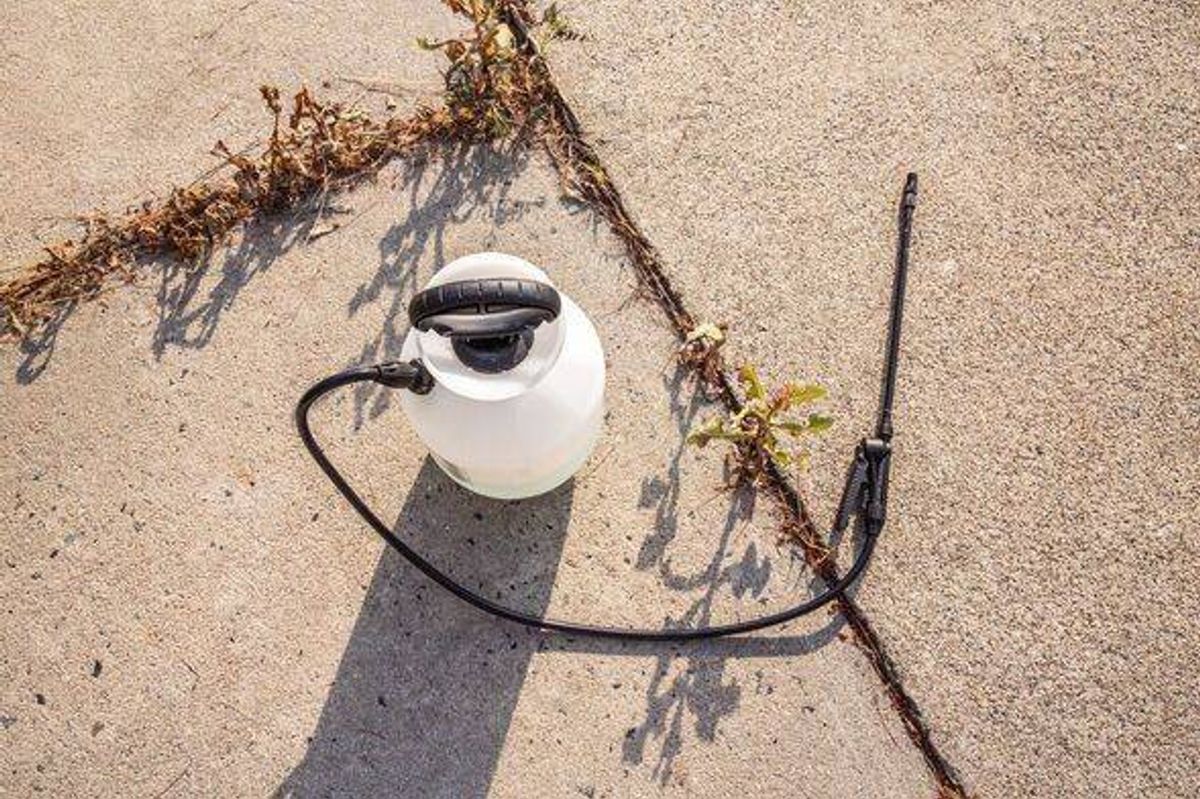
A hand pressure sprayer like this would do the job, though you need to consider the capacity(Image: Getty)
So it seems there is truth to the claim that salt makes the soil inhospitable to plants growing there. You obviously wouldn’t want to use this technique in a garden where you aim to eliminate weeds but preserve other plants and flowers, as the salt would destroy everything. But for a patio or driveway, it could well be the solution.
My workmate, Angela, had a similar result. When she tested salt as a weed killer, she reported: “Nine hours later, the weeds were completely dead, so I was easily able to dig them out.
“I didn’t use a fancy tool for this; a regular screwdriver sufficed. Curious as to whether the weeds would reappear, I checked back in on the area over the next two weeks, and no weeds seemed to have grown back.”
Is February an optimal time for weeding?
Different times of the year are advantageous for weeding for various reasons. In February, the main gardening task is to prepare the soil for spring and summer.
Weeds can continue growing through the winter, especially if it’s mild, so if gardeners remove the young weeds emerging in February, theoretically they won’t reach flowering stage and there will be fewer weeds later on.
Comments are closed.