
WITH the new spring season fast approaching, many of us are looking forward to getting out of the house and relaxing in the garden.
It can be the perfect place to put your feet up, relax, and take in the sunshine while enjoying the greenery.
Sign up for Scottish Sun newsletter
Thank you!
Moss and take over gardens over the cold, winter monthsCredit: Alamy
Experts have shared their top five tips to get rid of itCredit: Getty
But after a long, horrible winter and plenty of torrential rain, ice, and snow, our gardens have taken quite a hit.
And there’s little doubt that many of us will have noticed moss taking over after the cold wintry weather.
Which is why our gardens might be crying out for some much-needed attention ahead of spring.
Luckily, experts have shared their top tips on how to get rid of stubborn moss growth as we get ready to enjoy our gardens again.

SPRING CLEAN
Interior expert reveals 10 ‘frosty day’ household jobs to tackle before spring

HOUSE THAT
I sleep in the living room so my kids get their own bedroom – an Ikea buy is key
Simon Akeroyd, Head of Estates and Landscapes at Painshill Park Trust, has shared his five tips on how to combat moss growth and restore your lawn.
1. Improve drainage
Simon explains that maintaining a lush, healthy garden comes down to regular lawn care, which includes aeration.
This involves creating small holes in the soil to allow air, water, and nutrients to reach the roots, ensuring they receive the oxygen needed to thrive.
And it is easily achieved by using a garden fork or aerator, having maintaining well-draining soil, and incorporating organic matter to enhance airflow and prevent waterlogging.
Simon says: “Aeration helps to relieve compaction, increases drainage, which will reduce moss problems and increase airflow in the soil, which promotes healthier root systems and therefore a better and denser sward of lawn on the surface.
“You can then brush top dressing into the holes left by the fork to improve the quality of the soil in the root zone of the lawn.”
Experts have said it is vital to aerate your lawnCredit: Alamy
2. Apply moss killer
Before anything, the garden pro says using an iron sulphate-based moss treatment to kill off remaining moss is key before reseeding.
He explains: “If moss has taken hold of your lawn over winter, the first step to reclaiming your green space is tackling the problem head-on with an iron sulphate-based moss treatment.
“This powerful yet effective solution works by rapidly dehydrating and killing off moss, turning it a dark black colour within hours.
“Applying iron sulphate not only eliminates stubborn moss but also has added benefits for your lawn; it helps strengthen grass roots, enhances the lawn’s natural green colour, and can even deter certain lawn pests.
“For best results, apply the treatment during a dry day but when the soil is still moist, usually in early spring or autumn.
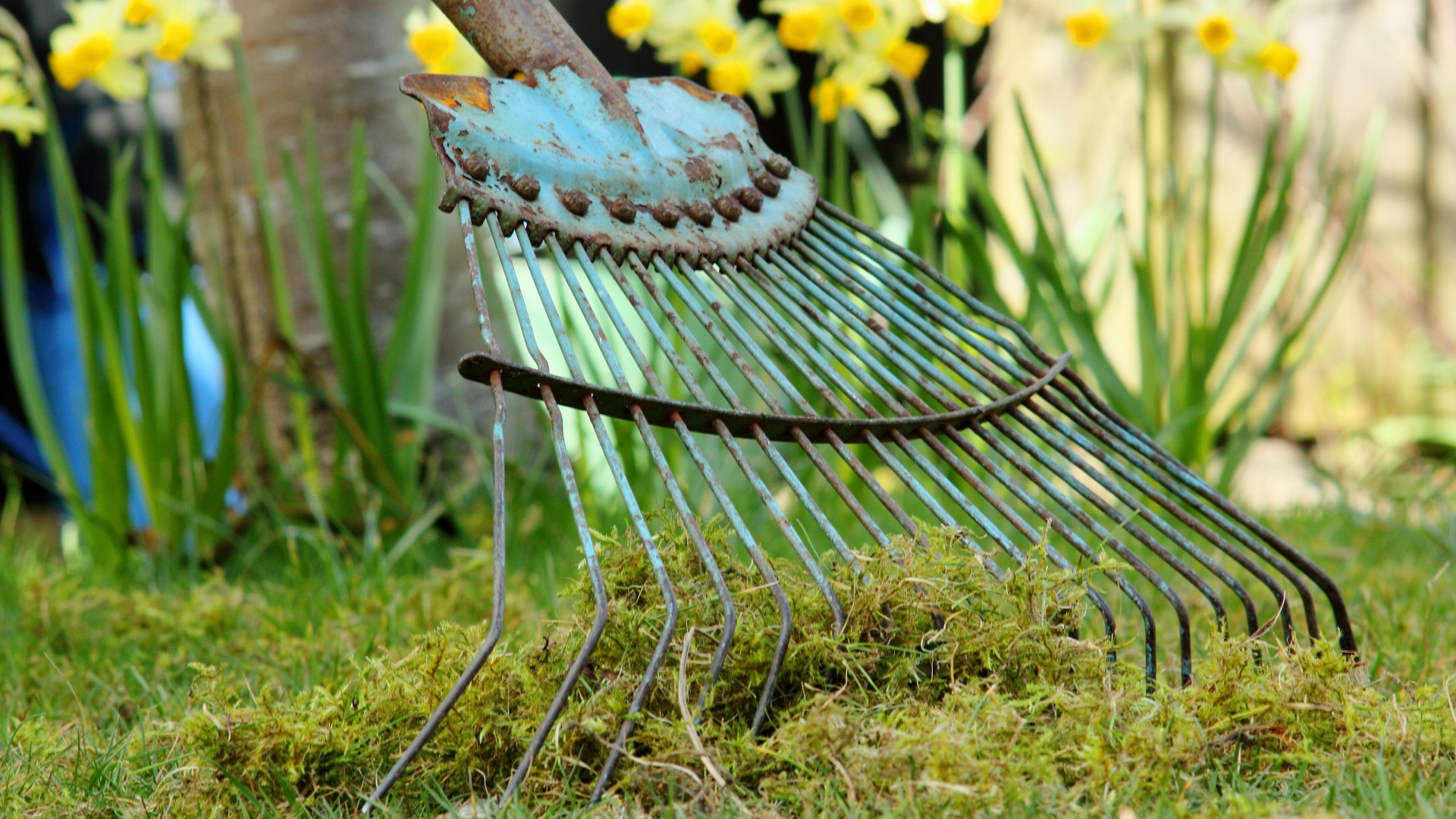
“Once the moss has died off, you can gently rake out the blackened moss using a spring-tined rake or scarifier.”
3. Overseed bare patches
Many of us will have noticed bare patches in our grass after the cold, harsh winter.
And if we want to get this back to looking full with bright, vibrant, healthy grass, then we need to overseed bare patches.
Simon suggests: “After removing moss, reseed your lawn with quality grass seed to encourage thick, healthy growth. With the moss cleared, your lawn may be left with thin or bare patches.
“This is the perfect time to overseed, scattering grass seed over these areas to encourage lush, healthy regrowth.
“Finish by watering well and keeping off the grass until the new shoots establish.
“By combining iron sulphate treatment with proper reseeding, you’ll create a stronger, lusher lawn, ready to thrive throughout the seasons.”
What causes moss growth on lawns in winter?
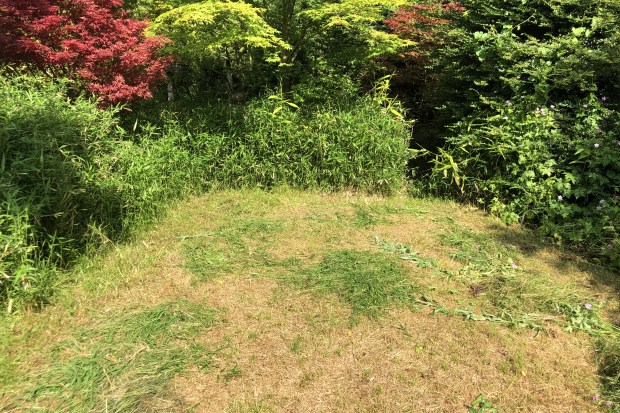
Moss thrives in damp, shaded, and compacted conditions, making winter the perfect season for it to spread.
Here are the key reasons moss takes over your lawn during colder months:
Excess moisture – winter rain and poor drainage create damp conditions where moss flourishes. Prolonged waterlogging will kill finer grass species and allow the weeds to take over. In the autumn and winter months, increased levels of rain will cause your lawn to become even more waterlogged and weeds will thrive.
Lack of sunlight – shorter days and increased shade from trees or buildings limit grass growth, giving moss the advantage.
Soil compaction – heavy foot traffic and waterlogged soil restrict airflow and drainage, encouraging moss growth. Signs that you have compacted soil are bare or thin spots in your lawn – left to their own devices, these spots can become a prime spot for moss growth.
Poor lawn health – weak, thin grass caused by neglect, low nutrients, or improper mowing allows moss to take hold.
Acidic or low-nutrient soil – moss thrives in acidic soil, which can develop over time without proper lawn care.
4. Feed your lawn
It is also essential to feed your lawn with a balanced lawn fertiliser to make it greener and more vibrant whilst also making sure it stays strong, healthy and better equipped to fight off moss, weeds, and disease.
Simon has urged homeowners to look for a fertiliser that contains nitrogen (N), which encourages lush, green growth; phosphorus (P), which supports strong root development; and potassium (K), which boosts disease resistance and overall lawn health.
He said: “A slow-release lawn feed is ideal for steady, long-lasting nourishment without sudden growth spurts.
“It’s best to apply your fertiliser on a mild, dry day when the soil is moist, as this allows nutrients to be absorbed effectively.
“By feeding your lawn early in the season, you create the perfect conditions for healthy, dense grass – leaving no room for moss to return.”
It is also essential to feed your lawn with a balanced lawn fertiliserCredit: Getty
5. Mow correctly
You might not realise it, but mowing your lawn correctly and at the right height can have a huge impact on your grass.
Simon explains that keeping grass at an optimal length (around 3.5 to 4 inches) encourages strong growth, naturally shades out moss, and helps the lawn outcompete weeds.
Therefore, cutting it too short can weaken the grass, making it more vulnerable to weeds and disease, whilst also not looking as good as lawns with longer grass.
And he has told how raking or scarifying before mowing can be essential for lawn health.
Simon says: “Scarifying is a useful lawn maintenance activity to increase the health of the lawn. I use a spring-tinned rake and pull it across the surface of the lawn.
“This removes much of the thatch, which is the dead and decaying material at the base of the grass blades. It may look harsh, but it really helps improve the lawn quality.
“You will be amazed at how much thatch is on the surface of the grass. The thatch can impede moisture from getting to the roots and smother out the grass blades, resulting in a mossy-looking lawn.
“Thatch also prevents air circulation and can retain moisture, causing lawn fungal diseases.
“By mowing at the right height and incorporating scarifying into your routine, you’ll promote stronger, healthier grass, and keep your lawn looking its best all year round.”
Mowing your lawn correctly and at the right height can have a huge impact on your grassCredit: Getty
Top gardening jobs to carry out in March
With lighter evenings and the first signs of new growth appearing, March is the perfect time to reset your garden after winter.
You don’t need specialist knowledge: just a few straightforward jobs can instantly refresh your outdoor space and prepare it for warmer days ahead.
To help your garden look spick and span this spring, Michael Scott, Founder of Lazy Susan Furniture, which specialises in metal garden furniture, has shared five gardening tasks to focus on in March:
Weed your patio before growth speeds up
Clear winter debris
Clean and protect garden furniture
Refresh pots and planters
Plan your garden layout and check furniture stability
Comments are closed.