
A gardening specialist has shared some advice for UK households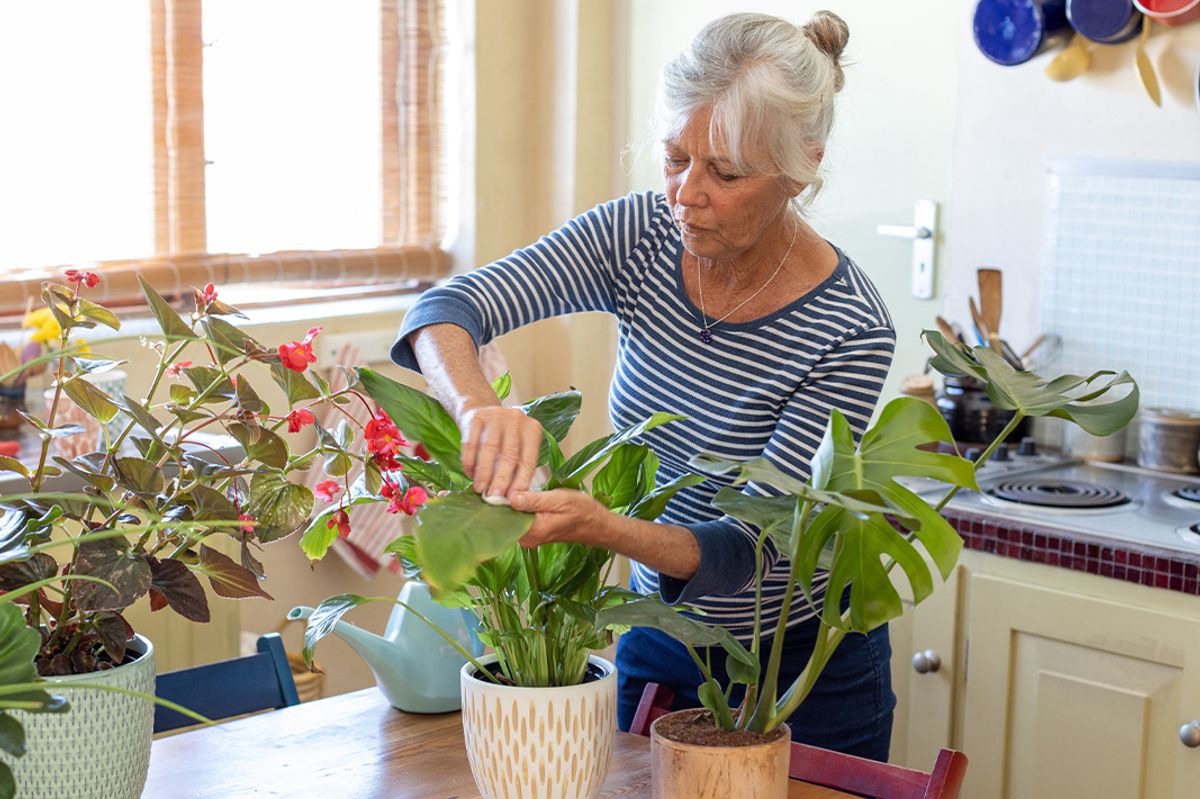
Now is a good time of year to think about repotting your house plants(Image: Getty)
This time of year presents an ideal time to refresh your house plants. You might consider repotting them or doing some other work to get them ready for the warmer spring season.
Luke Newnes, a gardening and plant specialist at Hillarys, has offered guidance on how to properly care for your indoor greenery at this time of year. He explained: “As we get closer to spring, I always think of this time of year as a bit of a ‘wake up stretch’ for houseplants. They’ve been sitting quietly through winter, using very little energy, and the increasing daylight is their signal to get moving again. So the best thing you can do right now is simply help them ease back into growth.” He noted that the first thing to do is increase your watering, though this should be done progressively.
Mr Newnes said: “People often rush into spring watering far too quickly, and plants aren’t quite ready for that. If the top of the soil feels dry, then water; if it still feels cool or slightly damp, leave it a couple more days.”
‘Makes a big difference’
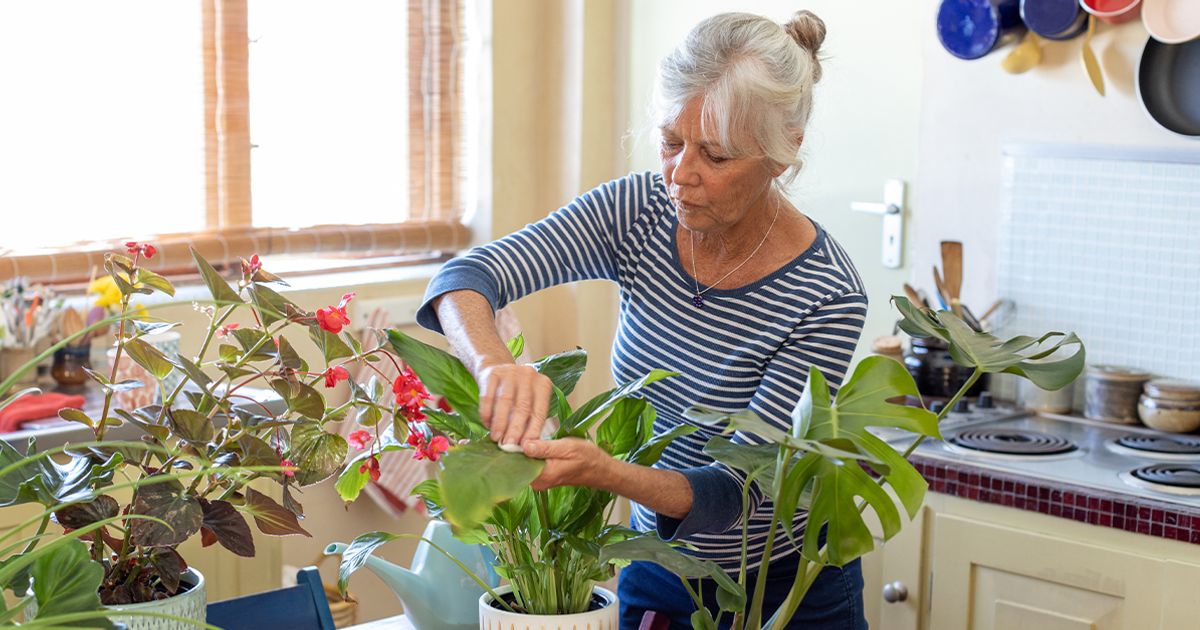
Another good thing to do now is to clean your plant foliage. The expert said: “Cleaning the leaves makes a bigger difference than most people realise too. Dust builds up over winter and blocks light, so a gentle wipe with a damp cloth helps them photosynthesise properly again.”
Mr Newnes also said that now is the ideal time to consider repotting your houseplants. He explained: “In my view, early spring is absolutely the best time to repot. Plants are gearing up for a growth spurt, so giving them fresh soil and a bit more space now means they can use it straight away.
“When I repot, I never go more than a couple of centimetres bigger in pot size – anything too large holds onto too much water and can cause root rot.” He detailed the precise way to transfer your green companion into its new container.
Mr Newnes said: “I loosen the roots a little, place the plant at exactly the same depth it was before and water just enough to settle the new soil. You don’t want to drown it straight after moving house.”
What house plants should I add to my home?
You might also want to consider expanding your indoor garden. Mr Newnes listed which varieties of plants could bring some much-needed greenery into your living space.
He said: “Personally, I love adding fresh greenery in late winter because it instantly lifts a room that’s been feeling a bit grey. Snake plants, peace lilies, spider plants and pileas are brilliant choices right now as they respond quickly to the increasing light and look their best through spring and summer.”
Regarding which plants suit different areas of your home, Mr Newnes explained this depends on the conditions of each room. He said: “In bright living rooms, statement plants like monsteras, areca palms and fiddle leaf figs thrive.
“Bedrooms suit plants that enjoy a calmer space, like peace lilies and philodendrons, and snake plants are brilliant at night because they keep releasing oxygen whilst you sleep. Bathrooms are fantastic environments for ferns and calatheas, thanks to the natural humidity.” You can currently get snake plants from B&Q for £15.99 or £16.99.
He also noted that certain plants flourish even in spaces with limited natural light. The specialist said: “Plants like snake plants, pothos, aglaonema and the cast iron plant are incredibly forgiving. They don’t just tolerate low light, they genuinely do well in it.
“When people get it wrong, it’s usually because they imagine ‘low light’ means ‘dark corner.’ It doesn’t. It simply means the sunlight isn’t hitting the plant directly. An east facing window or a position a few feet back from a brighter one is usually perfect.”
He offered an essential principle worth remembering: “If you match the plant to the environment rather than forcing a plant to fit the décor, everything thrives more naturally. That’s the biggest secret I can give anyone heading into spring: work with your home’s light, not against it. Your plants will reward you for it all year long.”
Comments are closed.