
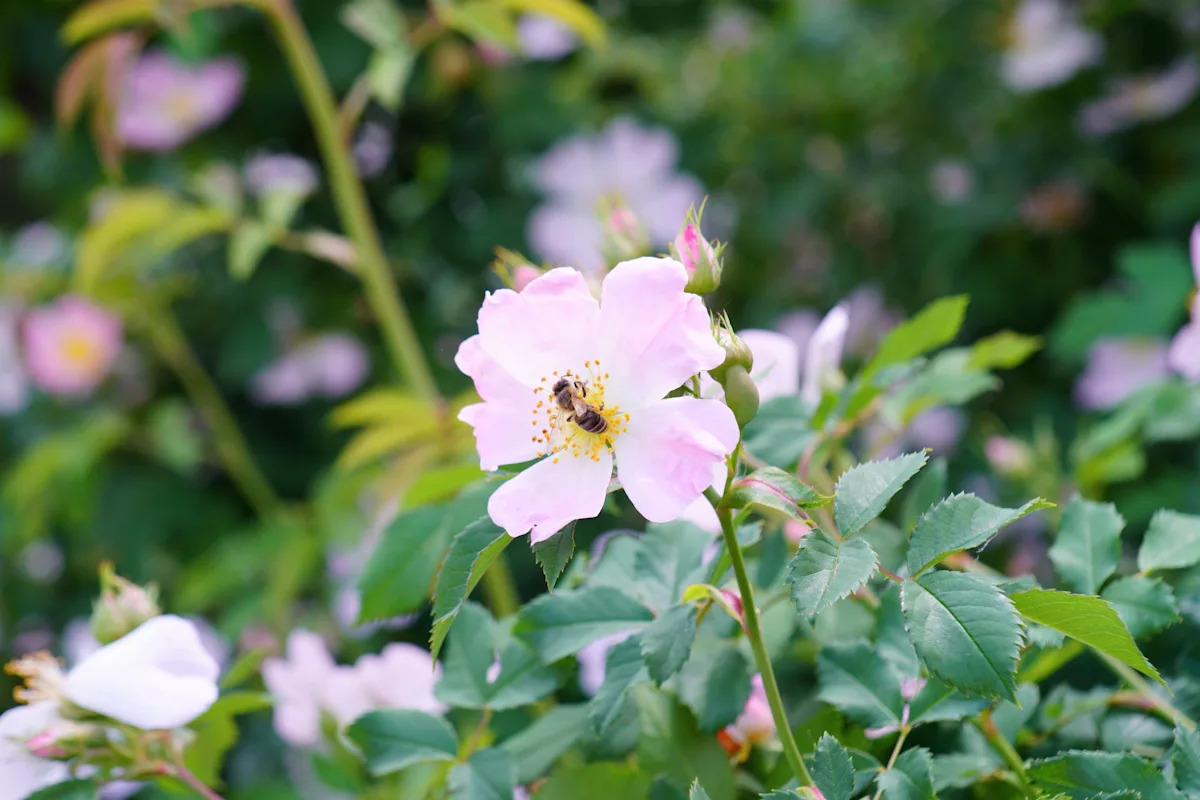
Bees are the quiet heroes of our gardens, tirelessly pollinating plants while helping ecosystems thrive. Drawing these busy insects to your yard supports their populations and ensures your garden remains vibrant and productive year after year.
The secret lies in choosing the right perennials—those plants that bees return to for pollen and nectar season after season.
To create a garden buzzing with life, here are 14 perennial favorites bees can’t resist.
Goldenrod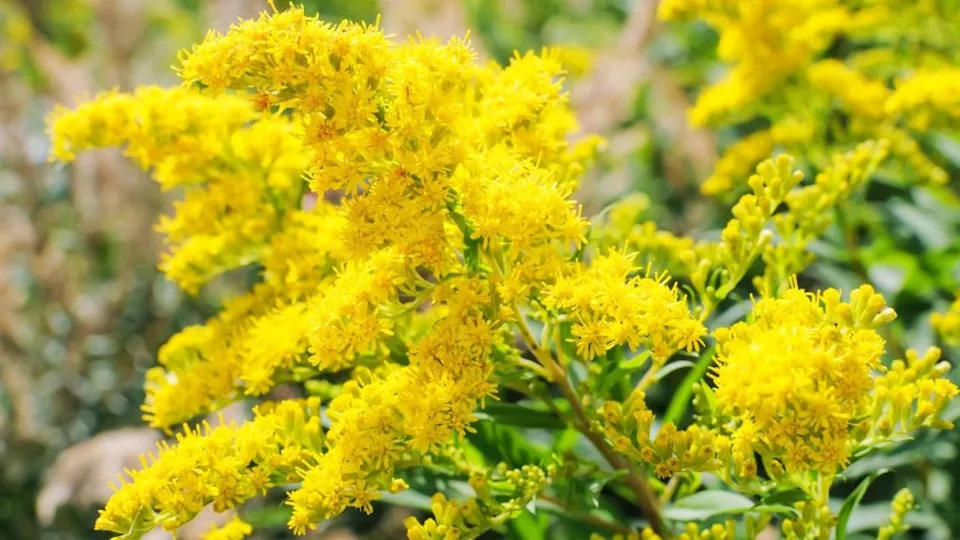
Image Credit: Deposit Photos
With its glowing yellow blooms, Goldenrod is a beacon for bees. This hardy plant thrives in a variety of conditions, making it easy to grow while supporting a wide range of pollinators.
Black Eye Susan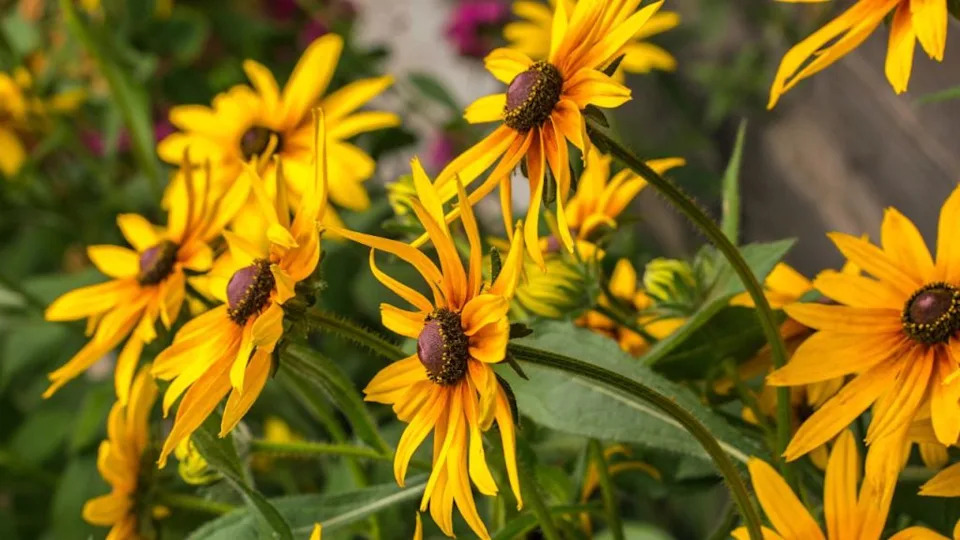
Image Credit: Deposit Photos
The vibrant yellow petals and dark centers of Black-Eyed Susans make them a striking addition to any garden. They’re not only a visual treat but also a favorite among bees for their plentiful nectar.
Butterfly Bush
Image Credit: Deposit Photos
Despite its name, the Butterfly Bush also offers an abundant source of nectar for bees. Its long, fragrant blooms in various hues provide nourishment for many pollinators throughout its flowering season.
Honeysuckle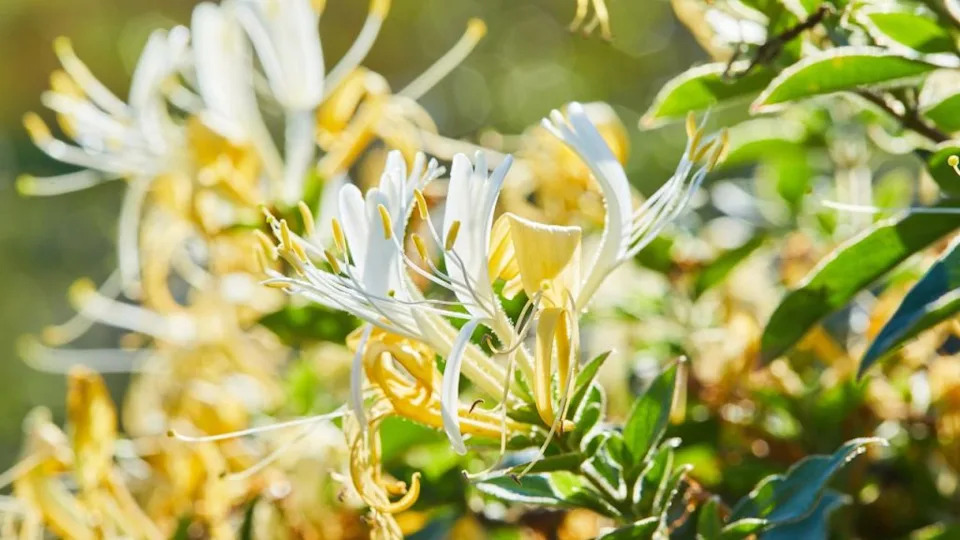
Image Credit: Deposit Photos
Honeysuckle is an excellent choice for attracting wildlife and hummingbirds. It thrives in various conditions but does best in full sun and soil enriched with organic matter.
Phlox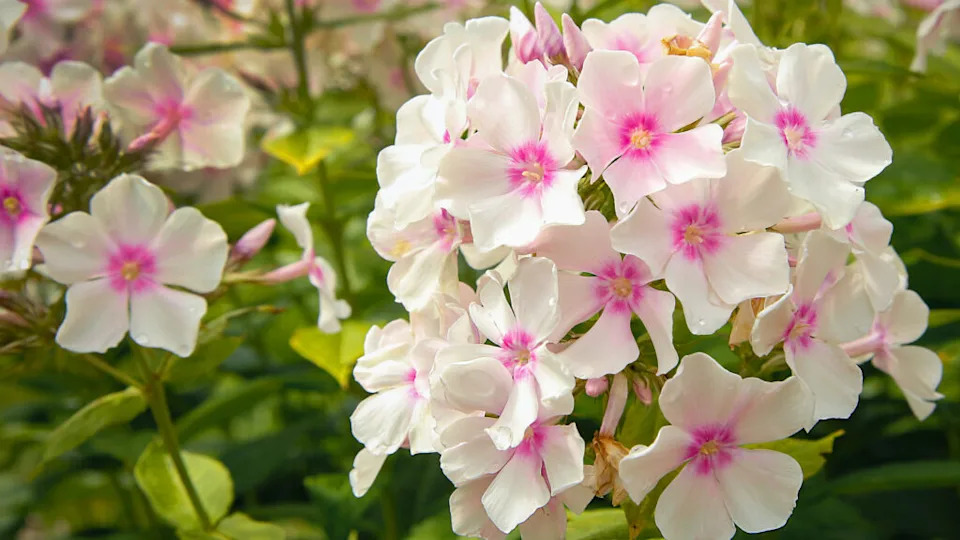
Image Credit: Deposit Photos
Phlox blooms in clusters of vibrant colors, emitting a sweet fragrance that’s irresistible to bees. Its long blooming period ensures a steady food source for visiting bees.
Anise hyssop (Agastache foeniculum)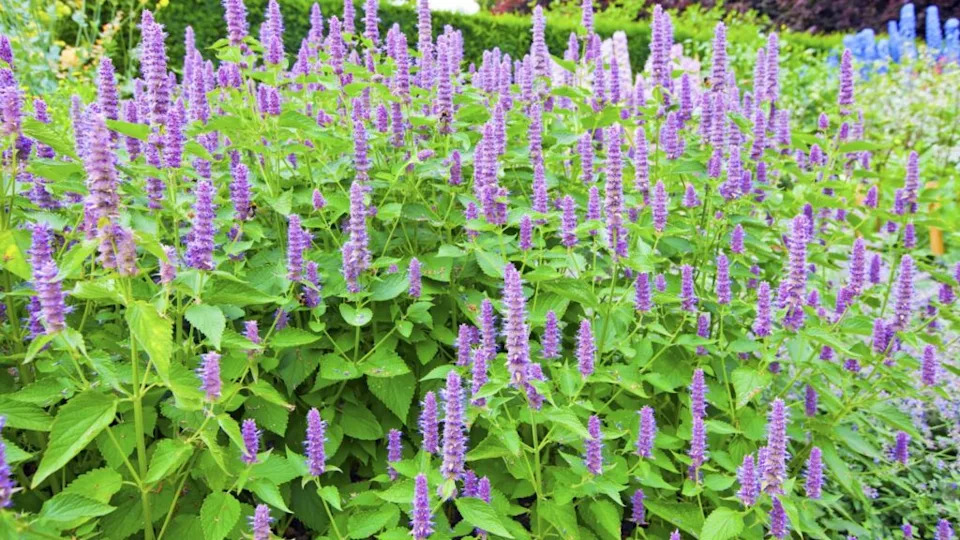
Image Credit: Deposit Photos
This pollinator magnet features spikes of fragrant purple, pink, or orange flowers.
Thriving in full sun, Anise Hyssop is both deer-resistant and drought-tolerant. Zones 4-9.
Blazing Star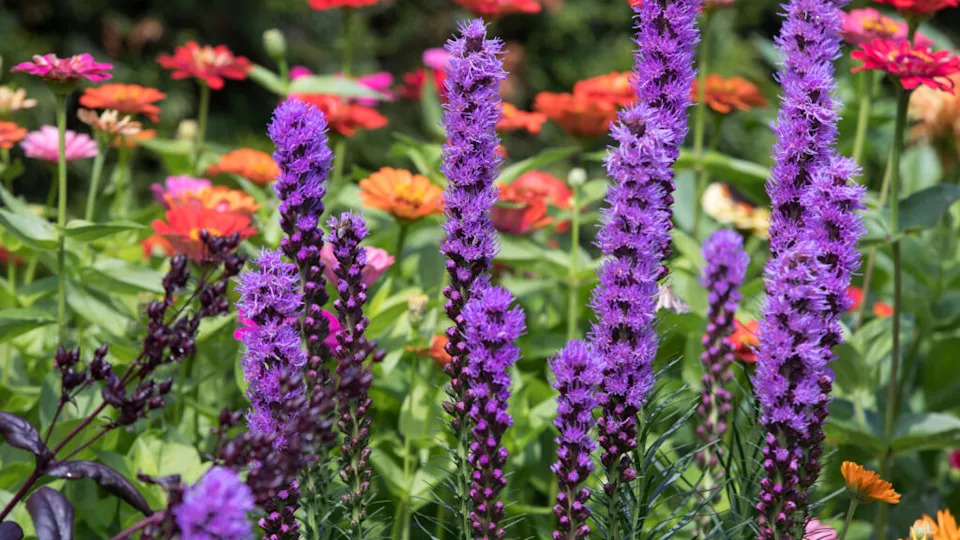
Image Credit: Deposit Photos
The tall spikes of purple flowers of the Blazing Star serve as an eye-catching attraction for butterflies. This plant prefers sunny spots and well-drained soil, offering a striking vertical element to the garden while providing nectar for visiting butterflies.
Shasta Daisy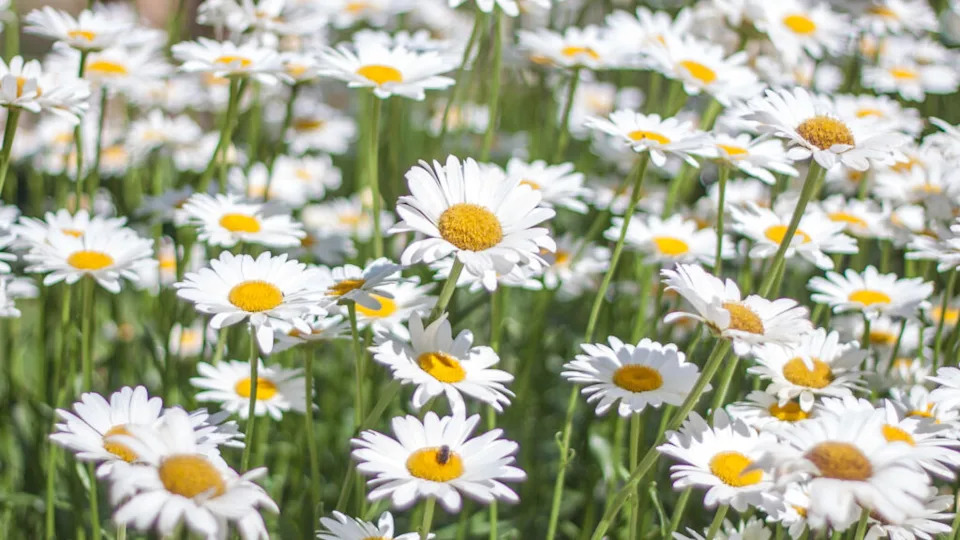
Image Credit: Deposit Photos
Add charm to your garden with Shasta Daisies. These plants are known for attracting butterflies. They have simple white flowers.
Echinacea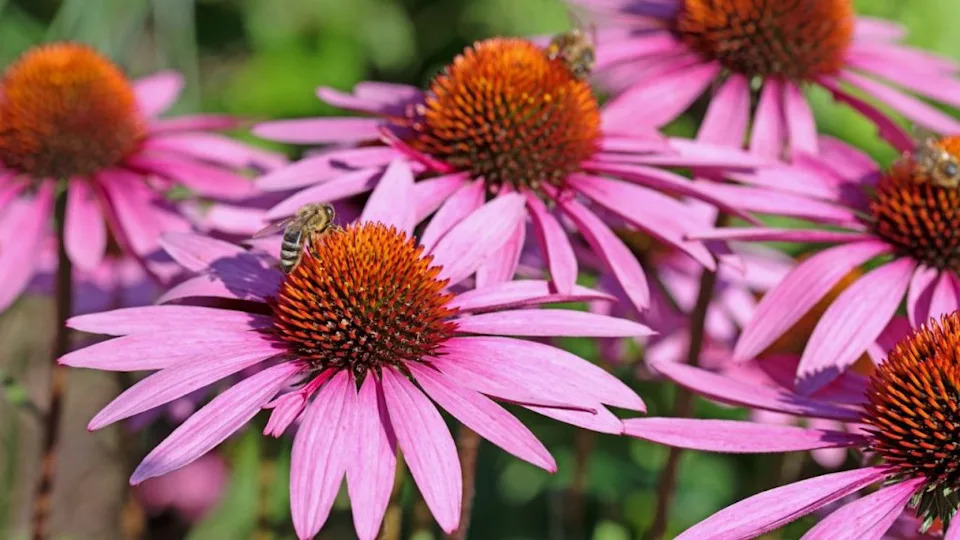
Image Credit: Deposit Photos
Echinacea boasts nectar-rich blooms that attract bees. This resilient plant thrives in the sun and requires minimal care, making it perfect for low-maintenance gardens.
Bee Balm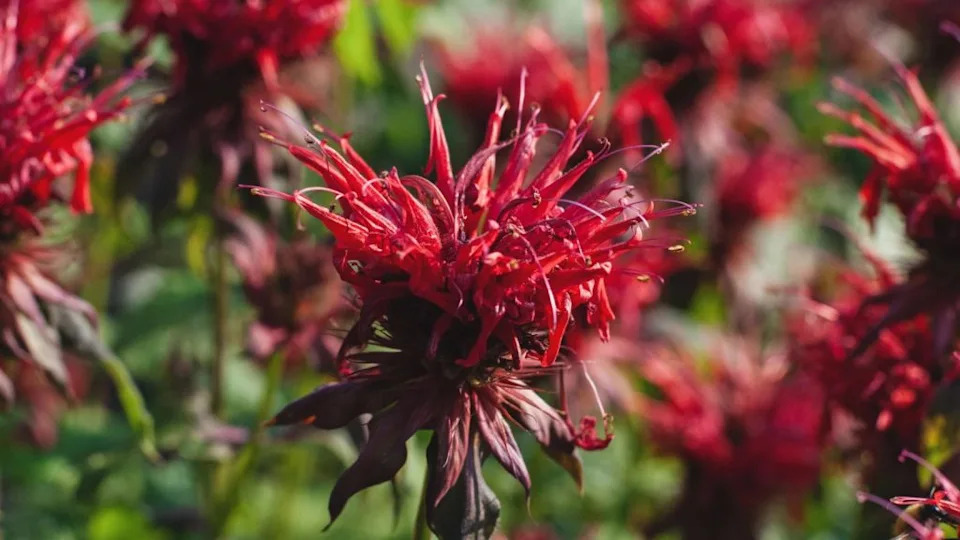
Image Credit: Deposit Photos
True to its name, Bee Balm is a magnet for bees as well as butterflies and hummingbirds. Part of the mint family, it’s easy to grow and provides aromatic flowers that spread joy and color.
Aster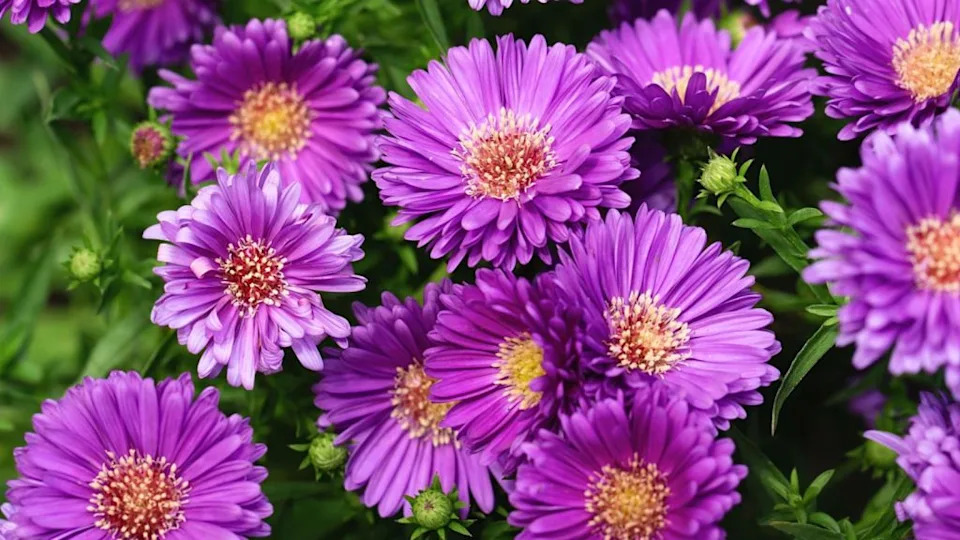
Image Credit: Deposit Photos
Asters bloom in late summer to fall, providing bees with a critical nectar source when many other flowers have faded. Their colorful, daisy-like flowers are beautiful and a lifeline for bees preparing for winter.
Salvia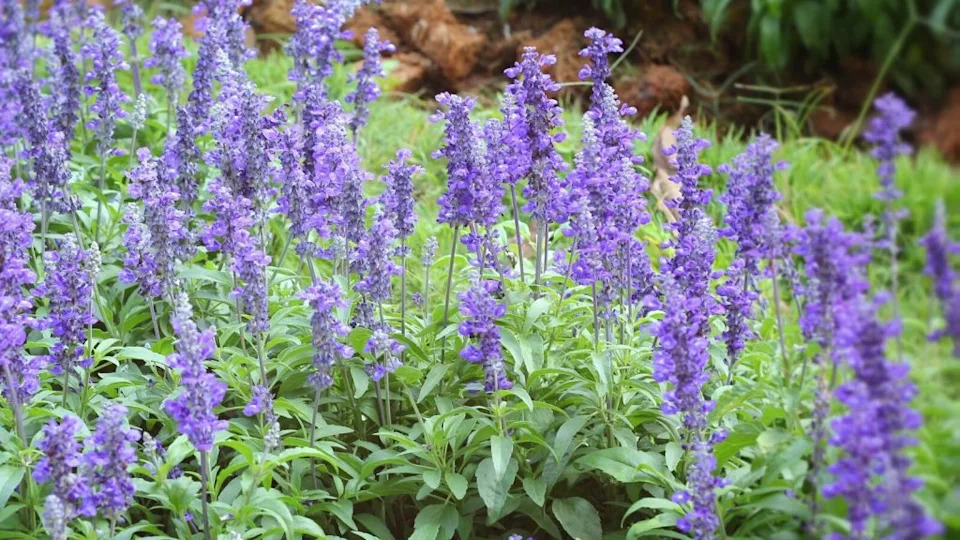
Image Credit: Deposit Photos
Salvia adds a wonderful aroma and texture to the garden. This herb thrives in well-drained soil and sunny locations, making it a low-maintenance option for attracting pollinators.
Sage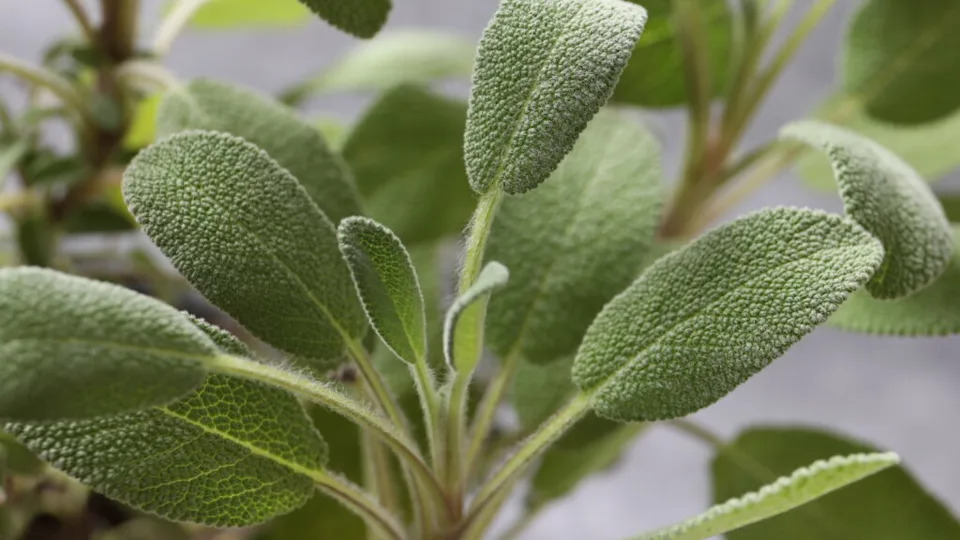
Image Credit: Deposit Photos
Sage adds a wonderful aroma and texture to the garden, with its flowers providing a nectar source for butterflies. This herb thrives in well-drained soil and sunny locations, making it a low-maintenance option for attracting pollinators.
Lavender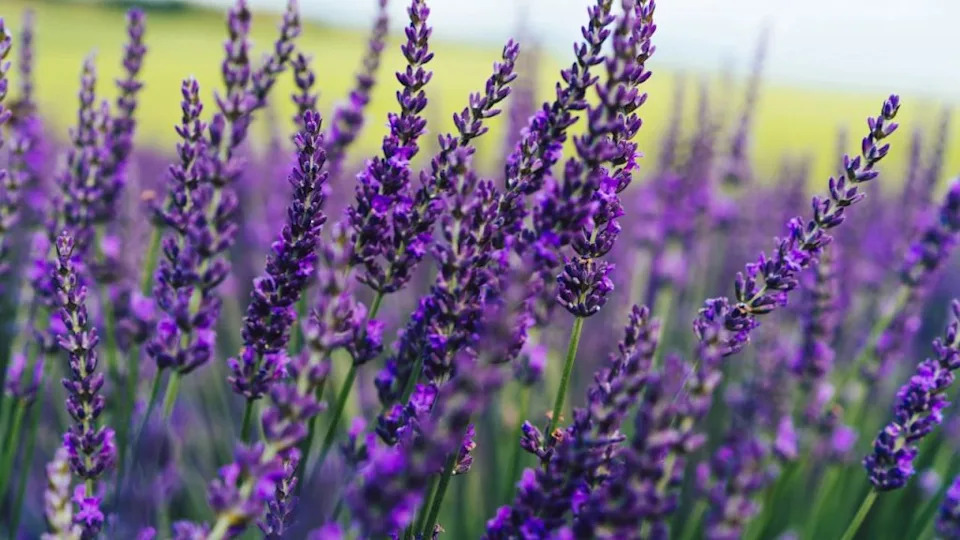
Image Credit: Deposit Photos
Lavender has a beautiful, rich purple color with a comforting scent. Lavender adds beauty and fragrance to your garden, and bees are also very attracted to it. It’s easy to grow, loves the sun, and doesn’t need much water, making it perfect for a low-maintenance garden.
Comments are closed.