
As spring approaches and gardeners begin planning new projects, local officials are urging residents to watch for invasive insects and plants that can damage farms, gardens and native ecosystems.
Washington state has more than 1,000 invasive plant species, and non-native insects can also threaten local agriculture and landscaping. Many of those pests are dormant during the winter but are expected to become active as temperatures warm.
Frank Wolf, superintendent of the Benton County Horticultural Pest and Disease Board, said one of the biggest current concerns is the Japanese beetle.
“So the the biggest problem currently is the Japanese beetle. It’s mainly in the Grandview area, Pasco. They found a couple in Kennewick,” Wolf said.
Officials say the small beetles can damage a wide range of plants, including roses and apple trees. Some homeowners have already received letters outlining removal plans, and residents are urged to follow the instructions carefully.
Wolf said the pest board is also watching for other invasive insects, including the spotted lanternfly, which has not been found locally.
“This one’s a spotted lantern fly. It is not in our area and so it is something that we are concerned with. If somebody were to find it, we would definitely want it reported to the State Department of Agriculture,” Wolf said.
The spotted lanternfly lays eggs on the invasive tree of heaven, which officials say is already growing in the Tri-Cities. That’s where the Benton County Noxious Weed Control Board can help.
Konrad Kauer, coordinator for the Benton County Noxious Weed Control Board, said the agency will assist property owners with removing tree of heaven.
“What we’re doing is we, uh, we actually will help people kill tree of heaven. Like give us a call, we’ll come over, take a look at it, and if it’s on your property you sign the waiver and we put some capsules in the tree and then that pretty much kills them off,” Kauer said.
Officials warn residents not to cut down tree of heaven themselves because it can survive through root systems that can stretch hundreds of feet.
The weed board can also respond to other invasive plant concerns on private property. Kauer said the service is funded by taxpayers and does not charge for site visits.
“We are funded off of people’s taxes so we don’t charge for coming out and looking at weeds. We can go take a look and see what you have. Sometimes depending on, um, what’s going on in your property sometimes we can come in and do a little bit of work and help you out. Other times we’re just going to be educating and telling you how to take care of it,” Kauer said.
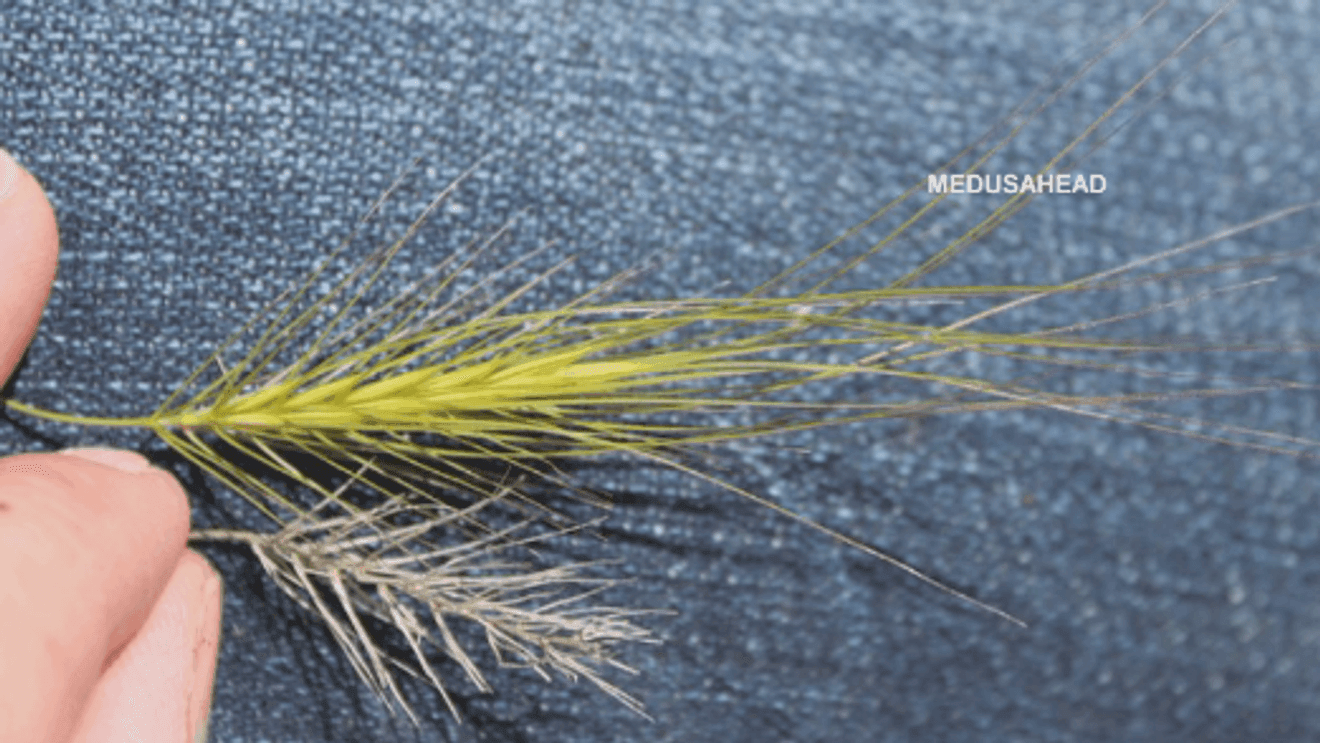
Officials also caution that many invasive species can look similar to Washington state native plants. Residents are encouraged to consult state directories or contact local weed and pest boards for help with identification and removal.
The Horticultural Pest and Disease Board can be reached at extension.wsu.edu or by calling 509-539-0069 in Benton county and 509-545-3580 in Franklin County.
To reach the Benton County Noxious Weed Control Board you can visit bentonweedboard.com or call 509-943-6005.
Comments are closed.