
For years, the church on the Colville Reservation struggled with outreach. By “struggled,” I mean nothing worked. No one came to meetings. No one showed interest. We tried cooking classes, stop-smoking programs and more. If we were lucky, one or two people would show up — sometimes no one came. There was a sense of coldness and suspicion, and it was discouraging to our church.
About six years ago, we formed a new personal ministries team. I still remember our first meeting. We all knew something had to change. We talked about Christ’s method — mingling with people, desiring their good, earning trust and then inviting them to follow Him. The problem was obvious: we weren’t mingling. We didn’t really know people.
That meeting gave birth to an idea that changed everything: the Inchelium Gardening Club.
The plan was simple. We would put in 15–20 small gardens for people in the town of Inchelium — not big plots that would become overwhelming and overgrown, but compact, low-maintenance gardens designed to succeed. Each one would be about 10-by-12 feet, with a soaker hose on a timer, a weed barrier and a small fence to keep out deer and critters. We’d plant tomatoes, zucchini, lettuce and green beans — things that were easy to grow.
At the same time, we divided the town into sections and assigned streets to church members. Each month, they visited the homes on their streets with a small gift: a calendar with local photos and Bible verses, handmade soap, seeds or fresh fruit. Our members stopped at the door, introduced themselves, chatted and left something behind. After a couple of visits, they began asking a simple question: “Would you like a garden?”
People said yes — enthusiastically! Soon we had 15 households signed up.
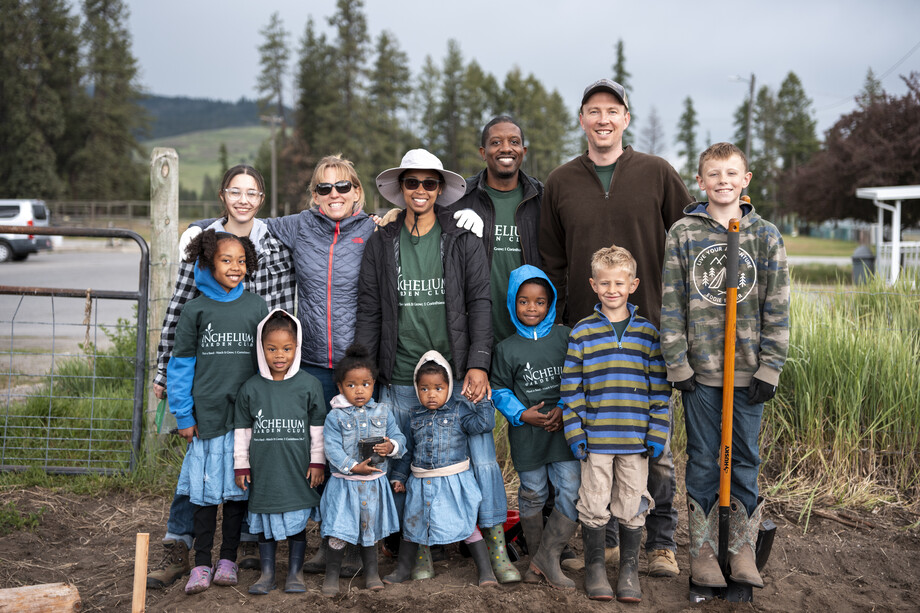
At the end of May, we printed green Inchelium Gardening Club T-shirts for about 50 volunteers and spent the day installing gardens around town. In the weeks that followed, we had natural reasons to visit — checking irrigation and seeing how plants were doing.
And we prayed. We prayed for the community. We prayed over the gardens. We prayed for opportunities to point people to Christ.
Then, something shifted. That green T-shirt became a passport to smiles, conversations, invitations to come in and sit for a while. We weren’t strangers anymore. It wasn’t just the garden recipients. Others would say, “We see what you’re doing, and we appreciate it.”
As summer went on, people began harvesting food. In a community where junk food is common, the gardens weren’t just a kind gesture — people saw them as a step toward better health.
Comments are closed.