
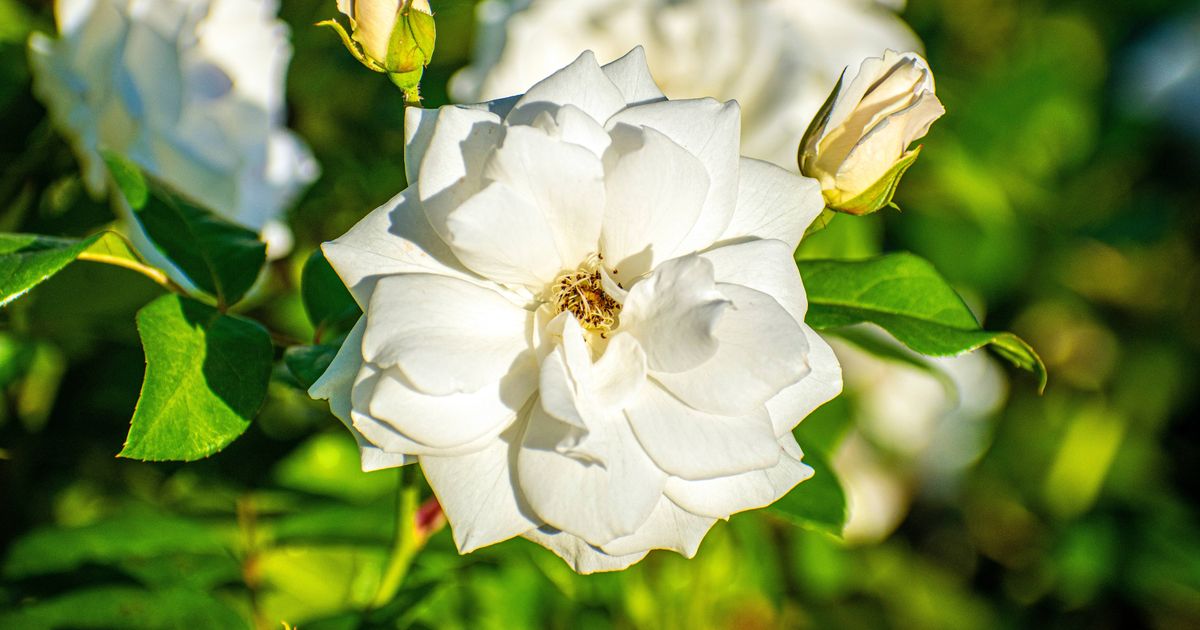
As late winter transitions to spring, a gardening expert says there’s one essential task that needs doing now for roses to “prolifically bloom” this season
Angela Patrone Senior Lifestyle Reporter
04:03, 18 Feb 2026
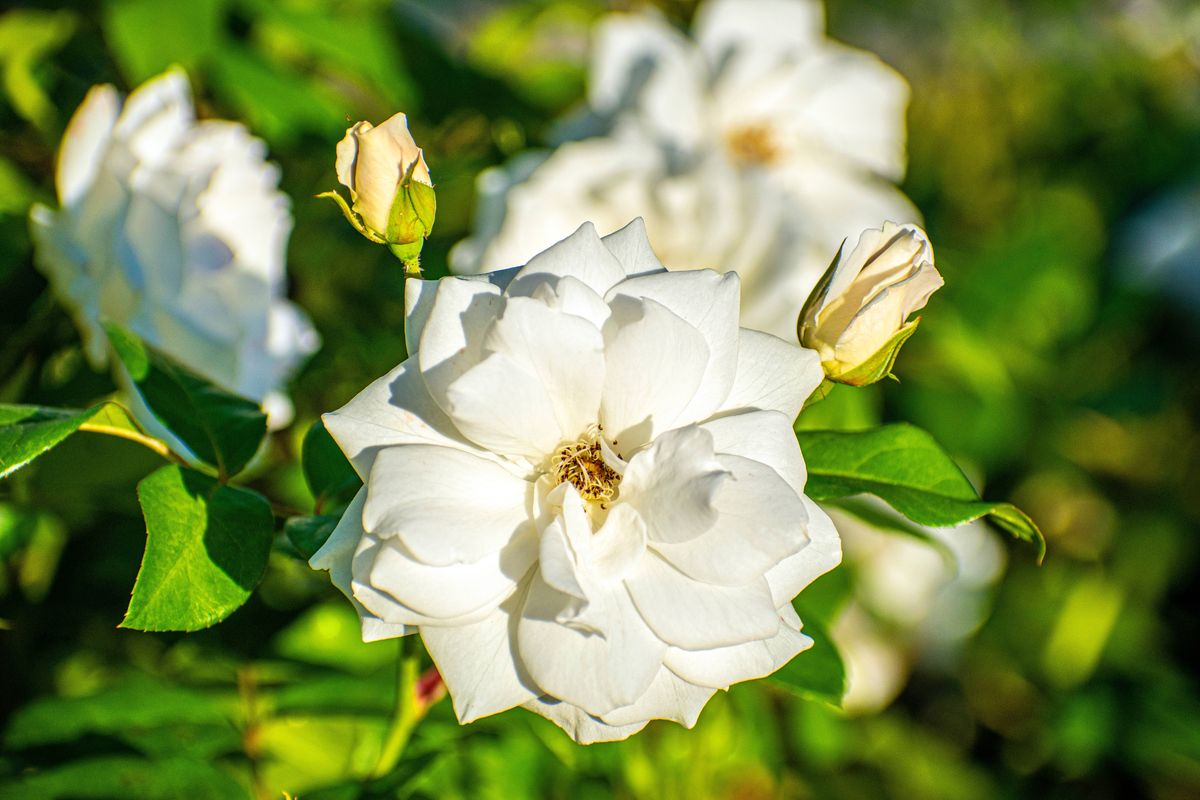
‘I’m a gardening expert – roses will grow bigger and better if you do 1 job before spring’(Image: Javier Ghersi via Getty Images)
Ensuring your rose bushes are primed for the spring season is crucial for their healthy development and a bountiful bloom. As we welcome longer days and rising temperatures, it’s time to guarantee your roses receive the care they need to flourish.
As the dormant chill of winter gives way to warmer climes, roses embark on their active growth phase. Adequate preparation aids your roses in recovering from winter stress, stimulates robust new growth, and paves the way for vibrant blossoms throughout the season.
According to gardening guru Madison Moulton at Epic Gardening, there’s one “vital” task that needs doing now for roses to “prolifically bloom” in spring and summer – and that’s pruning.
Madison confessed, “Rose pruning is not a task I usually look forward to, but for many rose types, it is vital to a healthy and prolifically blooming plant. “This is best done in late winter. Whilst light pruning is done throughout the year, now is the time for a heavier prune.”
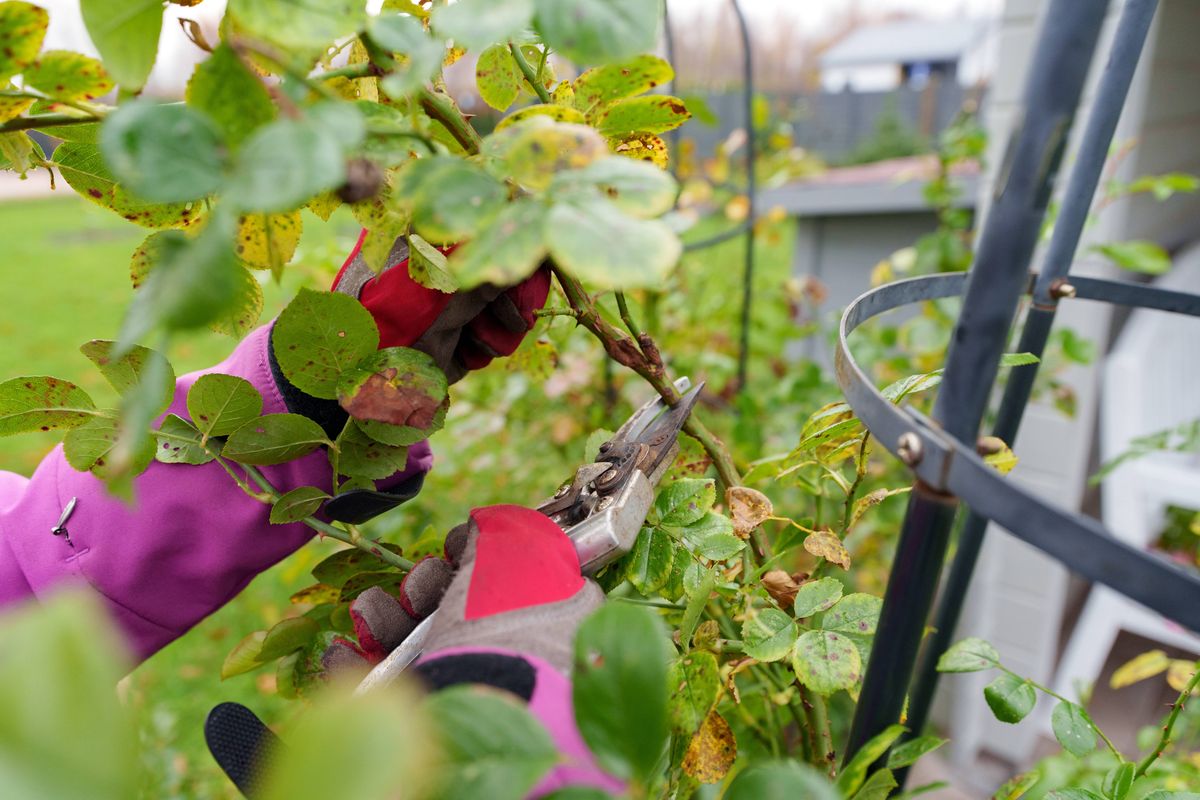
Pruning is vital to a healthy and prolifically blooming plant(Image: Valdis Veinbergs via Getty Images)
Gardeners should wait until the threat of frost has passed to prevent harm to the delicate new shoots, aiming to catch their roses just as they start to sprout new growth.
Begin your pruning session by trimming away any dead or damaged wood. These parts of the plant won’t contribute to vigorous growth and will only impede the rose’s health, using up energy that could be channelled towards new growth.
Additionally, take this opportunity to thin out the bush’s centre. Remove any branches that cross over or grow inwards towards the middle.
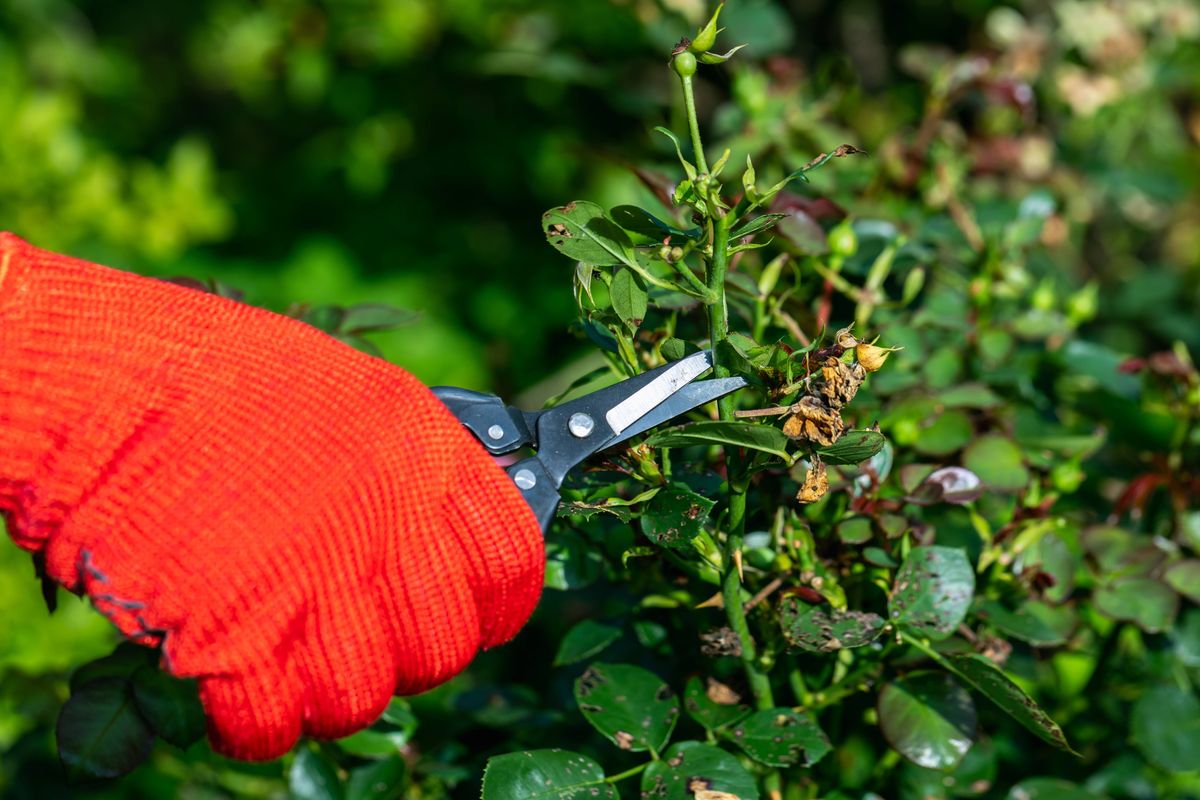
Rose pruning is best done in late winter (Image: Olga Seifutdinova via Getty Images)
This promotes good air circulation and creates an outward-facing vase shape that improves both the overall look and flowering capacity.
Following this, focus on the remaining canes, cutting them back by approximately one-third. Ensure your secateurs are sharp and clean, making clean cuts just above a bud.
This stimulates the rose to generate fresh stems from the nodes. Madison urged gardeners not to shy away from bold cuts because, provided you’re pruning at the correct time, a significant trim “will not harm your roses”.
In fact, it encourages them to start the new growing season strongly, resulting in “stronger stems and an abundance of blooms in the months to come”.
Comments are closed.