
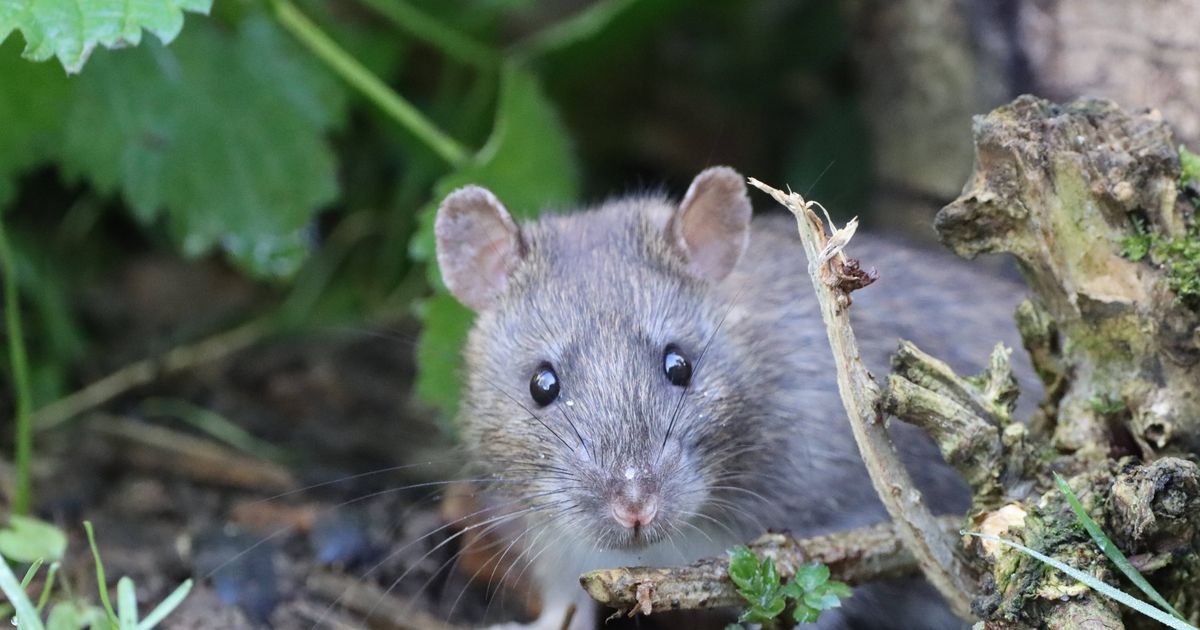
Rats are highly attracted to certain vegetables in UK gardens, with experts urging gardeners to try certain methods
Sophie Buchan Money and Lifestyle Writer
10:34, 18 Feb 2026
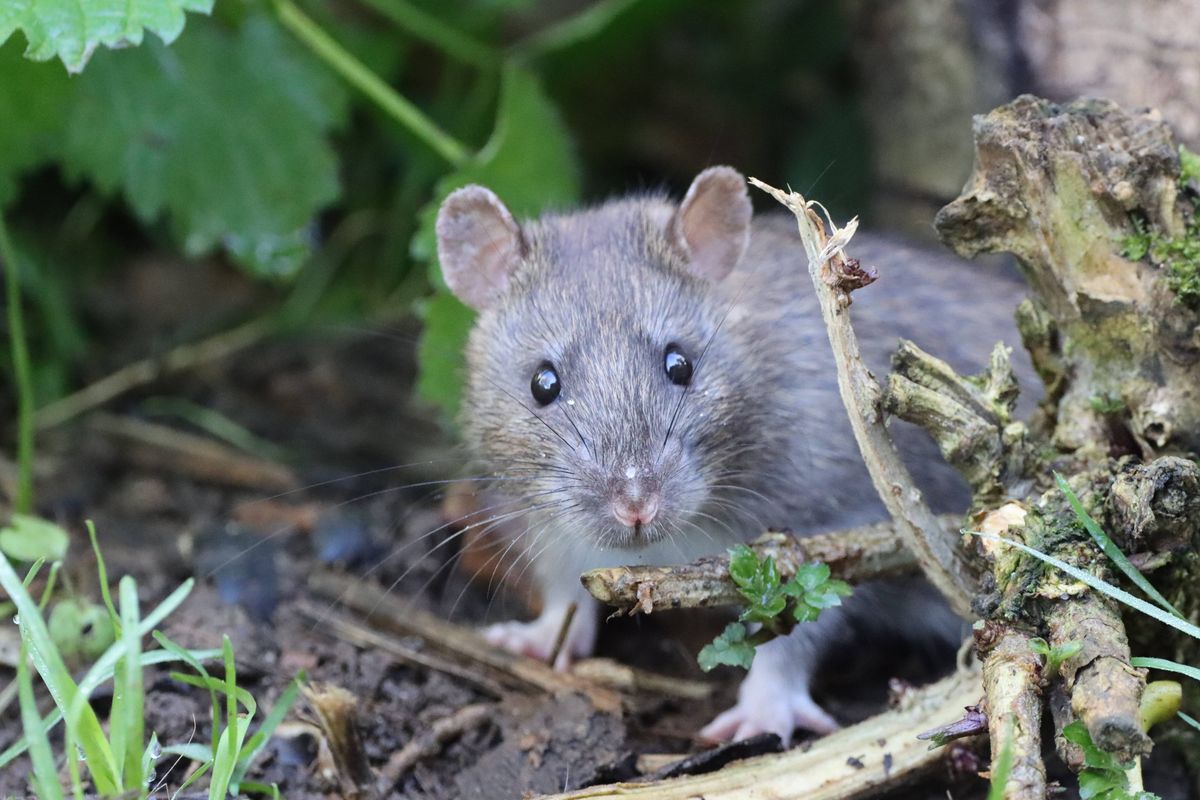
It may be hard to stop them, but there are a few things you can try(Image: Paul Broom via Getty Images)
Rats can be a headache for households throughout the UK. But there are measures homeowners can take to prevent them from invading properties and outdoor spaces.
According to experts at RHS, understanding rat behaviour is key. They are “highly social and adaptable mammals and feed on a wide variety of foods. They can make their homes underground or in compost heaps, in buildings, greenhouses, sheds or drains.”
As they are “adaptable creatures”, they can also eat a wide range of food from our gardens, including “sweetcorn cobs, pumpkins and squash and various root vegetables, such as carrot, parsnip, beetroot and potato tubers”.
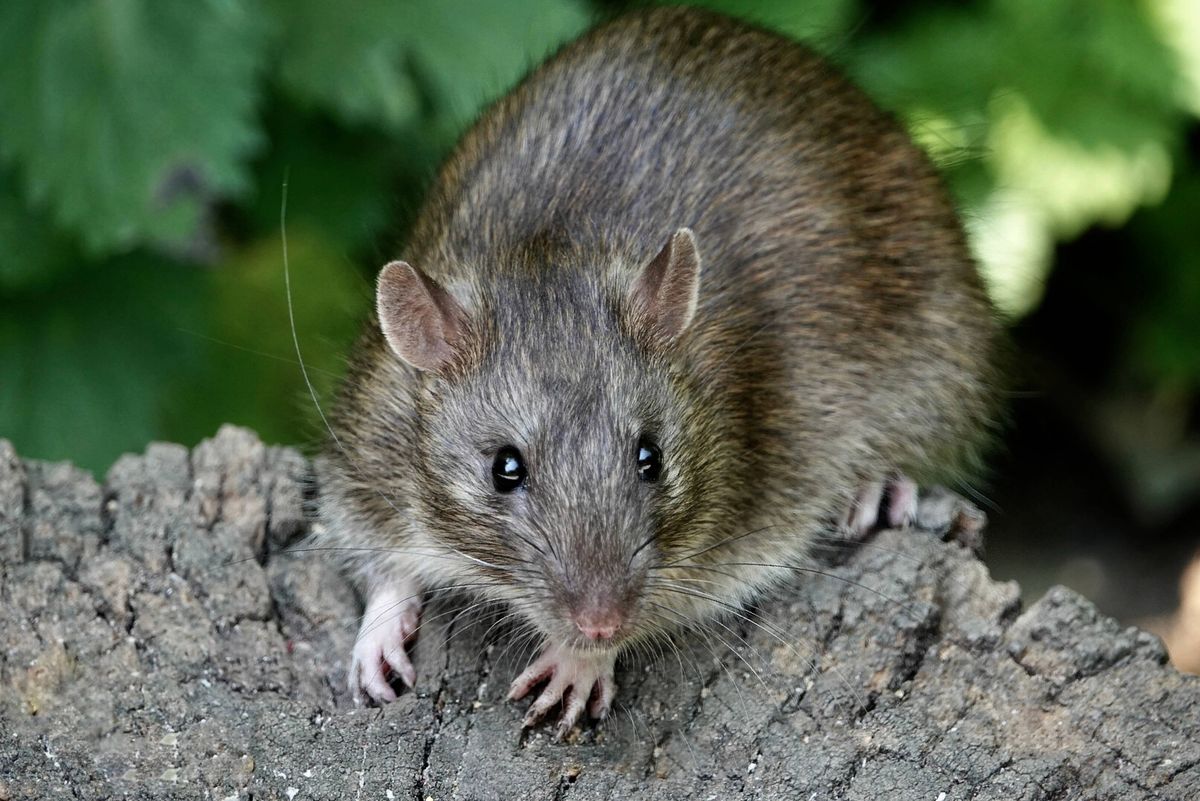
Act now and stop them from making a mess(Image: Getty)
This means gardeners cultivating these vegetables, such as carrots, which retail for as little as 69p at ALDI and Sainsbury’s, need to protect their produce or risk losing it all.
In fact, “if you suspect that stored or growing crops have been nibbled by rats, don’t eat them. Rats also eat seeds, so store them securely”, warns BBC Gardeners’ World Magazine.
How to prevent rats
Unfortunately, options for preventing rats from consuming your vegetables are limited. Whilst keeping these pests away from produce proves challenging, peppermint oil has emerged as a favoured deterrent.
The powerful aroma proves overwhelming for rats, so applying it near crops twice weekly can help repel them. BBC Gardeners’ World Magazine also suggests planting catnip within borders, as its strong scent is recognised for discouraging rats from venturing into gardens.
BBC gardening carrot tips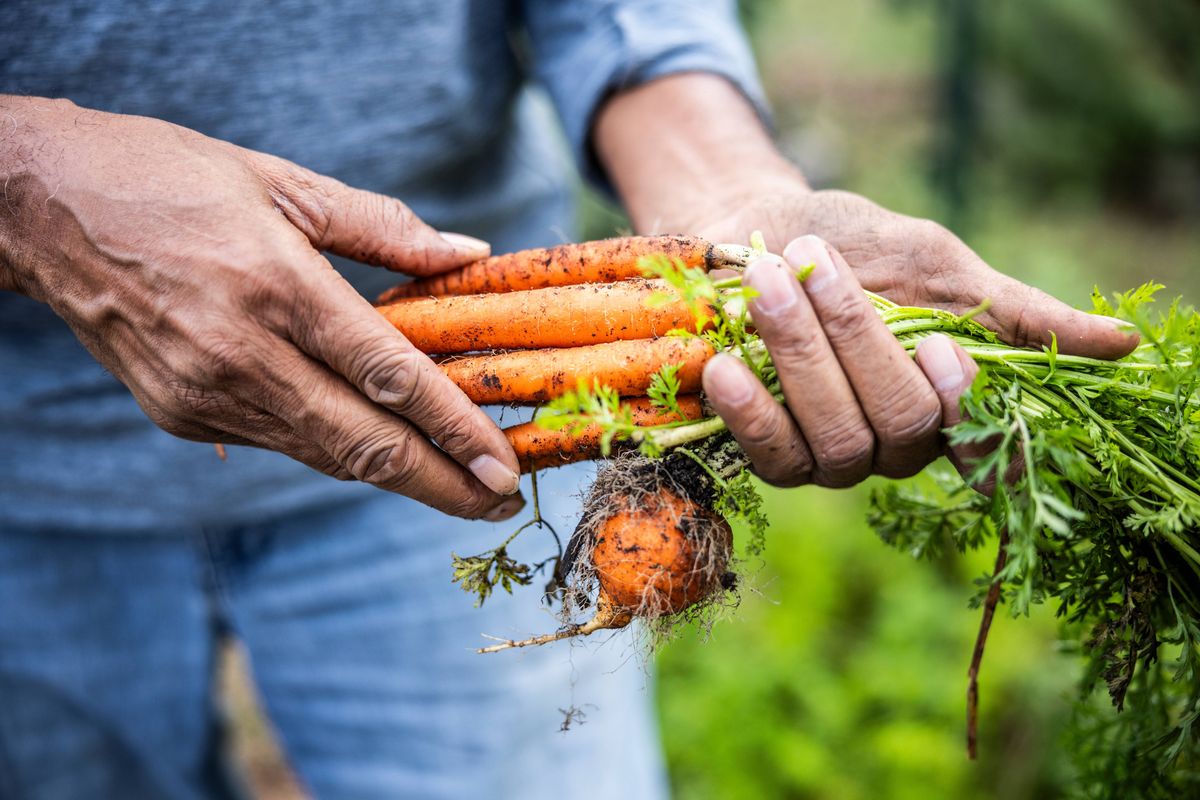
You can plant your own or buy them for under £1 in many UK supermarkets(Image: Getty)
BBC Magazine reports: “There are two types of carrot to choose from – early varieties, which are sown in spring and are ready to harvest about 10 weeks later, and late varieties, which can be sown from the end of spring and are ready to lift after about 14-16 weeks.”
A planting schedule depends on how much space you have and what equipment you own. While the peak season runs from late March to June, you can extend this window by using a greenhouse or polytunnel, or by warming the ground with a cloche or garden fleece.
Success starts with the soil, the experts stress. Thoroughly fork the ground to break up clumps and remove stones, as these can split roots. Carrots prefer light, well-drained soil that stays damp but isn’t too rich.
To prevent “forking,” avoid adding fresh manure or compost right before planting. It’s best to use a patch that was enriched the previous year. The BBC advice continues: “If growing carrots in the soil, sow seed directly.
“Make a seed drill (shallow trench) about 1cm deep using the edge of a hoe or trowel. Sow the seeds thinly along the bottom of the drill about 5-8cm apart – be careful not to grow carrots too close together as this can stunt their growth. Cover the seed with a thin layer of sieved soil, and water well using a watering can with a rose attached.
“To extend your cropping period, sow seeds successively at two-week intervals. Sow a selection of carrot varieties that will crop at different times over the season.”
How do you prevent rats? Let us know in the comments!
Comments are closed.