
The garden in 2026 is less about showcasing and more about being a habitat—for people, animals, and plants alike. Instead of focusing on perfection and exotic eye-catchers, many garden owners are opting for robust concepts that withstand climate change, require little maintenance, and are still beautiful. Sustainability remains important but is thought of more practically: What really works in everyday life? myHOMEBOOK presents the garden trends for 2026.
Climate-Resilient Gardens Instead of Constant Watering
Hot summers, long dry spells, and heavy rain shape garden planning. In 2026, climate-resilient gardens continue to gain traction. Instead of thirsty lawns, perennial beds with deep-rooted plants that can withstand heat and drought dominate. Popular choices include ornamental grasses, Mediterranean shrubs, and hardy wild perennials.
Soils are also being deliberately improved: Mulch layers made of bark material, wood chips, or gravel reduce evaporation, while humus-rich soil retains water better. Traditional gravel gardens are losing significance, which can positively impact garden biodiversity.
The Natural Garden Comes of Age
The natural garden is shedding its image of “unkept wilderness.” In 2026, it appears more structured and visually appealing. Native plants are deliberately combined, beds are clearly defined, and paths and seating areas are consciously integrated. This way, the natural garden doesn’t look quite so wild and “unkept.”
Instead of individual insect hotels, entire habitat zones are created: deadwood corners, wildflower strips, small water features, or unmown edges. The goal is a garden that is not only ecologically sensible but also exudes tranquility and maintains a certain order.
Self-Sufficiency on a Small Scale
The large self-sufficient garden remains the exception, but mini-harvests are a staple even in 2026. Raised beds, containers, and vertical planting systems allow for vegetable cultivation even in the smallest spaces, like balconies. Particularly in demand are crops with high yields and low maintenance—such as leaf lettuces, herbs, berries, or snack tomatoes. These can even fit on a windowsill.
The snacking garden is also trending: fruit trees, edible flowers, and vegetables are placed so they are directly accessible from paths or terraces. The focus is less on storage or true self-sufficiency and more on freshness and flavor in close proximity.
Low Maintenance Is the New Luxury
Time is a crucial factor in 2026. Gardens should relieve stress and create a place of peace—not add to it. Accordingly, low-maintenance concepts are in demand: perennials instead of seasonal flowers, naturally growing shrubs, areas without lawns, or with resilient alternatives like herb lawns.
Technology discreetly supports this in the background. Automatic irrigation systems, smart timers, or rainwater use are part of the basic equipment for many. The important thing is: the technology adapts to the garden—not the other way around.
Garden as a Retreat for All the Senses
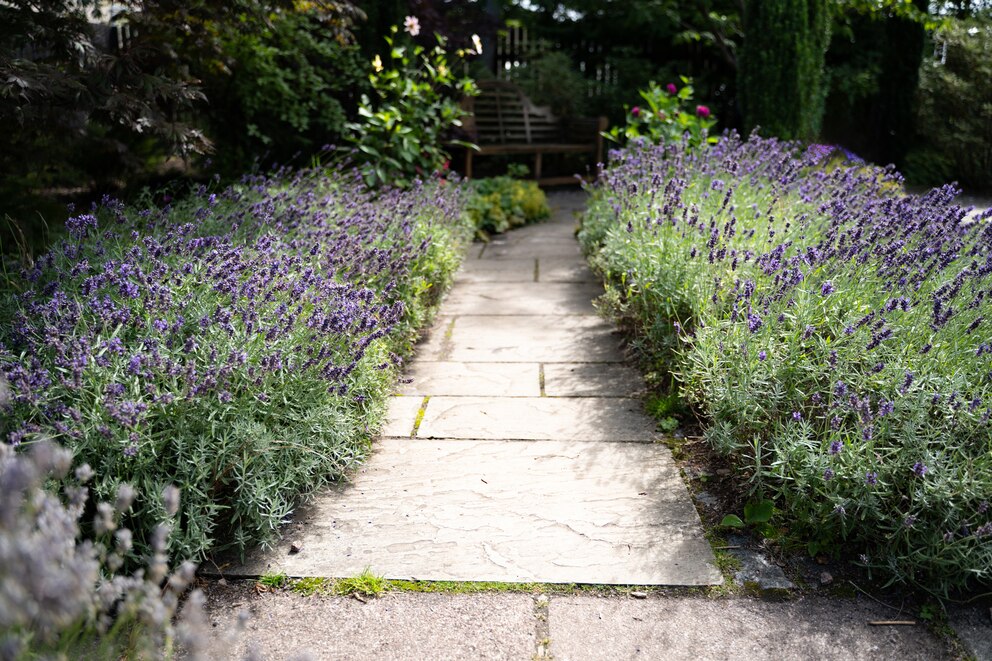
In 2026, the garden is increasingly seen as a place of relaxation. Fragrant plants, rustling grasses, shady seating areas, and natural materials create an atmosphere that slows down life. Particularly popular are fragrant plants like lavender, sage, or night bloomers, which make the garden enjoyable even in the evening.
Privacy screens are increasingly green: hedges, perennial walls, or planted trellises replace rigid fences. This creates garden spaces that offer a sense of security without completely isolating from the outside.
Sustainability with a Sense of Proportion
Sustainability remains a central theme but is implemented more realistically. Instead of dogmatic rules, what counts is what works in the long term. Peat-free soil, composting, durable materials, and regional plants are at the forefront.
Upcycling ideas—such as raised beds made from old bricks or seating areas from wood scraps—remain popular, but less as a trend and more as a natural part of modern garden culture.
The post Trends in Gardening for 2026 appeared first on myHOMEBOOK.
Comments are closed.