

February is a very exciting time for my moth orchids. After a long winter of preparing flower spikes, they’re now laden with buds getting ready to open in spring. That’s why I always give them some specific TLC this month to support the magnificent display ahead.
While there isn’t lots do to in terms of orchid care in late winter, a few simple tasks will boost your plant’s health and can even encourage your orchid to bloom for longer. From removing old foliage, to increasing watering, and repositioning your orchid somewhere brighter, these things take literally minutes to do and create an optimal environment for abundant blooms. At the same time, there is one thing to hold off on for a little longer: fertilizing, which can lead to the downfall of your orchid this month.
You may like

(Image credit: Future)
Preparing Your Orchid for Spring
February is the month to kickstart orchid care once again, just before it starts blooming and putting on active growth in spring.
Keep in mind its native habitat when caring for an orchid in your home. These plants are epiphytes (naturally growing on tree bark instead of in soil) found in tropical and subtropical rainforests, where they enjoy high humidity and filtered bright light.
Recreating these conditions as closely as possible is fundamental to healthy orchids that last for years – and you can start by ticking off these three tasks this month:
1. Lightly Prune Your Orchid

A lot of people mistake a dormant orchid as dead, but a little patience and care will bring returning blooms every year
(Image credit: Andreas von Einsiedel / Alamy Stock Photo)
If you haven’t already done so, it’s important to remove old foliage and orchid stems now before spring.
After flowering, orchid spikes will turn yellow and brown as they dry out – a disconcerting sight, but perfectly normal as part of its flowering cycle.
These flower spikes won’t turn green again, nor will the orchid use it, so it can snipped off at the base of the plant.
Likewise, you can prune orchids in February to remove any discolored foliage or those with brown patches.
What to read next
Doing so now will redirect the plant’s energy into putting out new healthy growth, rather than being drained by unhealthy plant material.
You can simply use houseplant snips (from Amazon) to remove it all old, faded foliage and stems.
2. Move Your Orchid Somewhere Warmer

You can use screens and sheer curtains to protect orchids from harsh sunlight
(Image credit: Future)
One of the key parts of winter houseplant care is moving plants sensitive to cold (like orchids) away from chilly windows. This helps prevent shock as temperatures drop and fluctuate.
But, now that warmer temperatures are starting to arrive, you can reposition your orchid to a warm and sunny windowsill to support and encourage blooming.
Be aware, however, that direct sun will cause leaf scorch for these delicate plants. Filtered bright light best imitates what they soak up in their rainforest environment, beneath tree canopies.
For this reason, it’s best to avoid south-facing windows for your orchid. If needed, you can filter harsher light with something like these sheer curtains from Wayfair.
3. Gradually Increase Watering

Even when your orchid isn’t flowering, it’s important to keep it hydrated
(Image credit: Andreas von Einsiedel / Alamy Stock Photo)
As early spring starts to warm up room temperatures and your orchid enters its active growth phase, it will become a lot thirstier.
For this reason, you should start to increase how often you water your orchids – though this should be done gradually in reaction to its needs, rather than an immediate increase.
Rather than sticking to a strict watering schedule, I recommend using a visual cue: your orchid’s aerial roots.
When an orchid’s roots (which you should ensure are at least partly visible at the top of the pot) are green, they can be left alone. It indicates hydration.
When those roots appear silver, it’s time to pick up your watering can and thoroughly water your orchid without drowning the roots.
Keep in mind your orchid should be growing in a porous growing medium (like this orchid bark from Amazon) which causes the water to drain to the bottom of the pot more quickly, so it can be easy to overwater.
This can result in orchid root rot and the eventual death of your plant, which is why a pot with drainage holes (like this orchid pot at Walmart) is particularly beneficial to use.
4. Avoid Fertilizing Your Orchid

A slow-release orchid fertilizer (like this from Amazon) provides a gradual release of nutrients over a few weeks at a time
(Image credit: Andreas von Einsiedel via Alamy)
The one thing you should avoid doing in February is fertilizing your orchid.
While those flower buds and new growth may trick you into thinking your orchid is ready for feeding, the lingering cooler temps and limited daylight in late winter risk fertilizer shocking the plant.
Your orchid is still vulnerable during February, as it yearns for spring days and continues surviving the last of the winter conditions. This means it isn’t soaking up water and plant food quite so frequently as it does once spring is in full swing.
Too much fertilizer now could risk burning the roots, weakening your plant, and hindering its flower performance. It could even result in flower buds dropping off.
Instead, I recommend waiting until mid-March, or even April, to start giving your orchid diluted orchid food (like this one from Amazon) every couple of weeks right through to the end of summer, before pausing fertilizing again for fall and winter.
FAQsWhich Pests Like Orchids?
Orchids are susceptible to a wide range of houseplant pests. This includes sap-suckers like mealybugs and aphids, as well as spider mites. They are, however, less likely to attract fungus gnats because they don’t grow in dense potting soil. You can avoid an orchid pest problem by regularly checking underneath foliage and wiping it clean of dust, as well as regularly misting it with a plant mister (from Amazon).
Now you know what to do with an orchid in February, you can turn your attention to getting an orchid to rebloom every year. If provided with optimal care, these plants can survive as houseplants for a decade or longer, adorning your windowsills with sophisticated blooms every spring.
Shop Orchid Care Essentials

This pretty glass plant mister is perfect for orchids. Mist them regularly to boost humidity levels and keep their leaves clean.
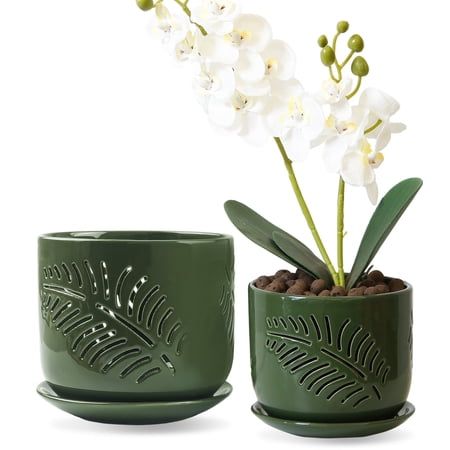
This beautiful set of orchid pots has drainage holes and saucers to help manage moisture and remove excess water.
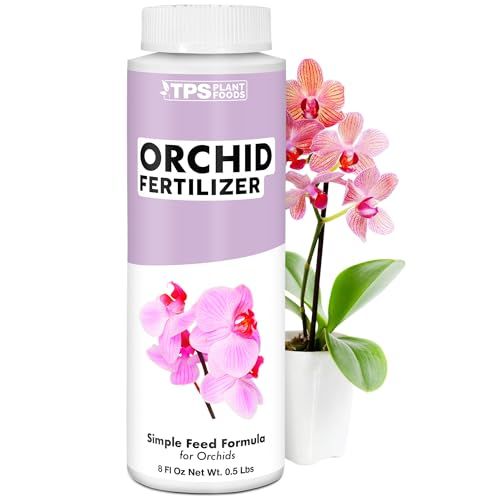
This liquid orchid fertilizer is packed with essential nutrients to support orchid growth and encourage flowering.

Orchid bark is ideal for orchids to grow in, offering plenty of drainage and moisture retention.

These stainless steel houseplant snips are perfect for pruning orchids, removing spent flower spikes and damaged foliage.
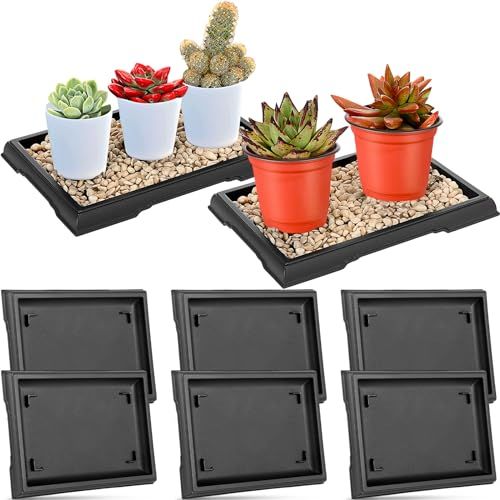
You can place your orchid on top of these pebble humidity trays to boost its humidity levels. Simply keep the water level topped up.
Comments are closed.