
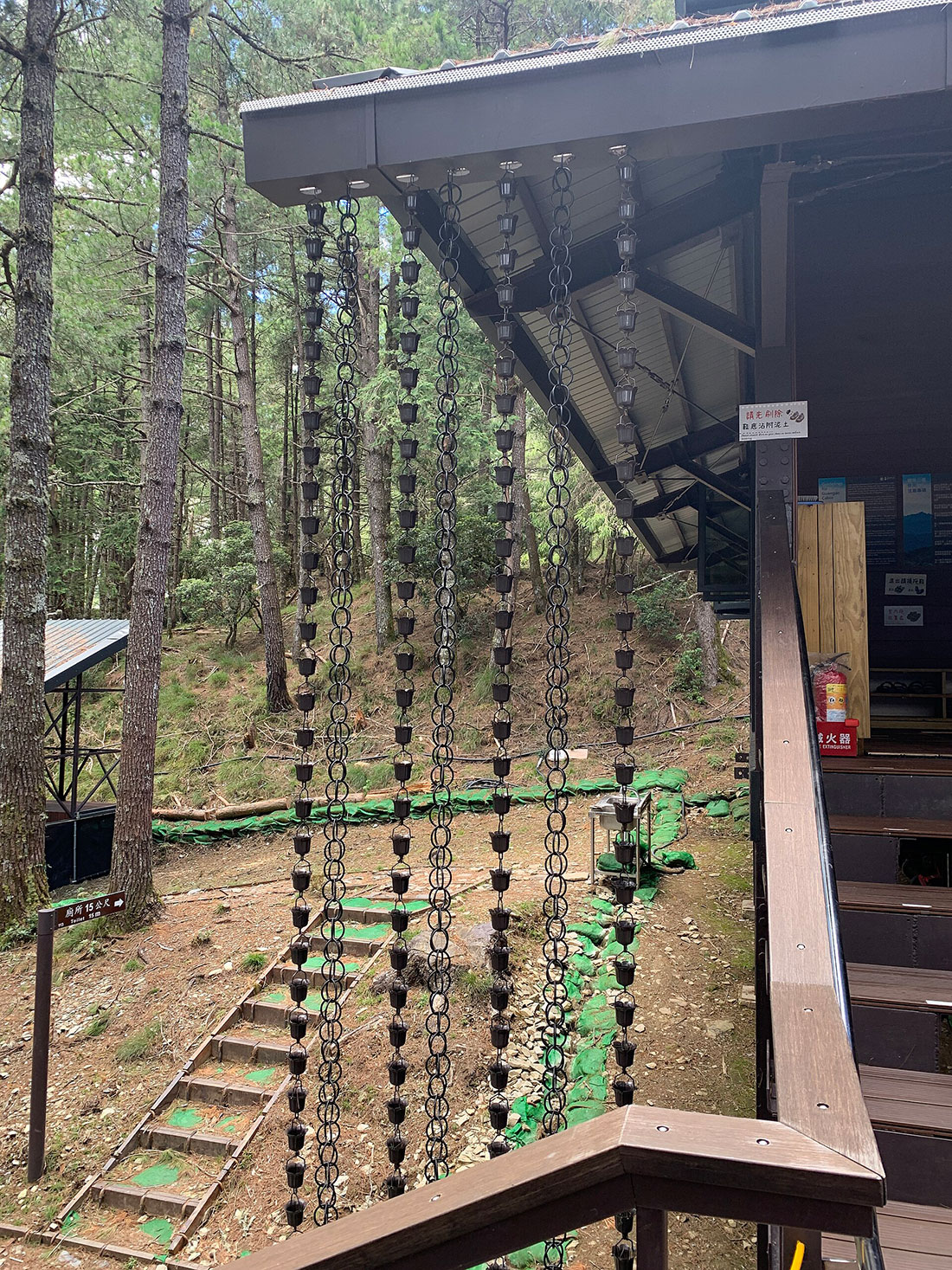
We need rainwater throughout the year to irrigate plants, fill bird baths and soak the ground. But rainwater can also puddle in a yard, wash out driveways, and transfer petroleum and pesticide pollutants into local waterways.
I looked for ways to address some of these issues in my own yard and found a great local resource—a February class named Stormwater Management for the Sustainable Landscape at the UGA State Botanical Garden. I picked up many great ideas for dealing with rainwater at my home, and came away with a new appreciation for engineers.
Instructors Richard Ludwig, a former host for PBS TV’s “GardenSmart” and former garden specialist for Southern Living magazine, and Azael Garza, the principal civil engineer for Aztlan Engineering LLC, focused on slowing down, spreading out and soaking up rainwater without terraforming your property. “Don’t fight the site, work with what you’ve got,” Ludwig said.
If you have specific concerns about rainwater around your property, this is a great class. Warning: There are formulas and calculations, but you don’t need to be a math whiz. I think I submitted more incorrect than correct answers, trying to figure out which formula to use and how to employ the engineer’s tape measure. It’s worth the embarrassment of being wrong and learning. The calculations will help you understand where the rain comes from and how to adequately size your improvements. The math can also come in handy if you have to explain to the county or an HOA why your rain garden (or bioswale or other project) is the correct size, shape and location.
If you’re interested in learning more about general rainwater-handling techniques, here’s a few mentioned in the class:
Rain chains: Mostly made of metal, these hang from the corners of your roof and slow down the gush of water that can come from a heavy rainstorm. They don’t handle much volume, but they are very pretty— like jewelry for your front porch. Ludwig stressed the importance of making rainwater improvements that are more than just functional. “Anything you can do to make it more ornamental,” he said. “Beauty sells.”
Flow through planter: Ending a gutter at a planter seems like a win-win. Any pollution in the runoff from the roof will immediately have a first line of filtration. Any water-loving plant will get inundated during storms—and in times of drought these plants will be close enough to the house to keep a close eye on and tide over with a little extra watering.
Rain barrels and cisterns: Both excellent uses of rainwater. Rain barrels typically hold less and are above or at ground level, near a downspout. Cisterns usually hold much more water and are at or below ground level. Ludwig also introduced the idea of the water pillow—essentially a large, sturdy rubber bag that fits into the crawl space of your home and can be filled with runoff. This seems like a great idea for some homes, but the rats on my property already know how to bite through irrigation piping. I do not want to give them a water bed to turn into a water park.
With all of these options, installing a first flush diverter is the best practice, Ludwig said. The most polluted water comes from the first flush. That’s the first inch of rainwater sluicing away any bird poop, petroleum products or other nasties from the roof and into your rain barrel. If you’re using your roof water to irrigate food plants, you’ll likely want one of these devices, though they are a little pricey at about $75.
Rain gardens and bioswales: I love these and gave a public presentation about them (albeit with much less math) when I was an active Athens-Clarke County master gardener. If you’re considering installing one on your property, it’s worth it to do your research about location, size and plant selection. Rain gardens and bioswales give water a place to puddle where plants will drink it up and filter out the majority of the pollution. The bot garden and the ACC Master Gardener program are both places to find out more, if you’re interested.
Not sure which method to try? It’s OK to pick more than one. “There’s nothing wrong with too much or too many ways to capture rainwater,” Ludwig said.
Like what you just read? Support Flagpole by making a donation today. Every dollar you give helps fund our ongoing mission to provide Athens with quality, independent journalism.
Comments are closed.