
Key Points
Your pothos will thrive when repotted, as it refreshes the soil and gives roots more space to grow. Repot your pothos every 1 to 2 years, especially if you notice roots coming out of drainage holes or slowed growth. Choose a pot 1 to 2 inches wider with drainage holes, use fresh soil, and avoid fertilizing right after repotting.
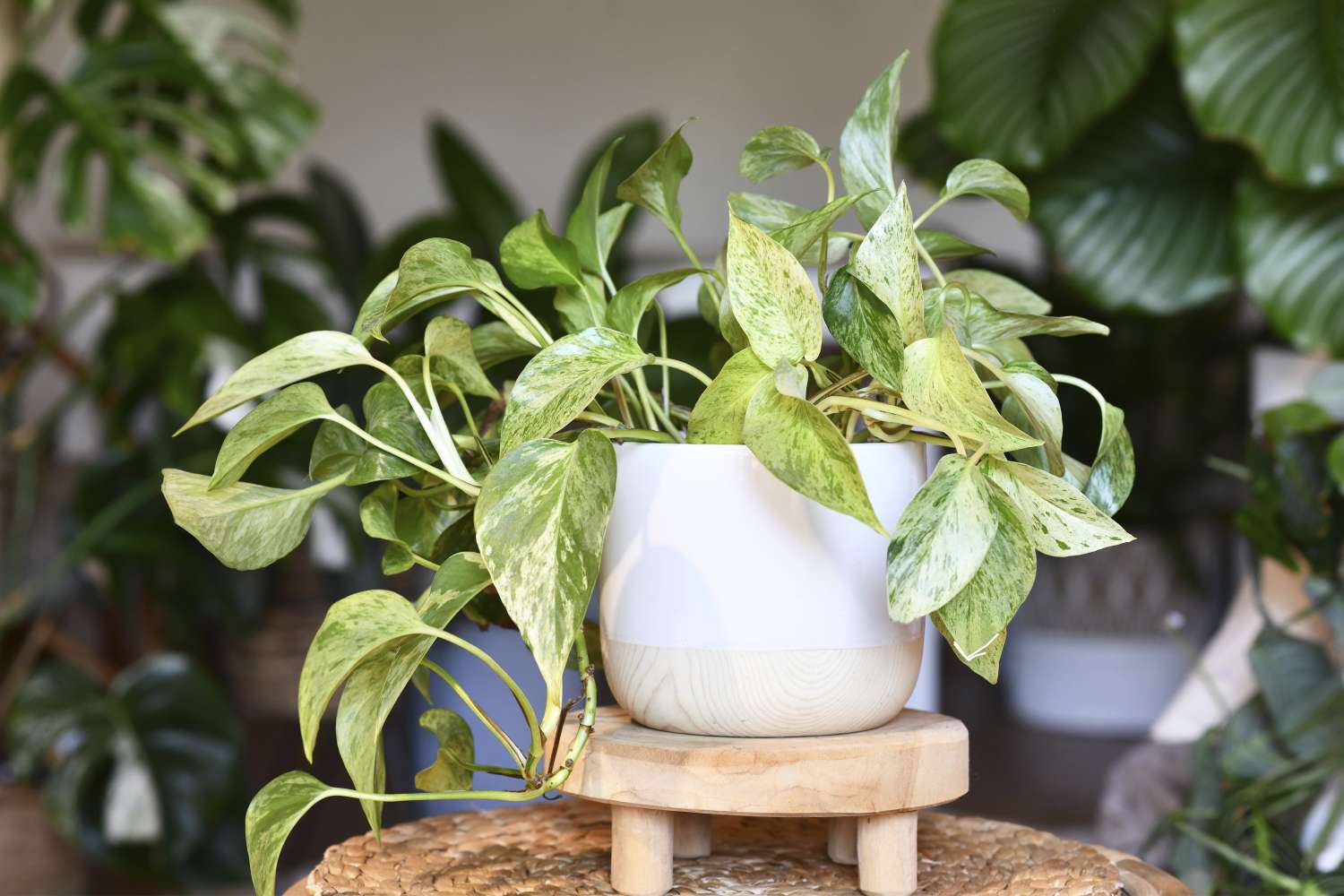
Your pothos deserves a home that it loves—and that may not be its current container. This tropical plant may be low maintenance overall, but it still needs to be repotted from time to time to really grow and thrive. Doing so will refresh the soil, and give the roots more space.
But which kind of pot is best for pothos, and how exactly should you go about it? Here, we spoke to gardening experts about how to repot this beloved plant—and how to care for it moving forward.
Benefits
One of the biggest reasons to repot your pothos is that it’s become rootbound and needs more room to grow. “I advise repotting when the rootball is about 75 percent plant roots, and you see only about 25 percent potting mix,” says Justin Hancock, horticulturist at Costa Farms. “If you see more roots than that, then your plants start to become rootbound.”
If your pothos is rootbound, then its growth will stall, and its leaves may even turn yellow. Another benefit of repotting is a soil refresh. “If the mix has degraded and broken down too much, it can lead to root rot issues,” he says. “In general, if your potting mix starts to look more like the soil in your garden than the fluffy mix you first potted your houseplant with, then it may be time to change it out.”
Overall, proper repotting can help prevent future issues for your pothos, giving it a fresh start so it can continue thriving.
When to Repot
Knowing when to repot is important—you don’t want to do it too often. Fortunately, there are some tell-tale signs that your pothos is in need of a change.
“Look for roots coming out of drainage holes, a pot that dries out very fast, slowed growth, compacted soil that pulls from the edge, or water that runs straight through,” says Chris Link, founder of Plant Addicts.
Your plant will do best when repotted every 1 to 2 years. “It’s generally best to do it in the spring and summer months,” says Hancock. “This time of the year typically brings warmer temperatures, longer days, and more intense sun—all of which help stimulate houseplant growth.”
How to Repot
Repotting is straightforward, but there are a few key steps that you definitely need to get right. Here’s how the experts say to do it:
Water your pothos the day before.Choose a pot. Link recommends one that’s 1 to 2 inches wider than the current container—and with drainage holes. Plastic pots will hold moisture for longer.Add soil to the bottom of the pot. Link suggests a fresh, airy indoor mix, like potting soil with perlite or orchid bark.Turn the plant on its side and gently slide it out of the previous pot. Trim only the dead or mushy roots.Replant pothos in the new pot at the same depth.Fill the area around the plant with soil. Water well.
“Terracotta pots look beautiful, but are porous, so the soil will dry out faster,” says Hancock. “It helps to soak them in water for a few hours before you plant, otherwise they have a tendency to suck the water out of the soil.”
Care Instructions
After it’s been repotted, place your pothos in a spot where it will get bright, indirect light. “Let the top 1 to 2 inches of soil dry before watering again,” says Link. Don’t fertilize after your pothos has been repotted—the roots will need some time to re-establish themselves. Hancock recommends adding a saucer to catch any excess water.
Comments are closed.