
We may earn revenue from the products available on this page and participate in affiliate programs. Learn More ›
Home Advice You Can Trust
Tips, tricks & ideas for a better home and yard, delivered to your inbox daily.
As a seasoned gardener, I hid a dirty little secret: I couldn’t grow indoor plants. For years, I showed off my bountiful outdoor crops to friends and family while quietly wondering why my houseplants kept struggling, no matter how carefully I tended them. I even managed to kill low-light houseplant favorites like snake plants! I understood how plants worked—or so I thought. It wasn’t until a virtual presentation on houseplants that I finally saw the problem. My plants weren’t failing; my assumptions about light were.
Problem #1: Realizing Light Isn’t Fixed
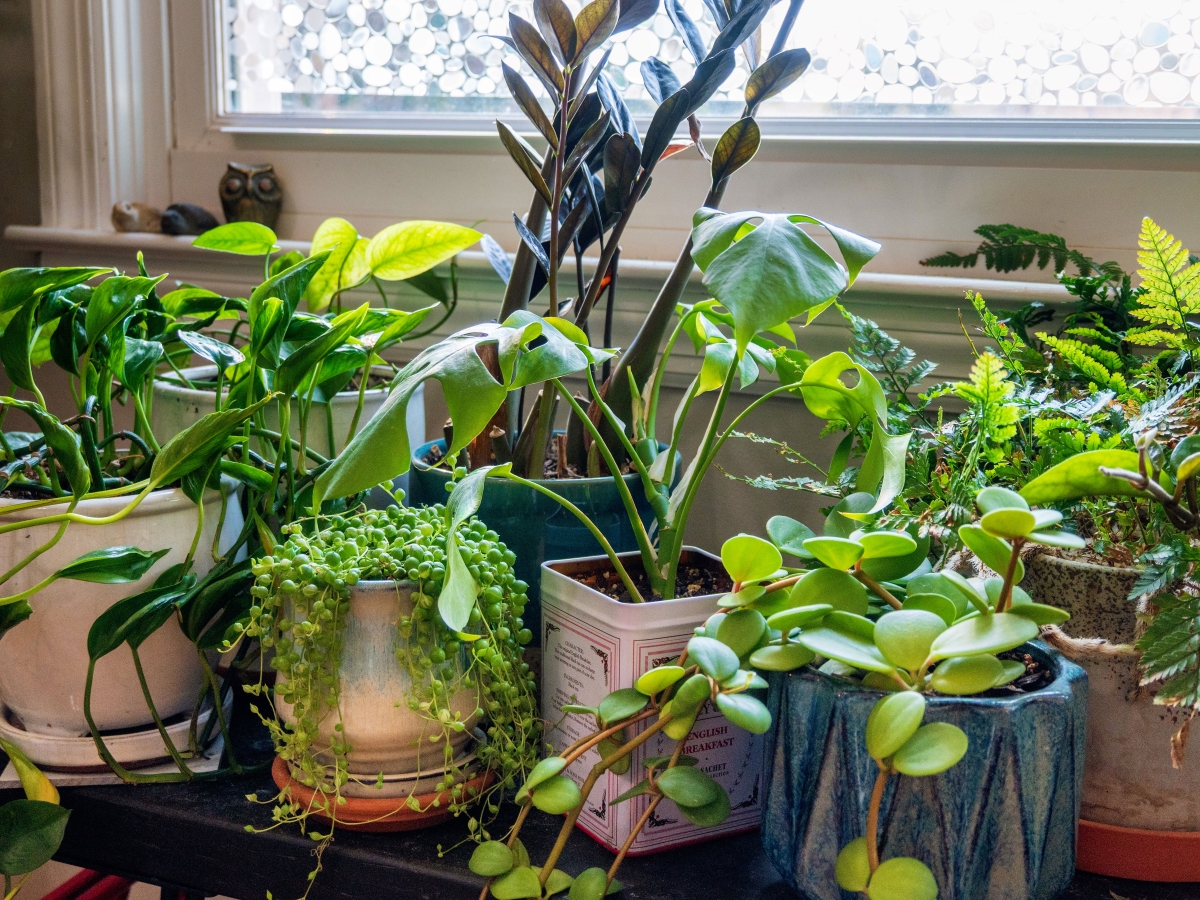
I have one room in my house that is extremely bright. With three south-facing windows, it sounds like a houseplant paradise, right? Yet no matter which plant I placed there, success was hit or miss. The problem was not the plants, but my failure to account for seasonal shifts in sunlight. In summer, when the sun sits high in the sky, the light entering the room is gentle, diffused, and indirect, making it suitable only for medium- to low-light plants. Winter is another story entirely, with low-angle sun so intense it can scorch leaves. The quantity of light fluctuates, and I needed to move my plants accordingly.
Problem #2: Putting Numbers to Plant Light
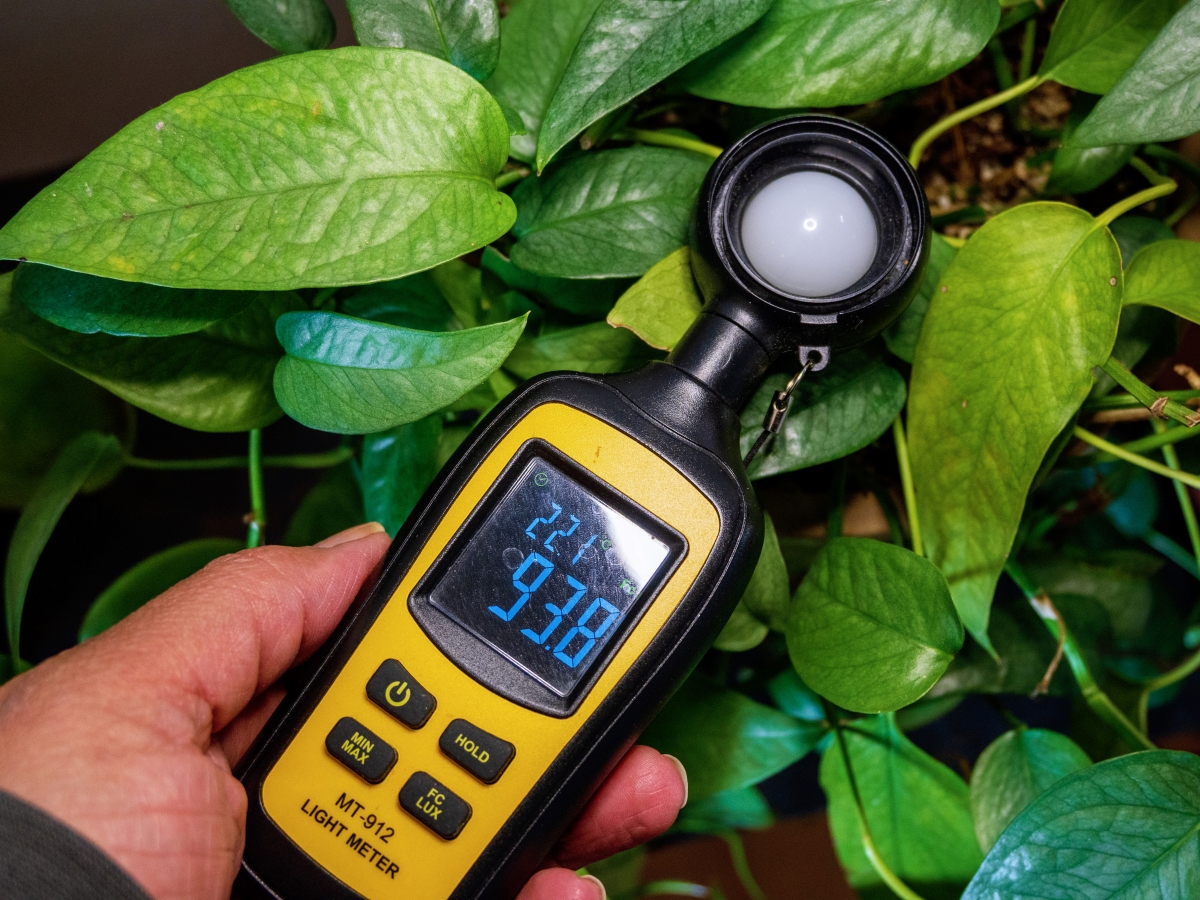 Photo: Debbie Wolfe
Now that I understood how light was always changing, I ran headfirst into another problem: the labels themselves. Bright, medium, and low light had always felt like a vague, subjective way to measure light needs. That changed when I learned light can be measured with a plant light meter. This small, affordable tool is easy to use and, best of all, reveals exactly how strong or weak the light in a space really is.
Houseplant light is commonly measured in foot-candles, a U.S. unit that quantifies the intensity of light reaching a surface, and in lux, its metric equivalent. Suddenly, those fuzzy categories had numbers attached to them. The realization clicked immediately because of my background in photography. As a photographer, I think about light in measurable terms, including temperature, exposure, and intensity, to make informed decisions. Now that I knew plant light wasn’t abstract, it became something I could apply to plant selection.
Our Recommendation
Urceri Light Meter
Affordable and accurate, the Urceri Light Meter makes it easy to measure light and place plants with confidence.
Buy It at Amazon
Photo: Amazon
Letting the Light Make the Decisions
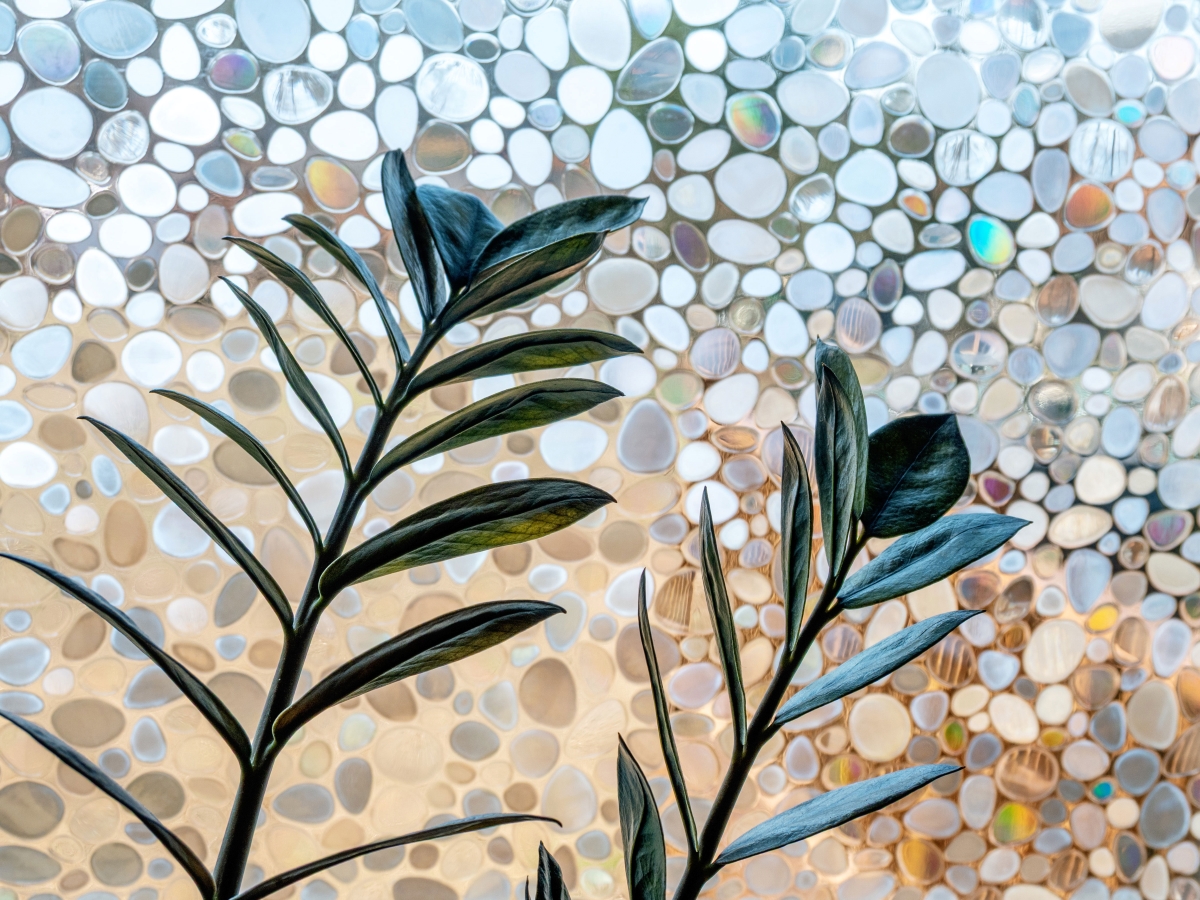 Photo: Debbie Wolfe
Once I understood that light could be measured, I needed a practical way to translate those numbers into clear plant choices. I found this handy chart in a University of Florida Extension newsletter that helped me match footcandle values to light categories:
Direct sun (4+ hours of direct sunlight)
High light (over 500 foot-candles, bright/partial indirect)
Medium light (100 to 500 foot-candles, indirect)
Low light (25 to 100 foot-candles, indirect)
Areas with consistently low light are best for reliable performers like snake plants, pothos, and ZZ plants. Medium-light areas suit philodendrons, spider plants, and rubber plants. Bright spots, with higher foot-candle levels, are reserved for more light-tolerant species such as succulents.
Armed with my new knowledge, I approach plant selection and placement with logic. I begin by measuring the light in the space where I want to put a plant and observing how it changes throughout the year. Then, I match those conditions to plants that naturally thrive in them. If I have an area just on the cusp of a low- or high-light measurement, I can add a plant light to push it over the threshold. In the winter, I place a removable film on the lower halves of my window to filter the intense rays. Rather than forcing plants to adapt to my environment, I’ve learned to adapt my choices to the light each space offers.
Growing With Confidence
Understanding both the quality and quantity of light completely changed how I place plants and when I supplement, setting the stage for healthier growth and far fewer disappointments. By grounding my plant care in measurable light rather than guesswork, my indoor gardening became both simpler and more sustainable. I now choose plants based solely on their ability to thrive in my environment. As a result, I have a calmer, more confident relationship with my space.
All You Need to Care for Your Lawn & Garden
Keeping your grass green and your plants thriving doesn’t just take a green thumb—it starts with the right tools and supplies.
Comments are closed.