
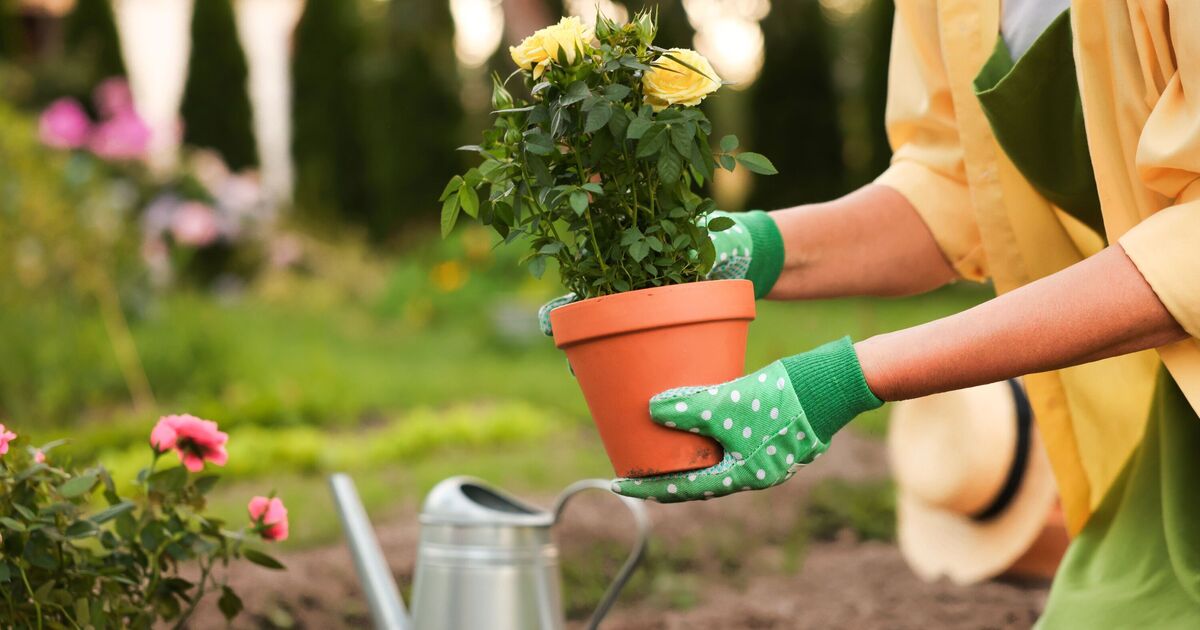
Don’t make this garden mistake (Image: Getty)
Garden enthusiasts eagerly awaiting spring blooms have been cautioned against making a mistake this month. February is typically when many put on their gardening gloves and start preparing for warmer seasons.
A variety of flower bulbs can be planted early to get a head start. However, a gardening guru has warned green-fingered individuals to be mindful of the current weather conditions. Much of Britain has been hit by heavy rain in recent weeks, leading to flooding in some areas.
Read more: Weeds never grow on lawns if you use a natural item better than salt or vinegar
Read more: My fresh tulips last for weeks when I add everyday item into the vase
Some locations have even endured 41 consecutive days of rain, which is impacting gardens. TikTok horticulturist, @gardening.with.ish, has advised people to “hold their horses” as they gear up to plant their blooms.
Ish stated that whilst you can begin purchasing bulbs and plants from shops and supermarkets, it’s advisable to delay planting a little longer.
He elaborated: “We have had a very wet and cold winter, and as a result, planting these a little bit too early in February may be a bit of a struggle.”
Ish recommended: “Just hold off until late February or early March.” It’s not just the plants that require extra care; our feathered friends do too.
Many of us with gardens enjoy observing the birdlife, but there’s one simple addition that could entice them to linger longer. The RSPB suggests installing a basic nest box in your garden.
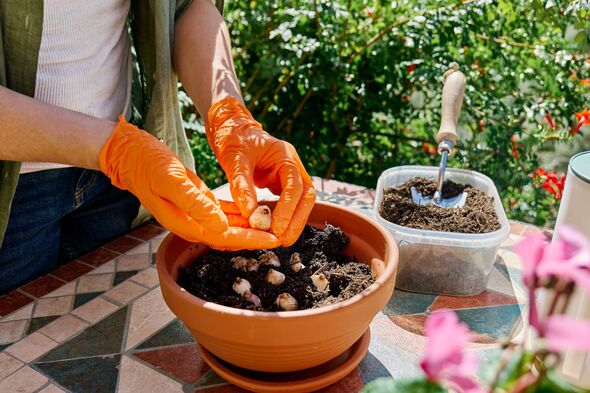
The expert warned against planting bulbs just yet (Image: Getty)
The charity stated it’s the simplest method of supporting the birds by offering them somewhere to shelter and keep warm. With National Nest Box Week taking place this week, it’s an ideal opportunity to prepare your own garden.
Nest boxes typically cost between £10 and £20, though cheaper options can be sourced online. The RSPB explained: “Putting out bird food is great, but if birds don’t have access to nesting sites, they won’t have anywhere to raise the next generation.
“It’s also key that the nest sites are nearby to foraging locations, where they can find plenty of invertebrates without leaving the nest for too long.”
Boxes generally feature a small entrance hole, sized appropriately for smaller birds to enter. Choosing a nest box can also support particular bird species.
The RSPB shared: “Although Swifts aren’t due back until late April, these are birds badly in need of a helping hand. Between 1995 and 2021, numbers plummeted by 62% in the UK, with a lack of suitable nest sites a contributing factor.
“Different birds favour different types of nest boxes.”
There are specially designed Swift boxes, alongside open nest boxes suited for Robins.
Nest boxes require cleaning during autumn, with September being the optimal month provided the nest is unoccupied. As we are now nearing spring, it’s advisable to leave any existing nest boxes undisturbed to avoid disrupting the birds.
Comments are closed.